

Wall repair patch kit large holes is a solution DIYers and homeowners are increasingly turning to for fast, cost-effective drywall repairs—especially when faced with gaps bigger than a nail hole. In 2024, convenient patch kits designed specifically for the challenges of large holes are dominating hardware aisles. Here is a realistic, actionable guide based on market trends, user feedback, and real-world results for getting seamless repairs.
Key Takeaways
- DIY kits for large wall holes up to 8×8 inches offer a practical alternative to costly pro repairs—most kits cost $10-$30 and include all essential tools.
- Common user pitfalls include picking the wrong patch size and underestimating finishing work; top kits address this with multiple patch sizes and clear instructions.
- Patch kits are best for non-load-bearing walls; for holes subject to hardware or stress, use structural adhesive kits or consider professional repair.
- What Are Wall Repair Patch Kits for Large Holes—and Why Use Them?
- Step-by-Step: Repairing a Large Wall Hole with a Patch Kit
- Advanced Analysis: Pitfalls, Real Results & How Not to Get Burned
- Conclusion
- FAQ
What Are Wall Repair Patch Kits for Large Holes—and Why Use Them?
Wall repair patch kit large holes solutions are engineered to rapidly fix openings bigger than a few inches—usually up to 8×8 inches—without removing sections of drywall. They bundle self-adhesive mesh, rigid aluminum patches, and all-in-one tools to let anyone restore a smooth wall fast. Consumer demand for these kits surged alongside a boom in DIY affordability and rising construction: the drywall repair market topped $5.1 billion in 2023 with a projected 7.2% annual growth through 2033 [source].
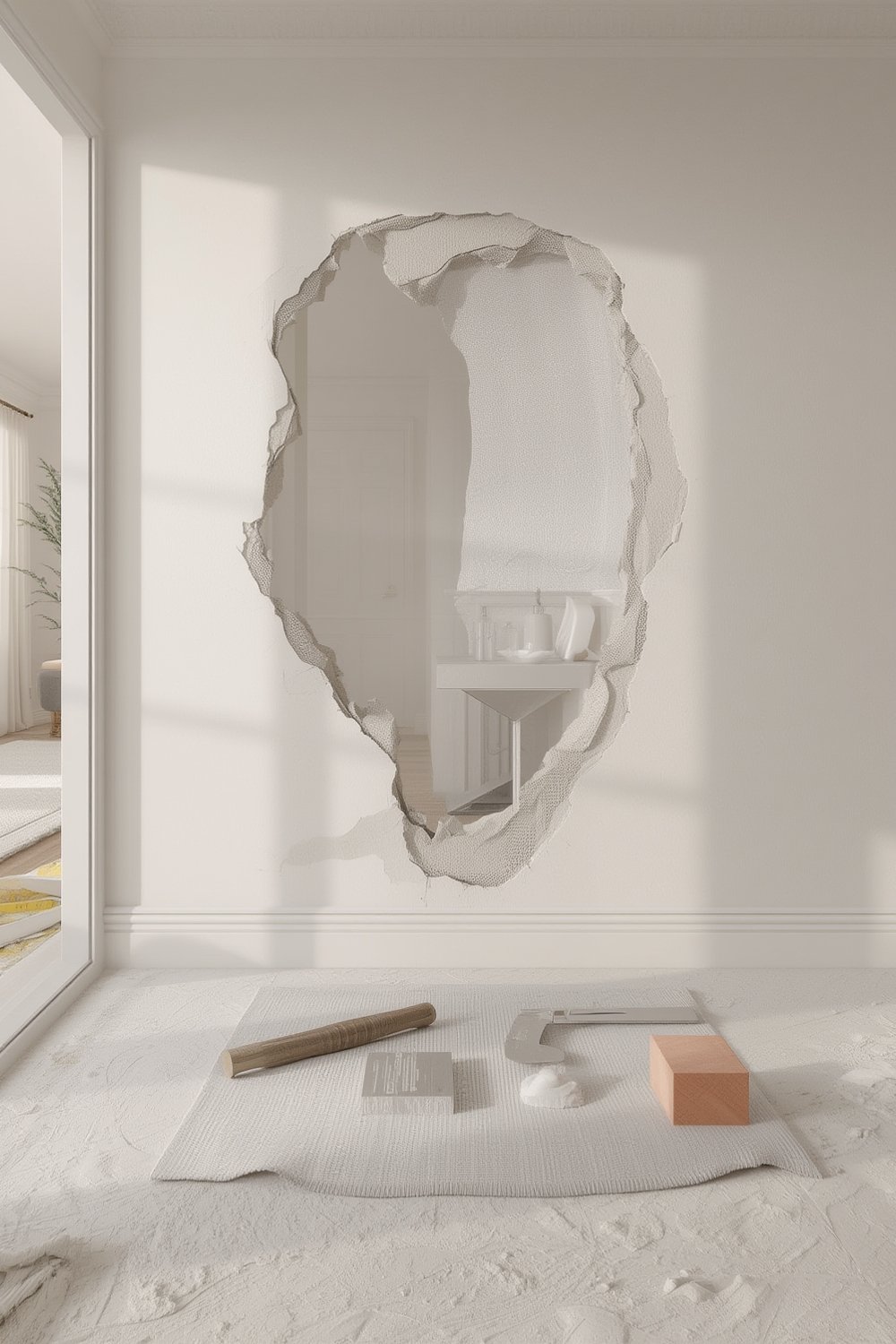
These kits target the “versatile” DIY segment—anyone who needs to patch, sand, and repaint without cutting out whole wall sections or hiring pros. With more people preferring peel-and-stick mesh for speed and reduced mess, these kits now dominate 65% of the market share for wall repair solutions worldwide, especially in regions with high renovation rates [source]. They’re especially popular where affordable fixes and quick cosmetic upgrades are needed—think rental properties, prepping for resale, or accidental damage from moving furniture.
For more on trending products across the home improvement category, check our top product picks and recommendations hub.
Step-by-Step: Repairing a Large Wall Hole with a Patch Kit
Here’s how to use a wall repair patch kit for large holes (6–8 inches)—the most highly rated approach in 2024:
- Clean the Hole and Surrounding Area
Scrape away loose debris and smooth rough edges for the patch to sit flush. Remove dust with a dry cloth. - Pick the Right Patch Size
Use a patch that’s at least one inch wider than the hole on every side. Most top kits include 4×4, 6×6, and 8×8-inch patches. For very deep holes, structural epoxy-based kits like BoaBond handle up to 1-inch thickness and 50-pound loads [source]. - Peel and Stick the Patch
Remove the backing and firmly press the self-adhesive mesh/aluminum patch over the hole so it covers the entire damaged area. - Spackle Over the Patch
Use the kit’s included spackle/joint compound and a putty knife to feather edges beyond the patch. Allow to dry completely—quick-set compounds dry in 20–30 minutes. - Sand Smooth and Repeat if Needed
Sand the dried compound flush with the wall; for best results, two or three rounds of fine sanding deliver an invisible repair, especially before painting. - Prime and Paint
Spot-prime the patched area, then repaint to blend the repair with the rest of your wall.
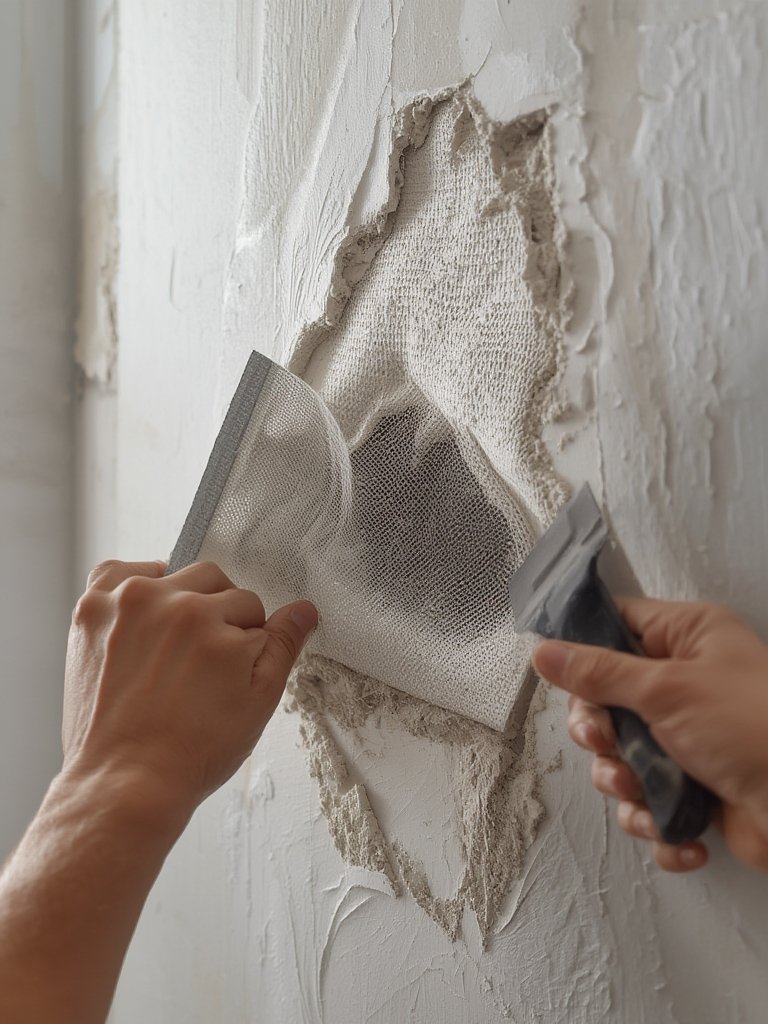
Nearly all modern kits (like the Drywall Repair Kit with Extended Self-Adhesive Mesh) include multiple patch sizes and sanding tools—helping to minimize surprises. Kits with quick-drying compounds mean your wall can be ready to paint in under an hour. If you’re missing a cordless drill for home use to install structural supports, consider borrowing one for a truly seamless fix.
Advanced Analysis: Pitfalls, Real Results & How Not to Get Burned
Patch kits for large holes are not foolproof. Real-world use and expert reviews highlight repeated issues:
- Selecting the wrong patch size: Over- or undersized patches can bubble, flex, or fail to bond well. Always use the smallest patch that fully overlaps the damaged area by 1 inch minimum on each side.
- Poor prep and cleaning: Dust, cracked edges, or uneven wall surfaces prevent good adhesion, leading to a visible or weak patch.
- Insufficient sanding or feathering: Rushed compound work creates a “bump” or shadow that’s clear, especially under paint—do multiple passes if needed.
- Not suited for all wall types: Most kits target drywall, sheetrock, or plaster. Performance on masonry or irregular surfaces can be mixed. Double-check compatibility if you have lath-and-plaster or old brick walls.
- Lack of long-term durability data: Top kits are marketed as robust, but few disclose test results for adhesion beyond 1 year or in high-traffic zones [source]. Be realistic about performance if you’re patching in busy entryways or commercial buildings.
- Limits for load-bearing applications: Standard patches are not meant to support objects like shelves or heavy art. Use a structural wall repair adhesive for anchoring or hardware installs.
| Kit Type | Max Hole Size | Materials | Wall Application | Tool Inclusion | Avg. Cost | Best For |
|---|---|---|---|---|---|---|
| Mesh/Aluminum Patch Kit | Up to 8×8 in | Aluminum, Self-adhesive mesh |
Drywall, Plaster, Sheetrock |
Usually included (spackle, putty knife, sandpaper) | $10-$30 | Quick DIY repairs, non-load-bearing holes |
| Epoxy Structural Kit (BoaBond SWR) | Up to 1 in deep void | Expanding epoxy composite | Drywall (deep/anchored holes) | Spreader, mixing stick | $20-$40 | Repairs holding hardware, voids behind wall |
| Pro Full Panel Replacement | Any size | New drywall, screws, tape, mud | All wall types | Not included, professional tools |
$50-$200+ | Structural repairs, severe fire/water damage |
Real results show that seamless finishes are possible if you sand carefully and fully layer the compound. According to independent reviews and video walk-throughs, top-rated large hole patch kits blend nearly invisibly with existing walls. However, visual before/after consistency varies if you rush or skip steps.
It’s also crucial to read kit labels for supported wall thicknesses and surfaces—these details aren’t always clear. For full wall redos, like after water damage, compare costs and time with hiring a home remodel company.
Want to improve whole-home maintenance and reduce repair frequency? Upgrading to permanent outdoor lights or organic modern kitchen materials can help cut future wall wear, too.
Conclusion
DIY wall repair patch kit large holes systems are a practical and affordable way to restore walls after significant damage, especially for standard drywall and plaster up to 8×8 inches. They combine all-in-one convenience and good-enough durability for most home applications—but require attention to surface prep, sanding, and correct tool use for a truly invisible fix. For best results on structural issues or deep voids, pair standard kits with a structural adhesive or pro repair if needed. Always check kit specs, and be realistic about expectations for high-traffic or load-bearing areas. Don’t let large holes lower your home value—try a wall repair patch kit large holes solution, and tackle that repair today.
If you’re ready to start, make a checklist and grab your patch kit. For more high-impact home product tips, see our latest cordless drill guide, or explore more ideas at our product buying guide.
FAQ
Can I repair a hole larger than 8×8 inches with a wall repair patch kit?
Most DIY patch kits are designed for holes up to 8×8 inches. For anything larger, especially if the hole spans studs or corners, professional drywall replacement or full material backing is safer and more durable.
Will a patched hole be visible after painting?
If properly sanded, feathered, and primed, a patched hole with a modern mesh/aluminum kit can blend almost invisibly. However, poor prep or inadequate sanding often leaves a raised or shadowed area, especially in bright light.
Do I need special tools beyond what comes in the kit?
Most large hole patch kits include everything you need—spackle, mesh, putty knife, and sandpaper. You may want a small drill for deep reinforcements, or painter’s tape for crisper paint edges but it’s not usually required.
How long will a large hole repair last?
Kits are designed for long-lasting results, but most lack long-term durability data beyond 1 year. Patches in low-traffic areas tend to hold up. For high-use zones or where movement occurs, consider structural kits or pro repairs.
Are wall repair patch kits safe for load-bearing walls or hardware installations?
No—standard mesh/aluminum patch kits are for cosmetic, non-load-bearing fixes only. For hanging objects or where strength matters, use a structural adhesive kit rated for support or opt for professional drywall work.
—