

Tajima caulk gun sets the standard for professional-grade sealing work in construction, renovations, and home improvement projects.
Key Takeaways
- The Tajima caulk gun is known for its precision, durability, and smooth operation, making it a favorite among professionals.
- Understanding setup, application, and troubleshooting ensures better results and less wasted material.
- Awareness of limitations, pitfalls, and how it compares to other caulk guns leads to smarter buying decisions.
- The Core Concept: What Is a Tajima Caulk Gun and Why Choose One?
- Step-by-Step Guide: How to Use a Tajima Caulk Gun Correctly
- Advanced Analysis & Common Pitfalls
- Conclusion
- FAQ Section
The Core Concept: What Is a Tajima Caulk Gun and Why Choose One?
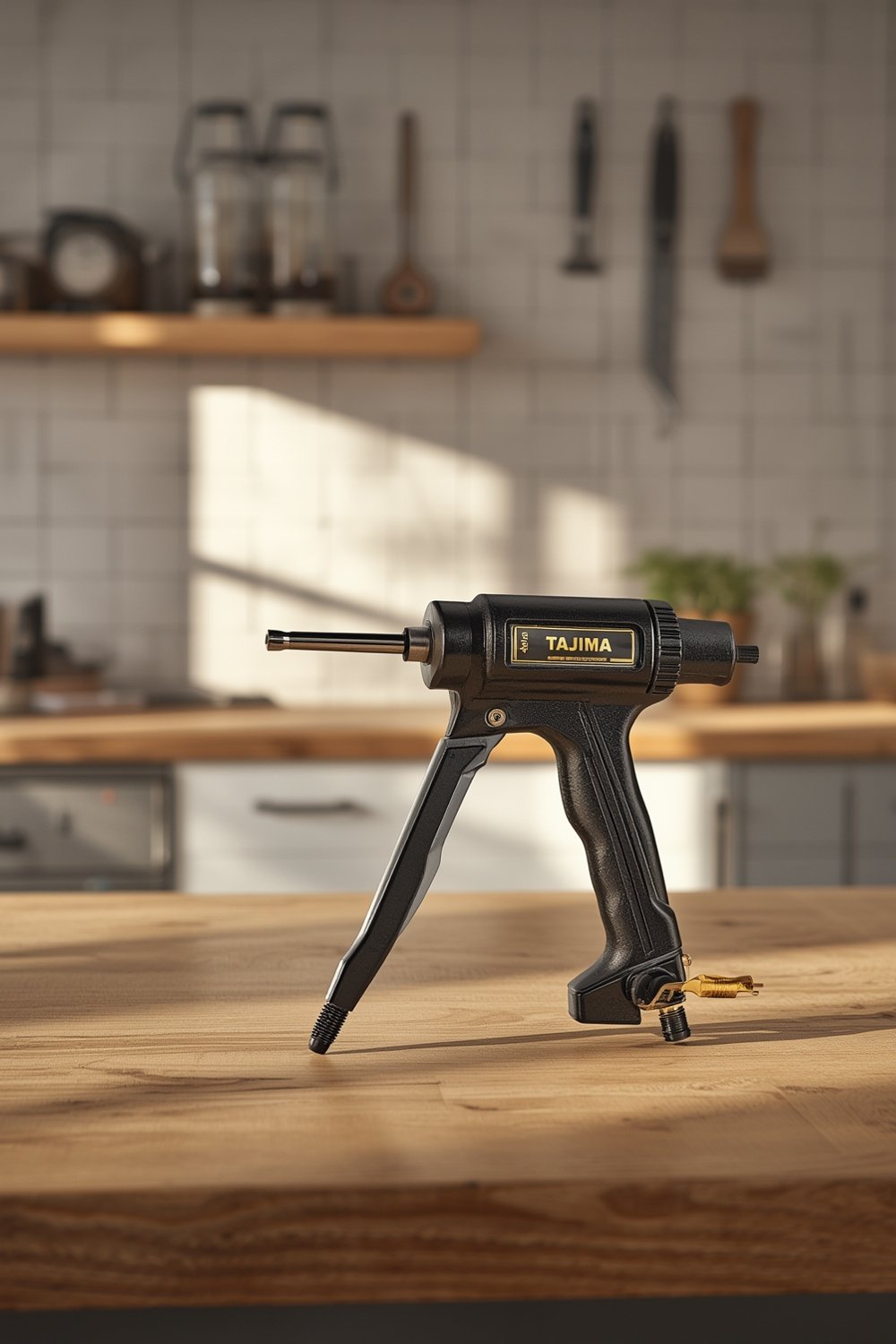
A Tajima caulk gun is a professional hand tool engineered to apply caulking, adhesives, and sealants with maximum precision. Unlike many generic models, Tajima caulk guns are built with an emphasis on smooth trigger action, durable materials, and ergonomic designs. Backed with features that minimize hand fatigue and improve bead consistency, these guns are ideal for both seasoned contractors and serious DIY enthusiasts.
Choosing Tajima over standard caulk guns means fewer hand cramps, less product waste, and a more professional finished look. People choose Tajima not just for the name, but for the trust they place in consistent, clog-free operation, drip reduction, and long-lasting construction.
Step-by-Step Guide: How to Use a Tajima Caulk Gun Correctly
Using a Tajima caulk gun might sound straightforward, but there’s a right way to achieve lasting, professional results. Below is a practical step-by-step process for getting the most out of your tool:
- Unpack and Inspect: Remove the Tajima caulk gun from packaging. Ensure the barrel, plunger, and trigger are intact and move smoothly. Wipe any factory residue with a dry cloth.
- Load the Cartridge: Press the release tab and pull the plunger rod fully back. Insert your caulk or sealant tube into the frame, making sure the nozzle faces forward and aligns with the opening.
- Snip the Nozzle: Cut the tube’s tip at a 45-degree angle to match the joint size. For best control, start with a small opening—you can always enlarge if needed.
- Puncture the Seal: Some cartridges require poking the foil seal inside. Use a built-in poker (if available) or a long nail.
- Prime the Plunger: Squeeze the trigger a few times until caulk appears at the nozzle tip. Wipe excess with a rag.
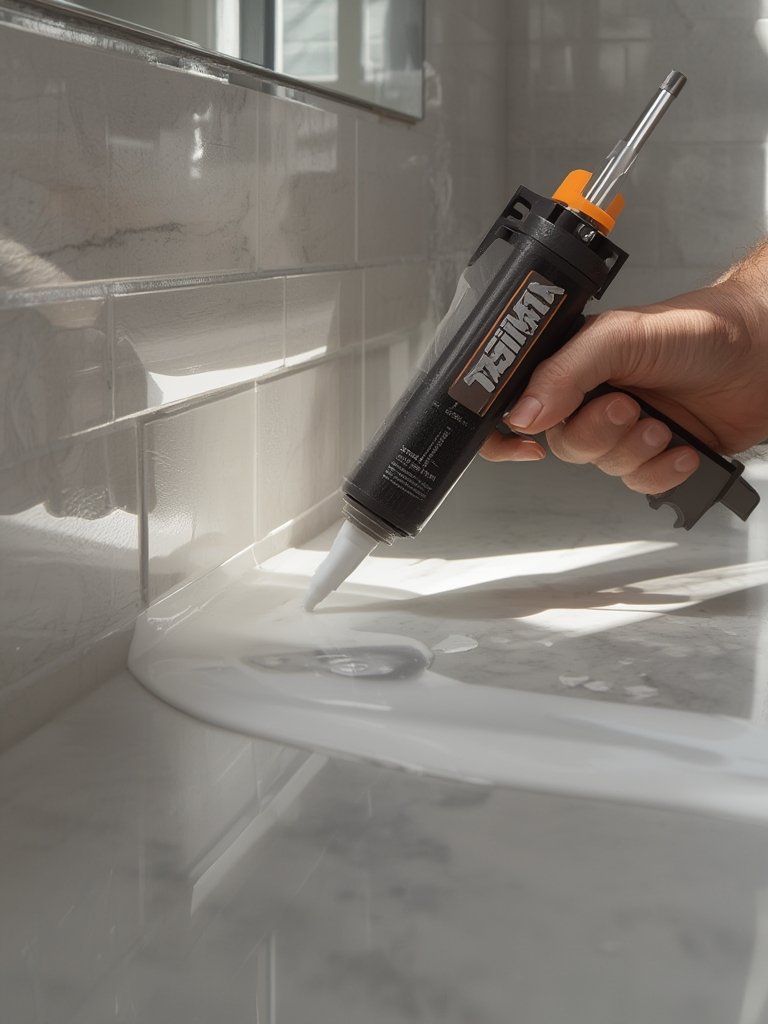
- Apply with Steady Pressure: Hold the gun at a 45-degree angle to the surface. Squeeze the trigger gently, keeping a consistent pace for a uniform bead without gaps or blobs.
- Stop & Release: When you need to stop, activate the Tajima’s release lever. This relieves pressure and prevents unwanted dripping, one of the leading causes of mess and wasted sealant.
- Smooth the Bead: Use a caulking tool or a damp finger for a smooth finish before the sealant skins over.
- Clean the Gun: Wipe away residue and store the gun in a dry place. If using silicone or adhesive, remove the cartridge before it hardens inside the barrel.
If you’re comparing other types of caulking tools or considering specialty kits, see our guide to the Seal Right tool kit for even more versatility. For complete caulk removal before re-application, check out caulk removal tool options that work alongside your Tajima purchase.
You’ll find that the Tajima caulk gun stands out for its anti-drip system and refined trigger mechanism—especially handy when working with thick adhesives or in cold weather. The comfort grip also makes all the difference during long projects, as praised in many top product reviews.
Advanced Analysis & Common Pitfalls
While the Tajima caulk gun delivers reliability and ease of use, it’s not immune to challenges. Below are the most common pitfalls and issues to be aware of—plus how Tajima compares to other popular brands like Newborn and Dripless.
| Feature | Tajima Caulk Gun | Newborn | Dripless |
|---|---|---|---|
| Trigger Action | Smooth, low-effort | Variable; some stiff | Generally smooth |
| Drip Control | Built-in auto-release | Some models only | Core brand feature |
| Thrust Ratio | Up to 18:1 for heavy adhesives | Varies by model (10:1–18:1) | Usually moderate (10:1–12:1) |
| Tube Compatibility | Standard 10oz tubes | Standard, but less flexible | Standard only |
| Weight | Light to medium (steel/aluminum) | Medium | Very lightweight |
| Price | Middle-high | Low-middle | Low-middle |
- Too Much Drip: Not engaging the release lever when pausing leads to a mess and wasted product. Tajima’s mechanism helps, but old habits die hard.
- Improper Tube Seating: If the cartridge isn’t fully set, caulk can blow out the back, rendering the tube useless.
- Thick Product Issues: Some adhesives may be too viscous for lower thrust ratio guns. Choose Tajima’s high-thrust options, but understand it may still require extra hand strength.
- Lack of Maintenance: Clogged nozzles, dried product inside, and corroded triggers stem from poor cleaning between uses.
- Compatibility Mismatch: Not every Tajima model fits extra-long or sausage tubes. Always check specifications before purchase.
Official technical documentation on Tajima guns, specs, and side-by-side comparisons with other caulk gun brands is limited. For deeper specification details or real-user testimonials, consider exploring industry-specific review hubs. A comprehensive recommendation list is available at our product picks page.
If you’re investing in other essential tools for home upgrades, also see our comparison on best cordless drills for home use. Combining the right gear ensures quality and efficiency across all your renovation projects.
Conclusion
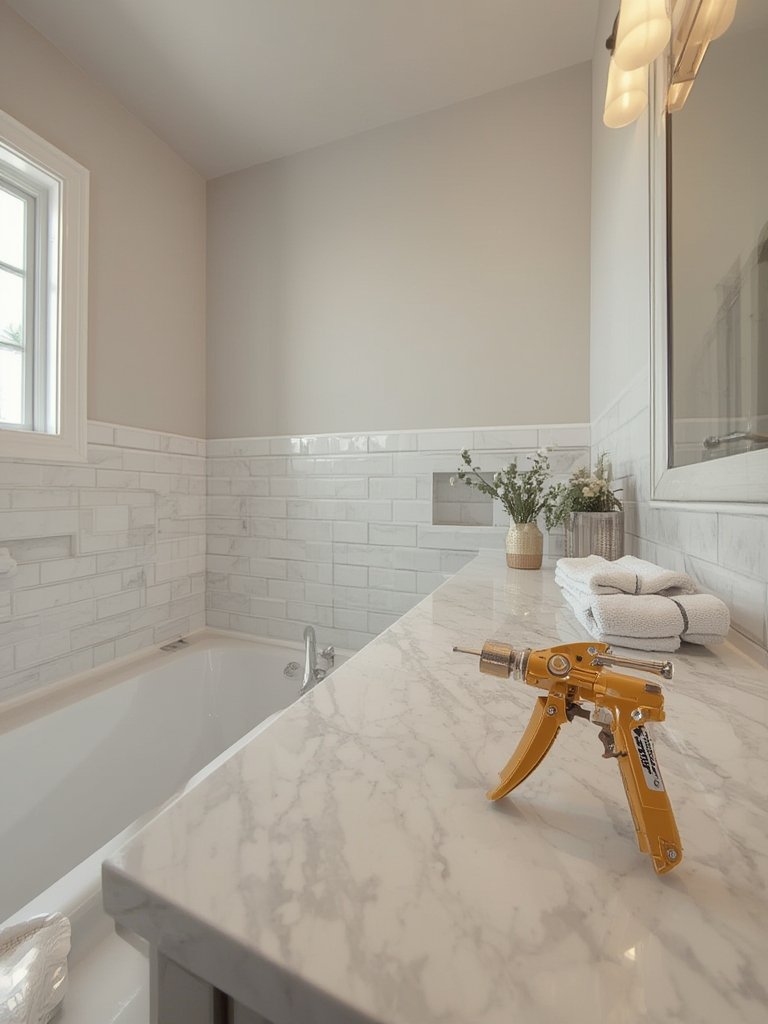
The Tajima caulk gun earns its reputation as a go-to tool for anyone seeking precision, reliability, and comfort during caulking projects. Whether you’re a professional contractor or a dedicated DIYer, mastering correct usage, regular maintenance, and knowing brand limitations will extend its lifespan and ensure flawless results.
If you want to take your finishing work to the next level, invest in a tajima caulk gun and leverage the tips above for consistent, mess-free seals. Ready to up your efficiency? Check specs, compare brands, and choose the tool trusted by experts—your hands (and your projects) will thank you.
For more guides on upgrading your toolkit, visit our actionable step-by-step content hubs like the top product recommendations or learn how a self-emptying robot vacuum can save time on cleanup between work sessions.
FAQ Section
What makes the Tajima caulk gun different from generic brands?
The Tajima caulk gun features a smoother trigger, stronger build, advanced drip control, and ergonomic handle—all designed for better accuracy and comfort. These upgrades mean less hand fatigue and fewer sealant mistakes compared to basic models.
Can the Tajima caulk gun handle adhesives as well as regular caulk?
Yes, most models support both caulks and adhesives, especially those with a high thrust ratio (such as 18:1). Always check the manufacturer’s specs to ensure compatibility with thicker products.
How do I keep my caulk gun from clogging?
After each use, wipe the nozzle clean and store the gun vertically with the tip up. For extended breaks, wrap the tip tightly in plastic wrap. Always remove hardened cartridges immediately to prevent barrel jams.
Is the Tajima caulk gun worth the higher price?
If you do a lot of sealing, the Tajima’s durability and comfort often justify the cost—especially for long-term or professional use. Occasional users might consider less expensive models, but they may miss out on the smoothness and reliability that Tajima offers.
Where can I buy replacement parts or get support for my Tajima caulk gun?
Replacement parts are typically available through authorized suppliers or specialty tool shops. For more detail, check the manufacturer’s site or explore e-commerce platforms specializing in construction tools for warranty and support information.