

Monkey wrench is a term every plumber or DIY enthusiast has heard, but the reality behind its use, benefits, and problems in plumbing tasks often goes overlooked. Whether you’re choosing, using, or comparing wrenches for plumbing work, understanding the core concepts and real market facts is essential—here’s what the data and expert insights reveal for 2024.
Key Takeaways
- The monkey wrench market is projected to reach $3.42 billion by 2033, with plumbing as a major driver.
- Direct plumber complaints about monkey wrenches are rare—competition mostly comes from pipe and adjustable wrenches that offer more precision.
- Most online guides lack specific adoption rates, safety reports, and trade-level breakdowns for monkey wrench use in plumbing.
- The Core Concept: What & Why
- Step-by-Step Guide: How to Use a Monkey Wrench in Plumbing
- Advanced Analysis & Common Pitfalls
- Conclusion
- FAQ
The Core Concept: What & Why
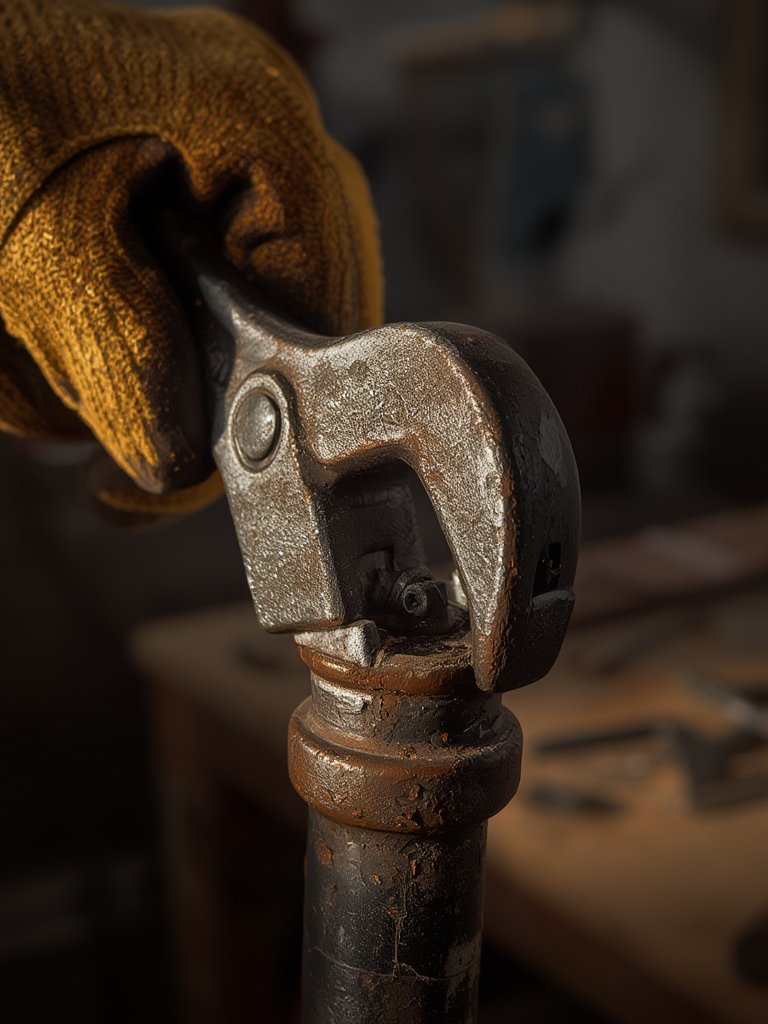
A monkey wrench is a type of adjustable wrench that allows users to grip pipes or fasteners of various diameters. In modern plumbing, it’s prized for its versatility, especially in situations where pipe wrenches or adjustable spanners may not be available. Its design—adjustable jaws, robust steel or lighter aluminum body, and simple mechanism—makes it a standby for general maintenance, emergency repairs, or as a backup when dedicated pipe wrenches aren’t required.
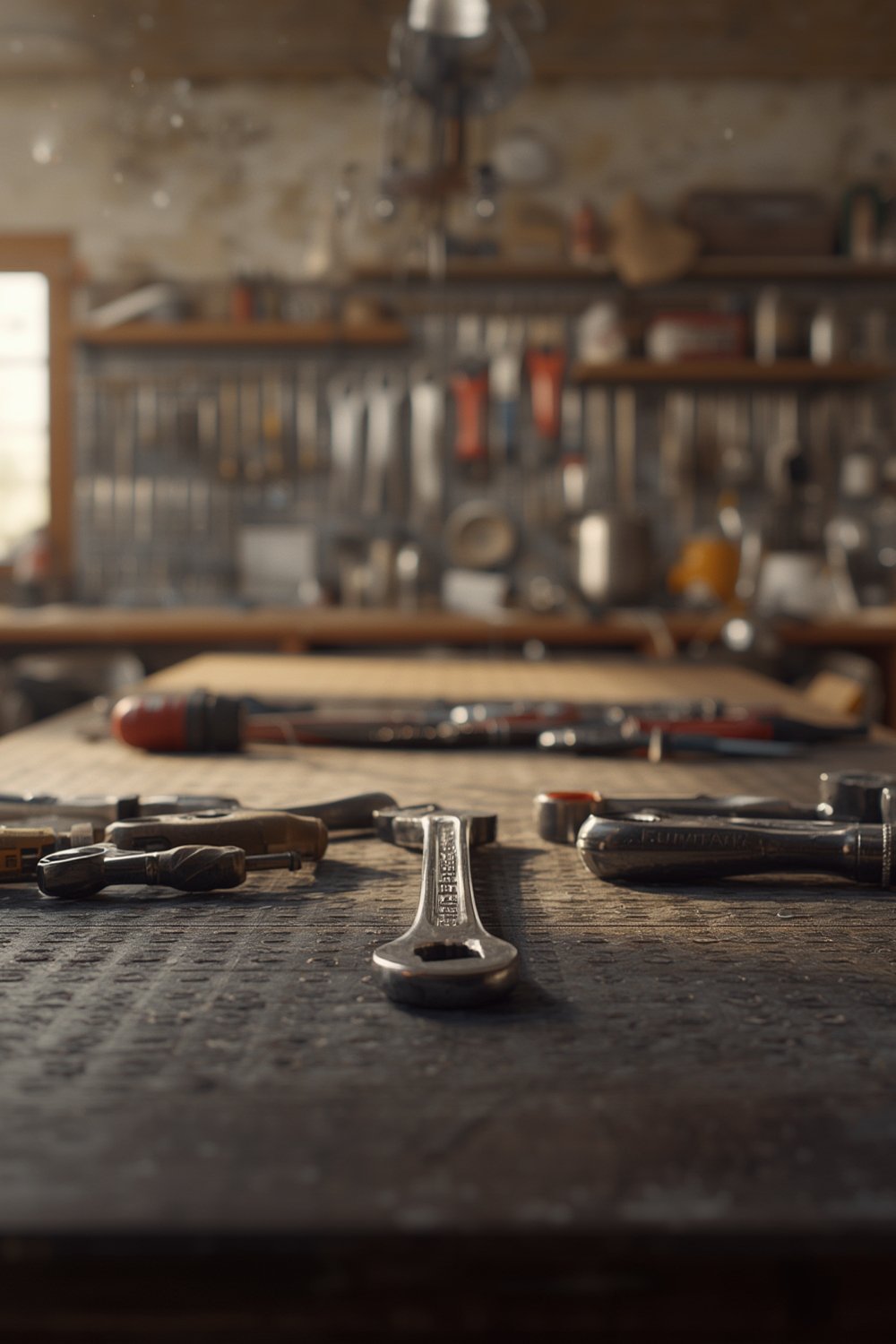
Monkey wrenches form part of the broader plumbing wrenches category, which the market estimates at over $12 billion in 2024. Within plumbing, their main appeal is general-purpose adaptability. Still, most plumbers reserve them for less demanding jobs, since pipe wrenches—with their hardened jaws—handle heavy, repetitive pipework more reliably. While modern manufacturing trends emphasize ergonomics and materials, the core utility remains unchanged: providing a quick, strong grip on pipes and fittings when precision isn’t the prime requirement.
For a hands-on overview of other essential DIY tools, check out our expert cordless drill guide.
Step-by-Step Guide: How to Use a Monkey Wrench in Plumbing
-
Select the Right Size Monkey Wrench:
- Choose a monkey wrench with a jaw capacity suitable for the pipe or fitting. Most models offer wide adjustment, but using one that’s too large can cause slippage.
- Inspect for hardened, undamaged jaws and smooth adjustment mechanisms.
-
Position the Jaws Correctly:
- Open the jaws just wide enough to fit around the pipe or fastener. Avoid overextending, as this reduces grip.
-
Secure Your Grip:
- Place the jaws squarely on the workpiece, ensuring both make full contact. Lightly test the grip by tightening before applying force.
-
Apply Steady Pressure:
- For loosening, pull steadily toward your body. For tightening, gently push away, making sure the wrench stays aligned.
-
Release and Readjust if Needed:
- If the monkey wrench slips or bites unevenly, stop, reposition, and tighten again.
-
After Use—Maintenance Matters:
- Wipe any dirt, oil, or debris from the wrench. Lightly oil moving parts to prevent corrosion, especially if using steel models in wet environments.
If you’re organizing your workspace for better efficiency, try these garage cabinet solutions or see our guide for precise wood cuts using table saws.
Advanced Analysis & Common Pitfalls
Despite their name recognition, monkey wrenches are not a plumber’s first choice for every job. Here’s why users run into issues or leave them in the toolbox for specialized wrenches instead.
- Less Precision Than Pipe or Adjustable Wrenches: Spec-driven tasks demand exact fit and torque. precision adjustable wrenches offer a tighter, more reliable grip, especially on modern plumbing connections.
- Slippage on Rounded or Worn Surfaces: Without the hardened, serrated jaws of a pipe wrench, monkey wrenches can slip—potentially damaging pipes, causing workplace strain, or leading to injuries.
- Bulk and Ergonomics Issues: Classic monkey wrenches—especially steel models—can be heavy and awkward. For long jobs or tight spaces, their weight causes fatigue and can slow work.
- Competitive Disadvantages: Industry reports highlight that many plumbers are choosing pipe wrenches (valued at $785 million in 2023, CAGR 4.5%) or precision adjustable wrenches due to superior ergonomics and specialized jaws.
- Data Gaps: No direct surveys or safety data capture incidents unique to monkey wrench use. Most commentary is based on market size rather than actual plumber feedback [source].
| Wrench Type | Jaw Capacity | Material Strength | Size Range (Examples) |
|---|---|---|---|
| Monkey Wrench | Adjustable for varied pipe diameters (source) | Steel (high durability), aluminum (lighter) (source) | Not specified; general-purpose |
| Adjustable Wrench | Hexagonal nuts/pipe fittings (source) | Robust, precision-focused | 6-10 inches common |
| Pipe Wrench | Secure hold on pipes/fittings (source) | Hardened jaws, modern ergonomic materials | Not specified; infrastructure-scale |
Safety-wise, injury data tied to monkey wrenches is missing from public reports, though advances such as ergonomic handles and improved grips target reassured handling. Still, without plumber-specific usage data or feedback, users must rely on best practice and treat monkey wrenches as a jack-of-all-trades—useful, but not optimal for every job. For specialized plumbing needs, see our Seal Right tool kit breakdown or the types of measuring tools you may need on site.
Conclusion
Monkey wrenches remain a staple for general plumbing and maintenance, but their use is dropping as plumbers adopt more precise adjustable and pipe wrenches designed for today’s fittings. If you expect repeated heavy use, reach for specialty tools. But when you need flexibility and don’t want to haul a toolbox full of options, the monkey wrench still deserves a spot in your kit. Stay updated on professional tool trends through our home improvement product picks. Ready to upgrade your plumbing toolkit? Start with the right wrench for the right job, every time.
FAQ
Is a monkey wrench the same as a pipe wrench?
No. While both wrenches are adjustable, a monkey wrench has smooth jaws and is designed for general-purpose use. A pipe wrench has serrated, hardened jaws for gripping pipes and fittings more securely in plumbing jobs.
Should I use a monkey wrench for all plumbing jobs?
No. Monkey wrenches work for general tasks but lack the grip and precision of pipe wrenches or adjustable spanners on modern plumbing. Use monkey wrenches mainly as a backup or for non-critical jobs.
Are there any safety risks when using a monkey wrench?
Current reports do not document major monkey wrench safety incidents, but slippage and user strain may occur if the fit is poor. Always check jaw tightness and use the right size to reduce risks.
How has the design of monkey wrenches changed recently?
Modern monkey wrenches use lighter aluminum or advanced steel alloys, ergonomic handles, and corrosion-resistant coatings—making them easier to use and more durable in harsh environments. However, their basic function remains the same.
What size monkey wrench is best for basic plumbing?
Select a medium-sized monkey wrench with adjustable jaws that fit your most common pipes or fittings. Avoid oversized models unless needed for large-diameter work.