

Left handed drill bit tools are a specialized solution every DIYer and professional should know about for removing broken screws and stubborn fasteners quickly and safely.
Key Takeaways
- Left handed drill bits are designed to extract broken or stripped fasteners by spinning in the opposite direction of standard bits.
- Choosing the right size and technique is crucial to avoid damaging the workpiece or the drill bit itself.
- These bits can save time, frustration, and prevent costly repairs in many home and professional repair scenarios.
- The Core Concept: What is a Left Handed Drill Bit?
- Step-by-Step Guide: Using a Left Handed Drill Bit
- Advanced Analysis & Common Pitfalls
- Conclusion
- Frequently Asked Questions
The Core Concept: What is a Left Handed Drill Bit?
A left handed drill bit looks similar to a standard drill bit, but its fluting and cutting edges are engineered to rotate in the opposite (counterclockwise) direction. This feature makes them ideal for backing out broken screws, bolts, or studs that are stuck, stripped, or have snapped off inside a material. When used correctly, the reverse motion not only drills a hole into the broken piece but can actually grip and unscrew it in one motion.
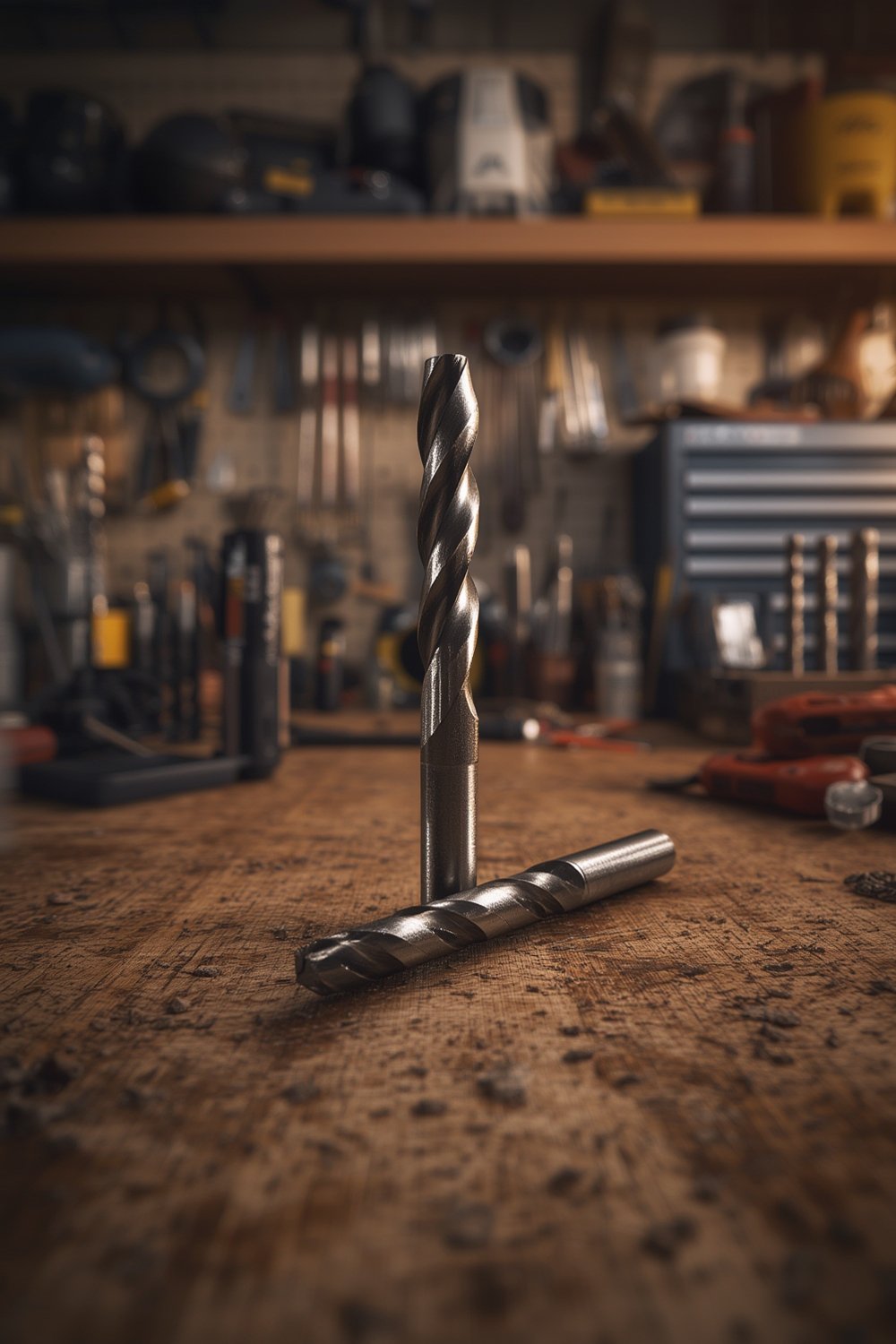
Unlike standard drill bits, which are made for regular drilling and screw insertion, left handed drill bits are an extraction tool first and a specialty drill bit second. They’re particularly useful when other removal methods have failed, as they allow you to remove the fastener without damaging the surrounding workpiece.
This concept is similar to some approaches used in other extraction tools, like a caulk removal tool for residue-free results in home projects.
Step-by-Step Guide: Using a Left Handed Drill Bit
Successfully extracting a broken fastener requires more than just the right bit. Follow these steps for the best outcome and to avoid damaging your tool or project.
- Secure the Workpiece: Clamp down the item you’re working on. This ensures safety and precision, just as you would with any plumbing repair using a monkey wrench.
- Mark and Punch the Center: Use a center punch to create a starting point on the broken fastener, minimizing bit wandering.
- Select the Appropriate Bit Size: Choose a left handed drill bit slightly smaller than the fastener diameter. For example, for a 1/4-inch broken bolt, choose a 3/16-inch bit.
- Set Drill to Reverse: Fit the bit in your drill, set it to run in reverse, and begin drilling slowly into the center of the broken fastener.
- Let the Bit Do the Work: As you drill, the bit may “catch” and begin unscrewing the fastener automatically. Do not apply excessive force—patience preserves both your bit and the material.
- If It Doesn’t Unscrew: Drill a pilot hole 1/8″ to 1/4″ deep, stop, and consider using an extraction tool in combination for extra stubborn bolts.
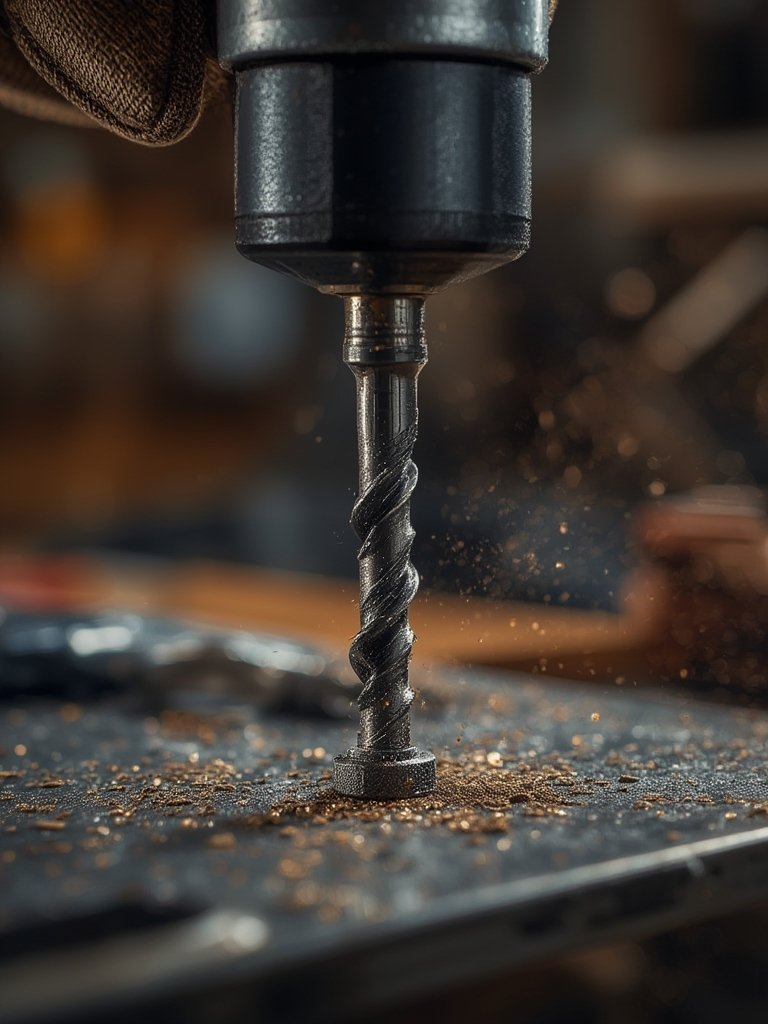
For users dealing with frequent home maintenance, investing in a quality cordless drill is sensible, as torque and speed control improve your results and protect your left handed drill bits from breaking.
A left handed drill bit can save time in tricky plumbing or electrical repairs, especially compared to alternatives like driver bits that are not designed for extraction. For more DIY tool options and comparisons, browse our top product picks and recommendations.
Advanced Analysis & Common Pitfalls
Using a left handed drill bit is not foolproof. Several issues and mistakes are common, especially among beginners or those rushing the process.
- Wrong Drill Direction: Failing to set your drill to reverse will cause the bit to tighten stuck fasteners further.
- Choosing the Wrong Bit Size: Too small and you won’t grip the broken piece, too large and you risk damaging threads or the surrounding material.
- Overdrilling: Drilling deeper than needed can weaken the workpiece or snap the bit inside, making extraction harder or impossible.
- Poor Quality Bits: Budget bits tend to dull quickly or break, especially when tackling hardened steel bolts. Investing in hardened or cobalt left handed drill bits can drastically improve success rates.
- Inadequate Safety: Bits can snap and send metal shards flying. Always use protective eyewear and keep hands away from the fastener area.
| Left Handed Drill Bit | Standard Drill Bit |
|---|---|
| Drills in reverse, designed for extracting broken fasteners | Drills in forward direction, intended for hole-making only |
| Removes screws as you drill | May drive stuck fasteners deeper if used incorrectly |
| Usually made of higher grade steel alloys for durability | Vary in material, not optimized for extraction tasks |
| More expensive per bit, fewer size options in stores | Very affordable, broad range of sizes |
Many buyers are surprised by the price difference between left handed and standard bits. Premium options can easily cost double or triple, but this is often justified by the time and hassle saved, especially when restoring valuable items or avoiding further damage.
You can find more detailed tool guides and repair advice on specialty products like Milwaukee cobalt drill bit set comparisons for tough jobs and diamond hole saw kit selection for specialty drilling applications.
Conclusion
If you’re dealing with broken fasteners, a left handed drill bit is an essential item in your toolkit. Used with patience and care, left handed drill bits help you avoid costly repairs and unexpected headaches. They unlock a reliable approach to removing broken screws, bolts, and studs without damaging the workpiece.
Ready to tackle stubborn fasteners? Choose the right left handed drill bit for your next repair and see the difference for yourself.
Frequently Asked Questions
What situations call for a left handed drill bit?
They are used when a screw or bolt breaks off below the surface or becomes stripped. The reverse drilling action helps loosen and back out the broken fastener.
Can I use a standard drill bit in reverse?
No, standard drill bits are not designed for reverse drilling and will not grip or extract a stuck screw the way a left handed drill bit will.
What size left handed drill bit should I use?
Choose a bit slightly smaller than the diameter of the broken fastener. For a snug fit, refer to the manufacturer’s size chart or start with a smaller bit and move up if needed.
Are left handed drill bits safe for all materials?
They are safe for most metals and plastics but not recommended for brittle materials like ceramic or glass. Always check material compatibility before starting.
Where can I buy high-quality left handed drill bits?
Specialty tool suppliers, hardware stores, and online retailers offer left handed drill bits. Brands known for durability and reliability typically provide better long-term value even at a higher price point.
—