

How is wood cut when ripping with a table saw? This essential woodworking technique allows you to create straight, accurate cuts along the length of a board, but it also comes with real safety risks even for experienced users. Understanding the mechanical process, common mistakes, and crucial safety steps is the key to getting clean cuts without hazardous mishaps.
Key Takeaways
- Ripping wood means cutting parallel to the grain, which requires precise setup of your table saw, a proper rip blade, and a steady, controlled feed.
- Most table saw injuries happen during ripping—mainly from blade contact and kickback—especially when proper safety gear and habits are neglected.
- Using blade guards, push sticks, splitters or riving knives, and correct technique dramatically reduces the risk of laceration and amputation.
- 1. The Core Concept: What Happens When You Rip Wood with a Table Saw?
- 2. Step-by-Step Guide to Ripping Wood Safely
- 3. Advanced Analysis & Common Pitfalls
- 4. Conclusion
- 5. FAQ
The Core Concept: What Happens When You Rip Wood with a Table Saw?
Ripping with a table saw means you’re cutting wood lengthwise, parallel to the grain, to make boards narrower. Unlike crosscutting (which goes across the grain), ripping stresses your saw, blade, and safety awareness. It’s the operation most likely to cause injury—data shows ripping accounts for about 85% of table saw accidents, with kickback and finger/blade contact as leading causes. This is why using the right technique and safety gear is non-negotiable.

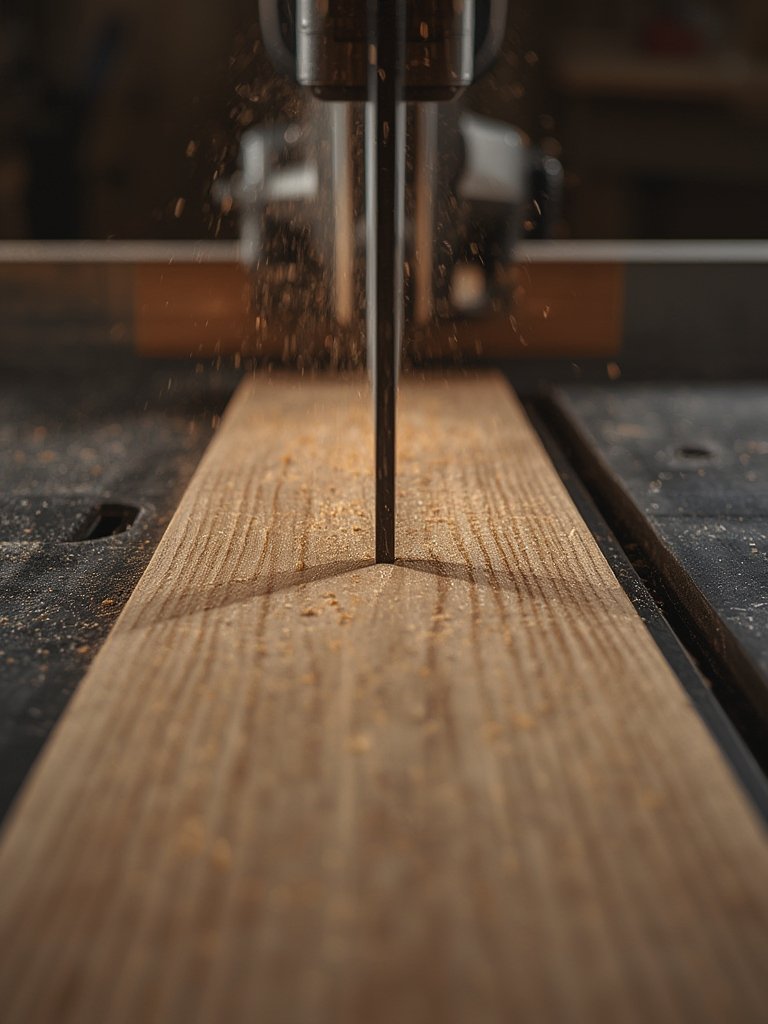
The wood moves along the fence and is pressed through the spinning rip blade. The rip blade, designed for efficient, straight cuts along the grain, ejects sawdust and removes material rapidly. Feed rate, fence alignment, and steady hand pressure are crucial—mistakes lead to burning, wandering cuts, or worse, dangerous binding and kickbacks.
Neglecting safety equipment and habits is surprisingly common. Studies indicate that in most table saw injuries, there was no blade guard, no riving knife or splitter, and a push stick was used in under half the cases. If you want consistent, accurate cuts and working fingers, prioritizing safety must come before efficiency.
Want more tips on precise tool use? See our guide to the best cordless drills for home use.
Step-by-Step Guide to Ripping Wood Safely
Follow these proven steps to rip wood with a table saw efficiently and safely:
- Inspect your table saw and workspace. Confirm the blade is sharp and properly aligned, fence is parallel to the blade, and all safety devices (blade guard, splitter or riving knife) are installed. Clear all debris from the table and ensure good lighting.
- Select the right blade. For ripping, use a genuine rip blade (typically 24-30 flat-topped teeth) built to cut along the grain. Dull or crosscut blades bog down and increase burning or kickback risk.
- Adjust rip fence and blade height. Set the fence so it’s perfectly parallel to the blade (measure front and back). The blade should rise just above the wood—usually about 1/8″ to 1/4″ above the board’s top for safety and clean cutting.
- Plan your cut direction and check the grain. Rip with the grain; avoid boards with wild grain, big knots, or defects along your cut, as these can twist, bind, and kick back.
- Use safety accessories. Always use a push stick or push block for narrow cuts (less than 6″ wide). Featherboards can help keep the board snug to the fence. Stand slightly to the side, not directly in line with the blade, to avoid the path of kickback.
- Start the saw, position yourself, and commence the cut. Let the blade reach full speed. Hold the board flat against the table and snug to the fence. Keep firm, steady forward pressure—never force or pause the feed. Maintain three points of contact: hand, fence, table surface.
- Continue feeding until the whole board clears the blade. Use the push stick/block for the final push. Do not reach past the moving blade to retrieve offcuts.
- Shut off the saw and wait for the blade to stop. Only then remove small cut pieces from near the blade. Inspect your work for burning, roughness, or accuracy and revise your technique if needed for next time.
For even better shop organization and product tips, check out our top product picks and reviews.
If you want to keep floors clear, a self emptying robot vacuum for pet hair can keep floors clear of sawdust and mess.
Advanced Analysis & Common Pitfalls
Most high-impact accidents on table saws happen while ripping wood. These are some overlooked but critical pitfalls to watch for, with data-driven context:
- Poor use or absence of safety accessories. No blade guard was present in over 65% of injury cases. Push sticks were missing in over 60% of pushing scenarios. Even if it feels cumbersome, using these tools drops your risk of serious harm dramatically.
- Kickback from poor fence alignment or lack of a splitter/riving knife. Kickback accounts for about 72% of severe injuries. Often, the rip fence is not perfectly parallel to the blade, or a splitter is missing, allowing wood to twist and catch—resulting in violent ejection of the board.
- Feeding technique failures. Forcing the feed, losing focus, and improper hand placement are frequent causes of finger injuries or poor-quality cuts.
- Wrong blade or bad maintenance. Using a crosscut blade for ripping or running a dull blade increases burning, tears out and mechanical overload, raising the odds of reactive movement and kickback.
Here’s a high-level comparison of essential ripping accessories and why they matter:
| Accessory | Purpose | Commonly Overlooked? | Expert Consensus |
|---|---|---|---|
| Blade Guard | Shields hands from blade, blocks debris, prevents accidental contact | Very often removed | Cuts injury rate substantially; should always be installed except for special cuts |
| Push Stick/Block | Keeps hands safely away from moving blade when pushing workpiece | Often omitted, especially for wider cuts | Mandatory for narrow rips; reduces finger/hand injuries dramatically |
| Splitter/Riving Knife | Prevents back-of-blade pinching and kickback | Missing on older or budget saws | Huge improvement in safety; essential for ripping |
| Featherboard | Keeps work snug against fence; aids consistent feed | Underutilized by most hobbyists | Highly recommended for better results and added safety |
Looking for more in-depth shop safety tips or modern tool picks? Discover valuable kits and accessories in our Highland Woodworking guide.
Entry-level (benchtop) saws see more reported accidents per brand, even if risk per use is technically lower than contractor or cabinet models [source]. Cabinet saws are safer partly because their fences, guards, and power systems are superior—but no saw is safe without the right approach.
Conclusion
Cutting wood when ripping with a table saw is straightforward in principle, but demands discipline, setup, and proper accessories to avoid common hazards like kickback and blade contact. Always use a rip blade, align your fence perfectly, and never skip blade guards, splitters, featherboards, or push sticks—even for a quick job. Whether your saw is benchtop or pro cabinet-grade, respect the process and stay vigilant. For more help using power tools safely and efficiently, explore additional tool guides on our blog—or reach out with your shop and project questions.
FAQ
What is the difference between ripping and crosscutting with a table saw?
Ripping cuts along the length of the wood, parallel to the grain, to make boards narrower. Crosscutting slices across the grain, shortening the board. Ripping puts more stress on the saw and presents unique safety challenges.
What safety gear is essential when ripping wood with a table saw?
Always use a blade guard, a splitter or riving knife, push stick or push block (for narrow rips), and ideally a featherboard. Protective eyewear and hearing protection are also smart choices for every operator.
Why is kickback so dangerous—and how do I prevent it?
Kickback is when a piece of wood is grabbed by the spinning blade and thrown violently back at the user. It can cause severe injury. Prevent it by keeping your rip fence parallel to the blade, using a splitter or riving knife, feeding the wood steadily, and never standing directly behind the blade’s path.
Can I use any blade to rip wood on a table saw?
No. Use a dedicated rip blade (with 24-30 flat-topped teeth) for best results. Crosscut or combo blades will burn, bog down, or increase the risk of poor-quality cuts and dangerous jams.
What can I do to make my home shop safer for ripping tasks?
Upgrade to modern safety accessories—like an auto-stop blade system if possible—keep push sticks handy, maintain your saw, and use featherboards for extra control. Learn from reliable woodworking guides and always review your tool’s manual for specific tips.