

Best smart smoke and carbon monoxide detector systems are saving more lives than ever, with smart features that catch danger quickly and keep you connected 24/7. But simply grabbing the first smart smoke or CO detector you see is not the answer: understanding the latest tech, common user frustrations, and real market data can mean the difference between real safety and a false sense of security.
Key Takeaways
- Smart smoke and CO detectors decrease risk of tragedy, but false alarms, connectivity, and battery decline remain real issues if you’re not selective.
- Market leaders vary in sensor technology, app integration, and notification styles—don’t assume all “smart” detectors meet your needs.
- Many top articles ignore crucial points like data privacy, long-term reliability, and true compatibility with your existing smart home ecosystem.
- What Is the Best Smart Smoke and Carbon Monoxide Detector and Why Do You Need One?
- How to Choose and Set Up the Best Smart Smoke and Carbon Monoxide Detector
- Advanced Analysis & Common Pitfalls: Problems, Realities, and Product Comparison
- Conclusion: The Smartest—and Safest—Choice
- FAQ: Best Smart Smoke and Carbon Monoxide Detectors
What Is the Best Smart Smoke and Carbon Monoxide Detector and Why Do You Need One?
Every year, house fires and carbon monoxide poisonings lead to hundreds of deaths and thousands of emergencies. According to the National Fire Protection Association, 60% of home fire fatalities occur in properties without a working smoke alarm. Over 400 Americans die annually from accidental CO poisoning, per the CDC. These tragedies often strike without warning, at night or while you’re away.
Smart smoke and CO detectors address those gaps. They send phone alerts if smoke or CO is detected, even when you’re not home. Top models integrate with other smart home devices—think automatic lighting or HVAC shutoff. They also reduce false alarms (the bane of traditional units) and can be checked or silenced remotely. Dual sensors—photoelectric and ionization—catch both fast flaming and slow smoldering fires, while electrochemical sensors minimize CO false readings.
Rapid technological advances make the best smart smoke and carbon monoxide detector far more effective than old, stand-alone units. Fast detection, reliability, remote notifications, and easier maintenance all add up to improved safety and peace of mind.

How to Choose and Set Up the Best Smart Smoke and Carbon Monoxide Detector
Finding the right smart smoke and CO detector isn’t a plug-and-play process. Take these practical steps to choose and install the best solution for your home.
- Check Your Local Rules and Certifications. Smart smoke and CO detectors must be UL or ETL certified in the US (UL 268 7th Edition) or EN 54-7 in Europe. Some cities require sealed 10-year batteries. Certified detectors may even get you a home insurance discount up to 15%.
- Decide Power Source and Placement. Battery-powered (typically lithium, lasting 10 years) is easiest to install. Hardwired options add backup security but may require an electrician. Place one detector per floor, sleeping area, and near (but not in) kitchens or fuel-burning appliances. See Consumer Reports recommendations for placement best practices.
- Evaluate Integration and App Features. Choose detectors that can integrate with your current smart home compatibility—Google, Alexa, or Apple HomeKit. Only some models allow this. Check if app alerts reliably reach Apple/Android, and if device health/status can be checked remotely. Pairing with a smart thermostat or Homebridge setup enhances automation but only if supported.
- Compare Features Across Brands.
- Nest Protect: Wi-Fi, app alerts, auto-testing, voice alerts, smart home integration, higher cost, no confirmed subscription fees.
- First Alert SC5/Onelink: Battery combo, smartphone alerts, can interconnect units, solid CO detection, less reliable per user reviews.
- Kidde (2023): Sealed 10-year lithium battery, Wi-Fi/app, affordable, strong dual-sensor, app-based health checks, no subs.
- X-Sense Combo: Budget, interconnected wirelessly, weak on smart platform integrations/automation.
For product reviews of other smart home devices, see our top product picks and recommendations hub.
- Install and Test Thoroughly. Follow the included app/setup instructions (typically QR code or companion app onboarding). Always test alarms with the app and local test buttons. If linking multiple devices, ensure cross-communication. Check for any firmware updates and enable notifications.
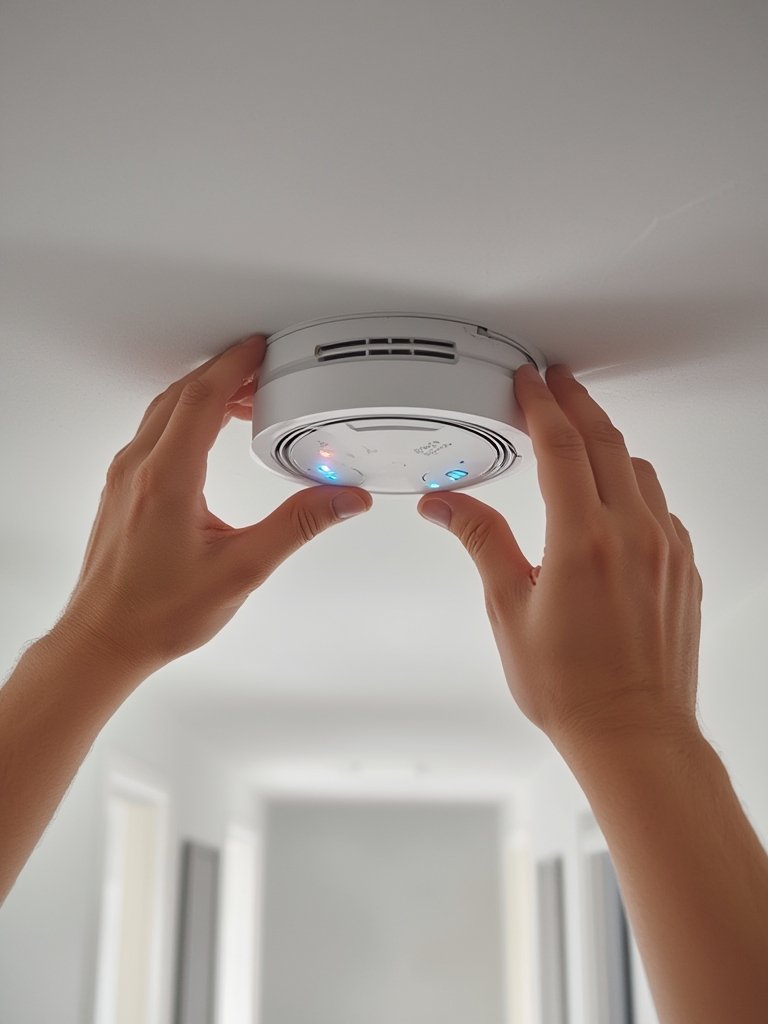
After installation, schedule routine testing using your phone’s reminder (monthly or as the device/app suggests). Some systems autodiagnose, but manual checks ensure actual sound volume and notification reliability. If you want hands-off help avoiding dust or allergens during install, check out a self emptying robot vacuum to keep work areas clean.
Advanced Analysis & Common Pitfalls: Problems, Realities, and Product Comparison
Even the best smart smoke and carbon monoxide detector will run into real-world issues if you don’t set expectations. Beware these common pitfalls:
- False Alarms: Cheap/legacy combo units are notorious for nuisance alerts. Modern photoelectric detectors have improved, but small kitchens, steam, or dust can still trigger alerts. Dual-sensor models catch more dangers but cost more.
- Connectivity Gaps: Wi-Fi dropouts mean missed alerts. Not all “smart” detectors connect reliably to apps or interconnect with other alarms. Some models don’t support Alexa/Google/Apple platforms—even if marketing promises “compatibility.”
- App Issues & Data Privacy: Many current reviews and guides skip over what exactly data is collected, where it’s stored, and who can access event notifications. Subscription-free is the norm for market leaders, but few brands share privacy practices transparently.
- Battery Decline: Even “10-year” batteries lose capacity over time, especially in high-heat environments like attics or kitchens. Signs of declining sensor performance may not trigger obvious warnings.
- Long-Term Reliability & Integration: Cheaper combos often lack firmware support or can’t be updated for new security threats, unlike premium models with auto-updates.
| Feature | Nest Protect | First Alert SC5 | Kidde (2023) | X-Sense Combo |
|---|---|---|---|---|
| Sensor Type | Smoke/CO (dual implied) | Smoke/CO combo | Smoke/CO combo, electrochemical CO |
Smoke/CO combo |
| Battery Life | Not specified | Battery-powered | 10-year sealed lithium | Battery-powered |
| Integration | Smart home (mixable) | Interconnects units, app |
Wi-Fi/app | Interconnects 5 units, no platforms |
| Notifications | Phone alerts | Phone alerts | Phone + audible | Phone + all-unit activation |
| Price per unit (2024) | Higher (benchmark) | $129 | ~$40-$70 | $40 (5-pack $200) |
Don’t forget ongoing maintenance: regular app updates, battery checks, and physical cleaning add peace of mind. If home upgrades are also in your plans, integrating this step with a home remodel company or switching to permanent outdoor lights is a smart modernization move.
What about regulations? Always check for UL/ETL or EN certifications and understand replacement cycles. Most mandates now require smart alarms be replaced every 10 years.

Conclusion: The Smartest—and Safest—Choice
Upgrading to the best smart smoke and carbon monoxide detector isn’t just about ticking a box for safety. It’s about early warnings, real reliability, and choosing tech that works seamlessly with your lifestyle—all while avoiding hidden pitfalls like false alarms or integration letdowns. Don’t settle for bare minimum features or the cheapest option. Instead, pick for proven sensor tech, solid app support, trusted certifications, and true smart home compatibility. The right smart detector does more than alert you in a crisis—it gives you ongoing peace of mind. Ready to upgrade? Research, invest, and protect what matters most.
Want to enhance your modern home setup even further? Explore smart alarm clocks for personalized wake-ups next, or review our best small space heaters for safer warmth.
FAQ: Best Smart Smoke and Carbon Monoxide Detectors
Do smart smoke and CO alarms work during a Wi-Fi outage?
Yes. All certified smart alarms will sound a traditional audible alarm if smoke or carbon monoxide is detected when Wi-Fi is down. You just won’t get phone or app notifications until connectivity resumes.
How often should I replace my smart smoke and CO detectors?
Most detectors—whether smart or traditional—should be replaced every 10 years. Even “sealed battery” units decline in performance after a decade, per industry and code requirements.
Which smart detectors are best for smart home integration?
Nest Protect and newer Kidde models offer the best integration with Google, Apple, or Alexa ecosystems. X-Sense and budget models may lack this capability or only support their proprietary app.
Are there recurring costs or subscriptions?
Major brands like Nest Protect, Kidde, and First Alert currently require no monthly or annual subscription. Always confirm for new product lines before purchase, as features can change.
What certifications should I look for when buying?
In the US, UL or ETL certification is mandatory. Europe requires EN 54-7. Make sure any detector you buy list these marks for compliance and insurance eligibility.
—