

caulk removal tool is the unsung hero for any homeowner or pro tackling grimy, cracked, or outdated caulk. If you’ve ever tried scraping away old sealant from tubs, tiles, or windows with a kitchen knife and ended up frustrated, damaged surfaces or stuck with goo, you know the value of the right tool for the job. This guide demystifies caulk removal tools—what they are, how to use them, and the real-world issues you’ll encounter.
Key Takeaways
- A caulk removal tool saves significant time and lowers the risk of tile or wall damage compared to improvised methods.
- There are key differences between manual, electric removers—each has tradeoffs in speed, comfort, and surface safety.
- Most online guides ignore crucial tips about technique and potential pitfalls, leading many DIYers to struggle or make costly mistakes.
- What Is a Caulk Removal Tool—and Why Use One?
- Step-by-Step Guide: How to Remove Old Caulk Like a Pro
- Advanced Analysis & Common Pitfalls
- Conclusion & Next Steps
- FAQ
What Is a Caulk Removal Tool—and Why Use One?
A caulk removal tool is a handheld instrument (manual or electric) designed to slice, lift, and scrape old caulk from seams, tiles, bathtubs, and windows without causing damage. Unlike ordinary knives or screwdrivers, these tools feature angled blades or specialized plastic edges that get under the bead of silicone, acrylic, or latex caulk and remove it more effectively.
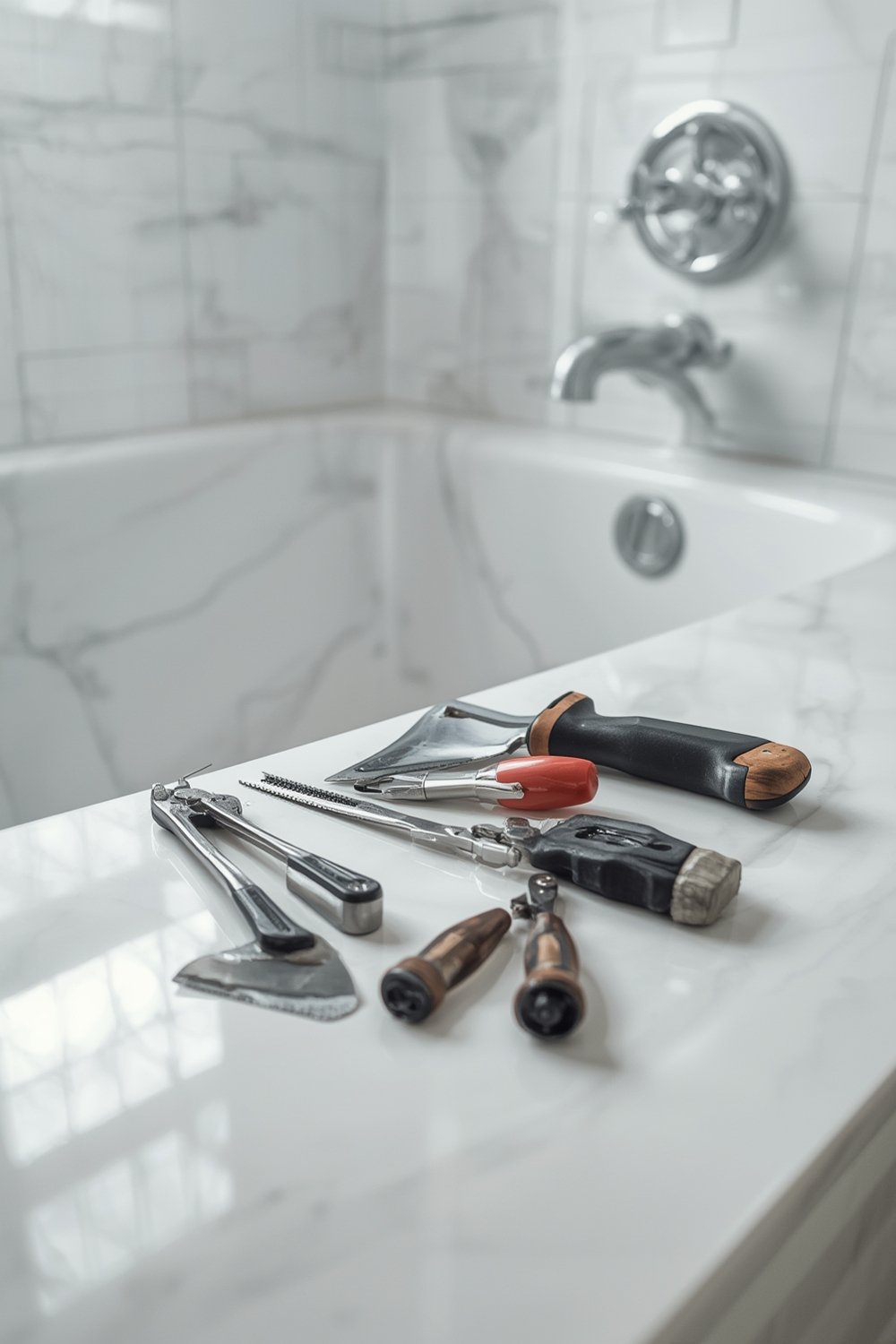
The right tool makes the removal process safer (less risk of injury), neater (minimal gouges and scratches), and much faster. Silicone caulk especially can be stubborn—often requiring both mechanical and chemical removal. When replacing caulk for mold removal, leak repair, or cosmetic upgrades, using a caulk removal tool gets professional-grade results with fewer headaches.
Choosing the correct tool is vital. Manual scrapers are simple and effective for most residential tasks; specialty designs help in tight corners or delicate surfaces; electric removers can speed up large projects but raise cost and safety concerns. For broader home improvement, check our top product picks and recommendations or learn about best cordless drill for home use to further upgrade your DIY arsenal.
Step-by-Step Guide: How to Remove Old Caulk Like a Pro
Removing caulk isn’t rocket science, but following a proven process can prevent mess, reduce surface damage, and make re-caulking much easier. Here’s how to get it done efficiently:
- Gather Supplies: You’ll need a caulk removal tool (manual or electric), painter’s tape, a utility knife for detail work, rags, and possibly a silicone caulk remover gel.
- Score Along Edges: Run the sharp edge of your tool or utility knife along both sides of the caulk bead. This breaks the seal with adjacent surfaces.
- Slide and Scrape: Hold the caulk removal tool at the recommended angle (usually 30–45 degrees) and work it under the caulk. Gently push or pull to lift away the bead in long sections. For corners, switch to tools designed for tight spaces.
- Clean Residue: Scrape away bits the tool missed, then use a chemical remover for silicone or stubborn residue, following all manufacturer safety instructions.
- Finish and Prep: Wipe the joint clean with a damp rag. Let it dry completely before applying new caulk.
If you need to use power tools elsewhere in your renovation, don’t miss our guide on the Corebilt 20V cordless drill.
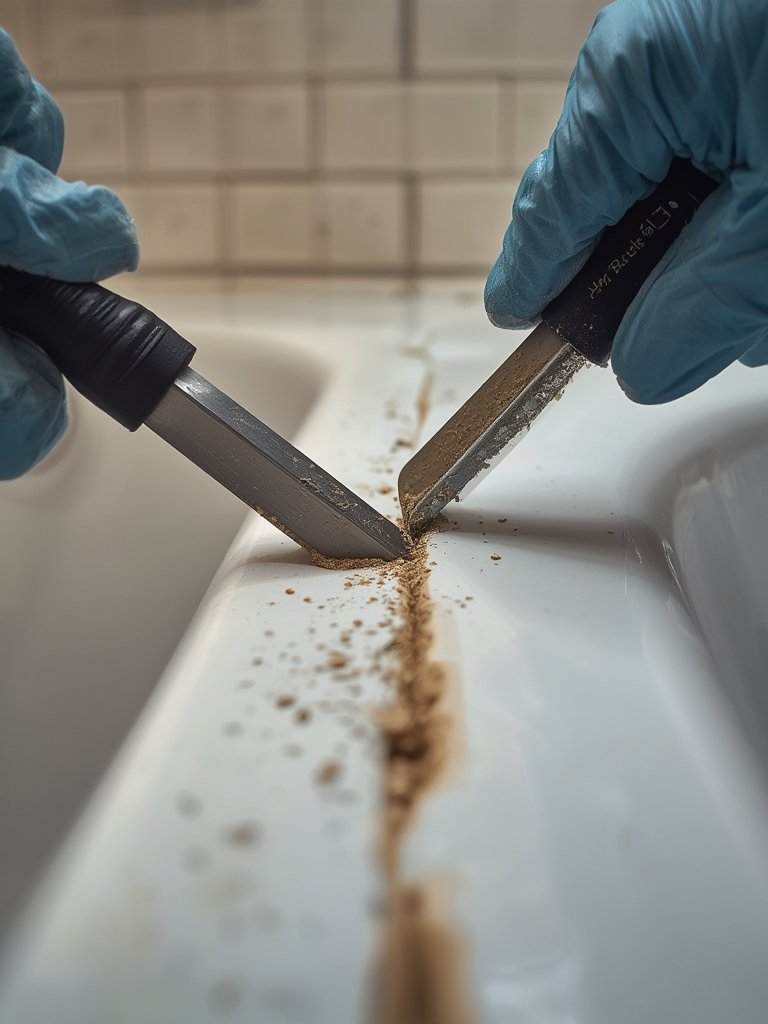
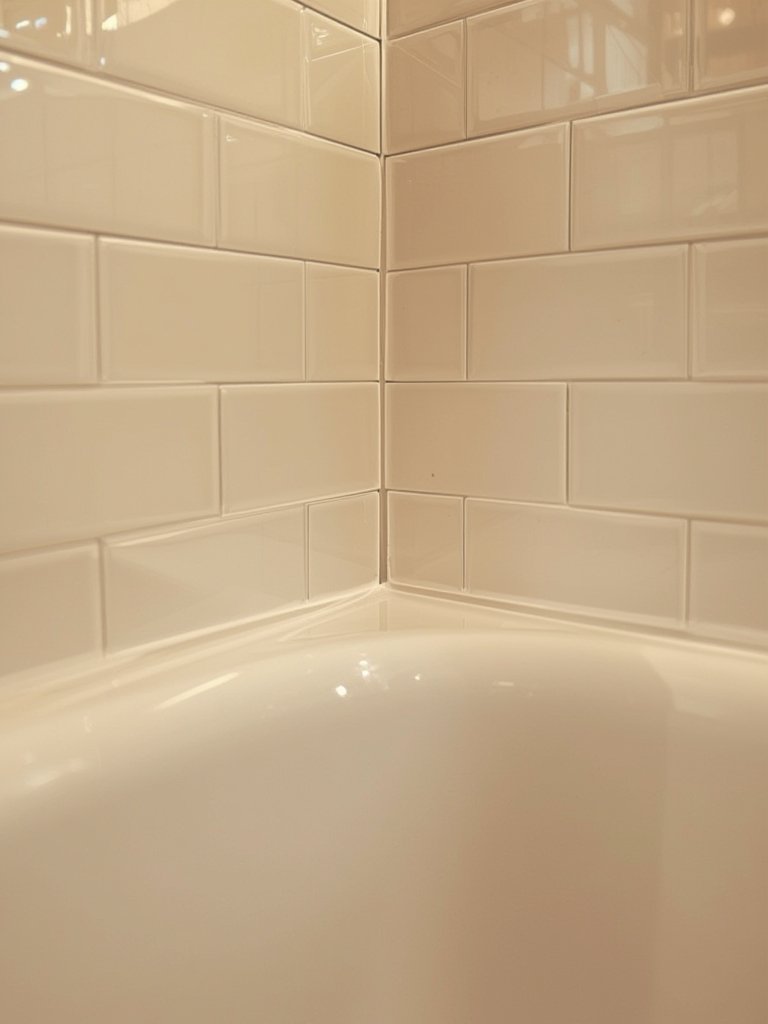
For best results, reapply painter’s tape along seams before adding new caulk to ensure crisp, straight lines. If cleaning grout lines is also on your to-do list, check out our actionable grout cleaning guide.
If you’re tackling other surface upgrades, you may be interested in our easy stick on backsplash options for a complete DIY refresh.
Advanced Analysis & Common Pitfalls
Most guides gloss over the hard realities of caulk removal. Here’s what the data (and plenty of real-world experience) reveals:
- Manual caulk removal tools are affordable and simple, but they’re slow for big jobs, and fatigue can set in quickly.
- Electric removers and specialty tools increase speed for large areas but demand extra care—more power means more risk of gouging tiles or chipping grout.
- Plastic blades are safer for delicate surfaces but dull faster; metal blades last longer but can damage soft tile or fiberglass if misused.
- Chemical silicone caulk remover gels are effective on stubborn residue but must be used with gloves and ventilation to avoid irritation—most bathroom fans won’t suffice.
- Removal in corners and tight spaces is the #1 frustration, as standard blades rarely fit. Specialty angled tools or smaller profiles solve this, but skip this step and you risk leaving old caulk, which means new caulk won’t stick.
| Tool Type | Blade Material | Speed | Suitability | Risk of Surface Damage |
|---|---|---|---|---|
| Manual Scraper | Plastic or Stainless Steel | Medium | Small–Medium Jobs, Soft Surfaces | Low–Medium |
| Electric Remover | Stainless Steel | High | Large Jobs, Tough or Thick Caulk | Medium–High |
| Specialty Corner Tool | Plastic (Usually) | Low–Medium | Corners, Edges, Tight Spaces | Low |
| Chemical Remover Gel | N/A | Low (Wait Time) | Stubborn Silicone, Final Cleanup | Very Low |
Some users try to speed up scraping with tools like oscillating multi-tools or utility blades, but these increase the odds of deep scratches or injuries. There are no broad recall issues or major consumer safety warnings for caulk removal tools, according to leading industry market reports, but always prioritize safety—gloves, goggles, and ventilation are a must. For more home safety and tech essentials, explore best smart garage door opener options for your full renovation project.
Price-wise, exact 2024 figures are scarce. Manual caulk removal tools are deeply affordable, while electric models or multi-piece kits range higher. Market data for related tool categories can be found via Emergen Research or Growth Market Reports for broader context.
Conclusion & Next Steps
Navigating old, stubborn caulk doesn’t have to mean frustration, damage, or wasted hours. With the right technique and a proper caulk removal tool, you can remove old sealant cleanly, safely, and in record time. For larger upgrades, bolster your toolkit with reliable products—our product buying guide helps you avoid buyer’s remorse. Now it’s your turn—choose your caulk removal tool, work safely, and give your bathroom, kitchen, or windows the flawless finish they deserve. If you need the best caulk removal tool for your project, don’t delay: start prepping today!
FAQ
What is the best type of caulk removal tool for beginners?
Manual caulk removal tools with angled plastic or stainless blades are perfect for beginners. They’re affordable, easy to control, and less likely to damage common surfaces.
Can I use a regular knife instead of a caulk removal tool?
You can, but it’s not recommended. Regular knives may slip, scratch surfaces, or cause injuries. Purpose-built caulk removal tools are specifically designed for safety and efficiency.
How do I avoid scratching tiles while removing caulk?
Use plastic blades on delicate surfaces, apply gentle pressure, and always run the tool parallel to the tile. Test on a hidden area first and never force the blade.
Are chemical caulk removers safe for all surfaces?
Most are safe for tile and glass but can damage painted or soft plastic. Always wear gloves, ensure good ventilation, and read safety warnings on the product label.
Should I buy a caulk removal tool kit or single tool?
For small jobs, a single tool is usually fine. Kits offer extra blades and specialty tools for corners or varied surfaces, which can be useful for bigger or recurring projects.