

Diamond hole saw kit users want clean cuts in tile, glass, or stone—without shattered material, flying debris, or wasted bits. If you want smoother holes and more reliable outcomes on DIY or job sites, this guide separates hype from reality and shows exactly how to pick and use a diamond hole saw kit for the best results.
Key Takeaways
- Diamond hole saw kit demand is surging for tile, glass, and stone projects—precision and safety are crucial for both pros and DIYers.
- User complaints focus on kick-back, bit lifespan, and issues drilling thicker or harder materials—knowing specs and technique can solve most problems.
- Choosing the right kit, prep, and technique prevents breakage, extends tool life, and delivers pro-quality holes in any rigid surface.
- 1. The Core Concept
- 2. Step-by-Step Guide
- 3. Advanced Analysis & Common Pitfalls
- 4. Conclusion
- 5. FAQ Section
The Core Concept
A diamond hole saw kit is a set of hole saw bits that use industrial diamonds on their cutting edge. These kits are engineered to cut precise holes in tough, brittle materials such as tile, porcelain, glass, granite, and stone—materials that standard high-speed steel or carbide hole saws often fail to penetrate cleanly. Diamond grit makes these tools the top choice for bathroom upgrades, kitchen backsplashes, and precision glasswork, delivering both speed and finish quality.

Why are diamond hole saw kits different? Standard kits often struggle or crack brittle tiles and glass. The diamond-edged bits—designed for either rotary drills or angle grinders—abrade through glass or stone instead of tearing, which means less risk of chipping and typically longer bit life. With strong growth in both commercial remodeling and at-home DIY (hole saw market USD 349 million in 2024, growing fast), more people than ever are investing in these kits for projects done right the first time.
But success depends on choosing the right kit, understanding key features, and applying safe, precise drilling methods tailored to your material. Let’s break it all down step-by-step.
Step-by-Step Guide
Getting professional results with a diamond hole saw kit is absolutely achievable, but you must follow the right steps and avoid shortcuts that can damage tools or surfaces.
- Choose the right kit for the job.
- Targeted material (tile, glass, porcelain, stone, etc.) determines grit size and bit design—high-performance bits are common in Europe for precision jobs.
- Look for included mandrels, adapters for your drill, long warranties, and a range of bit diameters. Kits with wider size selection pay off for mixed projects (see our product review picks for comparison).
- Prep your work surface and tools.
- Secure loose material—clamp or tape down especially if drilling glass.
- Begin with a guide bit or template if available. If not, use masking tape “X” over your drill zone.
- Use the right drilling technique.
- Start slow—drill at the lowest speed possible. Let the diamonds do the work. Rushing risks kick-back and scorched bits, a common pain point in user complaints on major retailers.
- Apply consistent, light pressure. Never force the drill.
- Cool the bit consistently. Use water (manual spraying, a sponge dam, or submerge small pieces). Re-apply as needed for longer holes.
- Clear debris and finish the cut.
- Pause to clear slurry or dust. Pull the bit out gently, clean, and re-lubricate with water.
- Complete the hole, then carefully inspect edges for chips and clean up.
- Maintain your kit post-use.
- Rinse bits thoroughly with water. Dry completely to prevent corrosion.
- Inspect diamonds and shank for wear; replace as needed.
- Store dry and organized to avoid knocks that may compromise bit life.
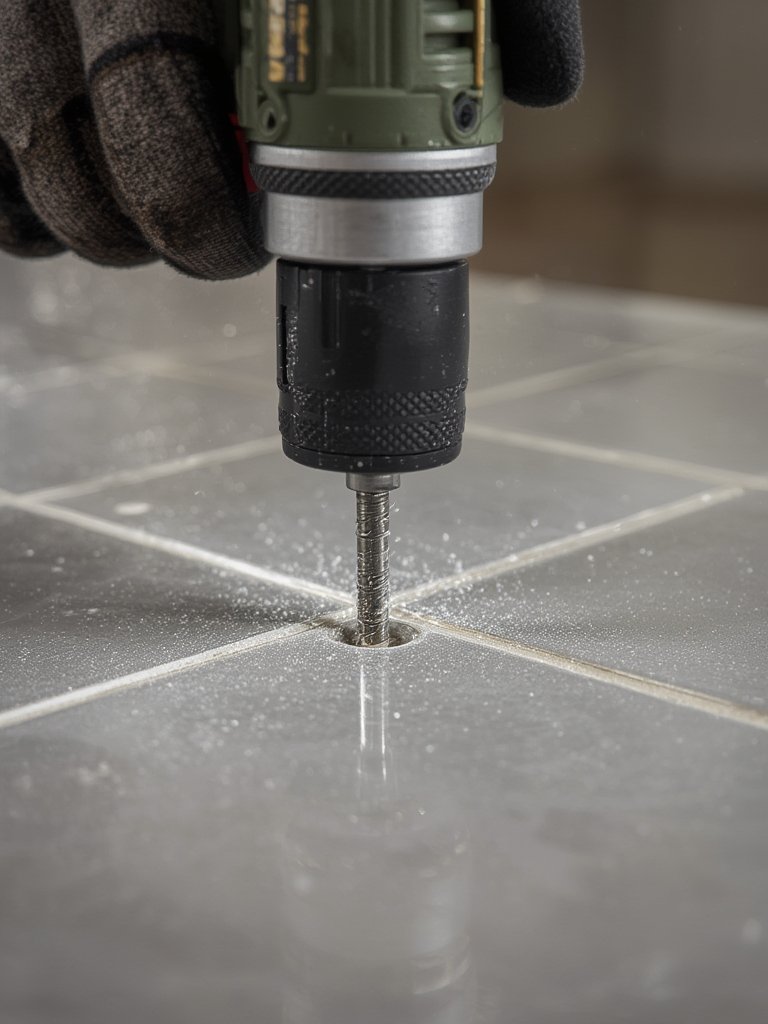
Looking to choose the right cordless drill for your kit? See our best cordless drill for home use guide for compatibilities and must-have features.
For tile installers or anyone drilling glass, the right dust collection and holding setup is mission-critical. You might consider pairing your kit with specialty tools or accessories (like a ceiling tile cutter for perfect pre-drilled panels).
Advanced Analysis & Common Pitfalls
Most negative reviews and reported failures with diamond hole saw kits can be traced back to just a few recurring mistakes.
| Problem | Why It Happens | How to Avoid |
|---|---|---|
| Kick-back or bit slippage | Starting too fast, too much pressure, or skipping a guide hole | Always start slow, use tape, and consider drill guides/mandrels |
| Chipped/broken tile or glass | Dry drilling/burning, excess pressure, or poor-quality bits | Always use water and minimal force; invest in higher grit bits for brittle surfaces |
| Premature bit wear | Drilling too fast or dry, or using for the wrong material | Cool with water, match grit to project, and maintain bit between cuts |
| Poor fit on drill/mandrel | Mismatched shank size, cheap adapters, non-standard kits | Check all specifications before purchase; avoid no-name kits |
| Confusing kit sizing/support | Low-quality kits lack size variety or clear instructions | Prioritize kits with wide diameter options and good support/warranty |
Materials you can cut with a diamond hole saw kit include tile, glass, granite, porcelain, and engineered stone. However, extra thickness or hardness will increase complexity and risk—especially if you’re not using a pro-quality kit. Always follow best practices and refer to specific kit instructions for optimal results.
Professional reviews and research agree that integrated kits with sturdy carry cases, included alignment guides, and consistent water cooling perform better for repeat use. For advanced projects in modern kitchens—like installing an organic modern kitchen or backsplash tile kitchen (detailed install tips here)—diamond kits can give a perfect finish when used right.

Common oversights:
- Skipping pilot holes or guides: Results in wandering bits and larger chips.
- Using a dry, high-speed approach on thick granite: Dooms bits to early failure.
- Mismatch with drill type: Some kits are only rated for rotary (not impact or hammer drills).
- Neglecting bit and tool maintenance: Shortens lifespan even for pro kits.
Before choosing your first kit—or investing in a replacement—compare user reviews and see what verified buyers report over long-term use. For related pro tool tips, see our DEWALT Elite impact driver bit set guide and our curated top product picks and recommendations.
Conclusion
A quality diamond hole saw kit is the simplest way to drill clean holes in tile, glass, and stone, without costly breaks or wasted time. By matching kit specs to your project, following proven drilling steps, and learning from others’ mistakes, you can achieve pro-level outcomes every time. Remember: most failures trace back to bit quality, cooling, or rushing. If you’re ready to upgrade your tools, review expert picks and comparison guides before you buy. Invest in the right diamond hole saw kit and dramatically improve any tile, kitchen, or bath project today.
Take the first step—compare leading kits, read real user reviews, and make your next hole a perfect one.
FAQ Section
What materials can I cut with a diamond hole saw kit?
Diamond hole saw kits are best for cutting tile, glass, granite, porcelain, marble, and engineered stone. Avoid using diamond grit bits on softwood or metal, as they’re designed for abrasive, brittle materials.
How do I prevent tile or glass from chipping when drilling?
Always use water as a lubricant and coolant. Start slow, tape the drill point, and avoid excess pressure. If possible, use a guide plate or template for precise, stable drilling.
How long do diamond hole saw bits typically last?
Lifespan depends on quality, material hardness, and usage. High-quality bits properly cooled with water can last through dozens of holes in tile or glass. Overheating, dry drilling, or using on unintended surfaces will shorten life dramatically.
Can I use a standard cordless drill, or do I need special tools?
Most diamond hole saw kits are compatible with standard cordless drill or corded drills on low speed—just make sure the shank size matches your chuck and never use the hammer setting. Rotary drills are best for brittle materials. For advanced users, specialty rotary tools may offer extra control.
What accessories improve diamond hole saw kit performance?
Look for a kit with multiple bit sizes, mandrels, a sturdy case, guide templates, and recommended water cooling solutions. Mandrels and guides boost accuracy, while comprehensive sizing future-proofs your kit for new projects.