

What do pneumatic tools run on? If you’ve ever handled an air impact wrench, paint sprayer, or nail gun, you’ve used pneumatic tools—but do you really know what powers them, and why most industries still rely on this approach? This guide cuts through the noise with clear, actionable insights about pneumatic tool power sources, technical requirements, safety challenges, and what most articles leave out. Let’s demystify pneumatic power so you can make smarter decisions at home or on the job.
Key Takeaways
- Pneumatic tools almost always run on compressed air—alternative power sources like CO2 cylinders are rare and application-specific.
- Understanding PSI, CFM, and compressor sizing is critical for safety, performance, and tool longevity—but specs often differ subtly between home and industrial use.
- Ignoring maintenance or choosing the wrong compressor size can result in leaks, pressure drops, and wasted energy. Reliable performance requires more than plugging in a hose.
- The Core Concept: What Do Pneumatic Tools Run On?
- Step-by-Step Guide: Powering Pneumatic Tools Safely & Efficiently
- Advanced Analysis & Common Pitfalls
- Conclusion
- FAQ
The Core Concept: What Do Pneumatic Tools Run On?
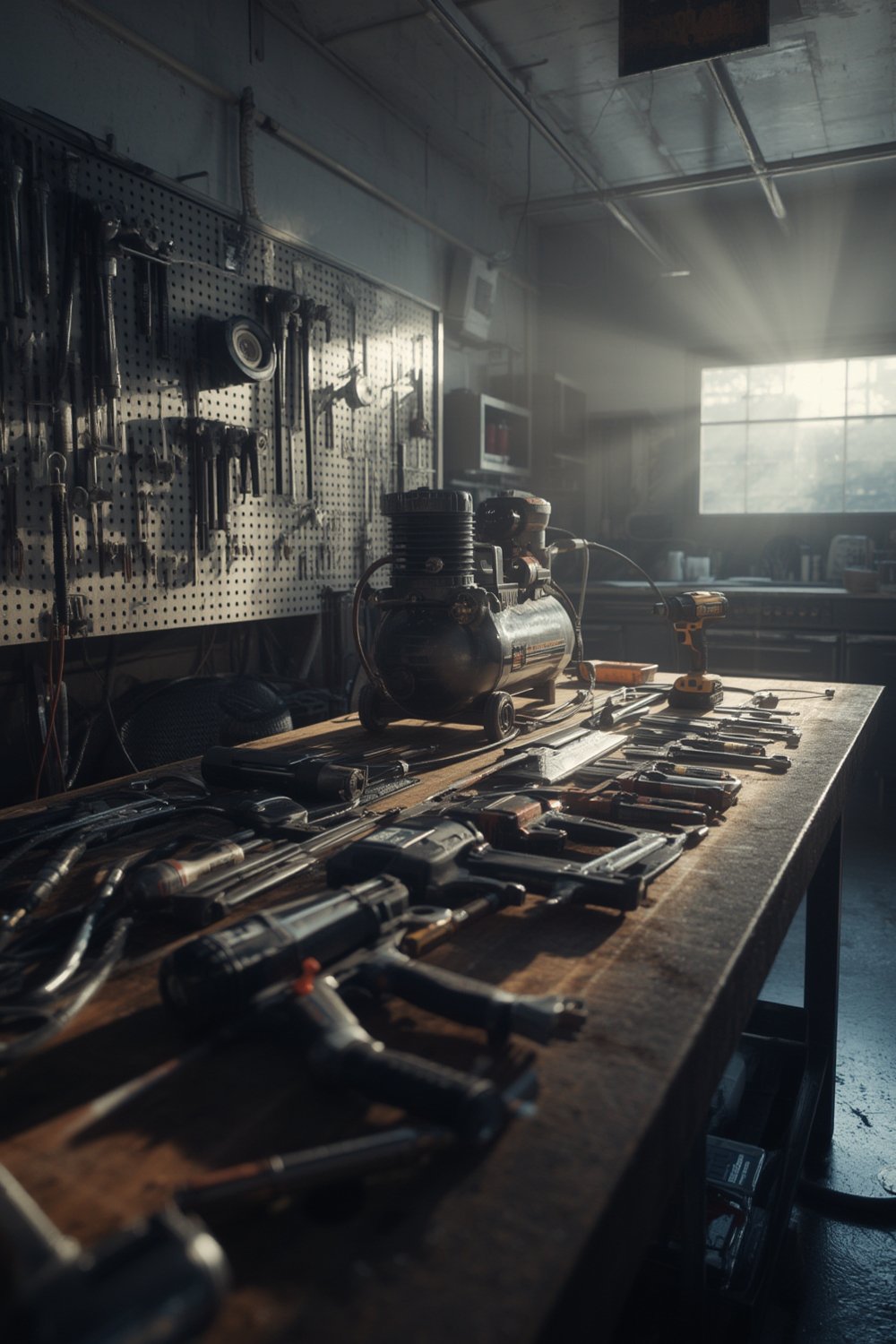
Pneumatic tools, by definition, run on compressed air. This air is supplied by a compressor or, for very certain niche situations, by portable pressurized cylinders like CO2 tanks. The overwhelming majority of pneumatic tools worldwide—whether used for automotive work, framing, demolition, or assembly—are powered exclusively by compressed air, not electricity or batteries. There’s no meaningful market split; alternatives such as compressed carbon dioxide tanks appear only in select portable or emergency scenarios, notably when lugging a compressor isn’t practical.
So why compressed air? Air is safe, omnipresent, and non-flammable. Unlike electric current, it can’t spark an explosion in hazardous environments—making pneumatic tools the top choice in oil refineries, paint booths, and anywhere volatile fumes might accumulate. According to leading market analyses from Transparency Market Research and Precedence Research, compressed air remains the main power source for industrial and construction pneumatic tools worldwide, even in 2024.
Step-by-Step Guide: Powering Pneumatic Tools Safely & Efficiently
Getting great results from pneumatic tools is about more than just connecting an air hose. Here’s how to do it the right way, every time:
- Know your tool’s air requirements. Most pneumatic tools specify a PSI (pounds per square inch) operating range—typically 58 to 87 PSI (4 to 6 bar) for standard tools, but some heavy-duty or industrial tools can require 80–175 PSI or more. Check for required CFM (cubic feet per minute) too; this reflects how much airflow your compressor must deliver.
- Size your compressor. Your air compressor has to keep up with your tools’ demand—at the right pressure and flow rate. For basic garage or home DIY, a small, portable compressor might suffice. Industrial setups or body shops may need large, stationary compressors providing 5.2–7 m³/min (183–247 CFM) at up to 175 PSI (source). Never undersize your compressor—it leads to annoying pressure drops and tool malfunctions.
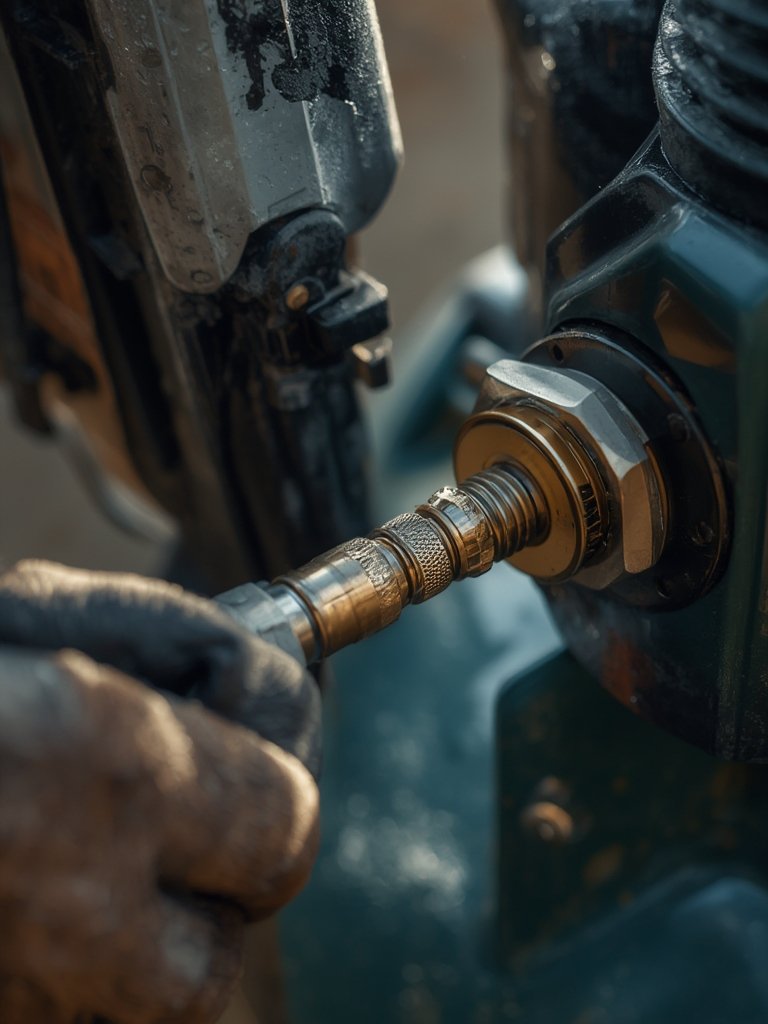
- Connect with proper fittings and hoses. Use hoses rated for your compressor’s max PSI, and match fitting sizes to maintain airflow. Too-small hoses or poor-quality couplers choke performance.
- Check for leaks and pressure consistency. Before running tools, listen and spray soapy water on connections to check for air leaks. Inconsistent pressure means you have a leak or your compressor is undersized.
- Use in safe, ventilated environments. Even though air is non-flammable, proper ventilation reduces dust and moisture buildup. Make sure hoses aren’t tripping hazards and always wear hearing and eye protection.
If you’re seeking more ways to organize your workspace and tools, check out our guide on garage cabinets for practical storage solutions.
Advanced Analysis & Common Pitfalls
Despite the appeal, pneumatic systems are not plug-and-play. Here’s a closer look at the hidden issues most users (and competitors) tend to overlook:
Common Pitfalls
- Compressor Sizing Errors
Undersized compressors can’t maintain pressure during work, leading to sluggish or inconsistent tool performance. Oversized units cost more upfront and waste energy in small shops. - Air Leaks
Even a minor leak at a hose fitting or valve can drop system pressure and overwork your compressor. Periodic leak tests are critical—but are neglected by most users. - Poor Maintenance
Ignoring compressor oil changes, filter cleaning, or draining condensation from tanks leads directly to breakdowns and tool damage. - Ignoring Technical Specs
Not matching your tool’s PSI or CFM to your compressor’s actual output remains the #1 way people damage air tools or suffer job delays. Always check these numbers (available in your manual or on the tool itself). - Limited Portability
Air hoses, bulky compressors, and the need for available power outlets limit mobility compared to battery-powered tools. Cylinder alternatives (like portable CO2) are used mostly in niche setups—such as emergency tire inflation or where lugging a compressor isn’t practical (source).
Spec Comparison Table
| Type | Typical PSI Range | Typical CFM Range | Main Use Case | Best For |
|---|---|---|---|---|
| Home/DIY Tools | 58–87 PSI (4–6 bar) | 2–6 CFM | Finishing, nailing, inflation | Garage, casual repairs |
| Industrial/Pro Tools | 80–175 PSI (5.5–12.1 bar) | 8–20+ CFM (often higher) | Wrenching, sanding, painting | Shops, factories, body work |
| Portable Cylinder (CO2) | Variable | Short bursts | Remote/emergency applications | Tire servicing, remote repairs |
Tech Innovations—Reality vs. Hype
Recent portable compressor innovations like Bobcat’s PA12.7v (using FlexAir technology) deliver more pressure and air in smaller, quieter packages, and brands like ELGi have pushed compressor efficiency forward in the past five years. But these upgrades generally improve reliability and footprint, rather than radically changing what pneumatic tools run on. Major adoption drivers for pneumatic tools remain automation and infrastructure growth—not radical power source change (source).
Pneumatic systems do cost less overtime in spark-hazard environments where safety is critical, but head-to-head cost and maintenance comparisons versus electric and cordless tools often get glossed over. The total cost equation—factoring compressor energy, maintenance, hose/fitting wear, and tool repairs—varies by usage intensity and environment. Market experts note electric tools are increasingly replacing pneumatics where reliability or portability are paramount (source).
If you’re looking for related tool advice, check out our expert picks for the best cordless drill for home use or learn about the Milwaukee 12V multi tool to compare performance and usage flexibility.

Curious about other tool innovations or trending tech for your home? Explore our emerging tech trends guide or enhance your home efficiency with a quick read on what is a smart thermostat.
Conclusion
Pneumatic tools run on compressed air—that’s the bottom line. Whether for home projects, automotive work, or full-scale industrial use, your success depends on matching tool specs to reliable compressor capacity, using quality hoses and fittings, and keeping up with basic maintenance. Remember, a poorly sized, leaking, or neglected setup leads to frustration and lost productivity. If you want to maximize tool life and get pro results, never overlook what do pneumatic tools run on or the details behind safe and efficient operation.
Ready to upgrade your workspace and keep your tools organized? Check out our essential garage cabinet guide, or browse our top product picks and recommendations for smarter everyday tools and home improvements.
FAQ
What is the primary power source for pneumatic tools?
Pneumatic tools are primarily powered by compressed air, delivered via an air compressor. Rarely, portable CO2 canisters are used for specific, remote tasks.
Can I power pneumatic tools with a CO2 or nitrogen cylinder?
Yes, but only for short-term or highly portable scenarios—for example, inflating tires far from electricity. For routine tool operation, a compressor supplying compressed air is standard.
How do I know what size compressor to buy?
Add up all tool CFM requirements you’ll use at once, then select a compressor rated for at least 25% more CFM than that number. Check the required PSI as well to match your tool’s needs.
What are the main risks when operating pneumatic tools?
Main risks include air leaks, line ruptures, inconsistent pressure, hearing damage from noise, and tripping over hoses. Use protective gear and inspect hoses and fittings regularly.
How does pneumatic tool cost compare to electric or cordless?
Pneumatic tools may offer lower tool cost and longer life in heavy use, but require a compressor and air line maintenance. Electric and cordless tools are more portable but may cost more per tool.