

Intumescent paint is revolutionizing fire protection for buildings, but many owners and contractors still underestimate its power—and its pitfalls. Whether you manage a major commercial project or want fire-resistant finishes at home, getting the facts on intumescent paint is crucial for compliance, safety, and cost control. This guide breaks down exactly what works, where projects fail, and how to use intumescent paint effectively in 2024.
Key Takeaways
- Intumescent paint meets strict fire resistance ratings (ASTM E84, E119/UL 263), outperforming regular fire-retardant paints for structural steel protection.
- Proper application—especially achieving the correct film thickness and surface prep—is critical for performance. Failures usually occur due to shortcuts in prep or process, not product flaws.
- Costs, maintenance schedules, and real-world fire performance data are underreported, making it essential to plan ahead and document every step.
- What Is Intumescent Paint and Why Use It?
- Step-by-Step Guide: Effective Intumescent Paint Application
- Advanced Analysis & Common Pitfalls
- Conclusion: What Really Matters
- Frequently Asked Questions
What Is Intumescent Paint and Why Use It?
Intumescent paint, also called reactive fire protection coating, is a paint-like material that, when exposed to extreme heat, swells to many times its original thickness, creating a carbon-rich char that insulates the protected surface. Its main purpose is to protect steel structural elements (and sometimes wood) to maintain their integrity in a fire, buying critical time for evacuation and firefighter response. Unlike standard fire-retardant paint, which merely slows flame spread on the surface, intumescent paint actively creates an insulating barrier that can achieve up to 1–2 hour fire ratings—as required by US building codes and major safety standards like ASTM E119/UL 263 (source).
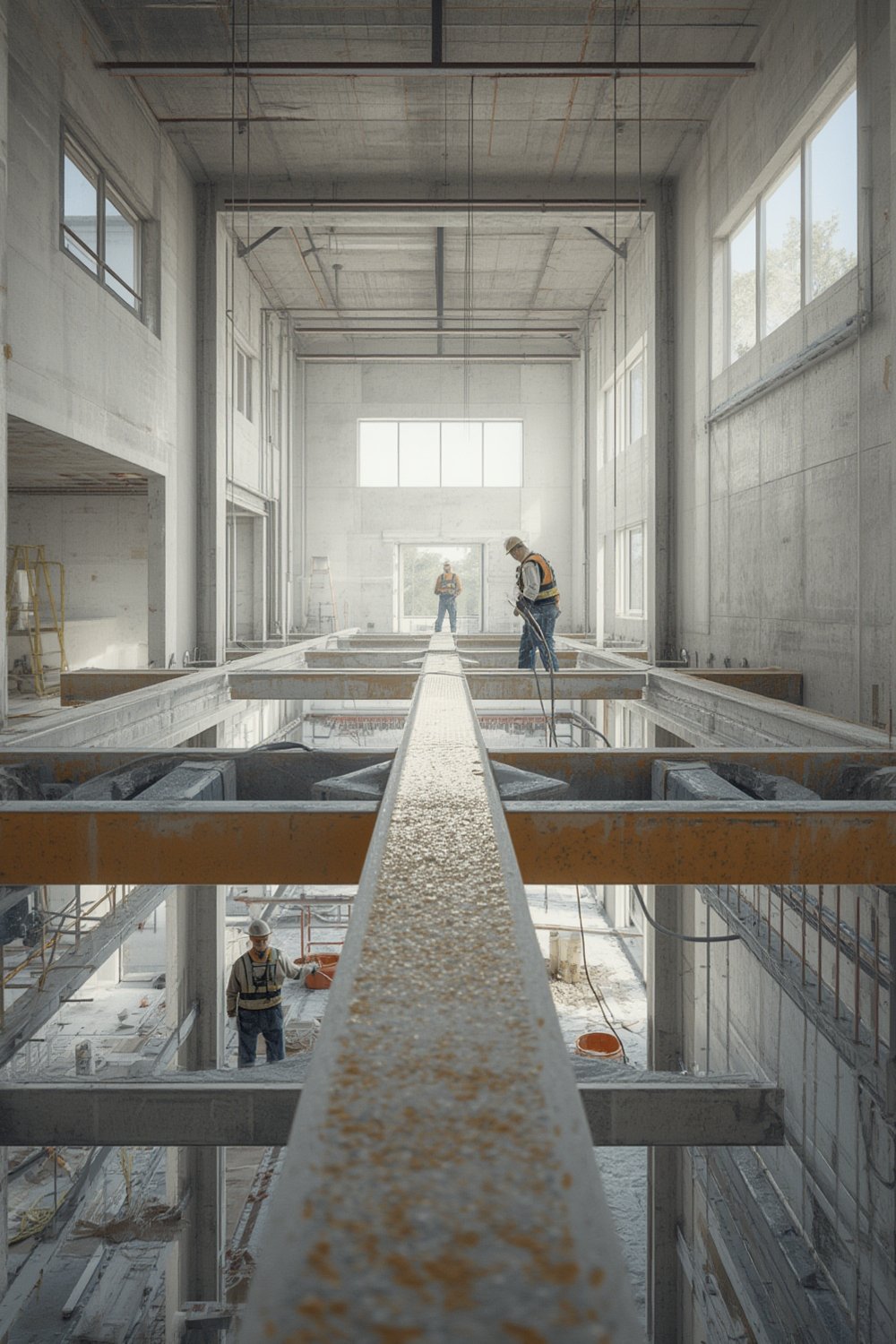
Its use is not just a matter of preference—building codes such as the International Building Code (IBC) in the US now require intumescent coatings when fire-rated protection is specified for steel structures. High-performance products like Firetex FX9502 and FX7002 not only meet but often exceed these standards while also being low in volatile organic compounds (VOCs), making them suitable for both sustainability and safety requirements (external source).
Step-by-Step Guide: Effective Intumescent Paint Application
Getting the best out of intumescent paint means going beyond just rolling it on. Correct application is essential to achieve certified fire protection, and improper process can cause early failures that are expensive or dangerous to fix later.
- Surface Preparation: Remove all mill scale, oil, rust, and old paint. Use abrasive blasting or manufacturer-recommended degreasers for steel. Poor prep is the #1 cause of adhesion failure.
- Primer Application: Apply only if required for the substrate (never use a generic primer without confirming compatibility). Make sure the primer is fully cured before proceeding.
- Mixing the Paint: Intumescent coatings are formulated to precise specifications. Stir thoroughly per label instructions. Never thin unless the manufacturer specifies.
- Application (airless spray Preferred): Apply using airless spray for even thickness, or brush/roller on small areas. Follow the manufacturer’s recommended number of coats and allow proper drying times between them.
- Monitoring Film Thickness: Continuously check both wet and dry film thickness (WFT/DFT) using gauges. Only the specified DFT assures the certified fire rating, which depends on substrate type and product used.
- Curing Process: Some products cure at ambient temperature; others require forced curing. Protect from moisture and physical damage during curing.
- Final Inspection: Perform a systematic check for film defects, bubbles, or missed spots. Document thickness readings as proof for code inspectors and insurers.
- Ongoing Maintenance: Periodically inspect for mechanical damage, rust, or signs of char spall if exposed to heat events. Plan for touch-up or recoating as paint ages (often overlooked).
For more on preparing indoor or structural projects, check out our tips for choosing the right home remodel company or upgrade your finish techniques with our cordless drill reviews—since good prep relies on proper tools.
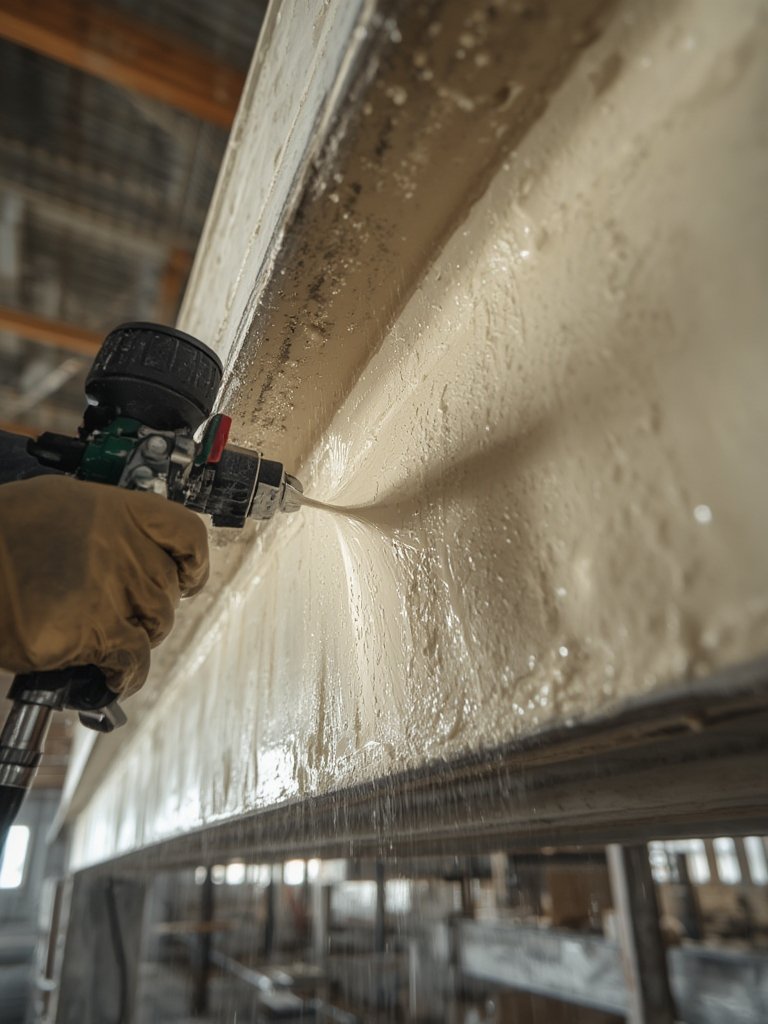
Want to avoid overlooked costs? While the exact price per square foot for intumescent paint application isn’t widely published for 2024, pro installation with certified products is usually several times that of regular paint—sometimes $4–$12/sq ft depending on surface, thickness, and market conditions. Materials alone are just one part of your real expense, so always request detailed quotes and product sheets from accredited installers (source).
For every new project, cross-check local regulations and insurance requirements for fire ratings. The US IBC and UK fire modules both endorse intumescent coatings as the standard for steel, while European jurisdictions increasingly follow similar guidelines. For wood, ensure your chosen product is certified per ASTM E2768 or equivalent (source).
Advanced Analysis & Common Pitfalls
Even with the best products, intumescent paint isn’t magic. Skipping key steps or ignoring maintenance can erase your investment—and violate building codes. Based on industry research and reported issues, here are the pitfalls that cause the most headaches:
- Adhesion Failures: Most common when surface prep or incompatible primers are used. This leads to peeling, cracking, or full delamination under heat or humidity. Never shortcut the cleaning and prep process.
- Film Thickness Errors: Applying too thin (fails to provide the advertised fire rating) or too thick (causes cracking and waste). Use gauges—don’t guess.
- Poor Curing & Damage During Curing: If dried under the wrong temperatures or exposed to impact/moisture too soon, protective properties can be compromised. Always control the curing environment.
- Maintenance Blind Spots: Very few contractors or owners check for long-term damage, rust breakthrough, or char loss after minor fires. Plan for regular inspection, especially in tough industrial or outdoor environments.
- Hidden Costs: Intumescent paint may save on structural retrofits, but material and skilled labor costs are significant—and can balloon if prep, climate, or recoating are needed mid-project.
- No Real-World Fire Data: While intumescent coatings are heavily lab tested (ASTM/UL), real incident data remains scarce. Simulated tests confirm up to 2 hours integrity, but report a performance margin of error in highly variable, uncontrolled building fires (independent source).
| Feature | Intumescent Paint | Fire Retardant Paint | Cementitious Spray/Board |
|---|---|---|---|
| Fire Ratings (ASTM E119) | 30 min – 2+ hours (on steel) | Slows spread; minimal rating | 1–4+ hours possible |
| Mechanism | Swells to expand, forms char | Does not swell; burns away | Provides thermal barrier |
| Durability/Finish | High (if protected), smooth | Low, not for structure | Very durable, rough finish |
| Cost per sq ft (est.) | $$ | $ | $$–$$$ |
| Aesthetics | Smooth, paint-like | Paint-like | Industrial, not decorative |
Curious about insulation alternatives? See what makes rockwool insulation highly rated for fire and sound protection. If you need more tips for energy and climate management, our guides on small space heaters and permanent outdoor lights might be useful for overall building upgrades.
Conclusion: What Really Matters
Intumescent paint delivers proven fire protection when properly specified, applied, and maintained. Remember: strict adherence to prep, accurate measurement of film thickness, and consistent inspection are the heart of real-world performance. Don’t just focus on lab specs—your results depend on every step from selection to future maintenance. Protect your building—and your investment—by making intumescent paint work the way it’s designed. For project checklists or help with upgrades, explore our product buying guide or find a home remodel company that understands modern safety requirements. Ready to start? Document every step and keep your compliance records up to date.
Frequently Asked Questions
How does intumescent paint actually work during a fire?
When exposed to temperatures around 500°F (260°C), intumescent paint’s chemicals react to expand and form a thick, insulating char. This char dramatically reduces heat transfer to the substrate (usually steel or wood), helping maintain load-bearing capacity and delaying structural collapse.
What happens if I don’t apply the correct film thickness?
If film thickness is too low, the paint won’t expand enough to withstand fire for the rated time. If too thick, cracking or delamination can occur. Always use wet and dry film gauges, and follow the product’s technical data sheet for the right number of coats.
Is intumescent paint suitable for residential projects or just commercial buildings?
Yes, intumescent paint can be used in residential builds, especially for structural steel or timber that must meet fire safety codes. However, products and application standards are the same—skimping on prep or quality risks both safety and compliance.
Are there any environmental or health concerns with intumescent paint?
Modern intumescent paints like Firetex FX9502 are available in low-VOC water or solvent-based formulas that meet GREENGUARD Gold and similar certifications. As with all coatings, ensure adequate ventilation during application and check for local emission standards.
Can I apply intumescent paint myself, or should I hire a professional?
Applying intumescent paint for code-compliant fire rating is best left to certified professionals. Mistakes in prep, measurement, or documentation could invalidate code approval or even insurance claims. For non-structural, decorative uses, experienced DIYers can follow manufacturer directions—but always check fire code requirements first.