

How to clean grout lines is a problem almost every homeowner faces, whether in the kitchen, bathroom, or entryway. Over time, dirt and stains settle deep into grout, making tiles look older and less hygienic. If you want truly fresh floors and walls, learning how to clean grout lines efficiently—without wasting hours or damaging your tile—is essential.
Key Takeaways
- Consistent grout maintenance saves time, money, and keeps tile surfaces looking new.
- DIY methods can be highly effective, especially if you use the right products and techniques.
- Understanding common pitfalls and realistic expectations is crucial for grout cleaning success.
- The Core Concept: What Makes Grout Lines Hard to Clean?
- Step-by-Step Guide: How to Clean Grout Lines Effectively
- Advanced Analysis & Common Pitfalls
- Conclusion: Keep Your Grout Clean and Tiled Surfaces Fresh
- FAQ: Grout Line Cleaning Questions Answered
The Core Concept: What Makes Grout Lines Hard to Clean?
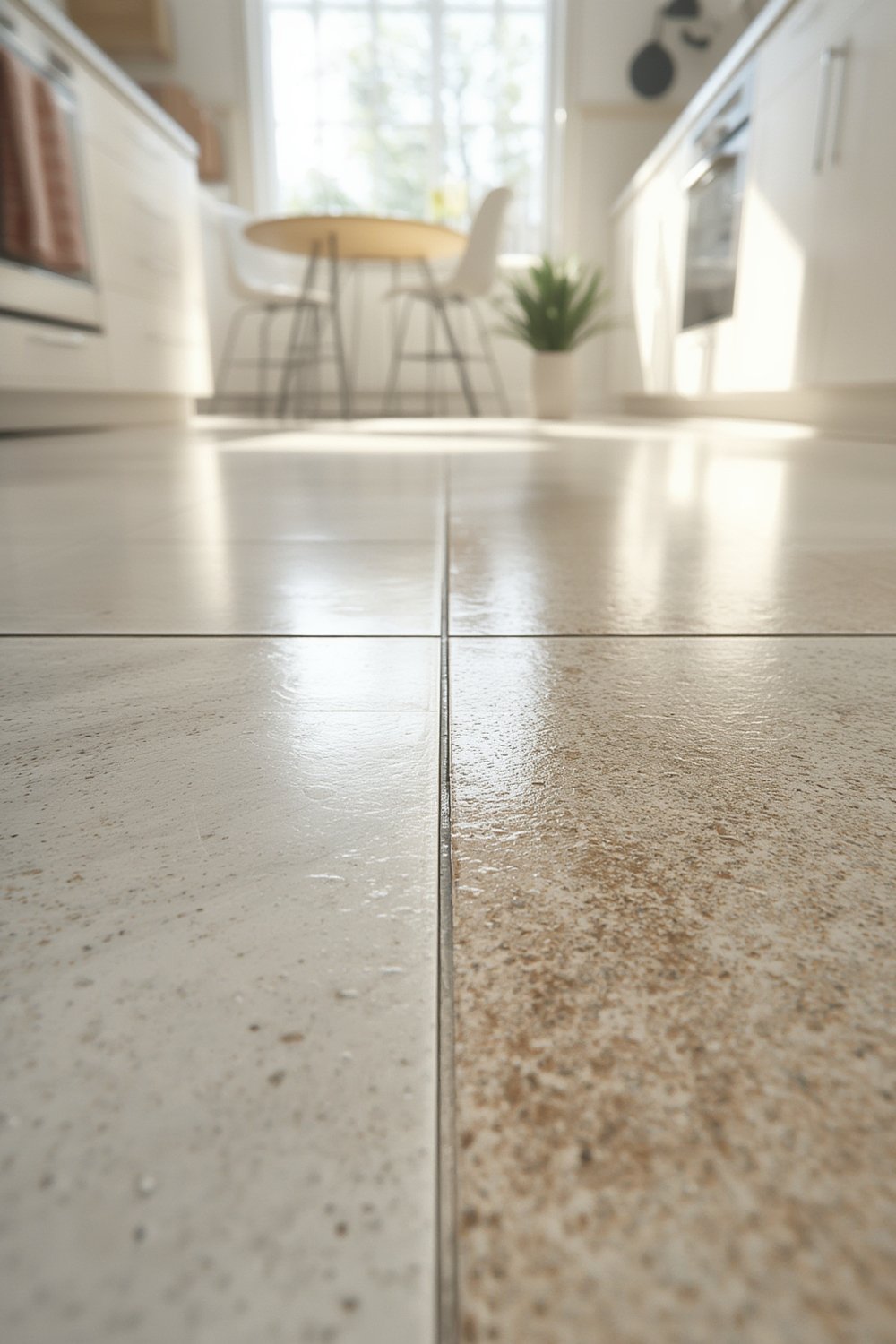
Grout lines are porous by design. This means not only do they pull in moisture, but they also absorb dust, dirt, and even mold spores more easily than tile itself. When neglected, grout can darken, crumble, or harbor unhealthy growth—even if your tiles look spotless.
Unlike slick tile surfaces, grout has a rough texture and can trap grime well below the surface. Common household spills, muddy shoes, and even pet accidents may discolor grout permanently if not cleaned up quickly. This is why learning a repeatable, powerful process for how to clean grout lines is key to keeping your space looking and feeling fresh.
Step-by-Step Guide: How to Clean Grout Lines Effectively
Here’s an efficient roadmap for successful grout cleaning, whether you’re prepping for a move, tackling a spring-clean, or staging your home.
-
Prepare the area:
- Move rugs, mats, and small furniture away from the cleaning zone.
- Vacuum or dry-sweep the tiles to remove dust and loose debris. self-emptying robot vacuum can automate this step for large or high-traffic areas.
-
Mix your cleaning solution:
- For light grime: Use warm water with a small amount of dish soap in a spray bottle.
- For moderate stains: Blend equal parts baking soda and water for a paste. Apply it directly to grout.
- For deep-set stains: Mix baking soda and hydrogen peroxide, or use a grout-specific cleaner with a neutral pH.
-
Apply solution and let it dwell:
- Spray or spread the cleaner onto grout lines, focusing on stained areas.
- Let it sit for 10–15 minutes to break up embedded grime. Don’t skip this “dwell” time.
-
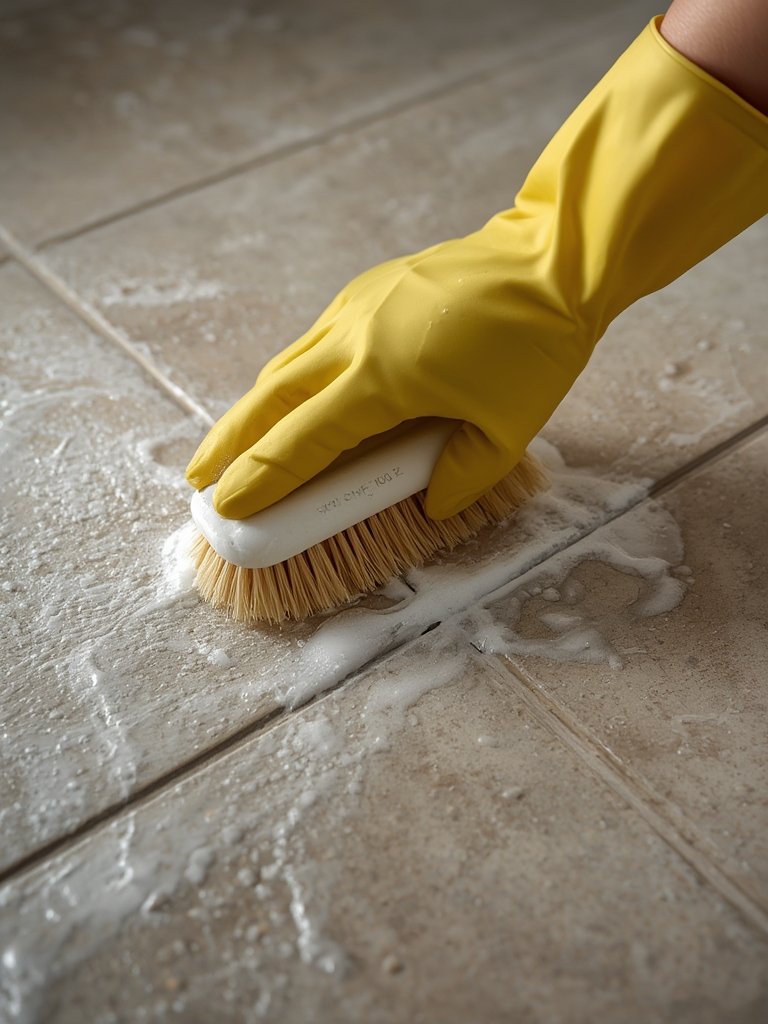
Scrub gently:
- Use a stiff-bristled brush (a dedicated grout brush or even an old toothbrush) at a 45-degree angle to avoid chipping the grout.
- For larger floors, a long-handled scrubber can save your knees and back. Oscillating tool attachments can help with tough buildup.
-
Rinse thoroughly:
- Wipe down the surface with a damp microfiber cloth or mop. Repeat with clean water to ensure no cleaning residue is left behind. Excess cleaning agents can attract more dirt if left to dry.
-
Dry and inspect:
- Pat-dry lines with a towel. Inspect for missed spots. Repeat spot-cleaning as needed before relegating to stronger chemical options.
- Apply sealer (but only after grout is fully dry):
- Grout sealer can slow down re-staining and make future cleaning easier. Re-apply every 6–12 months for best protection, especially in bathrooms and kitchens.
Check out our top product picks for effective grout cleaners and brushes. Experiment to see which approach works best on your tile type—porcelain, ceramic, and natural stone may react differently.
Want fresh floors and surfaces throughout your home? Read more about kitchen backsplash cleaning and our fan cleaning guide to keep the entire space sparkling without harsh chemicals.
Advanced Analysis & Common Pitfalls
There’s a myth that grout can ever look “brand new” after every cleaning—sometimes deep-stained or aging grout won’t ever return to its original shade. Overzealous scrubbing can also cause damage. Here are the most common pitfalls and realistic issues you might run into (not always covered in competitor content):
| Pitfall | Reality Check | Practical Fix |
|---|---|---|
| Using bleach as a “catch-all” grout cleaner | May work for white grout, but can cause yellowing, damage tile finishes, or break down grout on colored lines | Test in a small area; opt for oxygen bleach or specialized neutral-pH products for general use |
| Skipping “dwell” time | Most cleaning agents need 10–15 minutes to dissolve stains | Set a timer; patience saves elbow grease |
| Over-scrubbing with wire brushes | Steel bristles can erode grout, causing cracks or powdering | Use stiff nylon brushes or soft-bristled power tools only |
| Using too much water or failing to dry grout | Trapped moisture in grout lines encourages mold and mildew | Use minimal water; dry lines thoroughly |
| Not sealing grout after cleaning | Unsealed grout absorbs stains faster after deep cleaning | Apply grout sealer when fully dry, ideally making it an annual routine |
| Expecting DIY to look identical to new install | Set realistic goals—old grout may always look slightly aged | Consider professional recoloring or re-grouting for severe cases |
While frustrations with DIY grout cleaning are often discussed, there’s a lack of specific complaints or reviews in recent public forums, and no hard statistical data on how many homeowners are disappointed due to grout line issues, as highlighted by recent homeowner satisfaction studies and Federal Reserve research. It’s clear, though, that homeowners want cost-effective solutions and tend to prefer DIY cleaning due to renovation cost concerns (source).
It’s also worth noting that while mold and mildew in grout lines may pose health issues, current studies haven’t tracked data about household illnesses directly linked to grout. Still, using non-toxic cleaning agents where possible is wise, especially in kitchens and bathrooms.
Don’t forget—specialized tools can make a big difference. For smarter home and tool upgrades, see the best cordless drill for home use or replenish your cleaning lineup with our top product picks and recommendations for home improvement.
Conclusion: Keep Your Grout Clean and Tiled Surfaces Fresh
Learning how to clean grout lines the right way isn’t just about appearances—it’s about protecting your investment and creating a healthier home. Focus on regular, gentle maintenance and proper products. Remember, even professional-grade results have their limits depending on grout age and color. For more expert tips or smart home upgrade ideas, browse our product picks and recommendations.
Want to take action today? Start with a small section using these methods. Once you see the difference, you’ll be motivated to keep all your tile and grout looking refreshed!
FAQ: Grout Line Cleaning Questions Answered
What household products remove grout stains?
Baking soda paste, hydrogen peroxide, and vinegar can all help remove mild stains. For tougher stains, try a neutral-pH grout cleaner. Always avoid mixing cleaners together, especially vinegar and bleach.
Can grout cleaning damage my tiles?
Yes, if you use acidic or abrasive cleaners on natural stone, or scrub too hard with wire brushes, you can etch or scratch both tile and grout. Always do a spot test first and use nylon or soft-bristle brushes.
How often should I clean grout lines?
Monthly spot-cleaning is ideal for high-traffic areas. Deep cleaning every 3-6 months keeps grout in its best shape and makes maintenance much easier.
Is professional grout cleaning worth the cost?
For heavily stained or crumbling grout, professionals can save you hours and achieve better results. However, for most regular maintenance, DIY methods are cost-effective and work well if you follow the right process.
Does sealing grout really make a difference?
Absolutely. Sealed grout resists stains better and prevents moisture absorption. It also extends the life of your grout and tiles, making future cleaning easier and faster.