

Stick on backsplash Lowes is a top search for anyone seeking an easy, renter-friendly way to refresh kitchens or bathrooms without major tools or renovations. These self-adhesive tiles, available at Lowe’s, promise fast transformation—but there’s more you need to know before you buy and install. Discover real installation pitfalls, overlooked pro tips, and what to expect for long-term results.
Key Takeaways
- Proper surface prep and edge sealing are critical for any stick on backsplash from Lowe’s—rushing leads to peeling or poor adhesion.
- Placement near stoves or sinks can weaken tiles unless you use trims, caulk, or heat-tolerant products rated up to 150℉.
- Most common complaints could be avoided by checking surface compatibility—glossy, porous, or textured walls rarely work well out-of-the-box.
- What Is Stick On Backsplash from Lowe’s and Why Choose It?
- How to Install Stick On Backsplash from Lowe’s: Step-by-Step Guide
- Advanced Analysis & Common Pitfalls with Lowe’s Stick On Backsplash
- Conclusion
- FAQs about Stick On Backsplash from Lowe’s
What Is Stick On Backsplash from Lowe’s and Why Choose It?
Stick on backsplash at Lowe’s refers to peel-and-stick tiles with pre-applied adhesive that lets you update the look of your kitchen or bathroom wall—no grout, thin-set, or tile saws required. The appeal? You get a major style refresh in just an afternoon, using only basic tools and zero tile experience. Choose from classic subway, natural stone look, glass mosaic, or trending herringbone patterns, often at lower prices and with easier cleanup than traditional tiles.
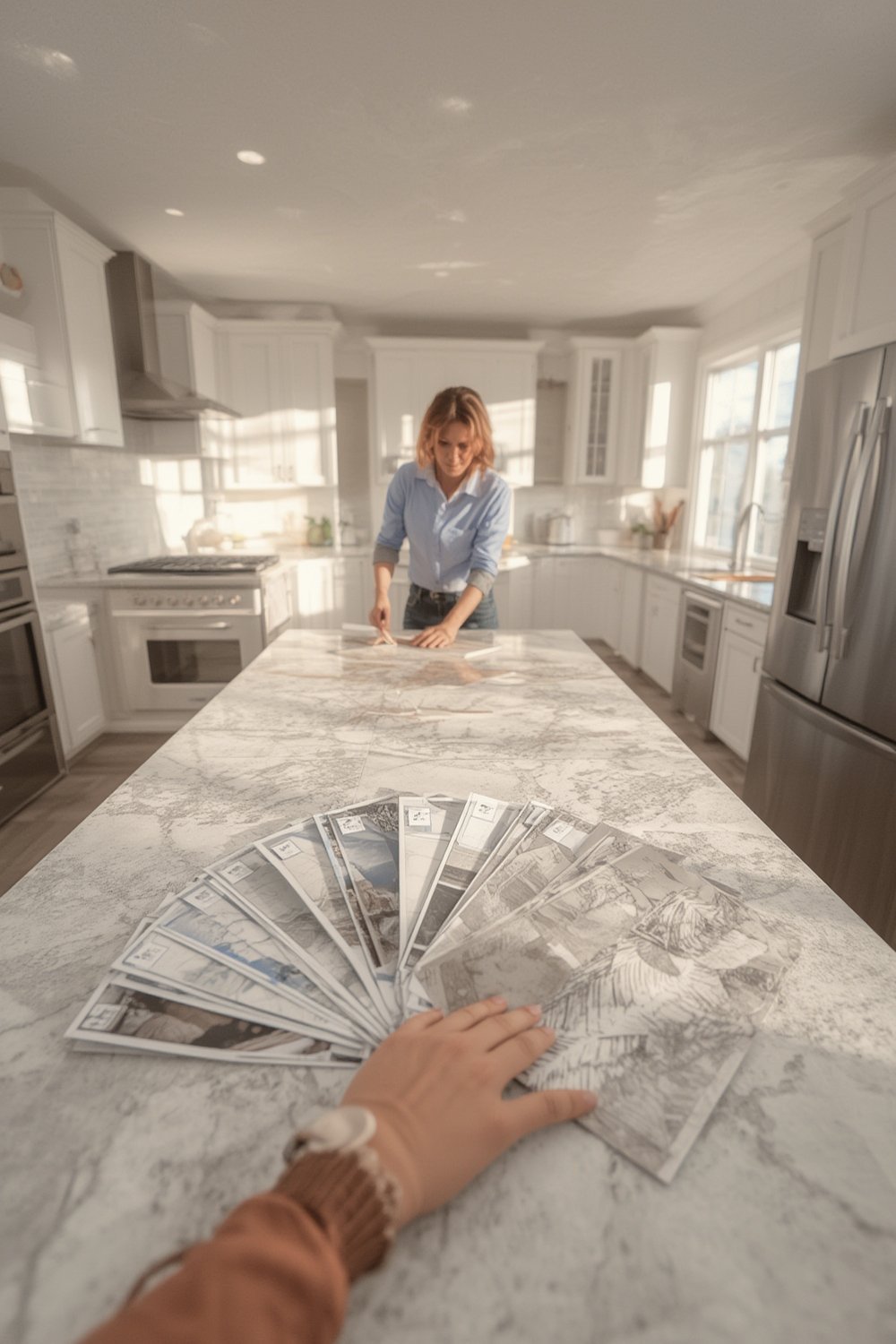
These products are popular for renters, DIYers, and homeowners afraid of commitment—or of damaging walls. Peel-and-stick tiles let you bypass complicated demo, minimize mess, and quickly cover outdated or damaged surfaces. They’re especially handy for accent walls, apartment kitchens, or budget-sensitive remodels. However, results depend heavily on following installation best practices and being honest about your wall’s texture, cleanliness, and location.
Curious about other renter-friendly upgrades? Check out the boneless couch trend or see our picks for washable spillproof rugs that pair well with a new backsplash.
How to Install Stick On Backsplash from Lowe’s: Step-by-Step Guide
Follow these actionable steps to avoid the most common headaches and get a lasting professional look.
- Assess Surface Compatibility: Peel-and-stick backsplashes must go on clean, smooth, dry, and dull walls. Avoid putting directly onto textured, rough, or glossy tile, brick, or wood. Sand down bumps and fill grooves with spackling if needed. If recently painted, let surface cure for two weeks.
- Clean Thoroughly: Use warm water and mild soap followed by a degreaser for kitchen areas. Dry completely with a microfiber cloth to ensure adhesion.
- Plan Your Layout: Mark a level starting line on the wall, especially for the first row. Dry-fit tiles to visualize the final layout and minimize visible seams.
- Measure Twice, Cut Once: Mark cut lines for outlets, switches, or ends. Use a sharp utility knife and straight edge for clean cuts.
- Peel, Stick, Smooth: Peel backing a few inches at a time. Press tiles firmly starting from the center, smoothing outward using a squeegee or roller to push out air bubbles. Be patient.
- Seal the Edges: Use caulk tape or tile trim along exposed edges, particularly near sinks or corners, to block out water and prevent premature peeling.
- Avoid Immediate Water or Heat Exposure: Hold off cleaning or running hot appliances for at least 24 hours to let the adhesive cure.
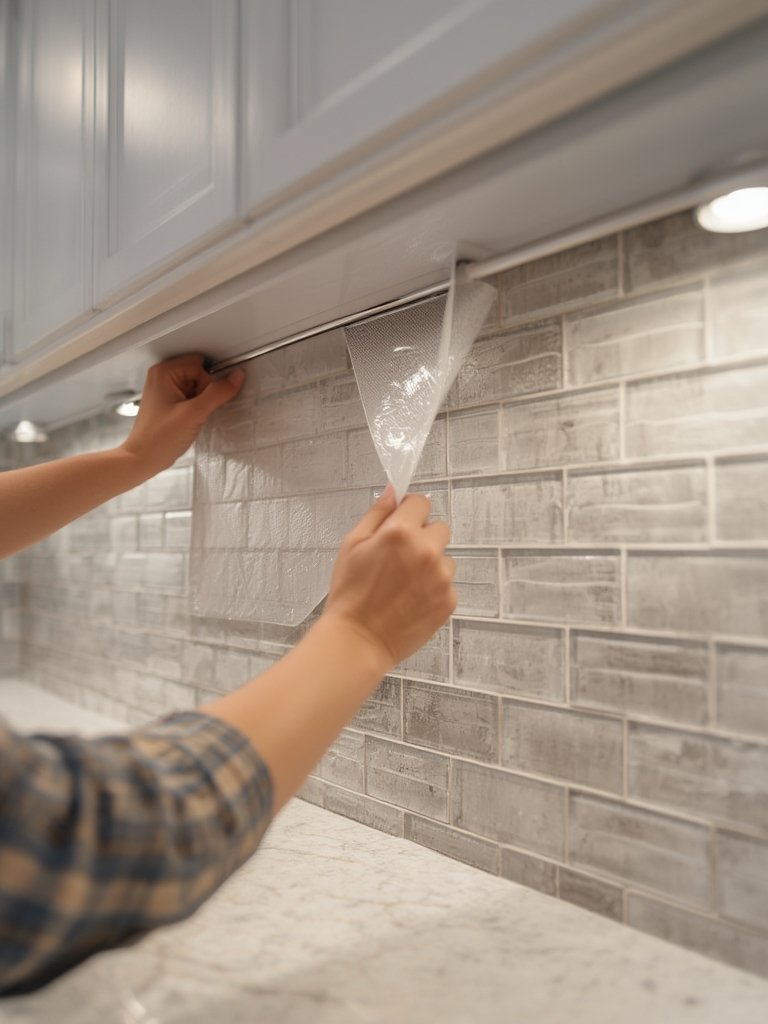
Need cut help around outlets? Use painter’s tape to mark the tile, then score lightly before snapping—never cut freehand. For deeper DIY tool comparisons, see our guide to the best cordless drills for home use.
If you’re after more kitchen upgrades, find out how organic, modern surfaces can transform your space in our organic modern kitchen guide.
Advanced Analysis & Common Pitfalls with Lowe’s Stick On Backsplash
Not all stick on backsplashes are foolproof. Here’s where DIYers often go wrong and what top competitor articles don’t tell you:
| Issue | Consequence | How to Avoid | Source |
|---|---|---|---|
| Poor Surface Prep (grease, bumps, dust, glossy paint) | Tiles peel or fall off; poor initial bonding | Thorough cleaning, sanding, degreasing, filling any grooves | Commomy |
| Air Bubbles & Misalignment | Unsightly gaps; tiles won’t look flat or seamless | Smooth from center outward; use roller or squeegee; install slow row by row | Yipscazotile |
| Ignoring Edge Sealing (no trim/caulk) | Edges lift from moisture or cleaning | Add finishing trim or caulk tape to all exposed sides | Commomy |
| Installing Near Heat (stoves, ovens) | Tiles discolor, curl, or fall off due to heat above 150°F | Leave buffer space; use tiles rated for heat as specified by brand | Apollo Tile |
| Surface Incompatibility (brick, rough drywall, glossy latex, porous wood) | Adhesive fails quickly, especially in humid spaces | Apply to smooth, clean surfaces—test before full install | Commomy |
According to user reports and general installation guidance, you should not trust self-adhesive tiles to perform well on rough or budget drywall, nor expect them to survive repeated steam or water exposure unless you intentionally seal every open edge. Placing tiles directly over existing grout lines or wall seams will likely cause lifting over time. Make sure to let recently painted walls fully cure and don’t install in shower stalls or areas with heavy splashing.
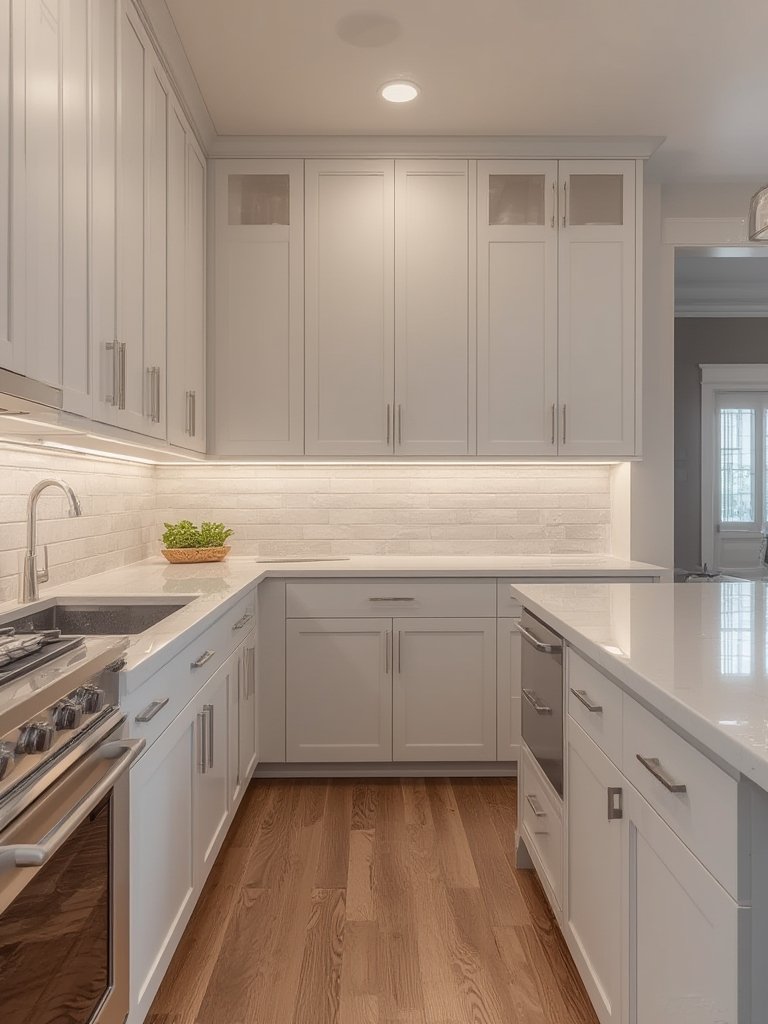
No published long-term (over a year) case studies exist for Lowe’s products specifically, but a YouTube review shows many stick-on backsplashes hold up, provided you follow prep guidelines. However, don’t expect them to be completely indestructible—edge peeling from everyday steam or cleaning is common if you skip caulking or trim.
For a broad view of backsplash style options and kitchen tile ideas, visit our main backsplash tile kitchen guide.
Conclusion
Stick on backsplash Lowes kits can upgrade your room in hours—but success depends on prep, edge sealing, and honest surface evaluation. Products are best for smooth, clean, low-moisture walls, and may need extra caulk and trim for long-term performance. When planning your next kitchen refresh, weigh these factors to avoid frustration and ensure your stick on backsplash Lowes project stands the test of time.
Ready to tackle your own project? Shop products, prep your space, and check out detailed tile tips at the Lowe’s site or in our product buying guide. Smart upgrades start with the right prep—your walls will thank you.
FAQs about Stick On Backsplash from Lowe’s
Can I install stick on backsplash from Lowe’s on textured or glossy surfaces?
No. Self-adhesive tiles work best on smooth, clean, and dry walls. Glossy, textured, or porous surfaces can cause adhesive failure, leading to lifting or tiles falling off. Sanding and priming may help, but it’s best to stick to compatible surfaces.
Are Lowe’s stick on backsplashes waterproof and heat-resistant?
Most products are water-resistant for typical kitchen splashes, but not fully waterproof or intended for shower use. Some versions tolerate heat up to 150°F—always check manufacturer specifications, avoid direct exposure to stove heat, and use caulk on edges near water.
Do I need special tools to install a peel and stick backsplash?
No specialty tools are required—just a tape measure, utility knife, level, squeegee or roller, and a microfiber cloth for cleaning. An edge trim or caulk can help seal for better longevity.
How long do stick on backsplash tiles from Lowe’s last?
With correct prep and installation, peel-and-stick backsplashes can last several years in low-moisture, low-heat environments. Edge lifting or peeling is common if placed near heat, water, or on improper wall surfaces.
Can I remove stick on backsplash without damaging the wall?
Usually yes, especially if your wall is properly primed. Use a hair dryer to soften adhesive, then slowly peel back the tile. Some residue may remain but can be cleaned with warm soapy water.
—