

How to replace a light switch is a critical DIY task that can improve both safety and style at home. But replacing a light switch is far riskier than most realize—get it wrong and you risk fire, injury, or code violations. This guide delivers step-by-step, actionable instructions, exposes common pitfalls, and unpacks the real consequences of mistakes, so you don’t blindly risk your safety or your property value.
Key Takeaways
- Replacing a light switch can be dangerous—shocks, fires, and legal trouble happen surprisingly often with DIY electrical work.
- Most guides skip over vital safety, code, and inspection steps that protect you and your home.
- Proper tools, basic electrical knowledge, and awareness of code compliance are mandatory before attempting a switch replacement.
- Understanding the Basics of Light Switch Replacement
- Step-by-Step Guide: How to Replace a Light Switch Safely
- Advanced Analysis & Common Pitfalls
- Conclusion
- Frequently Asked Questions
Understanding the Basics of Light Switch Replacement
Replacing a household light switch seems simple, but it involves hidden hazards and legal consequences. The “what” is straightforward: swapping out a faulty or outdated switch for a new one. The “why” extends beyond convenience—old switches can create shock and fire risks, and poorly done DIY jobs may lead to insurance issues, fines, or even resale complications.
In the United States, the National Electrical Code (NEC) governs how all electrical work—including something as basic as a light switch swap—must be done. Using the wrong switch type, miswiring, or failing to ensure proper grounding can violate NEC and local codes, exposing you to serious consequences (source).
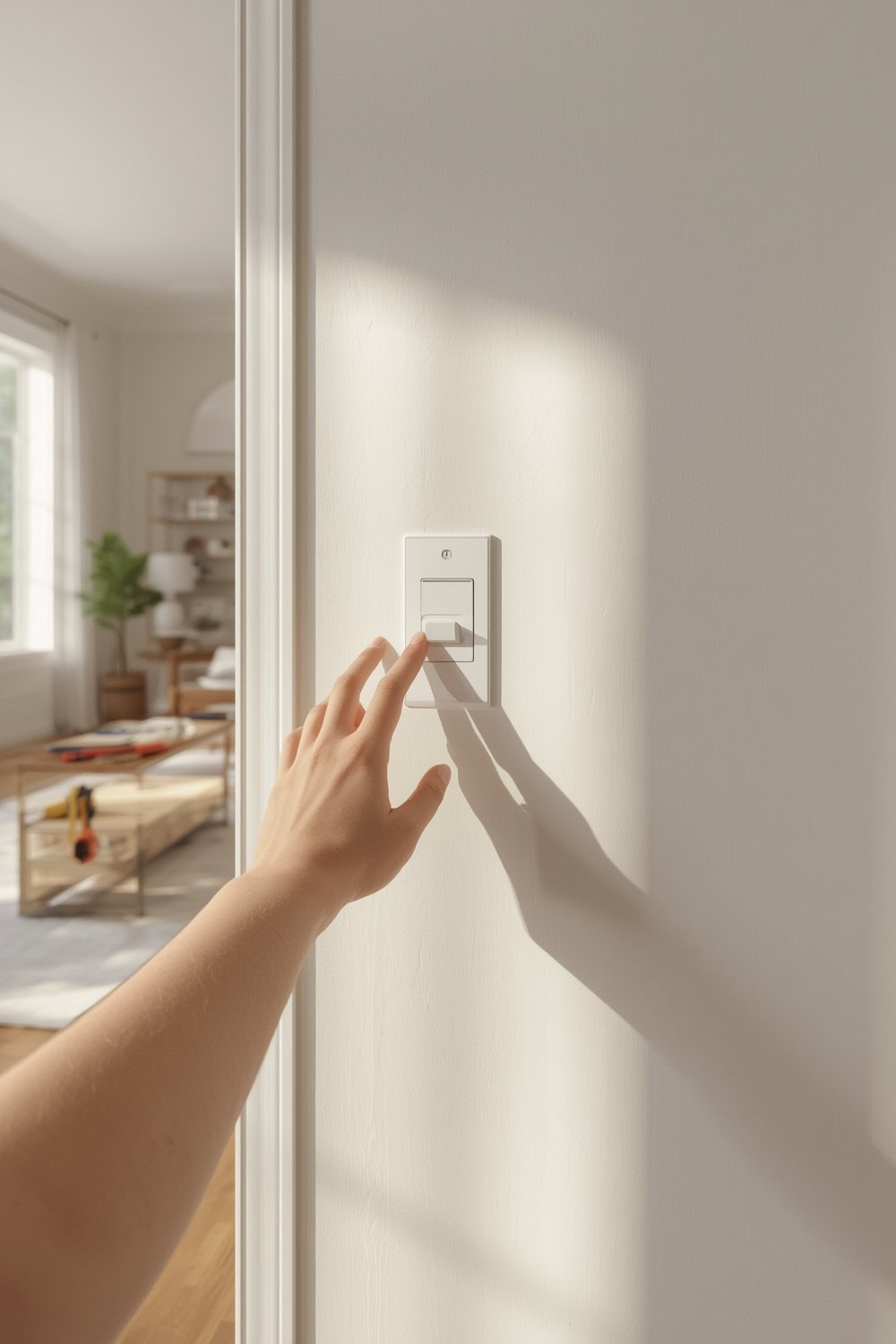
It’s not just about following directions. As highlighted by recent incident statistics, roughly 400 Americans are electrocuted yearly (many during DIY home projects), and over 25,000 electrical fires occur. Even skilled DIYers can make mistakes that don’t become apparent until a fire, insurance claim denial, or home inspection exposes them.
Before starting, always understand your local codes, required permits, and the implications for renters or homeowners. If your home insurance or lease agreement forbids electrical alterations, never proceed without professional help. For modernization projects, such as installing a smart thermostat or upgrading to smart switches, stricter safety standards often apply.
Ready to make the upgrade? Take time to learn the basics and prep your tools, or browse our cordless drill guide for essential gear used in most home improvement tasks.
Step-by-Step Guide: How to Replace a Light Switch Safely
-
Turn Off Power at the Breaker:
- Locate your home’s breaker panel and turn off the circuit controlling the light switch.
- Never rely on switch position—always cut power at the source.
-
Test for Live Wires:
- Use a voltage tester (not just a basic multimeter) to confirm that no wires in the box are live.
- Touch the tester to each wire and screw terminal; if you see a light or hear a beep, stop.
-
Unscrew Faceplate & Switch:
- Remove the decorative faceplate using a screwdriver.
- Unscrew the mounting screws holding the switch to the electrical box, then gently pull out the switch without disturbing the wires.
-
Identify Wiring:
- Snap a quick photo of the original wiring setup as reference.
- Single-pole switches typically have two terminal screws; three-way switches have three.
- Check which wire is hot (usually black or red) and which is neutral or ground (usually white or green/bare copper).
-
Disconnect Wires:
- Using insulated pliers, disconnect the wires from the old switch.
- If wires are backstabbed (pushed into holes), release them by inserting a small screwdriver into the release slot or carefully cutting and stripping the ends for a fresh secure connection.
-
Install the New Switch:
- Connect the hot wire(s) to the correct terminal(s) as per manufacturer instructions and your reference photo.
- Attach the ground (green or bare copper) wire to the grounding screw.
- Double-check all screws are tightly fastened; loose connections are a major fire risk.
-
Mount the Switch & Faceplate:
- Carefully tuck wires back into the box, mount the switch with screws, and reattach the faceplate.
-
Restore Power and Test:
- Turn the breaker back on and test the new switch.
- If it doesn’t work, immediately turn power off and double-check wiring alignment and tightness.
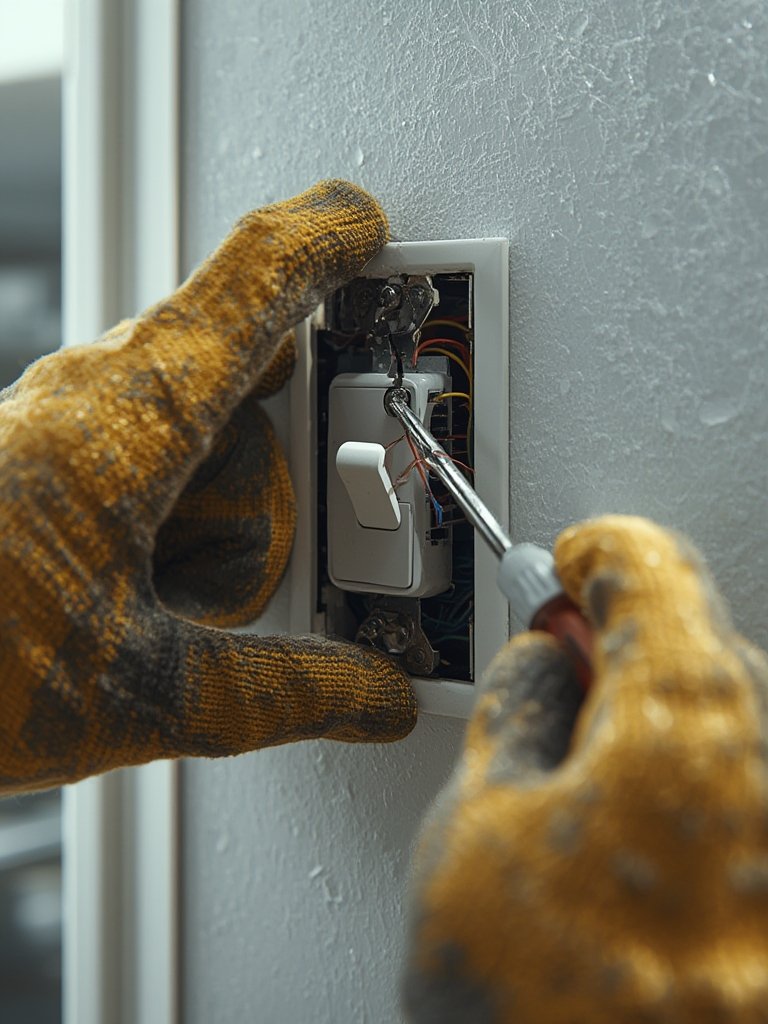
Extra Safety Steps (often skipped!):
- Wear insulated gloves, shoes with rubber soles, and keep the area dry.
- Use only professional-grade insulated tools—never basic metal pliers or screwdrivers.
- If you notice flickering, sparks, or a burning smell on power-up, turn off power immediately and call an electrician.
If you’re upgrading from a standard to a smart switch, check compatibility with wire types, your existing wiring setup, and required load—older homes may not have the required neutral wire or proper grounding.
Looking for an appliance switch or bulb guide? See our in-depth appliance light bulbs resource.
Need the right tools to complete your project? Our product guide and cordless drill review cover expert picks for every DIY job.
Advanced Analysis & Common Pitfalls
Ignoring NEC and local codes is the most common—and costly—DIY mistake. Many people attempt a light switch replacement without realizing what’s at stake:
| Common Pitfall | Risk/Consequence | Prevention |
|---|---|---|
| Not turning off power at the breaker | Severe shock, burns, fatal electrocution | Always kill power at the source, triple-check with a tester |
| Miswiring hot/neutral or load/line terminals | Non-functioning circuits, shock hazard, possible fire | Carefully label wires and follow instructions closely |
| Loose or poor connections | Arcing, sparks, wire overheating, fire risk | Tighten all terminals firmly; never reuse frayed wires |
| No proper grounding | Electrical shock, code violation | Connect ground wire securely—never skip |
| No permit or professional inspection | Insurance void, house won’t pass inspection, fines | Check local rules—get permits, schedule inspection as needed |
| Old switch or box not meeting modern code | System-wide fire or shock risk, legal liability | Upgrade any switch over 10 years old, or consult a pro |
| Overloading switches/circuits | Circuit breaker trips, overheating, fire | Never overload—understand switch/circuit ratings first |
| Missing hidden wiring issues | Flickering, partial failures, intermittent hazard | If in doubt, get wiring checked by a licensed electrician |
Permit and inspection requirements are often overlooked. Even basic work may require a permit—non-compliance puts your safety, insurance, and property value at risk (source). Tenants, in particular, should know that unauthorized rewiring often violates lease terms and can result in eviction or insurance denial.
Switch type matters. Swapping a single-pole for a three-way switch (or vice versa) is dangerous if you don’t understand the wiring differences. Smart switches may require a neutral wire and additional safety features. For a breakdown:
| Switch Type | Unique Risks | Notes |
|---|---|---|
| Single-pole | Miswiring, improper grounding | Most basic; check if box is grounded |
| Three-way | Mismatched travelers, flickering lights | Multiple switches control one light; tricky to wire correctly |
| Smart switch | Lack of neutral, app conflicts, code issues | Need compatible wiring; may not work in old homes |
Specialized tools make all the difference. Basic kits often skip insulated pliers or quality voltage testers. Skimping on gear leads to accidents—don’t cut corners. If you need more than basic electrical tools, our spirit level guide features precise measuring solutions for all home upgrades.
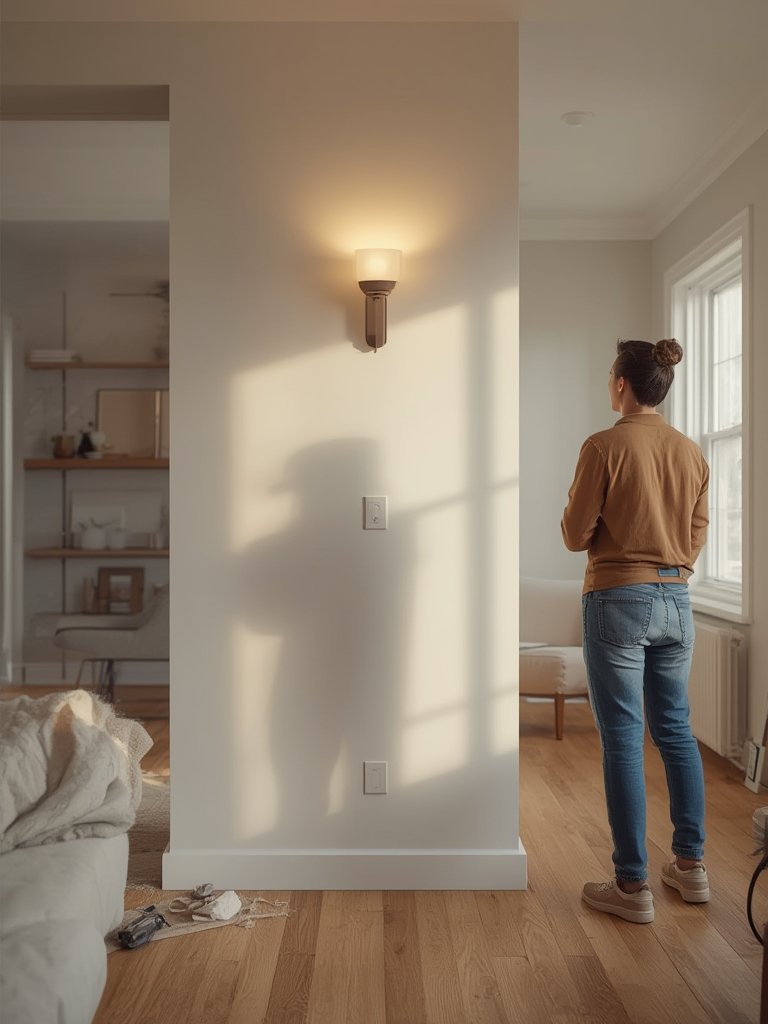
Older homes tend to hide extra risks—boxes without grounding, aluminum or deteriorated copper wiring, and brittle insulation often mean a pro should handle the job. And always check for signs of previous DIY attempts or burnt wiring behind the plate before starting.
Other guides rarely mention the resale headaches of DIY wiring: failed pre-sale inspections, legal headaches, or buyers walking away. For major upgrades or if you ever plan to sell, proper documentation and code compliance are key. See our resource on choosing the right remodel company before tackling extensive home improvements.
Conclusion
Replacing a light switch appears straightforward, but the risks are real—from hidden wiring issues and fire hazards to code violations and insurance voids. Following every safety step, using proper tools, and securing the necessary inspections are vital. If in doubt, consult a professional electrician, especially in older homes or when dealing with unfamiliar wiring. For more actionable home improvement tips and expert product recommendations, check out our top product reviews hub. Ready to refresh your lighting safely? Follow this guide on how to replace a light switch for reliable results—or call a licensed expert for complex setups.
Now, take the next step: If you need the right tools for your next project, explore our cordless drill picks or explore our guide to permanent outdoor lighting to modernize your home with less hassle. Your safety comes first.
Frequently Asked Questions
Do I need a permit to replace a light switch myself?
In many areas, a permit is required for any electrical work, including replacing light switches. Check with your local building department before starting. Skipping the permit can result in fines or issues with home resale inspections.
What is the most common mistake when replacing a light switch?
The most common DIY mistake is failing to turn off power at the breaker, which causes shocks and can result in serious injury or death. Miswiring hot and neutral wires and improper grounding are also frequent errors.
Can renters legally replace their own light switches?
Usually, no. Most leases and landlord agreements prohibit electrical alterations without permission. Unauthorized wiring may violate your lease and result in insurance issues or eviction. Always get approval before starting any electrical work.
Why do smart switches sometimes not work in older homes?
Smart switches often require a neutral wire, modern grounding, and compatible wiring standards, which many older homes lack. Attempting to retrofit smart switches without proper updates can lead to malfunction or significant safety risks.
What should I do if my new switch doesn’t work after installation?
First, turn off the power at the breaker immediately. Double-check your wiring connections against the manufacturer’s instructions and your pre-removal photo. If everything seems correct but the switch still fails, call a licensed electrician to identify hidden wiring issues.