

How to clean a fan is one of the most common maintenance tasks that often gets pushed down the to-do list, but letting dust build up can harm performance, trigger allergies, and even shorten your fan’s lifespan. Here’s how to handle every type of household fan safely and quickly.
Key Takeaways
- Ceiling, tower, box, and oscillating fans require different cleaning tools and steps—match your method to the fan type for better results.
- Neglected fans attract dust, reduce air quality, and create stubborn grime that takes longer to remove; routine cleaning is faster and safer.
- Simple gear like pillowcases, microfiber cloths, and extendable dusters can prevent motor damage and cut cleaning time by up to 30%.
- Understanding How to Clean a Fan: What and Why
- Step-by-Step Fan Cleaning Guide (Ceiling, Tower, Box, Oscillating)
- Advanced Analysis & Common Fan Cleaning Pitfalls
- Conclusion
- FAQ
Understanding How to Clean a Fan: What and Why
Effective fan cleaning goes beyond surface dusting. Fans come in several types—ceiling fans (often hardest to reach), tower fans with vertical grilles, and box/oscillating fans with removable covers. Each needs a tailored approach to avoid scattered dust, moisture in the motor, or damaged blades. Clean fans move air efficiently, reduce allergens, and last longer—neglecting the job risks performance drops of 30% or worse.
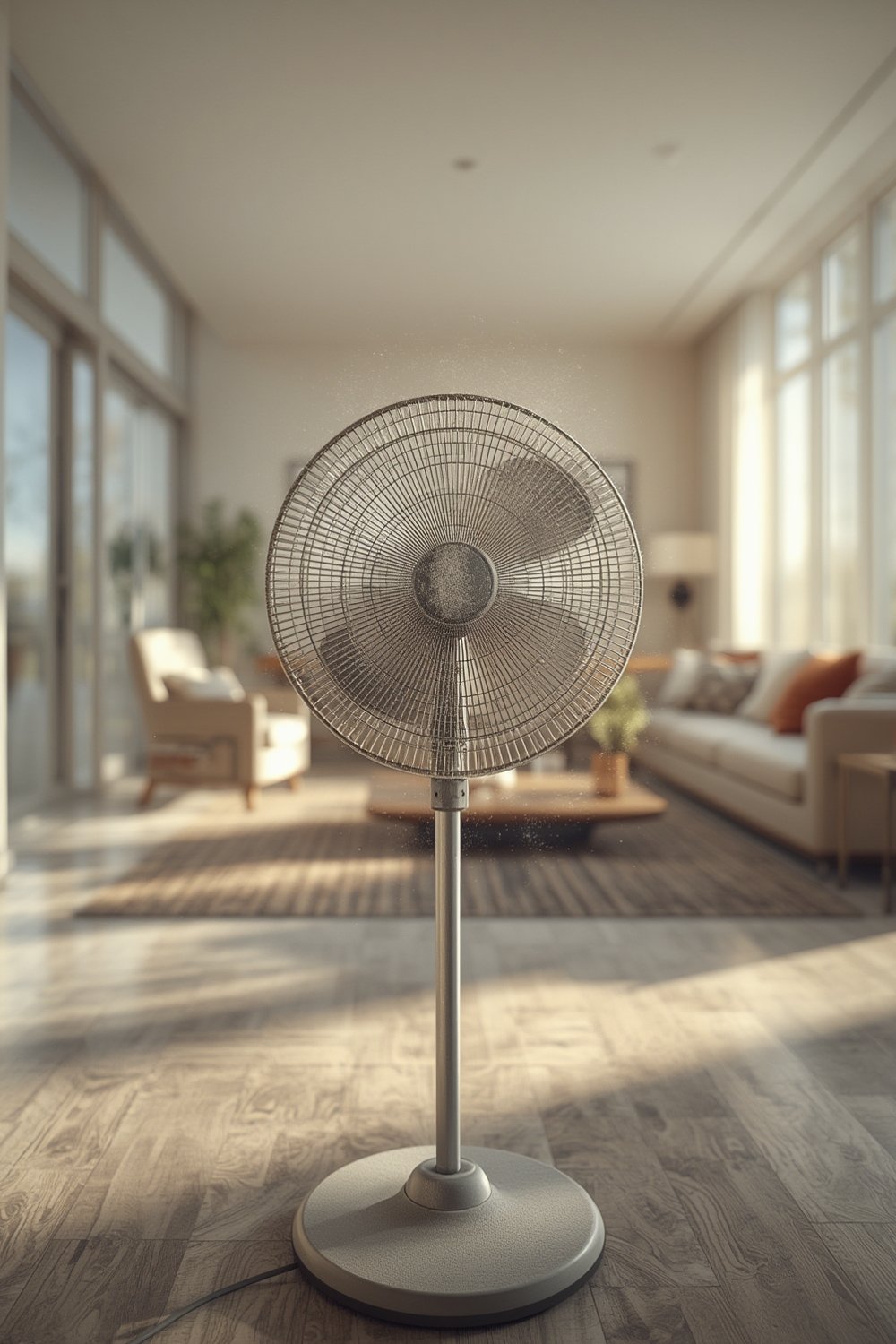
Manufacturers recommend adding cleaning to your routine, especially for ceiling fans in kitchens or high-traffic rooms. If fans start wobbling, running louder, or spreading dust, it’s time for a cleaning session. For those with allergies or pets, regular cleaning with safe cleaning solutions and vacuum brushes is even more critical.
Want a more hands-off approach to dust and dirt? A self-emptying robot vacuum for pet hair can help keep your floor clean while you focus on your fans.
Step-by-Step Fan Cleaning Guide (Ceiling, Tower, Box, Oscillating)
Here’s a no-nonsense, safe sequence for how to clean a fan—adapt each step to your specific fan style.
- Gear Up Safely: For ceiling fans, use a sturdy ladder or extension duster. Wear a mask if you have allergies. For tower/box fans, unplug the unit first.
- Blade Dusting: Wipe ceiling fan blades with a pillowcase or microfiber cloths. For tower and box fans, vacuum grilles and blades using a brush attachment to pull dust out instead of just pushing it around.
- Tackle Sticky Grime: For greasy or stubborn buildup (common in kitchens), dampen a microfiber cloth with a solution of equal parts water and white vinegar—or mild dish soap for tougher spots. Wring the cloth out thoroughly to prevent drips.
- Housing & Vents: Wipe motor housings, switches, and non-blade surfaces gently—don’t allow moisture to enter the motor. Use soft brushes or compressed air (sparingly) for vents.
- Interior Cleaning (Tower/Box Fans): Open grilles if designed for removal. Use a vacuum or canned air to clean inside. Never force open glued/fragile covers—refer to your manual.
- Dry Everything Thoroughly: Wipe down all parts with a dry cloth before reassembling or turning on. Skipping this step can lead to rust, warped blades, or even electrical issues.
- Final Inspection & Bonus (Optional): For wood blades, skip water-based cleaners on raw surfaces. For plastic blades, you can apply a thin layer of car wax after cleaning—this helps repel dust for longer intervals.
For a deeper clean or more product suggestions, check out our recent roundup of the top product picks and recommendations for home improvement and cleaning tools.
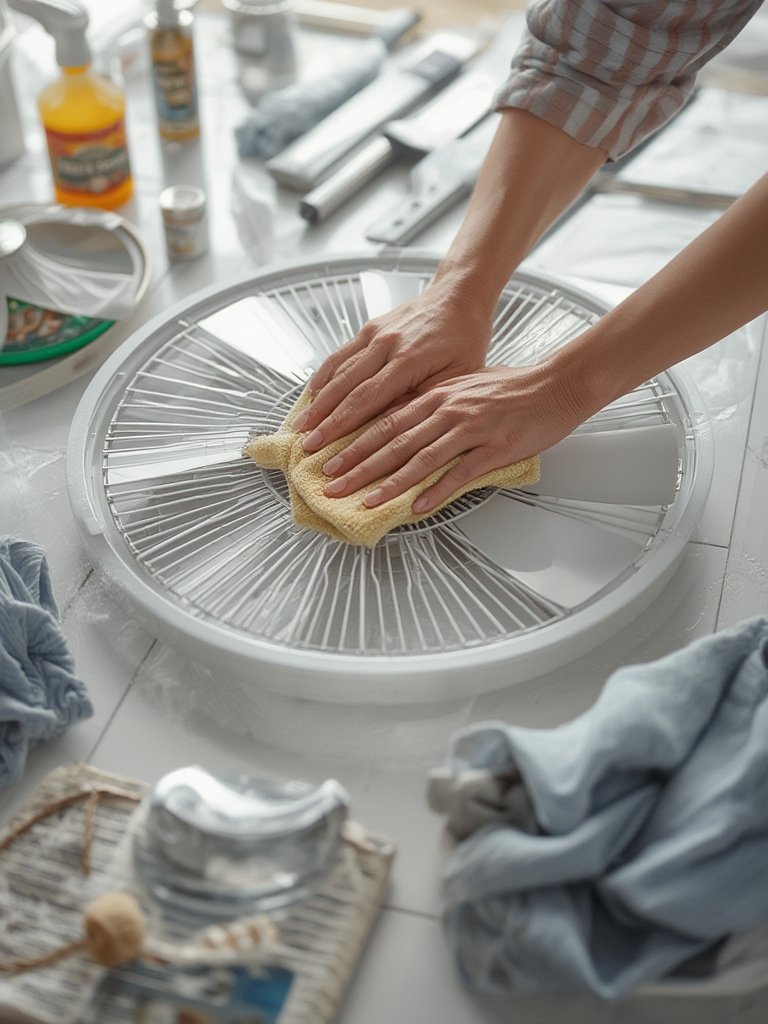
If your fan has smart features (like app controls or sensors), make sure you don’t block or wet any sensors while cleaning. Cleaning fan blades in winter? Remember to reset the direction switch to ensure optimal airflow afterward.
Want to organize your supplies for faster cleaning? Use a Rubbermaid drawer organizer to store cloths, wax, and screwdrivers for fan maintenance in one easy-to-grab kit.
Advanced Analysis & Common Fan Cleaning Pitfalls
Many users run into the same headaches: scattered dust, stubborn grime, and even accidental fan damage. Here are the most frequent problems, plus a rundown of tools and timing.
| Tool | Pros | Cons | Best For | Time Saved |
|---|---|---|---|---|
| Pillowcase source |
Free, keeps dust contained | Limited for stuck grime; can’t reach tall ceilings easily | Quick ceiling fan dusting | ~5 minutes |
| Extendable Duster source |
High reach, reusable | May cost $10-20; not as thorough for sticky mess | High ceilings, hard-to-reach fans | ~30% less effort |
| Microfiber Cloth source |
Gentle, absorbs grime well | Needs laundry; more time for each blade | Deep cleaning (esp. buildup) | Cuts grime by 90% |
| Vacuum Brush source |
Fast and effective suction | Requires power outlet | Heavy dust, pet dander fans | ~10 min per week |
-
Common Pitfalls:
- Turning fans on during cleaning—just spreads dust everywhere and ruins your work. Always let blades stop first.
- Direct spraying of cleaner—risking motor damage or rusty screws. Use minimally damp cloths instead.
- Reaching too far—standing on wobbly chairs or poorly placed ladders is a common cause of injury. Use a stable stepladder or boneless couch for support only if it’s nonslip and safe.
- Blades still damp—this attracts more dust and can cause warping, especially on wood fans.
- Forgetting to inspect motor housings, resulting in overheating or noisy operation later.
- Missing interior cleaning on tower/box fans where pet hair and dust accumulate inside the case.
- Some fan models (especially older or imported ones) have screws or latches that strip easily or covers that snap off—if you feel resistance, stop and consult your manual. For more general DIY tips, see our best cordless drill for home use guide.
- No EPA or health authority gives prescriptive guidance for household fan cleaning. Basic air quality advice: vacuum with HEPA vacuum filters and wipe fans before dust starts building up, especially if you’re allergic or have pets. For in-depth air cleaning, look at the Shark NeverChange Air Purifier Pet Pro—that’s next-level dust and allergen control.
Professional house cleaning services rarely package ceiling/tower fan cleaning alone and cost data is limited; almost all households (source) manage with DIY methods using $10-20 in supplies. If you notice your fan’s speed or airflow dropping, more frequent cleaning will save money over replacement or repair.
Beyond cleaning, smart fans with sensors may need gentle dusting on light or temperature sensors to maintain efficiency. For more smart tech home upgrades, check our primer on what is a smart home.
For a minimalist, allergy-focused approach to the home, combining frequent fan cleaning with non-toxic air fryers and washable tumble rugs can radically cut dust and pollutant sources.
Conclusion
Regular, correct fan maintenance pays off in healthier air, less noise, less frequent repairs, and lower utility bills. With the easy steps above and the right supplies, learning how to clean a fan becomes quick, affordable, and safe. Prioritize this every season or when visible dust appears, and you’ll enjoy a breezier, more comfortable home.
Ready for a healthier, more efficient home? Grab your cleaning kit, bookmark this guide, and share it with someone whose fans need a fresh start.
FAQ
How often should I clean my ceiling, tower, or box fan?
In most homes, clean fans every 1-2 months or whenever dust is visible. High-use rooms or homes with pets may need cleaning as often as once a month for best performance.
Is it safe to spray cleaner directly on fan blades?
No—direct spraying risks liquid entering the motor housing or dripping onto electrical parts. Always spray cleaner onto a cloth first, then wipe blades and housing with a damp, not wet, surface.
Can cleaning a fan improve air quality?
Yes, regular cleaning reduces the amount of dust and allergens circulating in your home. Consider using a HEPA vacuum during cleaning, especially if you suffer from allergies.
What’s the best way to reach high ceiling fans without a ladder?
Use an extendable or U-shaped duster designed for fan blades. For deep grime, a stable stepladder is safest—never overreach or stand on furniture that could tip.
Should I use different cleaning methods for wood versus plastic fan blades?
Yes, wooden blades scratch more easily and should never be soaked. Use a gentle, nearly dry microfiber cloth. For plastic blades, you can use a light antistatic spray or car wax to keep dust from sticking.