

Spirit level accuracy is the backbone of quality construction, home improvement, and precise installations. If you’re measuring, hanging, or building anything that needs to be perfectly straight, understanding what makes a great spirit level—and common mistakes to avoid—will save you time, money, and headaches. This guide strips away marketing fluff and delivers real-world, actionable advice that works whether you’re a DIYer or a pro.
Key Takeaways
- Small technique changes, like bubble reading and tool steadiness, impact spirit level accuracy more than quoted specs or brands.
- Metal construction outlasts plastic by resisting warping, making it essential for durability and reliable results.
- Beyond label claims, simple field tests can quickly expose inaccurate or damaged levels before costly mistakes happen.
- What Is a Spirit Level & Why It Matters
- How to Use a Spirit Level: Step-by-Step Guide
- Advanced Analysis & Common Pitfalls
- Conclusion
- Frequently Asked Questions
What Is a Spirit Level & Why It Matters
A spirit level, sometimes called a bubble level, is a simple but critical measuring tool used to determine if a surface is horizontally level or vertically plumb. It uses a small vial partially filled with fluid, leaving a single air bubble. When that bubble sits perfectly between marked lines, your surface is aligned—and your job is halfway done.
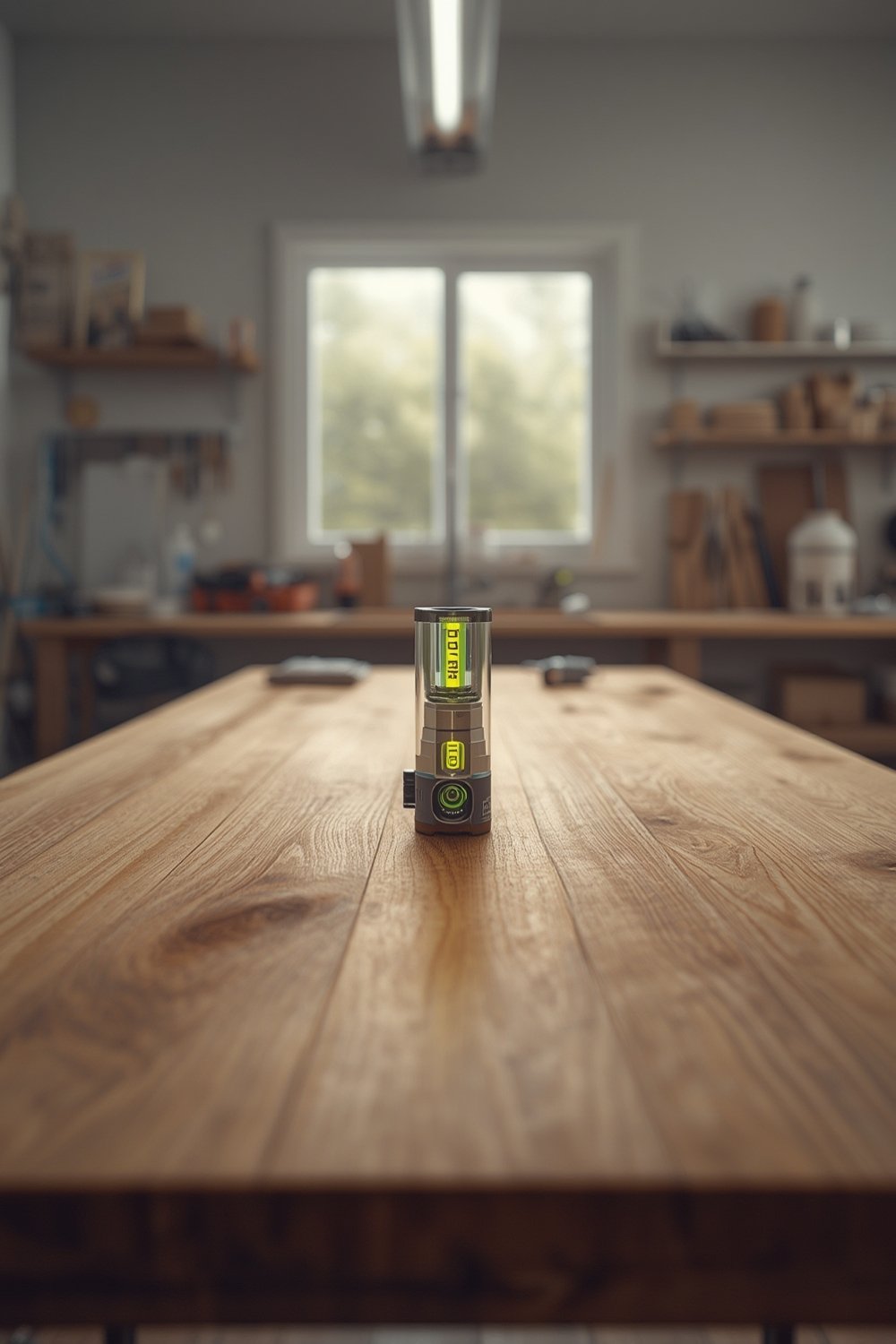
Spirit levels matter because a small deviation can lead to crooked cabinets, misaligned shelves, sloping floors, or even structural issues. Professional spirit levels, like those reviewed by experts, commonly promise accuracy of 0.0005 inch or 0.029 degrees. Major brands like Stabila and Empire meet or exceed ±0.5mm per meter for reliable results in both directions. However, real-world performance depends not only on specs but also on handling, material choice, and maintenance.
Levels come in several types, including box/carpenter levels for general framing, torpedo and digital spirit levels for compact or high-tech use, and specialty forms like bevel, magnetic, post, and even laser levels for advanced tasks.
Once you realize that most construction and furniture projects depend on keeping things perfectly aligned, owning a dependable spirit level becomes non-negotiable.
How to Use a Spirit Level: Step-by-Step Guide
Getting pro results from a spirit level is simple but requires careful steps for accuracy. Here’s what to do every time you level anything:
- Select the right type and length: Longer levels offer higher precision—use the longest you can for the task, such as a 24-inch box level for wide shelves or a 9-inch torpedo for tight spots. Brands like Stabila and Empire are trusted for their consistent accuracy.
- Check for damage or warping: Before use, confirm your level isn’t bent or cracked, especially if it’s plastic. Metal levels resist warping from heat or sunlight. If you need to buy new, check out guides on top product picks and recommendations for reliable, durable tools.
- Verify calibration (quick field test): Place the level on a known flat surface. Mark the bubble’s position, rotate the level 180 degrees, and check—if the bubble stays in the same spot, your tool is accurate. For extra certainty, try the roll test: level the surface, then see if a marble remains still. (full method)
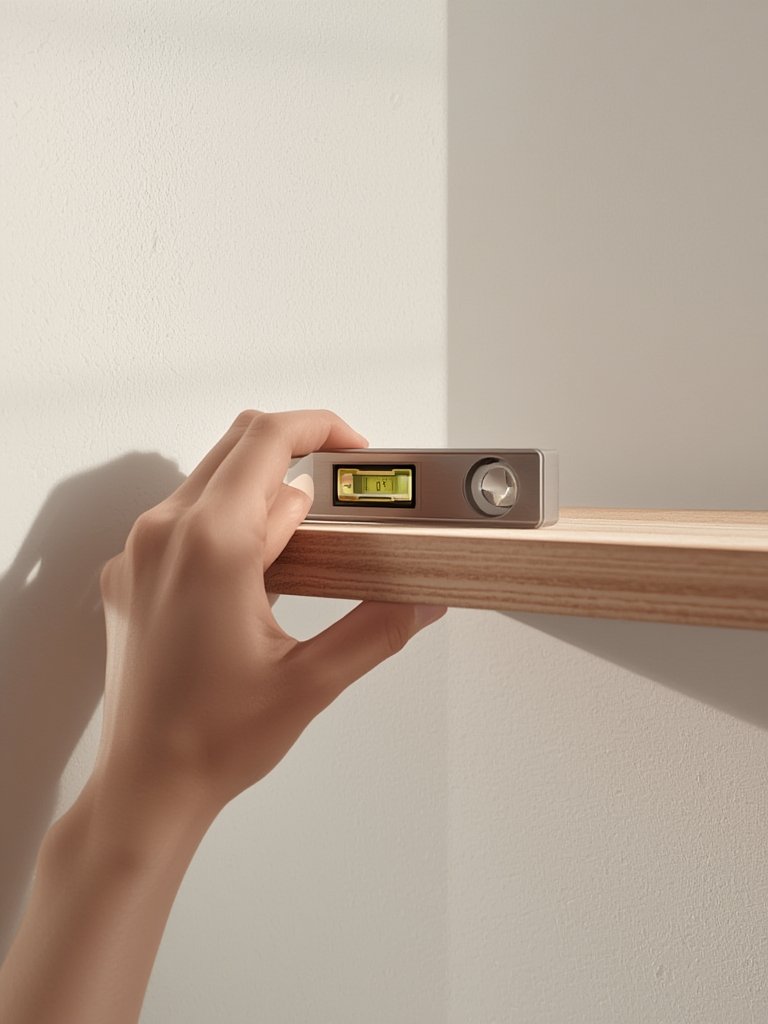
- Place the level: Ensure both the level and object are steady. Don’t press down—let the level sit under its own weight.
- Read the bubble with care: Focus on the center of the vial. Don’t rush—position yourself so your eyes are directly level with the bubble and hairlines. Even a small parallax error (looking from above or below) can ruin your reading.
- Adjust the surface as needed: For shelves or frames, nudge until the bubble sits centered. Double-check after tightening fasteners.
- Repeat as needed: Check both axes (horizontal and vertical) if required. Use magnetic levels when working with metal surfaces for extra stability.
If you want your next kitchen refresh, living room project, or shelf install to look pro, mastering these basic steps is critical. For more help with complementary home improvement essentials, see the lists in our best product picks hub or explore further guides, like best cordless drill for home use.
Advanced Analysis & Common Pitfalls
Even with a top-rated spirit level, several traps can undermine your results. Here’s what goes wrong—and how to fix it:
Common Pitfalls
- Calibration drift after drops: Dropping any level—especially cheaper plastic ones—can knock it out of true. Always check with a quick flip test after accidents.
- Vial readability issues: Low-quality vials can fog, scratch, or lack fluorescent fluid, making bubble reading difficult in dim light. Premium models like Stabila use hard-wearing acrylic with Day-Glo liquid for a fast read.
- Environmental warping: Plastic levels twist with heat or humidity. Only use plastic for light, temporary needs—serious work needs aluminum or steel.
- Poor bubble reading technique: Being off-eye-level or rushing the read causes most real-world “inaccuracies,” even on laboratory-precise tools (see more).
- Removable end caps: Nice for shock absorption, but if not reattached fully, they can throw off your base alignment.
- Temperature errors in telescopic levels: Failure to let sections equalize can cause subtle bending—and inaccurate readings. Wait a few minutes after extending.
- Trusting specs over reality: Just because a label promises “±0.5mm/m” doesn’t guarantee your results if your eyes or technique are inconsistent.
Comparison Table: Spirit Level Types, Pros, and Cons
| Type | Best For | Strengths | Potential Issues |
|---|---|---|---|
| Box / Carpenter Level | Framing, shelving, general use | High accuracy, robust, available in long sizes | Bulky for tight spaces |
| Torpedo Level | Tight spaces, plumbing, small DIY | Portable, easy one-handed use | Lower sensitivity due to short length |
| Digital Level | Precision installs, inspection | Precise digital readout, various formats | Needs batteries, higher cost |
| Bevel / Specialty Level | Ergonomics, unique jobs | Comfortable grip, specialty vials, sometimes magnets | Limited general use |
| Magnetic Level | Metal beams, pipes | Hands-free mounting, stable | Magnets may weaken over time |
On pricing, expect “premium” sets like Stabila 80 AS or Type 196 to demand a significant investment, but offer multi-vial configuration and lifetime accuracy. Budget sets like Workpro save money but often sacrifice build and bubble precision. For task-specific needs, explore options on the types of measuring tools page, which also covers measuring tapes, angle finders, and more.
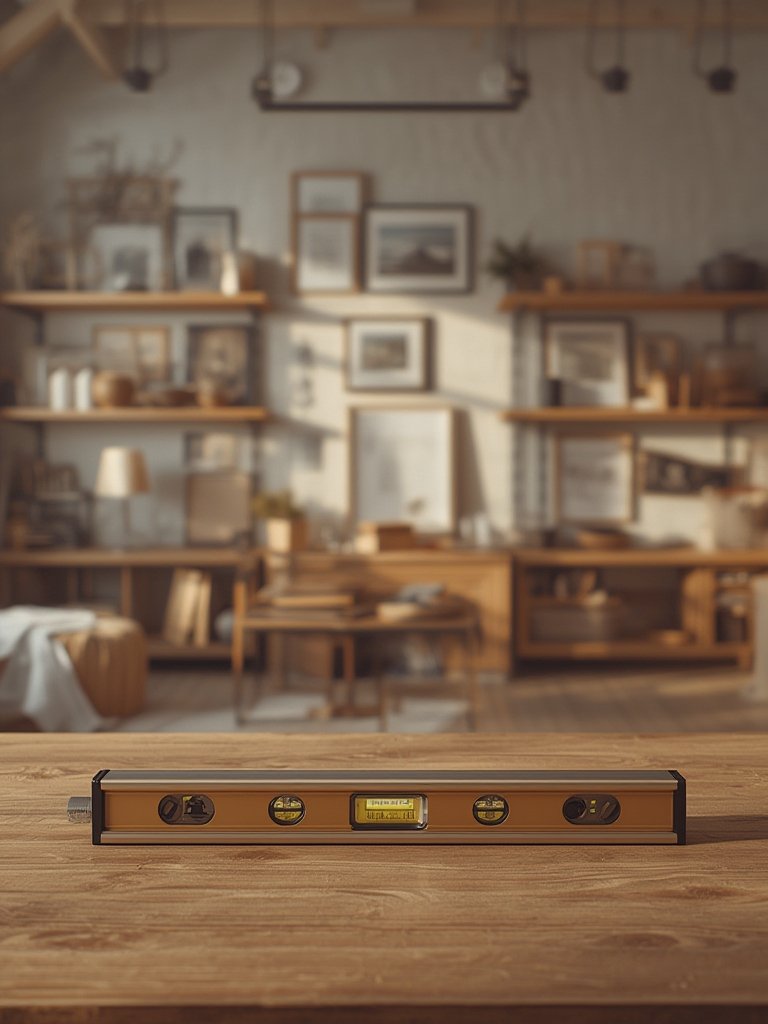
Lastly, while some newer “digital spirit levels” offer instant calibration and multiple displays, don’t count on feature bloat to offset weak technique or a warped frame.
Conclusion
Precision work starts with the right spirit level, but ends with your attention to detail. Use the longest, metal-constructed tool practical for your job. Test calibration before use. Read the bubble carefully—more errors stem from rushed or uneven placement than from a manufacturer’s error. If you’re renewing a living space, investing in a quality spirit level is just as essential as your choice of drill or saw.
Want more product selection tips for building, renovation, or smart home upgrades? Visit the top product reviews hub for best-in-class guides, including support tools like best cordless drill for home use or see trending choices for home cleaning.
Make every project straight and true—get the right spirit level, use it with intention, and elevate your results every time.
Frequently Asked Questions
How do I know if my spirit level is accurate?
Perform a quick calibration check by placing your level on a flat surface and marking the bubble’s position. Flip it end to end—if the bubble aligns to the same spot, it’s accurate. You can also use the roll test: level a surface, set a marble on it, and see if the marble stays in place.
Are digital spirit levels better than traditional ones?
Digital spirit levels provide precise numeric readouts and can be easier to interpret, but they require batteries and cost more. For basic tasks, a quality analog level is just as effective when used carefully.
Can spirit levels lose accuracy after a drop?
Yes, especially plastic models or any level dropped from a height. Always check calibration after drops or impacts before reusing your level.
Should I avoid plastic spirit levels?
Plastic levels tend to warp over time due to heat and humidity. Metal construction is preferred for durability and consistent results, especially for frequent or professional use.
What are the signs my level needs to be replaced?
If the bubble no longer settles between the hairlines, vials are foggy or cracked, or calibration checks consistently fail, it’s time for a replacement. Damage or warping can’t be reliably fixed.