

Types of measuring tools are at the heart of every construction site, factory floor, and home workshop. Whether you’re laying out foundations, assembling precision equipment, or finishing a DIY project, choosing the right measuring tool can make or break your results. This guide gets to the point—no jargon, just practical advice for picking and using measuring tools effectively today.
Key Takeaways
- tape measures and rulers hold the largest volume share, but digital and laser tools are rapidly gaining ground for accuracy.
- Industrial and construction professionals drive demand for advanced measuring systems—AI and mobile integration offer new advantages.
- Accurate measurements start with choosing the right tool and avoiding common pitfalls; even small errors can have costly consequences.
- The Core Concept: Measuring Tools Explained
- Step-by-Step Guide: Selecting and Using Measuring Tools
- Advanced Analysis & Common Pitfalls
- Conclusion
- FAQ
The Core Concept: Measuring Tools Explained
Measuring tools are the silent backbone behind nearly every physical project. They help ensure accuracy, safety, and consistent quality, whether you’re measuring the layout of a new kitchen, setting the tolerances on an aircraft component, or simply hanging a shelf level at home.
In 2024, the measuring tools landscape is dominated by simple tape measures and rulers for basic jobs, while advanced sectors demand precision devices like calipers or micrometers, and state-of-the-art laser tools. According to market research, tape measures and rulers account for the largest volume, especially in construction and DIY fields, but laser distance meter devices now capture a fast-growing revenue share due to their accuracy and time-saving features.
Industrial users—manufacturers, QC specialists, and construction managers—rely heavily on specialized systems such as coordinate measuring machines (CMMs), optical scanners, and laser trackers. Nearly half the total market’s revenue comes from industrial applications, where every millimeter matters for product fit, process efficiency, and compliance.
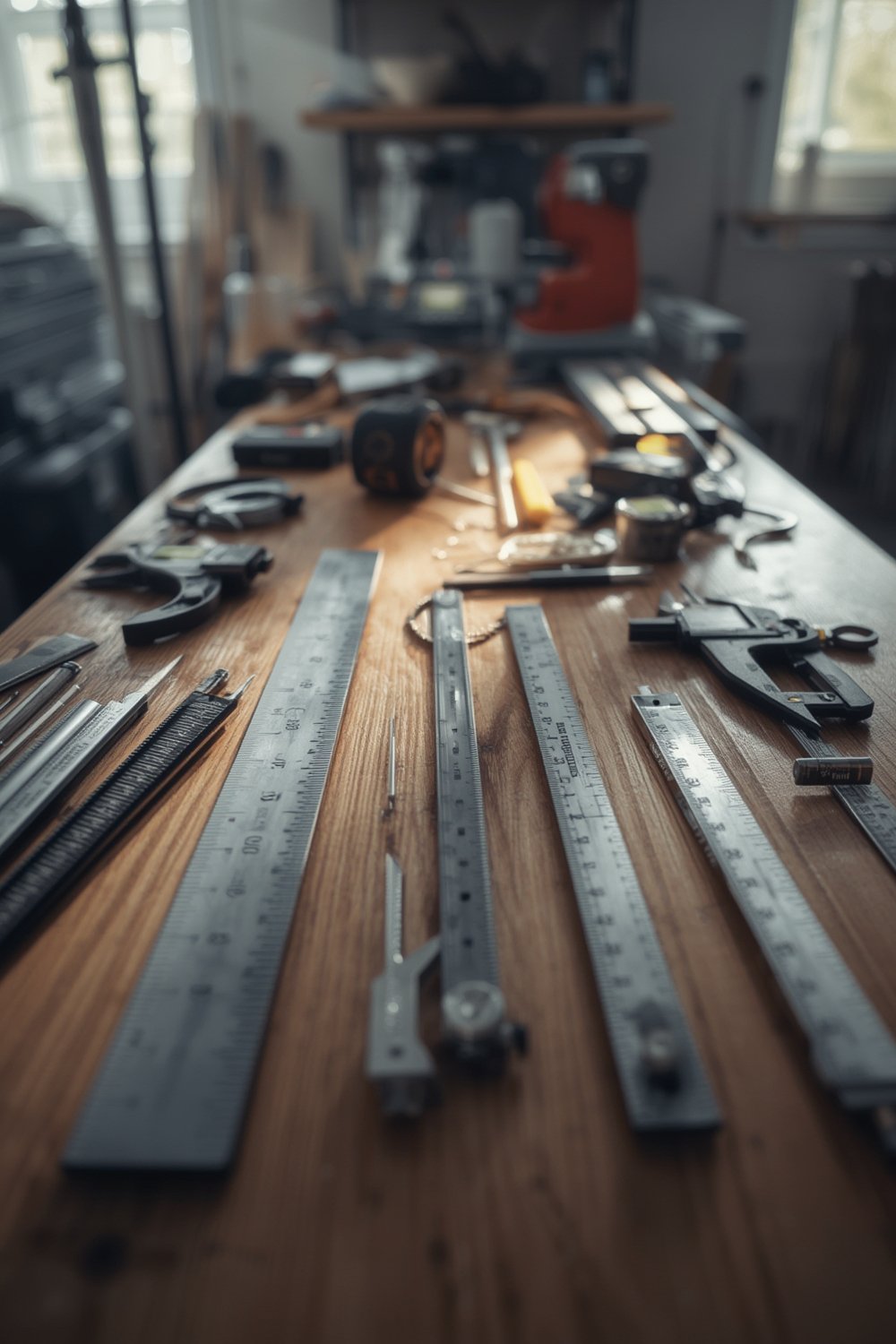
For home improvement fans and DIYers, the right measuring tool means fewer mistakes, less rework, and results you can rely on. Even small upgrades—like switching from a manual to a digital level—can save time and boost confidence. For a wider look at the best product picks in home improvement, see our top product picks and recommendations.
Step-by-Step Guide: Selecting and Using Measuring Tools
Getting the right measurement starts with picking the right tool for your project. Follow these clear steps to avoid mistakes and improve your results:
- Define Your Task: Are you measuring distance, thickness, angles, or surface area? For framing a wall, a tape measure or laser measure works best. For checking small gaps, use calipers or micrometers.
- Match Accuracy to Need: DIY projects may not need micrometer-level accuracy, but industrial applications demand it. If you’re hanging shelves or installing permanent outdoor lights, a sturdy tape or laser distance meter is often enough.
- Check Tool Condition: Bent rulers, worn tapes, or dirty laser lenses can throw off readings. Inspect your tool before use.
- Apply the Tool Properly: For tapes, hook firmly and avoid bends. For lasers, stabilize the device and watch for reflectivity errors. For calipers or micrometers, ensure the jaws are fully closed before zeroing.
- Double-Check and Record: Always measure twice—especially when cutting expensive material or prepping for drills and installs (see best cordless drill for home use). Write measurements down or use an app if available.
- Keep Tools Clean and Calibrated: Especially for digital and precision devices, dust, debris, or poor calibration can lead to costly mistakes.
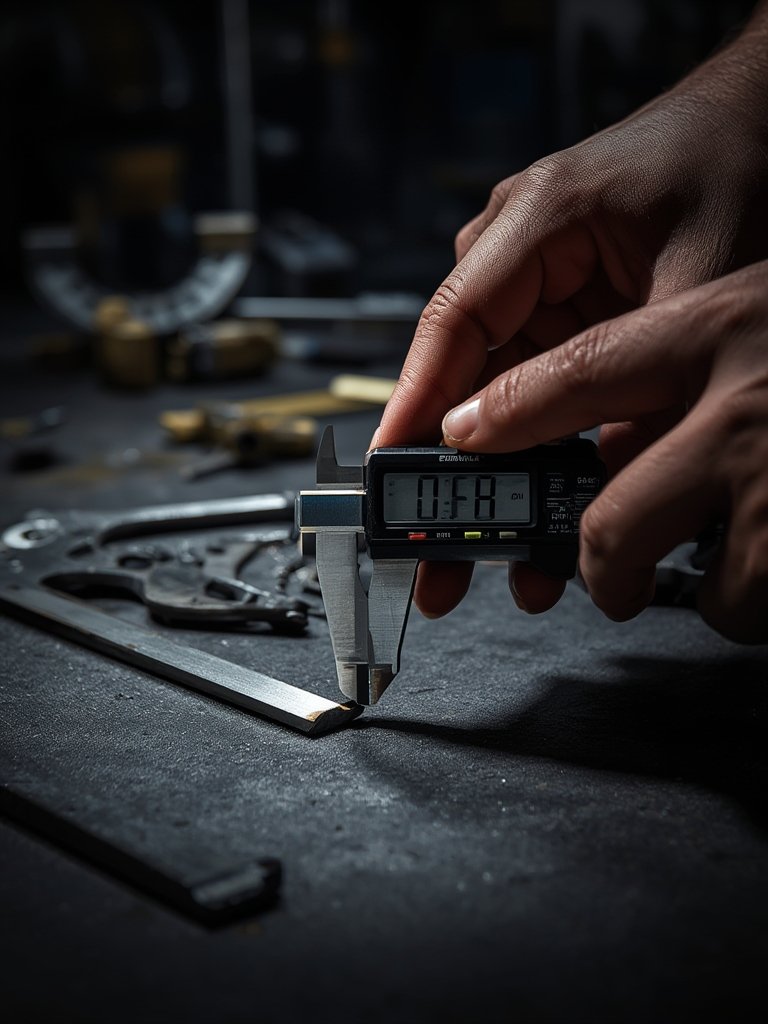
If you’re constantly switching between project types, consider investing in a small multi-tool laser device. The best models now feature mobile integration, allowing you to save, export, or annotate readings on the fly. For complex installations, a good measurement plan cuts errors and saves time—especially when paired with smart organization strategies for your tools and workspace.
Advanced Analysis & Common Pitfalls
No matter your industry, ignoring the basics when it comes to measurement leads to rework, material waste, and sometimes even safety risks. Here are common and costly pitfalls reported across the construction, industrial, and DIY worlds, matched with advanced fixes and honest trade-offs:
| Pitfall | Root Cause | How to Avoid | Trade-Offs |
|---|---|---|---|
| Relying on worn or uncalibrated tools | Tool age, neglect, unknown quality | Inspect and calibrate regularly; replace when suspect | New tools and calibration cost extra upfront |
| Over- or under-shooting measurements on uneven surfaces | Bending tape, sloped floors, obstructions | Use laser levels or rigid rulers on flat reference points | Laser devices may struggle in bright sunlight or around mirrors |
| Incorrect reading due to parallax or poor lighting | Looking at tape from the side, shadowed marks | Stand directly above (or behind laser beam); illuminate area | Slower for tight squeezes or hard-to-reach spots |
| Forgetting to record or update the latest measurement | Paper notes lost, manual errors | Use digital apps or voice memo; photograph readings | Devices may have learning curves; apps need battery power |
| Using the wrong tool (too precise or too basic) | Not matching tool to accuracy required | Research or ask expert; see Seal Right tool kit uses | Can increase costs or slow down workflow |
Recent advances make many pitfalls avoidable. For example, AI and machine learning are now used in metrology to predict measurement error before it happens, helping industrial users maintain quality with less human guesswork (see source).
Mobile and Bluetooth-enabled devices reduce manual error—these sync measurements to the cloud or your phone instantly, and some allow you to attach annotated site photos for easy data sharing with teams. For contractors and residential users alike, new IP-rated enclosures and glove-friendly controls mean faster, safer measurement even in challenging weather or tight circumstances (see full analysis).
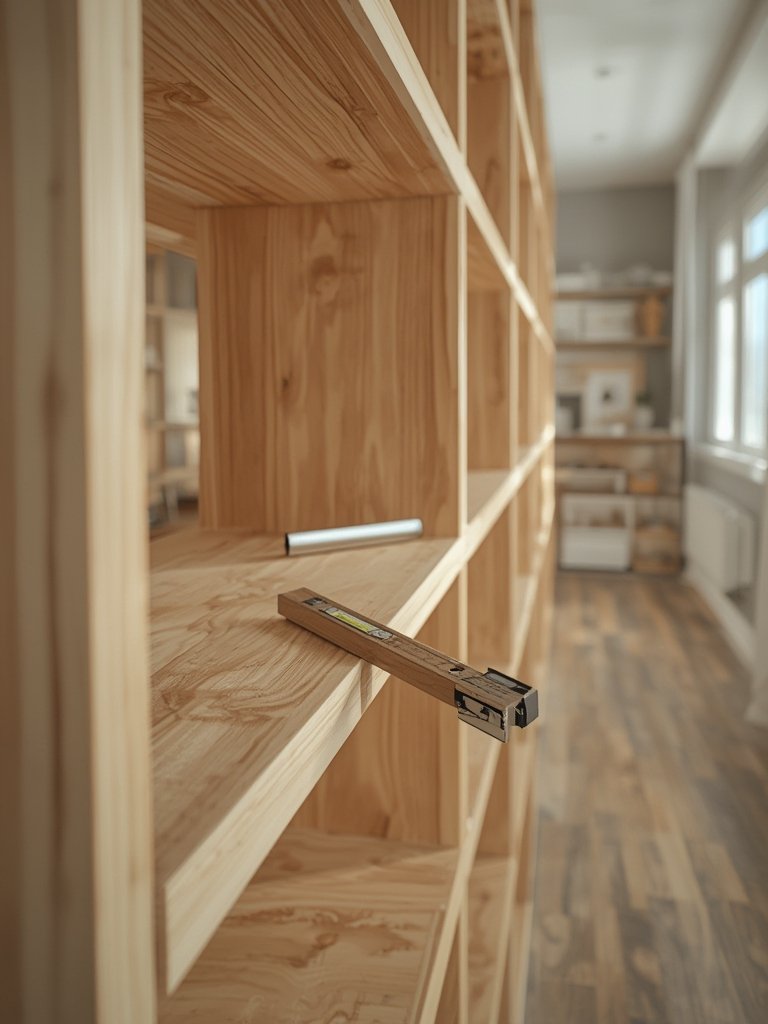
Still, results depend on your habits. Even the smartest measuring tool won’t fix data lost in a cluttered workshop or a halogen-lit room that distorts laser readings. If you want to make measurement routine and efficient, start by organizing your workspace—tips from our kitchen pantry guide also apply in the garage or tool shed.
Conclusion
Choosing the right tool, keeping it maintained, and using it thoughtfully are non-negotiable if you want results you can trust. Whether you’re a professional calibrating machines, a DIY fan leveling shelves, or a contractor overseeing builds, understanding the best types of measuring tools is the first step to getting your measurements right, every time.
Don’t just guess—upgrade your measurement toolkit and double down on accuracy. Ready to take your project skills further? Explore our top product picks for the best tools to own this year.
FAQ
What are the most common types of measuring tools in construction?
The basics include tape measures, measuring wheels, levels, and increasingly, laser distance meters. Laser devices dominate larger construction jobs for speed and accuracy, especially in layouts and modeling.
How often should measuring tools be calibrated?
For critical uses such as manufacturing or quality control, calibrate tools before major projects or on a scheduled basis (monthly or quarterly works for most). For home or DIY, inspect for wear or obvious damage before each use.
When should I use a laser measuring tool over a tape measure?
Laser tools are optimal for long distances, irregular layouts, or one-person jobs where speed is key. Tapes are cost-effective for small, simple measurements, especially in home improvement or when measuring contoured surfaces.
What makes digital measuring tools better than traditional ones?
Digital tools reduce reading and recording errors. Features like Bluetooth sync, memory storage, and instant export reduce mistakes and help manage complex tasks—especially in busy job sites or multi-step projects.
Can I use the same measuring tool for both DIY and industrial work?
It’s not ideal. Industrial tasks usually require certified precision and regular calibration, while DIY tools focus on versatility and ease of use. Invest in the appropriate tool for each scenario for the best results.