

Mobile modular portable storage is transforming how businesses and construction teams manage space, security, and logistics in 2024. As demand surges, knowing the realities—market growth, overlooked pain points, and actionable strategies—can make or break your next project.
Key Takeaways
- The global market for mobile modular portable storage is booming, driven by business and construction needs—reaching over $3.4 billion in 2024.
- Major pitfalls include lack of transparency on costs, few user-driven resources addressing security and durability, and unclear compliance standards.
- Choosing the right size, provider, and safeguards is essential to avoid costly setbacks or inefficiencies in real-world applications.
- The Core Concept: What Is Mobile Modular Portable Storage, and Why Use It?
- Step-by-Step Guide: How to Deploy Modular Storage for Business and Construction
- Advanced Analysis & Common Pitfalls
- Conclusion
- FAQ
The Core Concept: What Is Mobile Modular Portable Storage, and Why Use It?
Mobile modular portable storage units are relocatable containers or buildings designed to solve temporary or long-term storage needs in business, construction, and industrial environments. These units come in various sizes—from compact containers for handheld tools to extra-large units capable of housing heavy equipment on job sites. Their biggest advantages: flexibility, reusability, fast on-site installation, and no need for permanent construction permits.

In 2024, the global portable modular storage containers market stands at approximately $3.4 billion and is forecasted to surpass $5 billion by 2032, driven by rapid expansion in sectors like logistics, e-commerce, and construction (source). North America leads in rental revenue, while Asia-Pacific continues outpacing in growth due to infrastructure development (source). Most units fall into three size categories: small (<10′), medium (10′-20′), and large (>20′), each serving specific business or jobsite needs.
Despite all this growth, several knowledge gaps remain—especially around user challenges, cost structures, and compliance standards. Unlike specialty items such as cordless drills for home use or self-emptying robot vacuums for pet hair where reviews and pain points are abundant, storage providers often lack this transparency.
Step-by-Step Guide: How to Deploy Modular Storage for Business and Construction
- Assess your storage needs precisely. Calculate the types of equipment, pallets, documents, or assets you need to store. Determine if you need climate control, secure access, or stacking capability. Review past projects or competitors for benchmarks.
- Choose the correct unit size and type. Small (<10’) containers fit offices and tight lots (source), while large (>20’) types suit construction sites with heavy gear. Match the container’s footprint to your real estate and transport options.
- Evaluate vendor reliability and security features. Ask about lock systems, wall material thickness, and any extra anti-theft/safety options.
- Get clear written quotes for all costs. Include delivery, installation, maintenance, climate options, and pick-up/removal fees. Most providers do not publish this data, so insist on up-front disclosures.
- Check for compliance with local regulations. Even if OSHA or ISO rules are not publicly listed, confirm that the container meets fire/life safety and structural requirements for your area.
- Create a documented workflow for access and control. Decide who gets keys/cards, how inventory is logged, and the process for relocating containers.
- Plan maintenance and periodic inspections. Ensure that seals, locks, and structures are intact—especially after storms, relocation, or extended site use.
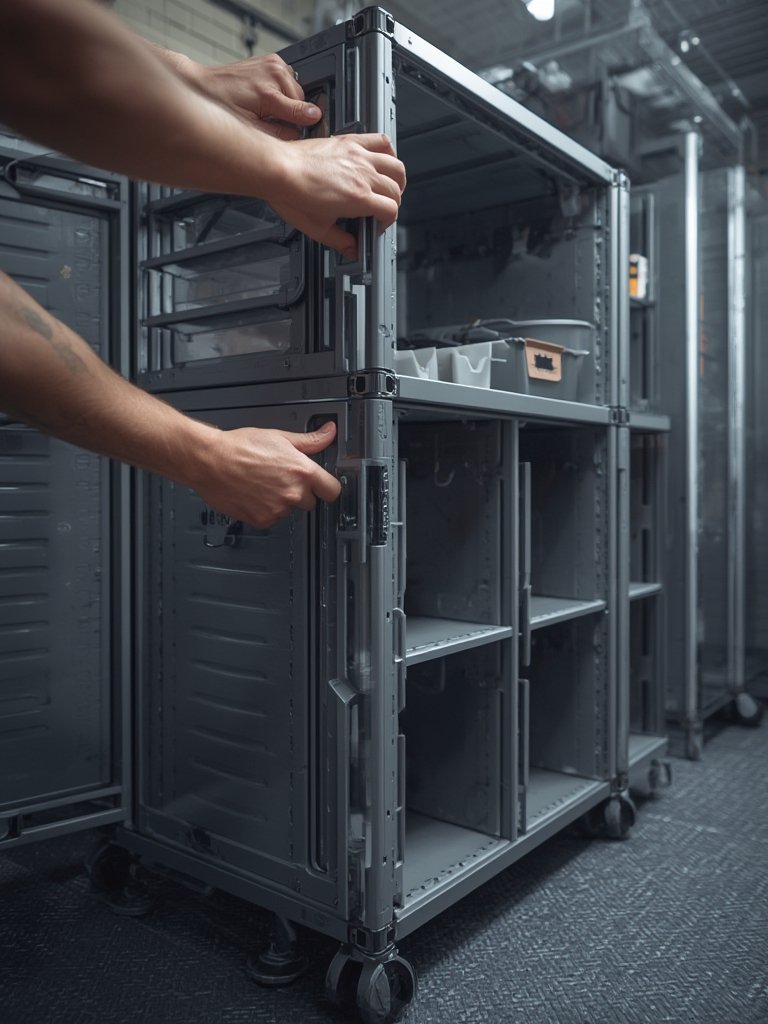
For companies that also manage office renovations or need flexible interiors, consider inspiration from the organic modern kitchen movement or custom closet design principles: focus on modular partitions, efficient stacking, and making the most of every cubic foot. This approach helps prevent poor utilization—a common but often invisible cost.
Finally, always ask if your provider offers buy-back or trade-in options. Modular storage is an investment—don’t get stuck with obsolete or oversized units as your business evolves.
Advanced Analysis & Common Pitfalls
It’s easy to underestimate the practical challenges that come with mobile modular portable storage. While container solutions solve many problems fast, the realities on the ground often reveal missing costs, operational shocks, or hidden risks.
User-Reported Challenges and Market Gaps
Despite extensive industry reporting, direct user feedback on pain points is scarce. However, typical pitfalls inferred from the market include:
- Security limitations: Base-level containers may lack robust enough locks or alarm integration for high-value construction sites.
- Poor durability in extreme climates: Many entry-level units are not fully weather-sealed or insulated.
- Access control confusion: Lack of organized key/credential management leads to inventory mix-ups or unauthorized use.
- Unclear cost structures: Providers rarely publish granular pricing for rentals, purchase, installation, or features, leading to budget overruns (market insights).
- Compliance blind spots: Without specified OSHA, ISO, or local code certification visible in provider literature, you risk deploying non-compliant containers on jobsites.
Comparison: Modular Storage Size Classes for Different Use Cases
| Size Class | Typical Use | Market Share (%) | Growth Rate (CAGR) |
|---|---|---|---|
| Small (<10′) | Mobile offices, tools, business inventory | 65 | 4.3% |
| Medium (10′-20′) | Warehousing, worksite overflow, records | 25 | 4.0% |
| Large (>20′) | Construction, heavy equipment, industrial use | 10 | 3.6% |
Technical features like materials, climate control, and stacking limits are still poorly disclosed by most suppliers. Always clarify these specs up front—using the same rigor you might apply when comparing custom glass cabinets or washable rugs for high-traffic areas. Don’t assume all portable units are equal—many trade off cost for reduced durability or compliance.
Cost Transparency—The Real Missing Link
Almost no providers publish detailed cost breakdowns for rentals, delivery, installation, or premium features. This is a significant risk if you’re managing time-sensitive or budget-driven projects. To protect yourself:
- Request repetitive, line-by-line estimates and contract language before committing.
- Secure locked-in pricing where possible for long-term projects.
- Include contingency funds for post-delivery modifications (climate controls, shelving, security systems).
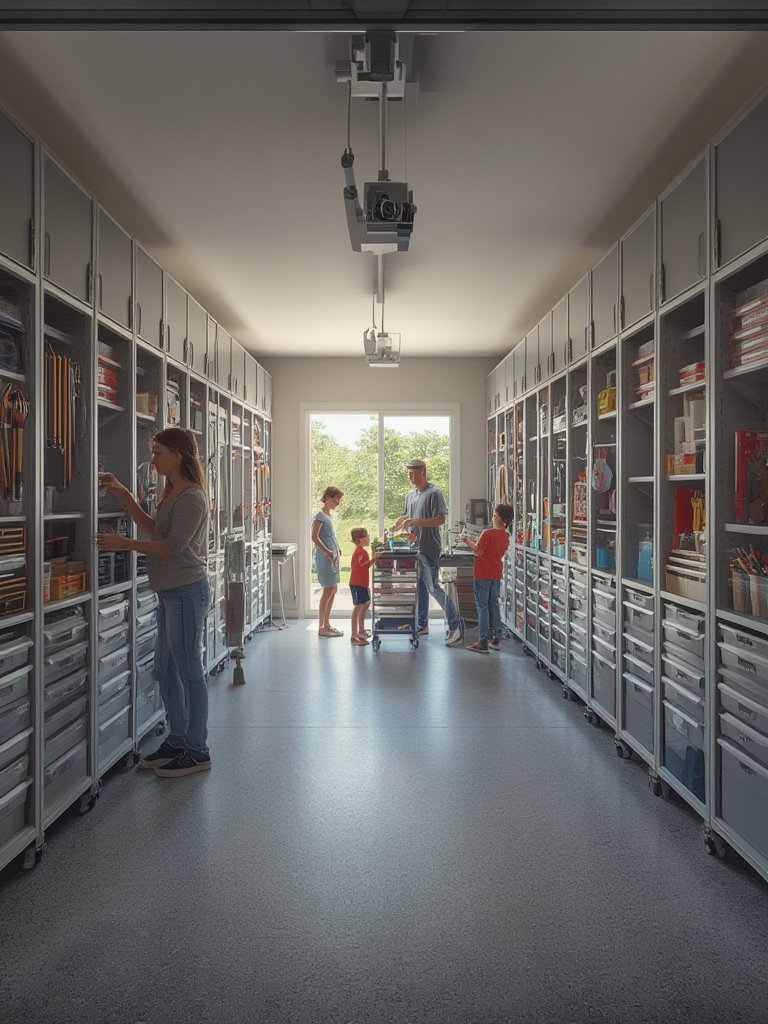
For those managing complex storage along with other home or business projects, reviewing guides like those on pantry organization or researching top product picks and recommendations can inspire creative container interior layout solutions.
Conclusion
Mobile modular portable storage is vital for fast-moving construction and business operations—but success depends on more than just picking the first available unit. Know your requirements, scrutinize specs, and demand pricing clarity. When making your selection, use the strategies above and insist on transparency at every step. If you’re ready to optimize your workflow, start reviewing providers today and ensure your mobile modular portable storage setup actually works for you, not against you.
Have questions or pro tips to share? Comment below or explore our top product recommendations to boost your next project’s efficiency.
FAQ
What’s the biggest mistake businesses make when renting mobile modular portable storage?
The most common mistake is overestimating required size, leading to wasted spend. Start small, monitor usage, and then upscale if needed.
Is it necessary to have climate control in portable storage for construction tools?
For most tools, climate control is not critical, but electronics, documents, or chemicals may be damaged without it. Choose units with temperature and humidity control as needed.
Do I need a permit for placing a modular storage unit at my site?
Permit requirements vary by locality. Always check with local authorities and don’t rely just on vendor claims.
How do I make sure my storage container is secure against theft?
Opt for containers with reinforced door locks and consider adding external security cameras or alarm systems. Limit access to essential personnel only.
Where can I find pricing details for mobile modular portable storage rentals?
Pricing is rarely published online. Always request detailed quotes from several providers, including all potential fees.