

Which way should ceiling fan turn in summer is a question that can instantly impact your home comfort, energy bills, and the true effectiveness of your cooling setup. If your ceiling fan spins the wrong direction during summer, you’re missing out on a surprisingly simple way to feel cooler and potentially cut air conditioning costs by nearly a third. Here’s what you need to know to unlock the “hidden lever” in your summer cooling system.
Key Takeaways
- Your ceiling fan should turn counterclockwise in summer to create a cooling downdraft (breeze effect).
- Setting the correct fan direction can let you raise your thermostat up to 4 degrees and save up to 30% on AC energy costs.
- Common mistakes include not being able to tell fan direction, missing the switch, and believing the myth that fans cool air (they don’t).
- The Core Concept: Which Way Should Ceiling Fan Turn in Summer?
- Step-by-Step Guide: Setting Your Ceiling Fan Direction for Summer
- Advanced Analysis & Common Pitfalls
- Conclusion
- FAQ
The Core Concept: Which Way Should Ceiling Fan Turn in Summer?
Ceiling fans are an underrated tool for beating summer heat—if you use them correctly. In summer, your ceiling fan blades must spin counterclockwise when viewed from directly below. Why? This direction moves air downward, creating a strong breeze you actually feel—a “wind chill” effect that makes your skin feel much cooler, even though the room air itself is not colder.
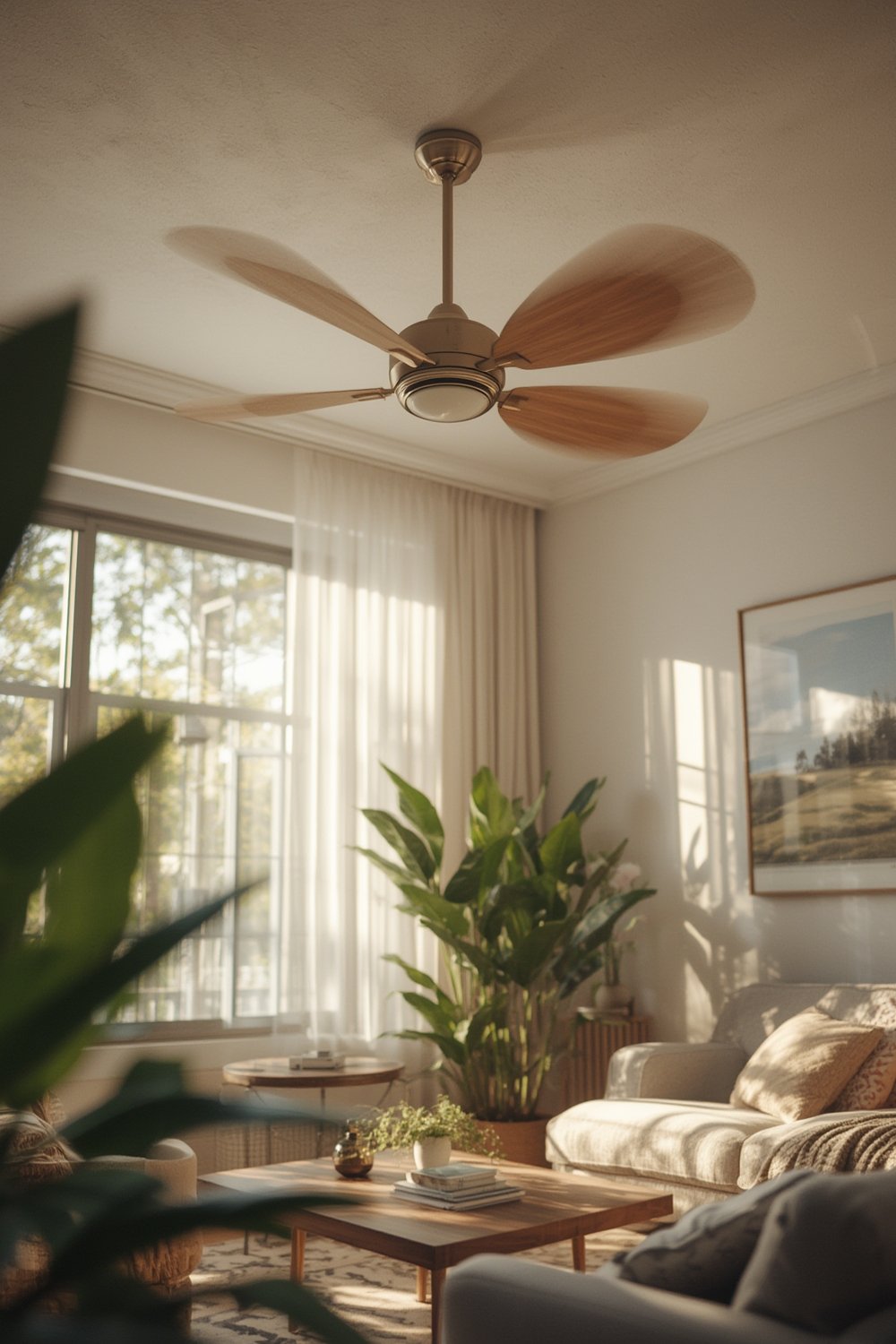
This downdraft speeds up perspiration evaporation, which is the real reason fans work for human comfort. Authoritative studies show you can set your thermostat up to 4 degrees higher, using far less air conditioning while maintaining the same level of comfort—a potential 30% cooling cost reduction.
It’s a common myth that ceiling fans “cool the air.” They do not. Fans move the existing air quickly across your skin, tricking your body into feeling like the room is cooler. That breeze is the entire point—which means the direction of the fan’s spin matters a lot. If it’s spinning clockwise (the winter setting), air gets drawn upward and you lose this cooling effect.
For a technical breakdown of how this works, here’s a quick airflow diagram:
  Ceiling
     |
   Blades (pitched ~12–15°)
     | ↓ (Downdraft: cool breeze to floor)
   Person feels wind chill
     ↑ (Warm air rises naturally)
Now that you understand what direction your fan should spin and why, let’s ensure your settings are correct and easy to adjust.
Step-by-Step Guide: Setting Your Ceiling Fan Direction for Summer
Follow these actions to confirm and set your ceiling fan to the optimal summer direction:
- Turn Off and Safely Access Your Fan
Flip the wall switch. If needed, use a sturdy step ladder to reach the fan motor casing. For safety, ensure blades are fully stopped. - Locate the Direction Switch
Look for a small sliding switch or button on the fan’s motor housing (just above the blades). It may be labeled, but many are not.
Note: Some new fans use remotes or smart controls—check your manual or model online. - Set to Summer Mode (Counterclockwise)
For most fans, push the switch down (vertical switches) or left (horizontal switches) for summer. If your fan uses a remote, find the “reverse” button and set to the counterclockwise symbol (often a circle with an arrow pointing left). - Verify Fan Spin Direction
Stand directly under the turned-on fan and look up: blades should move from top left to bottom right (counterclockwise). You should feel a direct breeze. If not, flip the switch and check again. - Adjust Fan Speed
Use the highest comfortable speed setting. The wind chill effect intensifies with more airflow—but excessive speed can feel drafty. - Pair With Thermostat Adjustment
After setting the fan, raise your thermostat by 2–4 degrees. Monitor comfort. Most people can save energy without sacrificing “cool.”
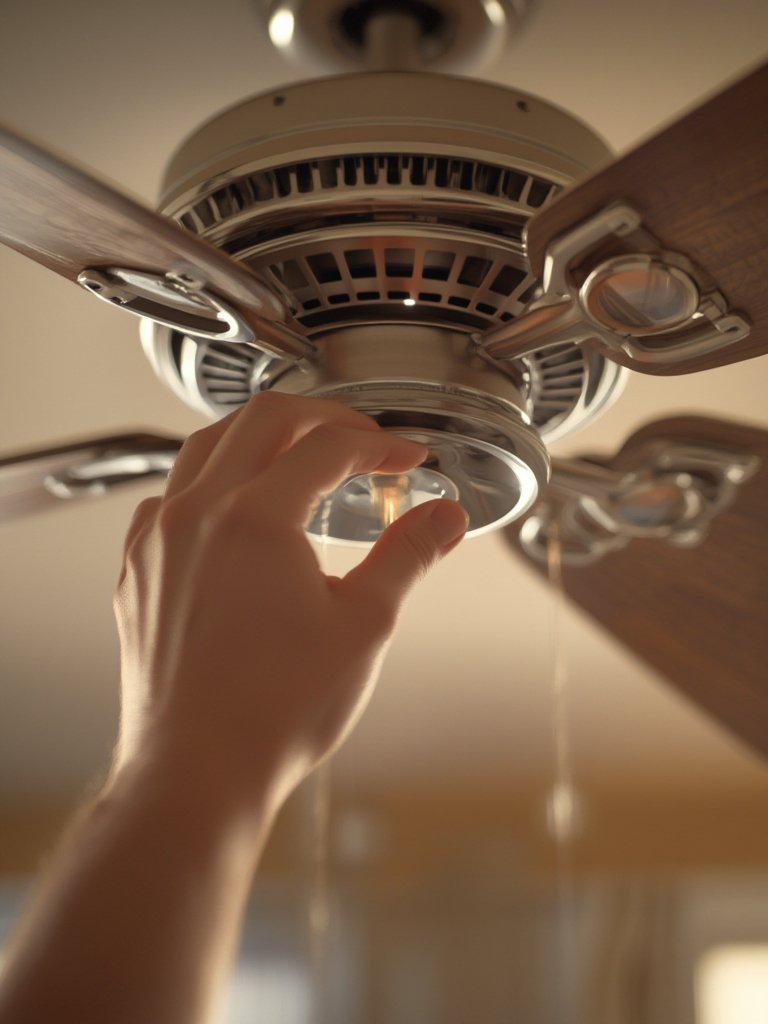
Troubleshooting: Can’t find the direction switch, or your fan lacks one? Look up your fan’s model online, or consult the manual. Some older fans cannot reverse, in which case you may need to replace or retrofit the unit. For easy upgrades, remote-controlled fans and smart ceiling fans with app-based controls eliminate the need to climb and flip a manual switch every season.
If you have a household filled with pet hair, maximizing your fan’s cooling efficiency goes hand-in-hand with keeping blades clean—see our ceiling fan blade cleaner guide for low-effort maintenance.
Want to step up your energy savings with smarter home cooling? Learn how a smart thermostat pairs with ceiling fans for automated comfort.
Advanced Analysis & Common Pitfalls
Even when you know which way your ceiling fan should turn in summer, a few problems can sabotage your results:
- Not Checking Every Fan: If you have multiple fans, don’t assume all were set correctly. Each switch, remote, or app may control fan direction independently.
- Failing to Adjust the Thermostat: Fans don’t cool air—if you don’t raise your thermostat, you’re not capturing the energy savings advantage.
- Leaving Fans On in Unoccupied Rooms: The cooling effect is only felt by people present. Leaving fans on when rooms are empty wastes electricity.
- Misreading The Fan’s Spin: Many users struggle to tell which way should ceiling fan turn in summer by eye; the sticky note trick above sidesteps this confusion.
- Confusing Switch Directions: Annual reminders are necessary—each fan model may have its own labeling for the summer setting.
Energy-wise, let’s put ceiling fans in context with other strategies. Here’s a straightforward breakdown:
| Method | Comfort vs. AC Use | Potential Energy Savings | Downsides |
|---|---|---|---|
| Ceiling Fans (Correct Direction) | Raise thermostat 2–4°F, still comfortable | Up to 30% on AC costs* | No effect unless someone’s in the room |
| Portable Fans | Localized cooling, spot use | Less than ceiling fans overall | Less effective for entire rooms |
| Thermostat Up (No Fan) | May feel “too warm” without added airflow | Varies (usually less comfort for same savings) | Possible discomfort in humid or stagnant air |
*Sources: Home Depot, Constellation Energy
Modern ceiling fans are improving their controls. For example, Hunter’s SureSpeed® fans boast higher velocity airflow (thus a stronger wind chill at regular speeds). However, many affordable fans still use manual switches. Remote and app-enabled models, while convenient, rarely cost more than $250–$350 even in 2024—worth it if climbing ladders each year is a deal breaker.
Don’t forget—persistent summer pet hair or dust build-up can lower cooling performance, so review this fan cleaning guide for maintenance basics.
Still seeking time-saving ways to upgrade climate comfort or minimize cleaning chores? Our top product picks and recommendations roundup includes home gadgets and coolers designed for efficiency.
Conclusion
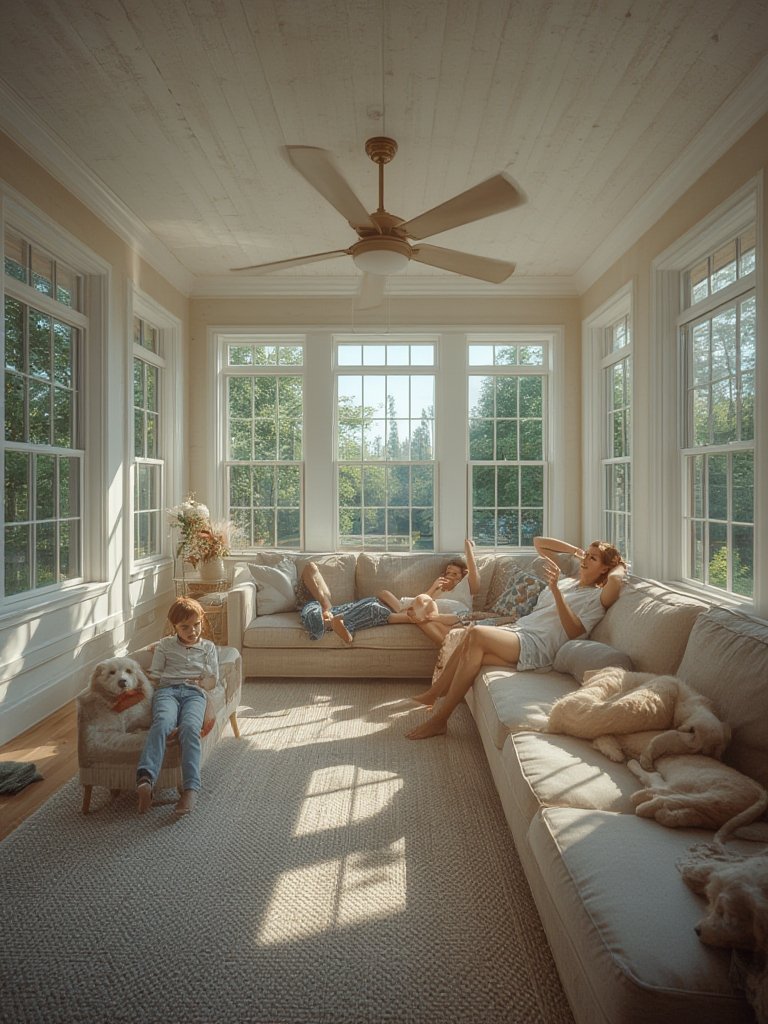
The answer to “which way should ceiling fan turn in summer?” is clear: always counterclockwise (when viewed from underneath), with blades pushing air down for a direct breeze. By following the steps above, you’ll make every room feel cooler and potentially save up to 30% on summer cooling costs. Don’t let confusion or old myths sabotage your comfort—set your fans correctly, clean them regularly, and enjoy a smarter, more efficient home. Need more energy tips or air quality advice? Explore our home water filter reviews and air purifier for pet homes if you want to optimize more rooms today!
FAQ
How do I double-check if my ceiling fan is spinning the right way for summer?
Stand directly under the fan and look up. The blades should be spinning counterclockwise. You should feel air blowing straight down. If not, flip the direction switch and check again.
What if my ceiling fan doesn’t have a direction switch?
Some very old or basic ceiling fans are one-direction only. Check the manufacturer’s site or manual for your model number. You may need to upgrade to a newer or smart-model fan with direction control, or install a separate remote kit with reverse options.
Does running a ceiling fan really save on air conditioning costs?
Yes, if used correctly. With your ceiling fan in counterclockwise (summer) mode, you can raise your thermostat by 2-4 degrees and feel just as comfortable, lowering AC run times and saving up to 30% on cooling energy costs per multiple studies (source).
Is there a way to make changing fan direction easier?
Yes—modern ceiling fans often come with remote or app controls, making seasonal direction changes a button press instead of climbing up to the motor. Models with these features are readily available and often priced under $300 in 2024.
Can I leave my ceiling fans on all the time during summer?
It’s only efficient to run fans in rooms that are actively occupied. Otherwise, you’re wasting energy—fans don’t cool the air, just people in the room. Turn them off when you leave.