

weighted door draft stopper solutions are a simple but highly effective way to make your home warmer, quieter, and more energy efficient—without expensive renovations.
Key Takeaways
- Weighted door draft stoppers block drafts and can noticeably increase comfort and energy efficiency, especially when installed well.
- The most effective options are filled with dense materials like sand or glass beads, but proper installation is crucial to avoid slippage and maximize results.
- Maintenance is easy, but buy thoughtfully—floor surfaces, gap width, and expected traffic patterns all impact which model will truly work best for your home.
- What Is a Weighted Door Draft Stopper and Why Use One?
- How to Choose and Install a Weighted Door Draft Stopper
- Advanced Analysis & Common Pitfalls
- Conclusion
- Frequently Asked Questions
What Is a Weighted Door Draft Stopper and Why Use One?
A weighted door draft stopper is a thick, often flexible barrier designed to sit at the base of a door and prevent cold air, dust, and noise from slipping through the gap beneath. Unlike universally lightweight door snakes, the weighted versions rely on the heft of dense fillers (like sand, glass beads, or rice) to sit firmly in place—even when doors are opened and closed. The goal: block drafts to boost insulation, cut energy loss, and maintain a more stable indoor temperature.
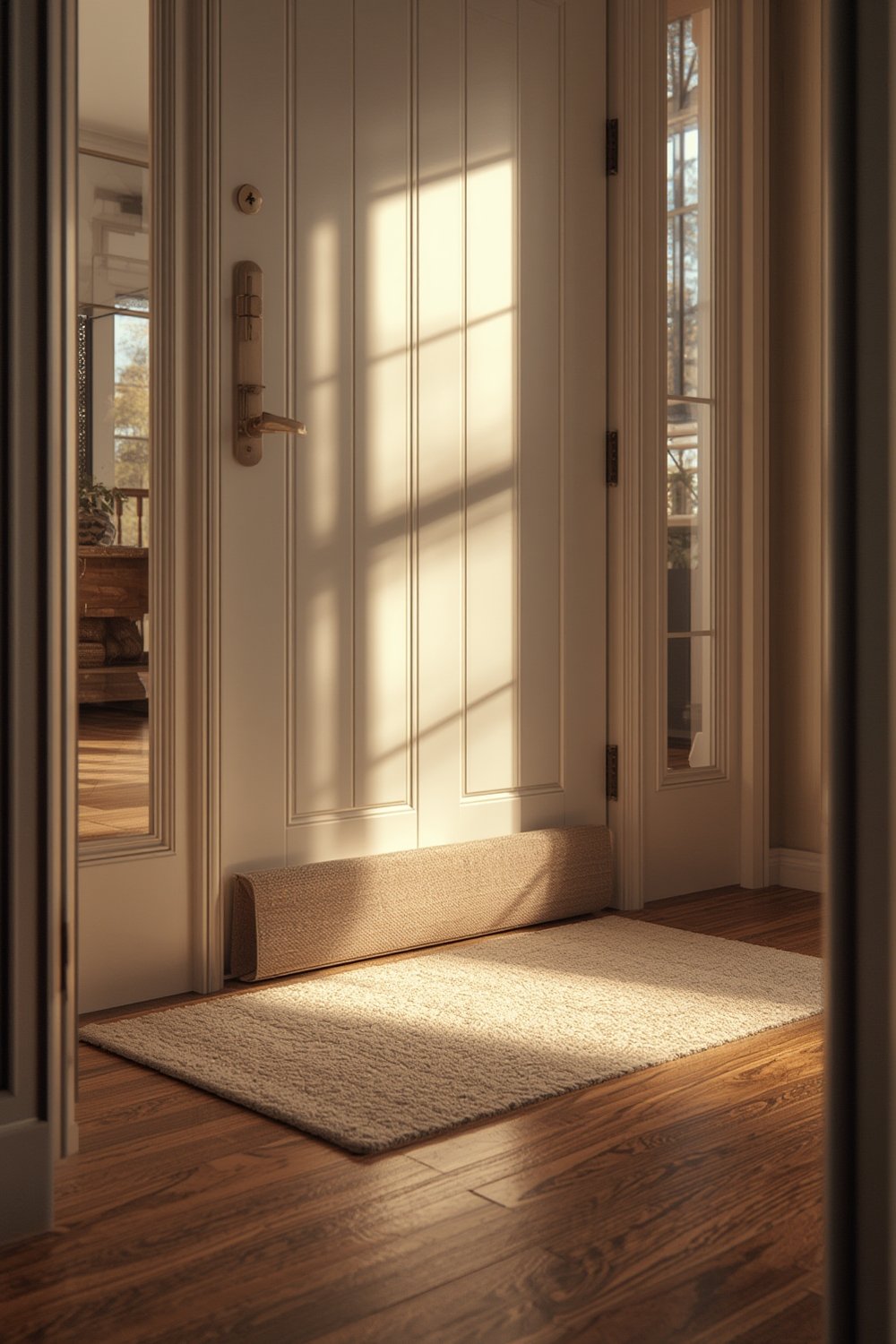
With as much as 25–40% of a home’s heat loss occurring through gaps around doors and windows, using a weighted draft stopper is one of the quickest and least invasive ways to reduce wasted energy. These products are especially impactful in older homes with original (often not perfectly fitted) doors or during extreme weather swings.
Beyond temperature control, the best models also dampen sound transfer between rooms and can block light or odors. For those dealing with multiple pain points (drafts, noise, dust) at thresholds, modern weighted stoppers can provide a simple all-in-one fix—provided they’re sized and set up correctly.
Want to further weatherproof your entry points? Check out our weather stripping for metal exterior doors guide and explore noise solutions with our acoustic door sweep overview
Want to further weatherproof your entry points? Check out our weather stripping for metal exterior doors guide and explore noise solutions with our acoustic door sweep overview.
How to Choose and Install a Weighted Door Draft Stopper
Picking the right weighted door draft stopper comes down to three primary factors: the size of your door gap, the type of flooring beneath, and the level of traffic at that threshold. Here’s how to ensure effective, frustration-free results:
- Decide on the best filler material for your home. Sand and glass beads offer the tightest seal and maximum weight (see comparison below). Polyester or cotton-filled options may be less effective against strong drafts, but are flexible for light dust or minimal gaps.
- Match the stopper to your flooring and use case. Heavy, stand-alone models (like those weighing 3 pounds or more) work best on smooth, hard floors. If you have thick carpet, irregular tile, or a raised threshold, you might need a model with hook-and-loop (Velcro) backing or an under-door seal or an under-door “slide-on” design.
- Consider noise reduction needs. If blocking sound transfer is important, prioritize sand or bead-filled stoppers—they outperform lighter foams and also add mass for greater noise suppression.
- Pre-installation check. Wipe the door and adjacent floor clean to ensure any adhesive or hook-and-loop tape will bond well. Doublecheck fit before finalizing.
- Install and adjust. For basic weighted models, simply position against the closed door with the weight settled evenly. If using attached Velcro strips, adhere these per the manufacturer’s instructions—often sticking one half to the floor and one to the bottom of the stopper.
- Test with the door open and closed. Open and close the door several times to ensure the stopper stays in position. Fine-tune as needed to prevent catching or bunching, especially with foam twin-tube options.
- Ongoing checks. Periodically inspect the stopper’s condition, especially after cleaning or heavy use. Replace Velcro/adhesive if it loses grip.
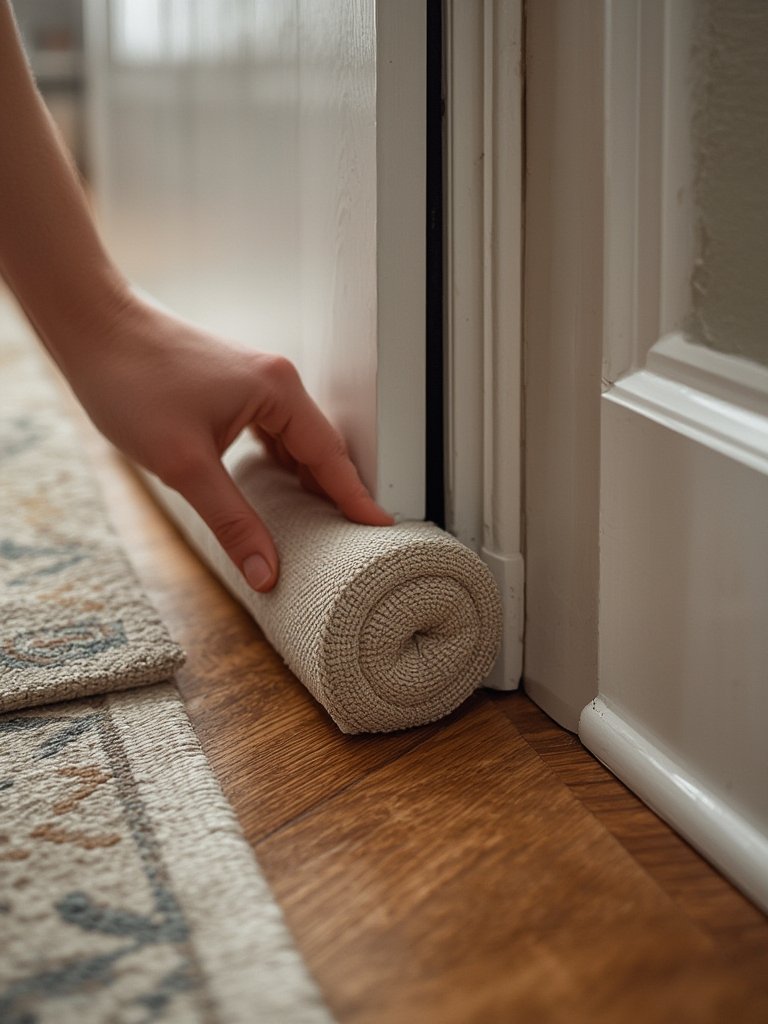
If you’re dealing with gaps larger than 1.5 inches or doorways exposed to weather, consider combining your weighted draft stopper with a robust under-door seal or threshold weatherstrip. For garage or utility spaces, reference our garage door draft blocker guide for more durable, exterior-grade options.
Need more inspiration for energy-smart upgrades? Our best small space heaters and emerging home product picks can help maximize comfort all year.
Advanced Analysis & Common Pitfalls
A weighted door draft stopper is an improvement over basic foam or fabric designs, but performance depends on correct material choice, sizing, and installation. Here’s where most users run into issues—and how to avoid them.
- Slippage on hard floors: Without Velcro, even heavier models may slide when the door is frequently moved, especially on tile or wood.
- Insufficient weight or poor fill distribution: Thin models or those with unevenly distributed sand/glass beads may bunch up, letting drafts sneak through gaps.
- Compromised aesthetics: Some users dislike how stopper tubes look—particularly when thin, poorly-filled, or clashing with décor (color options are typically limited).
- Gap width mismatches: Few products work on gaps larger than 1.5 inches (unless opting for a specialty oversized model). Overly thick foam or sandbags can make doors hard to open.
- Messy or finicky installation: Adhesive or Velcro strips are sometimes hard to remove and can leave residue or require replacing over time. In cold climates, adhesive may need warming before application.
- Floor surface conflicts: Raised or highly-textured thresholds often prevent a flush seal, regardless of model. Slide-on options or combination seals may be needed.
A closer look at the most effective models and materials:
| Brand/Model | Materials | Weight/Filler | Gap Coverage | Key Comparison Notes |
|---|---|---|---|---|
| Fowong 38-inch Heavy | Glass beads | Almost 3 pounds | Not specified | Stays secure; Velcro optional; effective standalone for most. [Source] |
| Holikme Weighted | Sand (three sandbags), fabric | Weighted | Up to 4.5 inches | Blocks noise/drafts; easy storage; black/grey only. [Source] |
| Magzo Upgraded | Polyester wadding + glass beads | Heavier (bead-filled) | Up to 1 inch | Hook-and-loop adhesion; soft, firm stick to doors. [YouTube review] |
| Holikme 2-Pack | Foam-sponge (twin) | Not weighted (foam) | Up to 1.5 inches | Twice the foam size vs. competitors; stays during door open. [Source] |
Dense, heavy fillers are proven best for cold-wind penetration resistance, creating both a temperature and acoustic barrier. Lower-cost foam or “sandbag” style models work for interior doors or gentle temperature differentials, but they generally offer less reliable results for severe drafts or noise problems (details here).
If appearance matters, many users opt for slide-on or twin-tube foam models, which are less conspicuous (though not always as performance-heavy). Still, all models must be occasionally repositioned and can show visible wear in high-traffic spots. If you’re a renter or anticipate needing removal, stick-on units are the least permanent but consider residue risks.

For high performance and longevity, combine high-quality stitching, durable outer fabric or silicone, and a heavy fill. Avoid ultra-light or decorative-only options unless you’re only managing dust or very gentle airflow. For a different style or to explore the classic alternative, read our full door snake draft stopper guide.
Conclusion
Weighted door draft stoppers deliver a real difference in home comfort—provided you select the right materials and size for your gap and floor. The most effective models use dense fillings like sand or glass beads, stay in place, and double as acoustic barriers. If you’re struggling with drafts, uneven room temperatures, or noise, installing a weighted door draft stopper can be one of the fastest, most affordable solutions. Ready to upgrade your insulation and experience a cozier home? Pick your favorite model and put a weighted door draft stopper in action today.
For more smart product strategies and home upgrades, see our top product picks and recommendations resource next.
Frequently Asked Questions
What type of filler material works best in a weighted door draft stopper?
The best weighted door draft stoppers are filled with dense, non-breathable materials like sand, glass beads, or rice. These heavier fillers create a tighter seal and are less likely to move out of place than polyester or cotton options.
How do I keep my weighted draft stopper from sliding on wood or tile floors?
If your stopper slides, try adding a Velcro strip or small tabs of removable mounting putty to the base or ends. This provides grip and reduces movement even in high-traffic areas without damaging the floor.
How long does a weighted door draft stopper last?
Lifespan varies by brand and material, but quality models with strong stitching and heavy-duty fabric can last several years under normal use. Avoid over-exposing to moisture and occasionally check for tears or lost filler.
Can weighted door draft stoppers block noise too?
Yes—models filled with sand or glass beads not only stop drafts but also absorb and dampen sound waves. For rooms needing quiet, opt for extra-heavy or twin-tube designs offering additional mass and full-length coverage.
Do under-door or foam-style draft blockers work better than weighted stoppers?
Foam “under-door” models are great if you never want to reposition the stopper and have a low, uniform gap. Weighted stoppers provide more flexibility for variable thresholds and work better for noise-blocking, but may require occasional adjustment.
—