

Tosot dehumidifier units are making a name for themselves among homeowners who want to solve indoor humidity issues without complicated setup or maintenance. If you’re tired of musty air, persistent dampness, or concerns about mold, you’re not alone—dehumidifiers are a fast-growing segment in the $4.8 to $6.8 billion global market, with a surge in demand for easy, effective portable models.
Key Takeaways
- Tosot dehumidifiers are a practical solution for controlling humidity and preventing mold growth, especially in residential and basement settings.
- Choosing the right Tosot dehumidifier depends on your room size, local climate, and the specific moisture problems you face.
- Proper setup and maintenance will significantly extend the lifespan and effectiveness of any dehumidifier.
The Core Concept
Tosot dehumidifiers are designed to remove excess moisture from indoor air, which helps stop mold, mustiness, and moisture damage. Dehumidifiers like those from Tosot are especially important in basements, bathrooms, and other problem spots, as high humidity can trigger allergies and degrade building materials. Portable dehumidifiers now make up more than 65% of the total market, thanks to their flexibility and efficiency [source].
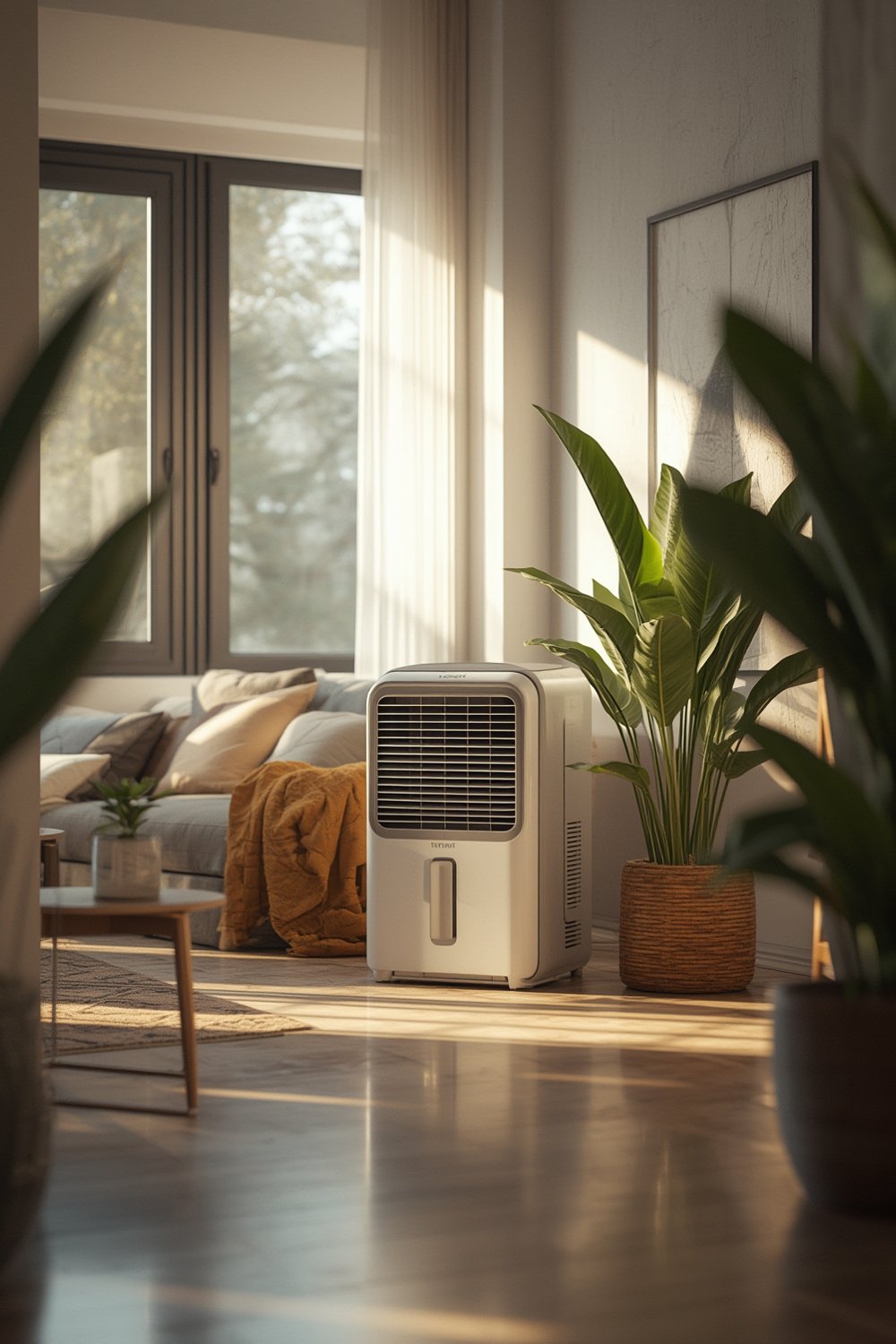
While Tosot may not be the oldest or biggest brand in this category, they frequently rank as a value pick in independent reviews for their reliability, simplicity, and affordable pricing. Common uses include:
- Controlling humidity in finished or unfinished basements
- Protecting stored items, electronics, and documents
- Speeding up drying after leaks or spills
- Improving comfort and air quality in humid climates
The right Tosot dehumidifier size for your household is determined by square footage and ambient humidity. For crowded spaces prone to pet hair buildup, consider a robot vacuum for pet hair—it will complement the improved air quality from your dehumidifier.
Step-by-Step Guide
Getting the best results from your Tosot dehumidifier is all about picking the right size, finding the optimal spot, and sticking to a consistent maintenance routine. Below is a realistic, actionable process for first-time users or anyone upgrading their setup.
- Calculate Your Room Size
Measure the length and width of the room needing dehumidification. Multiply for total square feet. Tosot dehumidifiers commonly serve rooms from 1,000 to 4,500 sq. ft., but not every model is right for every environment. - Match the Dehumidifier Capacity
For damp bedrooms or smaller rooms, a 20-pint unit may be sufficient, while large, musty basements might need a 50-pint model. Err on the higher side if your area is chronically humid or rarely ventilated. - Pick the Best Location
Place your Tosot dehumidifier centrally in the wettest area—often an interior wall for basements, or a bathroom corner if space allows. Avoid blocking vents or sensitive electronics. For open floor plans, airflow and circulation matter most. - Set Up and Run Initial Cycle
Unbox and plug in the dehumidifier. Set the humidity target (often 40-50%) on the digital controls. Let it run in ‘Continuous’ mode for several hours for the first cycle to bring down humidity quickly. Then switch to ‘Auto’ for normal operation. - Empty or Drain the Tank
If you’re not using the continuous drain hose, check and empty the bucket daily, especially in the first week. Overflow shutoff usually prevents messes, but always double-check when adjusting settings. - Clean Intake Filters Monthly
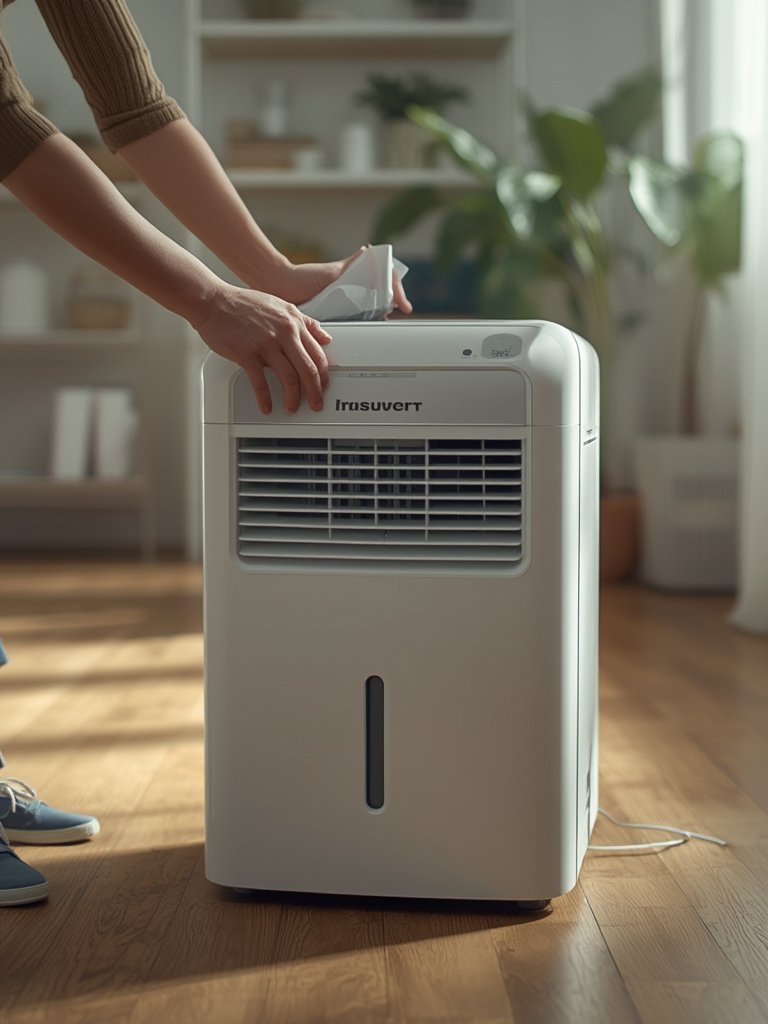
Remove and wash the air filter under running water at least once a month to keep the motor from clogging. If you have pets or live where pollen is high, increase to every two weeks. Clean filters help maintain airflow and extend the device’s lifespan.
For quick reference, the top product picks and recommendations hub at HearthsidePicks offers home improvement advice for air quality and other utility-saving appliances.
If you experience damp odors even after regular operation, pair your dehumidifier with a pet air purifier to further reduce airborne allergens and improve home comfort. People living in apartments or smaller homes can also reduce clutter and maintain airflow using drawer organizers to keep storage dry and tidy.
To avoid chemical buildup or grime on the outer vents—especially if placed near a kitchen—wipe down surfaces weekly. Looking for a kitchen upgrade to complement your cleaner air? An non-toxic air fryer supports a healthier, fresher home environment.
Advanced Analysis & Common Pitfalls
No appliance is perfect, and Tosot dehumidifiers—while solid performers—come with their own set of quirks and things to watch. Here’s what to expect and how to deal with it, based on real-world experience and industry data:
- Tank Filling Up Too Fast: If your Tosot’s water tank is filling quickly, it often means you need a higher-capacity model or the humidity is extremely high. Smart use of continuous drainage is helpful here.
- Noise Concerns: Tosot motors are generally quiet but can get louder as dust accumulates. Regular filter cleaning and keeping the device on a solid, level floor will minimize vibration.
- Energy Consumption: Dehumidifiers run for extended periods, especially in damp climates. Tosot units usually feature auto shutoff and energy-saving modes, but running them non-stop may increase utility bills. If energy use is a priority, check for Energy Star models or consider a programmable outlet timer.
- Drain Hose Blockage: When using continuous drainage, check hose placement monthly. Kinks or clogs easily cause water backup and even minor floods, particularly if your drain sits above floor level.
- Humidity Sensor Failure: Sensors may drift over time, causing the unit to misread room moisture. If automation becomes unreliable, compare readings with a separate digital hygrometer to recalibrate or report warranty issues.
| Feature | Tosot Dehumidifier | Generic Budget Models | Premium Brands |
|---|---|---|---|
| Capacity Options | 20–50 pints/day | 10–50 pints/day | Up to 70 pints/day |
| Auto Shutoff | Yes | Sometimes | Yes |
| Drain Hose Feature | Standard | Optional or Unavailable | Standard; some with pump |
| Filter Access | Front, easy to remove | Varies | Easy; some with HEPA |
| Warranty | Usually 1–2 years | 6–12 months | 2–5 years |
| Price Range | Affordable mid-tier | Cheap to mid | High |
Global market data show that residential applications now account for 50.1% of all dehumidifier sales worldwide, and portable units dominate at 65.6% [source]. This means affordable brands like Tosot are becoming increasingly relevant, though they may not offer every feature found in advanced (or more expensive) models.
For broader comparisons and advice on making sound product decisions, explore best product picks and recommendations across home categories, including HVAC, furniture, or energy solutions.
Conclusion
Choosing and properly using a Tosot dehumidifier is one of the fastest ways to cut indoor humidity, increase comfort, and protect your home. Always match the device size to your room, position it for maximum airflow, and set up the continuous drain for low maintenance. Keep the intake filter clean, and be realistic about what even the best unit can and can’t do—especially in persistent or complex moisture conditions. For anyone struggling with air quality, a tosot dehumidifier can make a big improvement fast.
Ready to take control of your environment? Find your Tosot dehumidifier and related air quality essentials today, or compare with reviews and guides from experts before you buy.
FAQ
How do I know what size Tosot dehumidifier I need?
Calculate your room’s square footage (length times width) and check the manufacturer’s chart. In general, small rooms under 1,000 sq. ft. can use a 20-pint model, while larger basements or open spaces need a 35–50 pint unit. Always size up if your area is very damp.
Can I run my Tosot dehumidifier nonstop?
Yes, but it’s best to use auto mode or set a humidity target so the unit cycles off when not needed. Running nonstop increases wear and can raise your electric bill.
What’s the easiest way to empty the water tank?
For daily or weekly use, simply lift out the removable bucket. For hands-off operation, attach a standard garden hose to the drain port and direct it to a floor drain or sink for continuous drainage. Always check the hose for blockages every few weeks.
How often should I clean the filter?
Clean the air intake filter at least once a month. If you live with pets, smoke, or excess dust, clean it every two weeks for peak performance.
Where’s the best place to put my Tosot dehumidifier?
Place it as close as possible to the moisture source—usually the center of a musty room, or near a basement wall that’s prone to dampness. Avoid corners or locations blocked by large furniture or drapery.