

Thin entryway table designs have become a go-to solution for anyone looking to maximize tight foyer spaces without sacrificing style or surface utility. If you’re struggling to find a console table that fits a narrow hallway, this practical guide covers what to look for, how to choose the right dimensions, and the real-world challenges you should expect.
Key Takeaways
- Thin entryway tables offer a stylish and functional way to furnish small or awkward foyer spaces, but choosing the right dimensions is critical.
- Material, weight capacity, and storage features impact long-term durability and practicality—know what to look for before you buy.
- Many retailers overlook vital details like real compatibility with hallway widths or care instructions for high-traffic areas.
Table of Contents
- What Is a Thin Entryway Table and Why Does It Matter?
- Step-by-Step Guide: How to Choose and Use a Thin Entryway Table
- Advanced Analysis & Common Pitfalls
- Conclusion
- FAQ
What Is a Thin Entryway Table and Why Does It Matter?
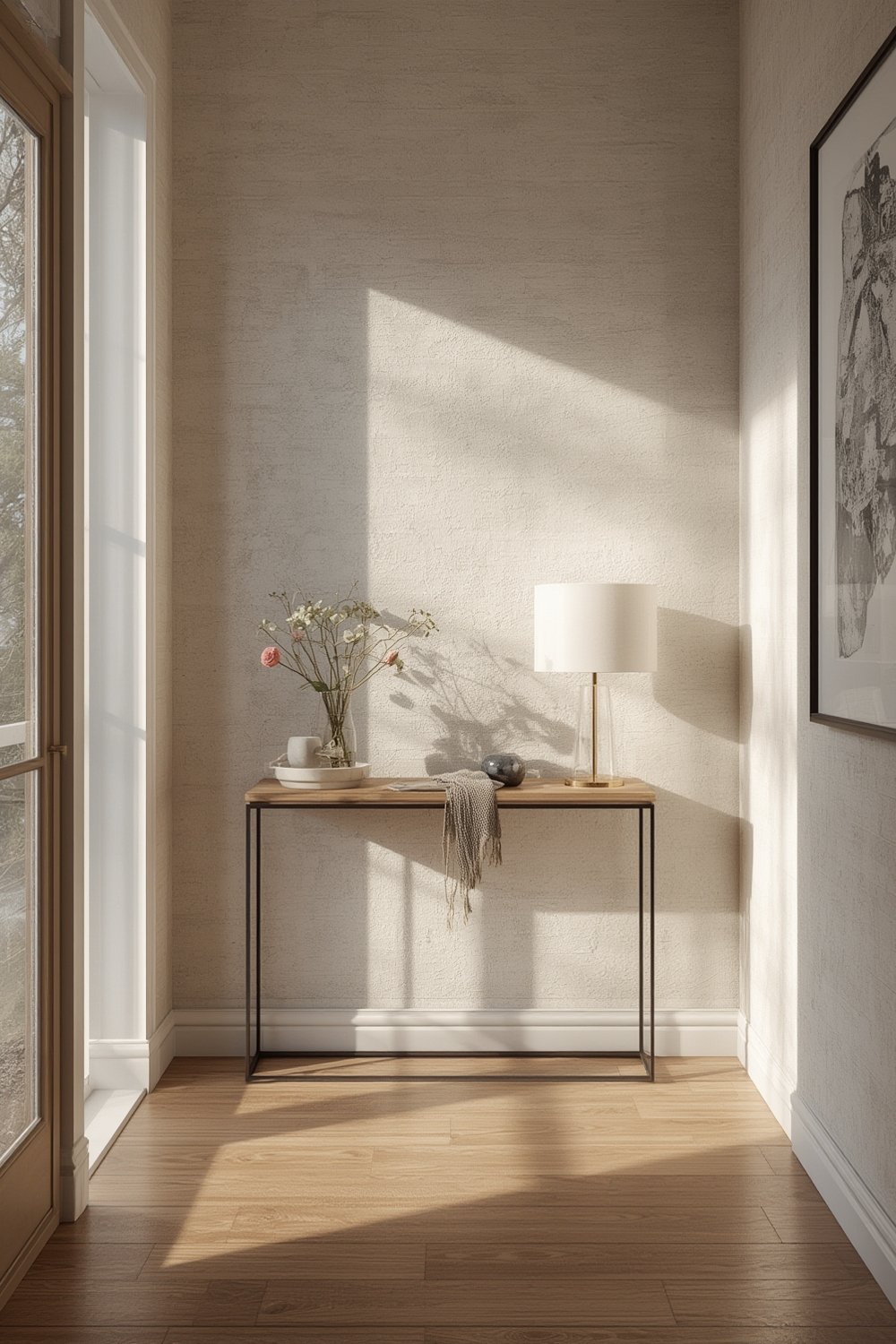
A thin entryway table is a narrow, shallow console designed for tight foyer spaces—think hallways between doors, small apartments, or any zone where standard-width tables simply won’t fit. These tables are typically defined by depths under 16.5 inches and widths ranging from 22 to 29 inches, with ultra-thin options dropping below 12 inches in depth for the narrowest spaces.
Thin entryway tables matter because they bring both form and function to zones that are often neglected or left cluttered. With space at a premium and more people living in apartments or older homes with tricky layouts, the right table can hold essentials like keys and mail, add a decorative vignette, and make the entry feel purposeful rather than cramped.
Material trends are shifting—glass and sintered stone are rising for their durable finish and stain resistance, while engineered wood and metal remain popular for lightweight, affordable choices. Styled vignettes, layered displays, and slim storage are in, reflecting a move towards more intentional, styled entryway spaces. (console table trends, entryway trends, top narrow console tables)
Step-by-Step Guide: How to Choose and Use a Thin Entryway Table
Buying a thin entryway table shouldn’t mean settling for wobbly, impractical, or boring furniture. Here’s how to make sure it fits—physically and stylistically—while meeting safety and durability standards.
- Define your needs and measure your space.
Identify if you only need a landing spot for essentials, or if you also want hidden storage (drawers/cabinets) or open shelving for shoes and bags. Typical thin entryway table depths are 8.75–16.5 inches. For extremely tight spots, stick to 12 inches or less. Measure hallway width, consider door swing, and account for high-traffic flow. - Choose the right dimensions.
– For micro-hallways or apartments: keep width under 24 inches, and depth 12–14 inches.
– For standard small hallways: 22–29 inches wide, 13–16.5 inches deep.
– For irregular foyers: half-moon or quarter-moon tables offer flexibility in corners or spanning odd widths. - Prioritize durability and maintenance.
Sintered stone and tempered glass offer the best scratch, stain, and water resistance—ideal for messy entries. If choosing MDF or engineered wood for budget reasons, check for sealed finishes and review care instructions. For high-traffic zones, choose dark surfaces or wood grain that won’t show every scuff. - Weigh stability and assembly.
Not all slim tables are created equal—many budget options can feel flimsy. Look for tables rated to hold at least 50–100 lbs, and check if any models are fully assembled (best for small spaces). Read reviews for complaints about wobbly legs, rough edges, or overly sharp corners, especially if you have kids or pets. - Style and accessorize intentionally.
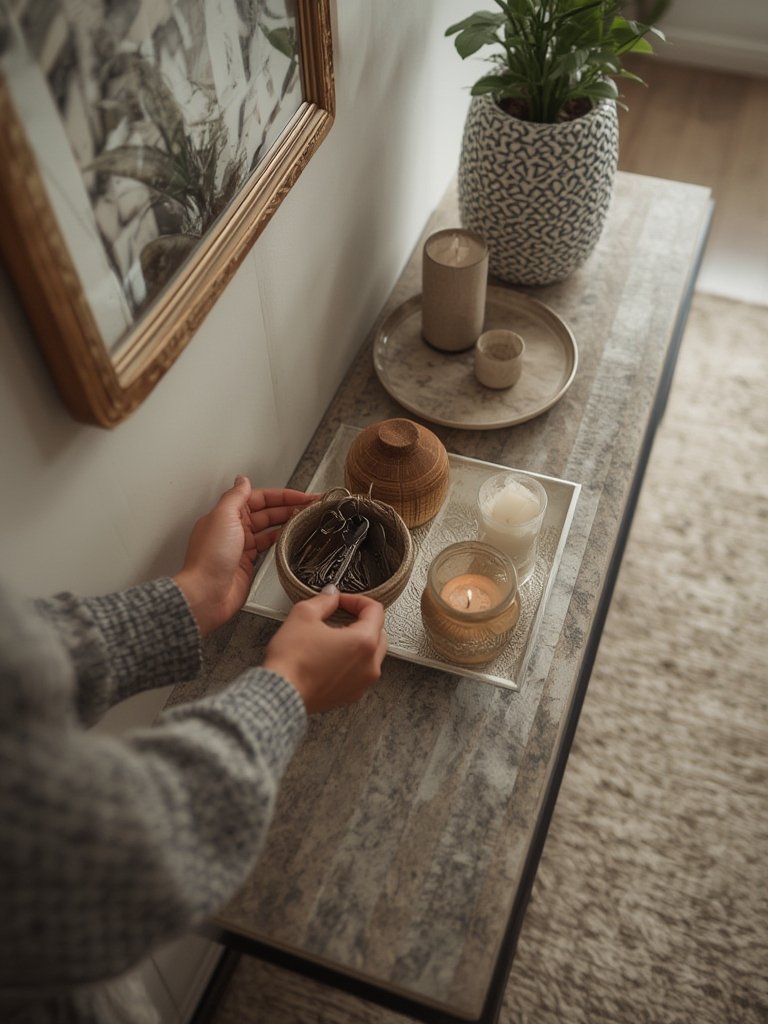
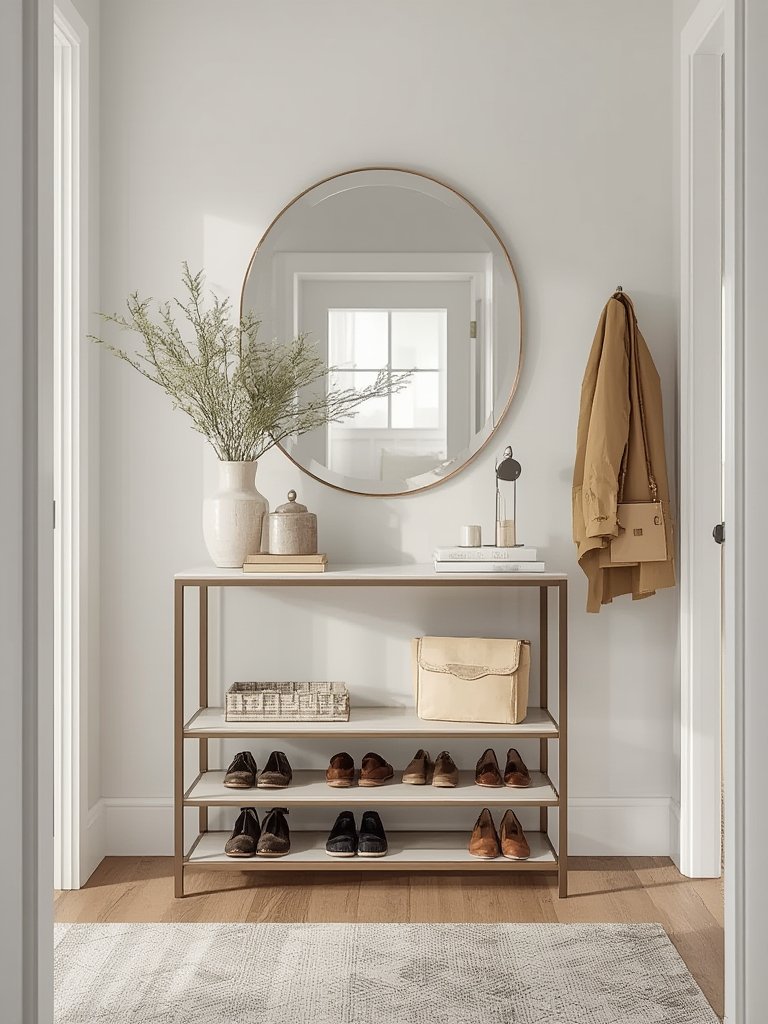
Follow the newest design trends by layering trays, art, or greenery with functional items. Consider adding a statement lamp, mirror (see these entryway mirror ideas), or small gallery wall above your table for a cohesive look. Open shelving or mesh slipper racks underneath can serve dual functions.
- Don’t ignore weight limits. If you plan to display heavy pottery, stacks of books, or add baskets under the table, verify the table’s listed capacity (look for 300 lbs for premium models, or at least 100 lbs for budget tables). Many listings skip this detail—so when in doubt, contact the seller before purchase.
- Maintenance matters. For stone tops or glass, clean spills promptly and avoid harsh cleaners. For engineered or solid wood, follow manufacturer instructions. Tables in high-traffic homes with pets and kids may require more frequent dusting and a more durable finish—see our self-emptying robot vacuum picks for automating cleaning.
If you’re still deciding, check curated lists and detailed comparisons at our best product picks and recommendations hub and see how these pieces fit in broader organic modern kitchen designs.
Advanced Analysis & Common Pitfalls
Even seasoned decorators hit snags when it comes to thin entryway tables. Here’s what often goes wrong and how to avoid the most common mistakes.
| Issue | Description | How to Avoid |
|---|---|---|
| Poor Fit – Wrong Dimensions | Table is either too deep, obstructs walkway, or too short to be usable. | Always measure both wall and clearance space; never rely on “small” marketing claims alone. |
| Lack of Weight Capacity | Surface bows or legs wobble if overloaded. | Seek published weight specs – avoid models without a minimum 50 lbs capacity. |
| Surface Durability | Scratches, stains, or peeling on MDF or cheap veneer in a few months. | Invest in sintered stone, tempered glass, or real wood if high-traffic or messy entry. |
| Assembly Hassles | Complicated build in a cramped hallway; missing parts or unclear instructions. | Prioritize tool-free, pre-assembled, or fully assembled tables—especially if space is extremely tight. |
| Sharp Corners & Edges | Safety risk for kids or clumsy guests. | Choose tables with rounded corners or add removable corner bumpers if needed. |
| Lack of Storage | No drawers/shelves leave entries cluttered again. | Select models with open shelving or at least one drawer, or add on-wall storage. |
Note: Retailers offering specialty pieces—like those at HTGT Furniture—price for designer finish and materials. Consider these if you’re seeking unique statement designs or exceptionally high-end materials.
Conclusion
Choosing the right thin entryway table comes down to careful measurement, honest assessment of your needs, and close attention to material and build quality. Prioritize tables that fit both your wall and lifestyle, and don’t neglect key specs like weight capacity and durability—especially in high-traffic zones or small apartments. Want more actionable ideas for home upgrades? Explore our top product picks and recommendations and see how a boneless couch or fluted glass cabinet pairs with your new thin entryway table for a streamlined, modern home. Ready to transform your foyer? Start measuring, compare your options, and pick a table that will actually work for you.
FAQ
What are the standard dimensions for a thin entryway table?
Most thin entryway tables measure 22 to 29 inches wide and 8.75 to 16.5 inches deep. For ultra-tight spaces, look for options under 12 inches in depth and less than 24 inches wide.
What material is best for durability?
Sintered stone and tempered glass tops are the most durable and resistant to scratches and stains. Engineered wood and metal are good for lightweight, affordable options but require more careful care in busy homes.
How do I style a thin entryway table without making the foyer feel cluttered?
Use baskets, trays, or slim organizers to contain essentials. Limit decorative items to 2-3 layered pieces. Vertical additions—like lamps or art/mirrors—add height and focus without crowding the tabletop.
Are all narrow tables sturdy enough for heavy plants or decor?
No—many models lack published weight limits. Always check specs or contact the manufacturer. Premium tables like the Pottery Barn Burl Square offer up to 300 lbs capacity, but many budget options are best for lightweight items only.
What are some alternatives if my entry space is extremely tight?
Consider wall-mounted consoles, floating shelves, or corner half-moon designs. In extremely tight settings, go for under 12-inch depth or even on-wall hooks for a minimalist solution.
—