

tension rod shower caddy solutions are on the rise for anyone looking to organize a small or cluttered bathroom—without drilling holes or committing to permanent fixtures. Whether you’re a renter, working with a narrow shower stall, or just want flexible bathroom storage, tension rod shower caddies have a unique set of benefits and some surprisingly tricky pitfalls to consider. Let’s dig into what sets them apart, how to get the most out of your setup, and the critical mistakes even experienced DIYers make.
Key Takeaways
- Tension rod shower caddies use ceiling-to-floor space in tight bathrooms—no tools or drilling required.
- Stainless steel dominates for durability and rust resistance, but not all designs fit every ceiling height or weight requirement.
- Ceiling height limitations, rust prevention options, and true shelf customization are still under-discussed but essential for long-term satisfaction.
- The Core Concept: What Makes a Tension Rod Shower Caddy Unique?
- Step-by-Step Guide: Choosing & Installing the Right Tension Rod Shower Caddy
- Advanced Analysis & Common Pitfalls of Tension Rod Shower Caddies
- Conclusion
- FAQ
The Core Concept: What Makes a Tension Rod Shower Caddy Unique?
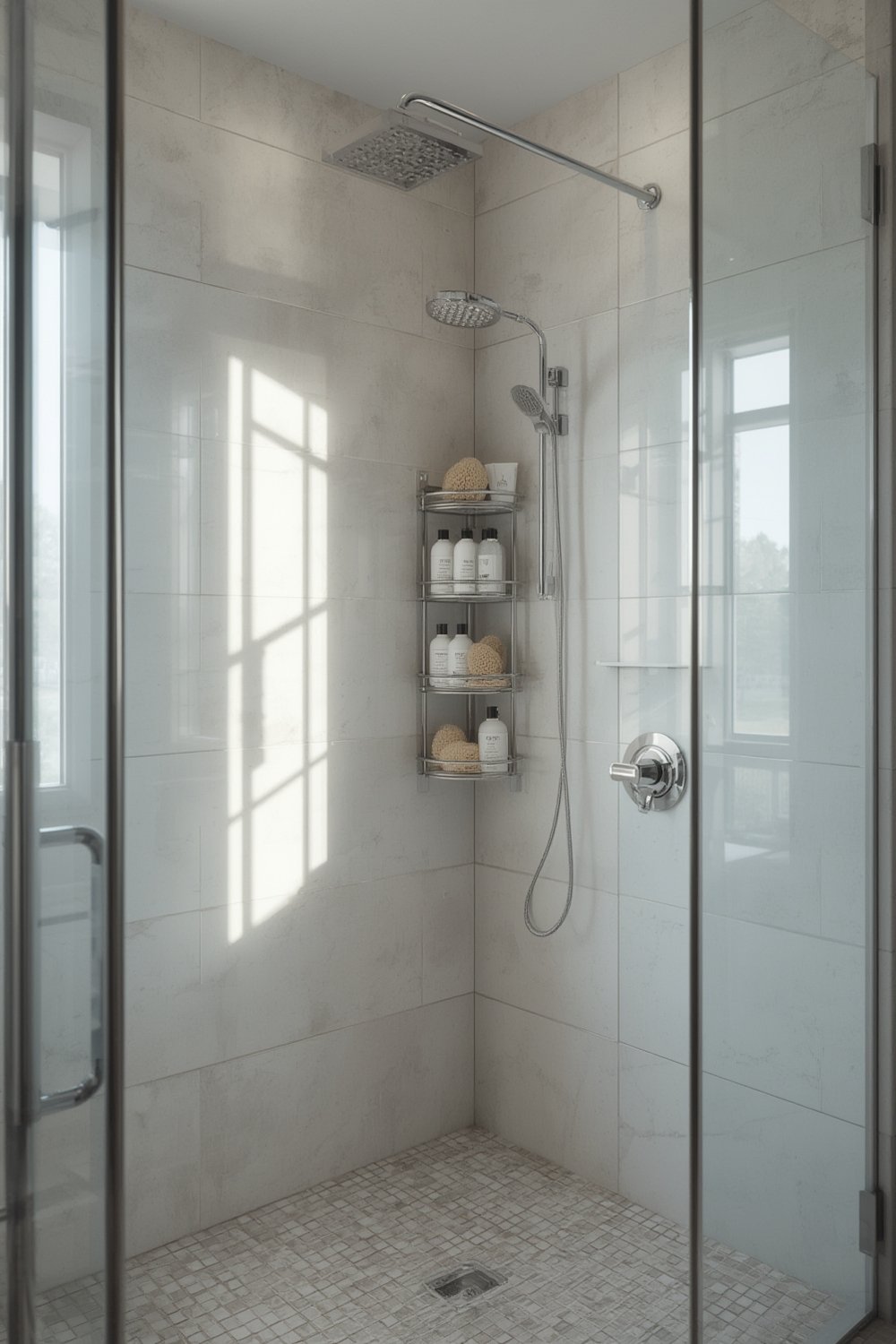
Tension rod shower caddies are vertical organizers that use a spring-loaded or twist-lock rod to create upward pressure between the ceiling and floor (or tub edge) in your shower. This design means you don’t have to drill into tile or walls. Instead, you gain instantly adjustable shelves to corral shampoo bottles, razors, and bath toys—even in oddly shaped, narrow, or rental bathrooms where hanging caddies or wall shelves simply don’t work.
Compared to typical hanging caddies (which snag on your shower head or slip off), tension rod shower caddies excel at using wasted vertical space—especially in corners or stalls too narrow for shelving but with ceiling height to spare. Stainless steel versions are especially popular: in 2024, they grabbed over 40% of the global shower caddy market due to their corrosion resistance and durability (source). These caddies conveniently avoid permanent changes, which is ideal for anyone who rents or simply dislikes patching tile holes after a remodel.
Step-by-Step Guide: Choosing & Installing the Right Tension Rod Shower Caddy
Not all tension rod shower caddies are built equal. Picking the right one (and setting it up to last) comes down to your actual shower space, your ceiling height, and the weight you expect to store. Here’s a realistic, actionable installation game plan:
- Assess Your Space
Use a tape measure to get the true height from floor (or tub edge) to ceiling above your intended mounting point. If installing in a corner, measure diagonal distances as some caddy shelving curves relieves tightness but demands extra length. - Check Technical Specs
Look for caddies with an adjustable range that matches (or slightly exceeds) your measured height. Stainless steel models remain the top pick for long-lasting performance. If you plan on heavy storage (like oversized bottles), look for reinforced rods or those rated with higher weight capacity, even if the numbers aren’t always published. - Survey Your Ceiling Material
Smooth tile, popcorn ceilings, or painted drywall all grip differently. On slick ceilings, extra pads or a mild adhesive may be needed for stability. - Install the Rod
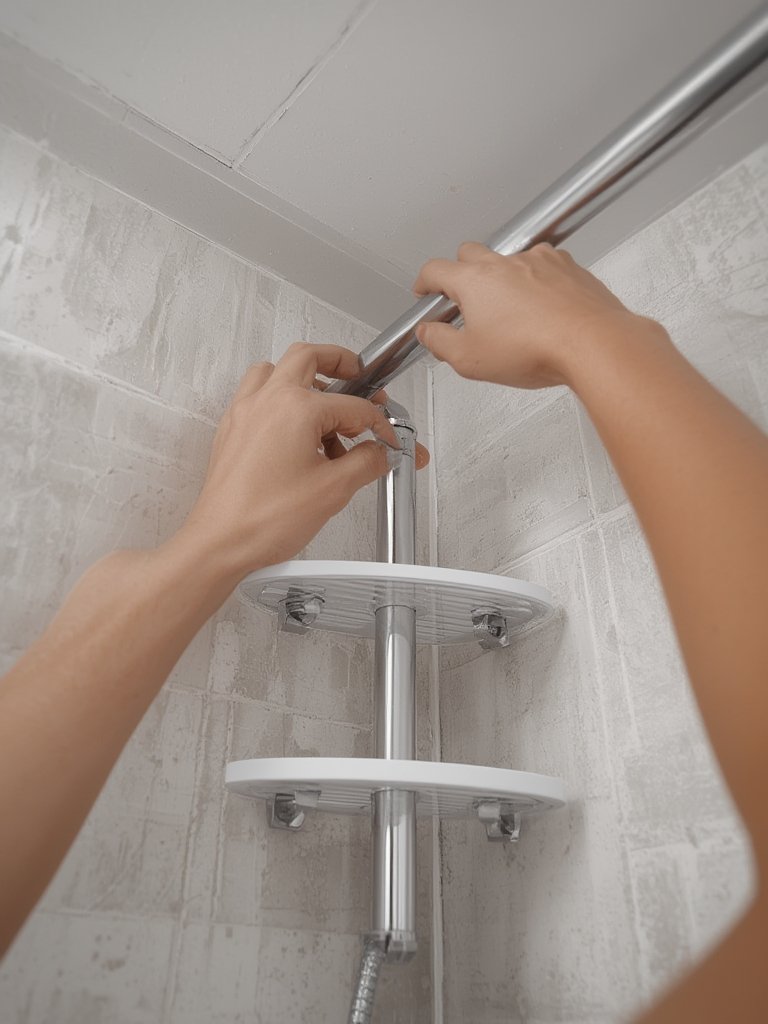
Assemble as directed—usually by twisting to length or using an internal spring for compression. Add shelves before securing in place for easiest setup. - Test for Stability
Press downward on the highest shelf after installation to be sure the rod holds firm and doesn’t budge or bow. If it wobbles, adjust pressure, reposition ends, or try anti-slip aids.
- Customize Shelves: Modern brands like Delta and Moen introduce modular pieces and adjustable heights. Choose models with movable shelves—especially if your bottles or accessories come in unusual heights.
- Maintain Regularly: Hard water can build up even on stainless steel. Wipe down rods and shelf joints with a soft cloth weekly. Use a mild, non-abrasive cleaner to prevent corrosion, extending your caddy’s life.
- Upgrading? Look for premium models from brands like YASONIC or EUDELE for thicker rods, antimicrobial coatings (as seen in Moen’s 2024 lineup), or eco-friendly materials if sustainability is important (see source). Explore reviews on home improvement product picks for hands-on comparisons and current recommendations.
Advanced Analysis & Common Pitfalls of Tension Rod Shower Caddies
It’s easy to assume a tension rod shower caddy will “just work”—but real-world use reveals recurring traps and limitations:
| Feature | Tension Rod Caddy | Hanging Caddy | Wall-Mount/Screw Shelf |
|---|---|---|---|
| Space Efficiency | Maximizes corner & vertical space | Depends on shower head space | Permanent, customizable space |
| Installation | No tools/drilling | No tools/drilling | Requires drilling/tools |
| Stability (Long-Term Use) | Good initially; may loosen without regular checks | Slips if overloaded or unbalanced | Very stable once installed |
| Ceiling Height Limit | Most limit at 8–9 ft | Not relevant | Customizable on any wall |
| Rust Potential | Low (stainless steel); watch shelf joints | Moderate (depends on finish) | Low if materials are quality |
| Customization | Adjustable shelves (some limited) | Fixed layout | Fully custom layout |
| Rental Friendly | Yes | Yes | No (holes left behind) |
- Ceiling Height Surprises: Most tension rod caddies adjust only up to standard ceilings (8–9 feet). Trying to stretch them farther risks collapse or rod bending. If you have extra-high ceilings, you may need to buy a specialty or extension rod—or rethink your solution (source).
- Rust Isn’t Always Prevented: Even with stainless steel, water seeps into shelf joints, weld seams, or where shelf brackets meet rods. Models with protective coatings or modular plastic shelves can last longer in hard water zones.
- Shelf Limits: Not all caddies offer true shelf customization. Some only let you choose limited pre-set positions, which can restrict tall bottles or make room for awkwardly shaped items a challenge—something top modular alternatives are beginning to address.
- Maintenance Is Key: Skipping monthly checks for slip or rust can shorten caddy life dramatically—even premium units need adjusting after deep cleans or several hot showers in a row.
For alternative ideas, compare with simple kitchen storage solutions, or see why modular systems (like adjustable shelving) have grown in popularity for flexible spaces, including bathrooms.
Conclusion
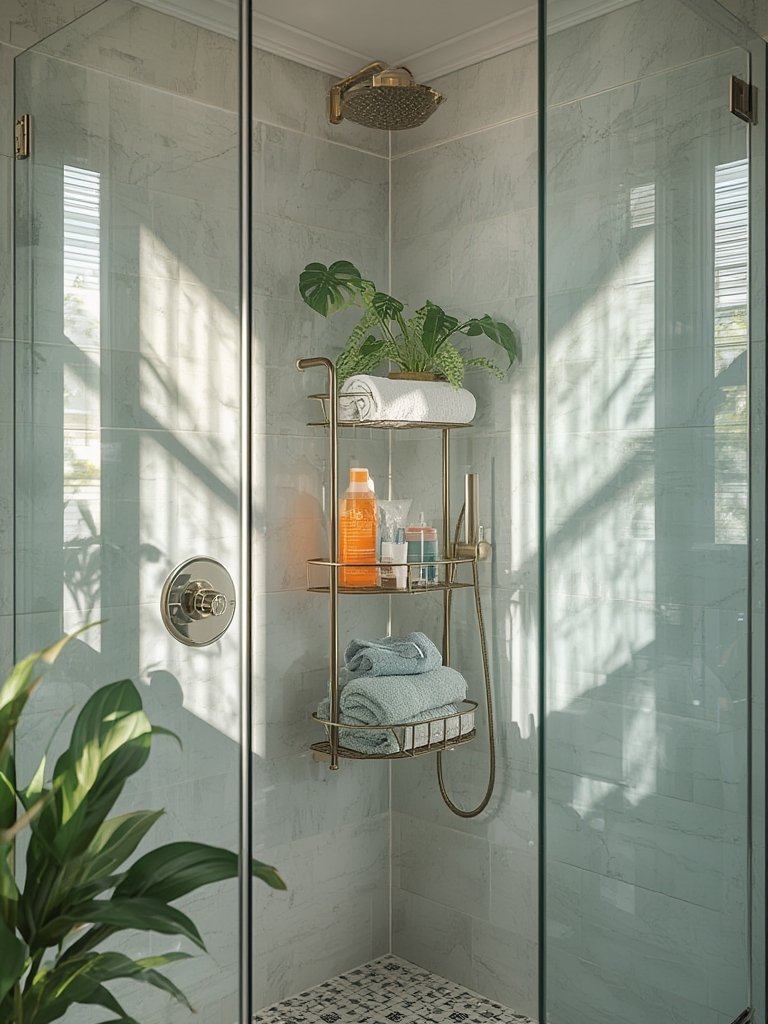
Organizing your bathroom with a tension rod shower caddy allows you to unlock vertical space, keep toiletries at arm’s reach, and avoid drilling holes in rental units or tile. Just remember: always match your purchase to your ceiling height, storage needs, and be diligent about rust and stability checks. As product features evolve, expect even more options for customization, antimicrobial finishes, and premium durability. If you want advice on other organizational upgrades or home reno topics, be sure to check our product buying guide for 2024.
Start simplifying your bathroom routine—choose the right tension rod shower caddy for your needs today.
FAQ
What ceiling heights can tension rod shower caddies fit?
Most tension rod shower caddies are adjustable up to 8 or 9 feet. Double-check your ceiling before buying, as these rods won’t work for higher or sloped ceilings without purchasing special extensions.
Can tension rod shower caddies support extra-heavy bottles?
High-quality stainless steel caddies can hold regular shampoo and soap bottles, but overloading shelves or stacking very heavy items causes rods to sag or slip. Look for models with reinforced rods or rated weight capacity.
Will my caddy rust over time?
Stainless steel caddies are less likely to rust, but poorly coated shelf joints and welds can eventually corrode—especially in very humid or hard water showers. Wipe down joints regularly and consider a model with additional protective coatings.
How do I stop my tension rod caddy from slipping?
Make sure it’s set at the correct pressure level and add non-slip rubber gripper pads to the rod ends. If your shower has slick tile or painted ceilings, this step is essential for stability.
Is installation really tool-free for all models?
Most tension rod caddies install with no tools, but a few may require minor hand tightening or a screwdriver for extra shelf brackets. Always review the manual for your specific brand.