

Sub zero fridge units are not just a status symbol—they’re a core player in today’s high-end kitchen designs, delivering powerful preservation technology and sleek, fully integrated looks that homeowners and builders now demand.
Key Takeaways
- Sub-Zero fridges offer industry-leading food preservation and built-in options, but buyers should carefully weigh cost, installation, and real-world reliability factors.
- Dual refrigeration, NASA-inspired air purification, and advanced design integration help Sub-Zero command a 14% luxury market share.
- Practical installation guidance and ownership costs are often glossed over in reviews—understand both before investing.
- What Is a Sub-Zero Fridge & Why Are They So Popular?
- How to Choose and Install the Right Sub-Zero Fridge
- Sub-Zero vs. Competitors: Advanced Analysis, Problems, & Pitfalls
- Conclusion
- Frequently Asked Questions
What Is a Sub-Zero Fridge & Why Are They So Popular?
Sub-Zero fridges are the gold standard in the luxury cold appliance market. These refrigerators stand out due to their unmatched food preservation features, seamless integration with high-end cabinetry, and a reputation built on proprietary US-made compressor tech. What makes a Sub-Zero fridge desirable is not only its temperature control, but also its ability to fully vanish into your kitchen’s design—especially with the surging demand for panel-ready models and custom-integrated appliances.
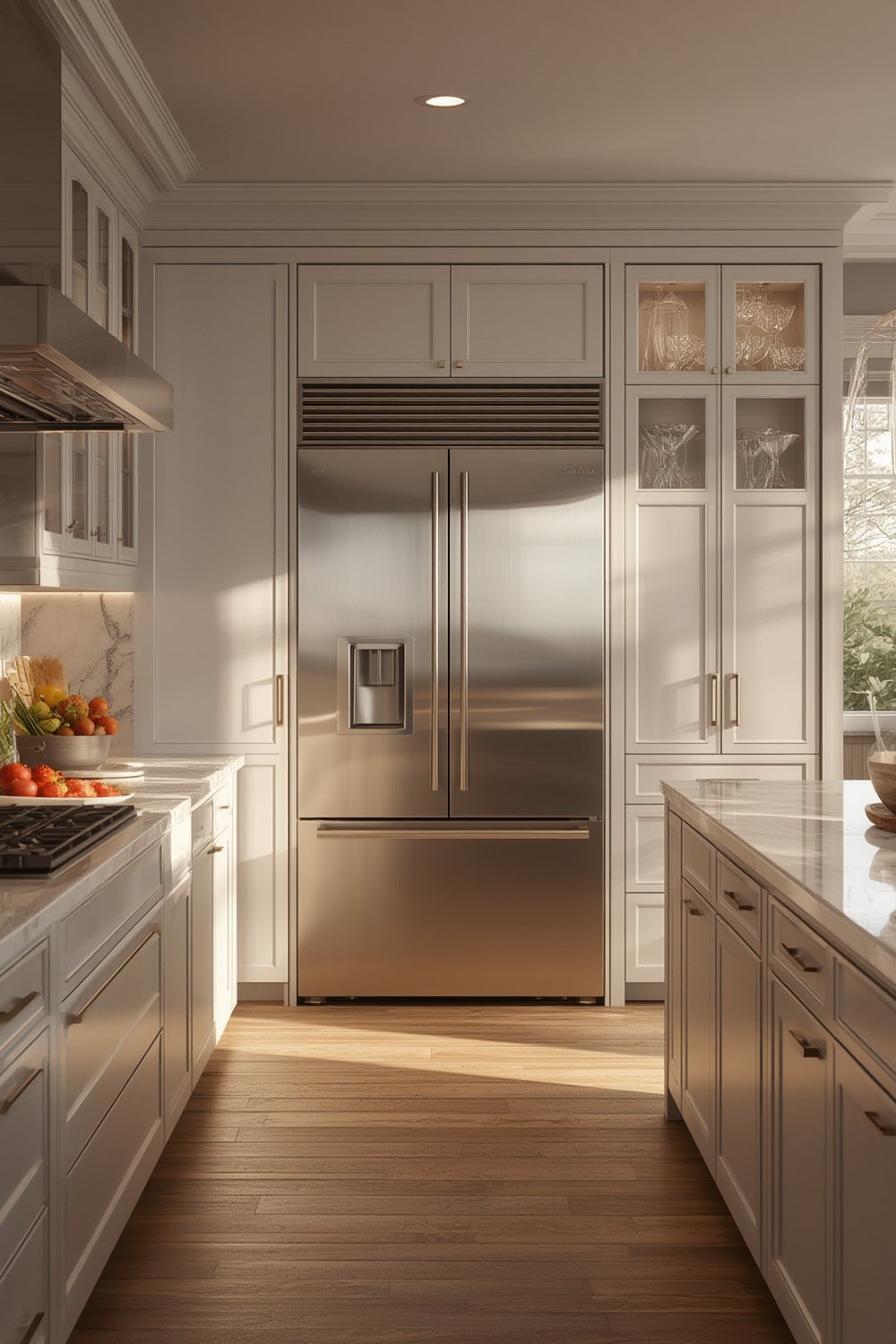
Why is Sub-Zero so dominant? First, it owns approximately 14% of the North America luxury appliance market, a figure that reflects not just popularity but trust among designers and homeowners. Second, innovative technology—like their dual refrigeration system—prevents odor transfer and maintains food freshness days longer than conventional setups. And finally, their integration with cabinetry (especially panel-ready styles) is perfect for modern and organic kitchen designs (see our guide here).
As luxury kitchen remodels grow, Sub-Zero leads market trends in features and looks. Still, these units are a serious investment, so understanding what sets them apart matters before purchase or installation.
How to Choose and Install the Right Sub-Zero Fridge
Selecting a Sub-Zero fridge isn’t just about picking a size. It’s about matching advanced features, layout requirements, integration methods, and your refrigeration needs. Here’s the actionable, step-by-step approach:
-
Assess Your Refrigerator Needs
Do you need a full built-in suite, an undercounter model, a beverage center, or a column fridge? Sub-Zero’s offering includes traditional French-door, column, undercounter, and wine storage units. Long-term, choosing columns (fridge and freezer separate) can add flexibility for future renovations or replacements (market data). -
Decide on Finish: Panel-Ready vs. Stainless
For seamless kitchens, panel-ready (integrated) models let your fridge disappear behind cabinet doors. If you want a professional look, stainless options are still popular. For ideas on integrating, check out kitchen remodel best practices in our backsplash tile kitchen guide or organic modern kitchen guide. -
Account for Dimensions, Venting, and Door Swings
Sub-Zero fridges come in non-standard sizes. Accurately measure cabinetry, note ceiling heights, toe-kick space, and plan for the unique venting required. Get the full spec sheet for any model before ordering. For builders, consider compatibility with nearby cabinetry and whether your kitchen designer or contractor has experience with high-end appliance integration. -
Plan Electrical & Plumbing in Advance
Sub-Zero models typically require a dedicated circuit. water lines are needed for ice/water features. Pre-run all utilities and triple-check access before the appliance arrives. -
Schedule Professional Installation—Don’t DIY
Unlike most consumer refrigerators, Sub-Zero units are heavy and complex. For zero-clearance hinges and panel-ready integration, pro installation ensures warranty coverage. For other home installations needing expertise, see our advice: how to choose a home remodel company. -
Optional: Add Smart Features & Accessories
If you want built-in air purification or advanced food monitoring, explore the latest accessories or see if your model supports add-ons. Note: Sub-Zero’s smart tech lags other brands like Samsung’s Bespoke AI, but their food preservation remains best in class.
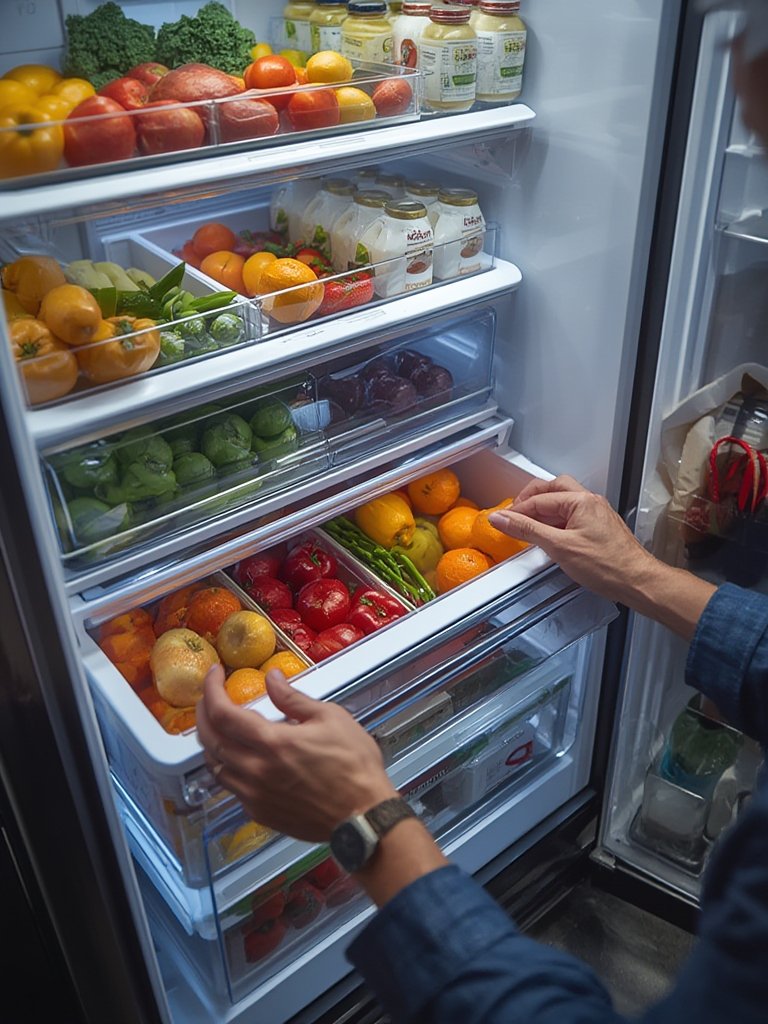
Installation isn’t just about putting the fridge in place. Builders recommend pre-ordering your Sub-Zero at least 3 months before cabinetry is delivered, to avoid delays from long lead times (though Sub-Zero’s US-based compressor manufacturing generally shortens these compared to other high-end brands). Communicate installation timing with remodelers and double-check site conditions the day before delivery. Some kitchen pros even prefer to install the fridge before final floor finishing, to avoid damage during appliance moves.
Don’t forget your appliance light bulbs. Sub-Zero units use specialty bulbs; replacements can be sourced using our appliance light bulbs guide.
Sub-Zero vs. Competitors: Advanced Analysis, Problems, & Pitfalls
Even with all their strengths, Sub-Zero fridges have real-world drawbacks. Here’s what buyers and pros must watch for, plus a reality check on how Sub-Zero compares to brands like Miele, Viking, and Samsung:
| Feature | Sub-Zero | Viking | Miele | Samsung (Bespoke) |
|---|---|---|---|---|
| Core Preservation Tech | Dual compressors, NASA-inspired air purification, magnetic crispers | Single compressor, basic filtration | Dynamic cooling, premium air filter | AI diagnostics, digital artwork display |
| Panel-Ready Options | Yes—leading design trend | Limited | Yes, but not as flush | No, integrated touch glass front |
| Reliability & US Service Network | Strong, US-built compressors, 2-week lead times | Good, but recent parts delays | Excellent, but European parts delays | Strong, rapid service but less premium build |
| Smart Home Features | Basic, less advanced than others | Minimal | Moderate | Industry-leading |
| Total Cost of Ownership Data | Not fully transparent—research needed | Limited public data | Little public info | Widely available |
Common Pitfalls & Problems to Know
- Installation Is Technical: Sub-Zero fridges require ultra-precise cabinetry work. Poor installation can cause door misalignment, panel gaps, or void warranties. Always use professionals familiar with the brand.
- Total Ownership Costs Are Opaque: The sticker price does not include custom panel fabrication, pro installation, or long-term maintenance costs. Warranty and repair pricing can be higher than mass-market brands. For ongoing efficiency, consider a best home water filters system to extend your ice maker life.
- Reliability Data Lags vs. Competitors: While Sub-Zero is known for durability, little public data exists on actual service call frequency or lifespan compared to rivals. Owners should plan for periodic professional servicing, especially as appliances age.
- Smart Features Limitations: While food preservation tech is advanced, Sub-Zero’s connectivity features are basic. Brands like Samsung lead in app control and predictive maintenance alerts.
- Lead Times & Market Demand: Seasonal surges in demand can mean months-long delays for popular models. If your kitchen project is time-sensitive, reserve your fridge well in advance.
External research confirms these points—read the full North America Luxury Appliances Market analysis and check the global luxury appliance report for growth trends and market share details. If you’re evaluating product longevity, sources like Consumer Reports or direct owner communities are required for up-to-date complaint and durability data.
Conclusion
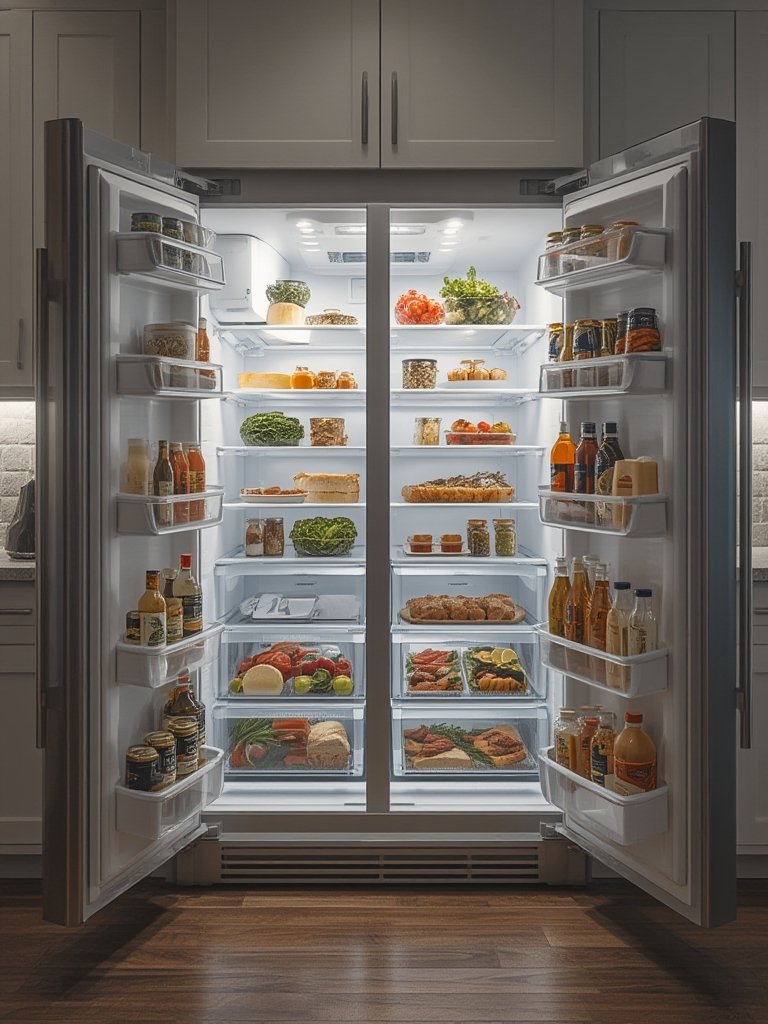
Sub-Zero refrigerators represent the pinnacle of kitchen integration and food preservation, reflected in their strong market share and technological edge. However, the true cost of ownership includes careful planning for installation, potential delays, ownership costs, and ongoing service. If you’re considering a sub zero fridge for your next remodel, weigh its premium advantages against these realistic challenges—and always work with experienced pros to maximize your investment.
Ready to take your kitchen to the next level? Review our top product picks and recommendations or browse real-world organic kitchen upgrade ideas for inspiration.
Frequently Asked Questions
Are Sub-Zero fridges really worth the high price?
For many buyers, Sub-Zero delivers exceptional food preservation and long-term value, especially through advanced tech and integrated looks. However, installation, ongoing maintenance, and part costs are higher than standard brands, so evaluate your priorities and budget first.
What’s special about Sub-Zero’s dual refrigeration?
Dual refrigeration means separate compressors for the fridge and freezer sections, preventing flavor and odor transfer and allowing more precise temperature/humidity control—excellent for food freshness but more complex to maintain.
Can I install a Sub-Zero fridge myself?
It’s strongly discouraged. Sub-Zero integration typically requires professional installers—with precision tools and cabinetry skills—to ensure correct fit, operation, and maintain the warranty.
How long do Sub-Zero refrigerators usually last?
Sub-Zero fridges are built for longevity, often surpassing 15 years with proper maintenance. However, service intervals and repairs can be costly, so plan for scheduled professional checkups every few years.
Do Sub-Zero fridges have smart connectivity or app controls?
Some Sub-Zero models feature basic smart functionality, but options are more limited compared to Samsung or LG. The focus remains on core preservation features rather than a digital ecosystem.