

Skate plate circular saw guide solutions are changing how both DIYers and pros make straight, repeatable cuts—without relying on expensive saw rails or basic edge guides.
Key Takeaways
- Skate plate circular saw guides make wide, repeatable cuts with more stability and less setup than old-fashioned clamp or rail guides.
- Most models are highly portable and compatible with a range of saws, but users should check limits on width and fit before buying.
- The market lacks in-depth reviews and third-party data, so test your guide thoroughly and watch for fit or accuracy issues.
- What Is a Skate Plate Circular Saw Guide?
- How to Use a Skate Plate Circular Saw Guide: Step-by-Step
- Advanced Analysis & Common Pitfalls
- Conclusion
- FAQs
What Is a Skate Plate Circular Saw Guide?
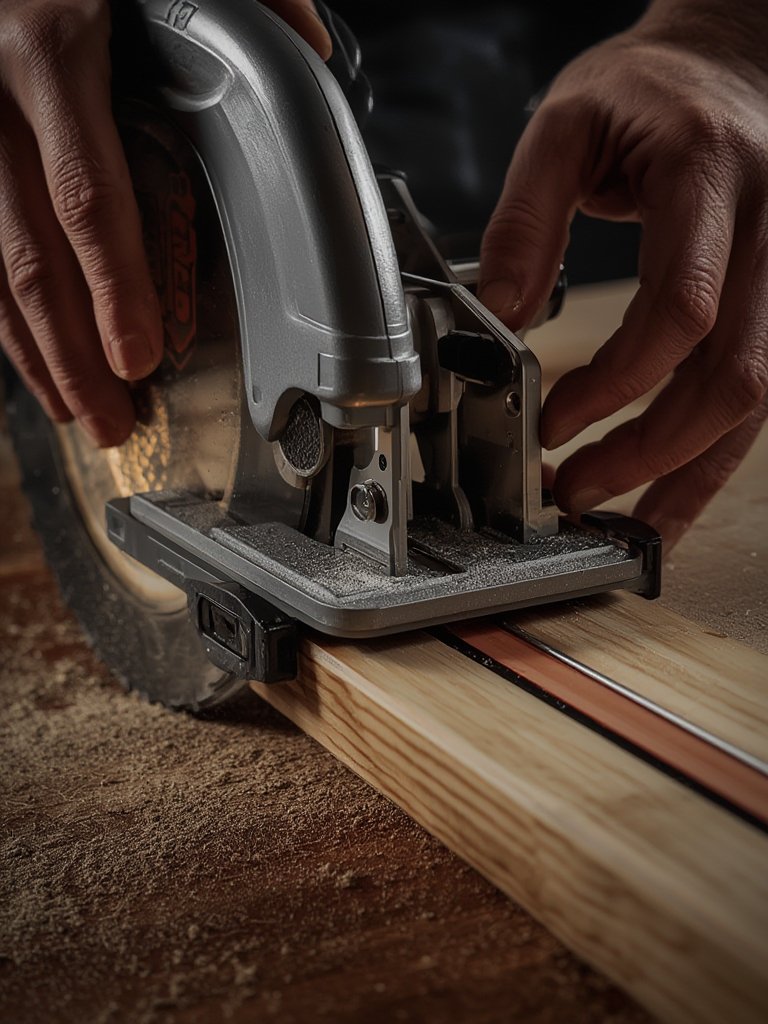
A skate plate circular saw guide is a specialty accessory designed to help you cut long, straight lines with a handheld circular saw—fast. Unlike generic clamp guides or guide rails, a skate plate combines a rolling chassis (literally wheels or rollers) with a parallel fence. This means the saw rides along your material with improved control, less friction, and fewer chances of wandering off your line. The result: more accurate, consistent cuts without wrestling a heavy track system or buying a dedicated track saw.

These guides have gained momentum as both hobbyists and contractors look for simple solutions to make wide parallel cuts (rips) in plywood, MDF, or panels. The SKATEGUIDE® by SkatePlate is a typical example, featuring a “rip fence” design and a roller head that lets you cut up to 13 inches wide [source].
Why choose a skate plate guide? It’s about speed, repeatability, and portability. Where a traditional rip fence can flex or drift—or a guide rail takes time to set up—a skate plate lets even beginners produce results comparable to much pricier systems.
However, while there is abundant industry and market data about circular saw blades (worth more than $11 billion globally in 2024 [see data]), true skate plate guides remain a niche with limited technical third-party testing or broad expert consensus—so practical user learning is vital.
How to Use a Skate Plate Circular Saw Guide: Step-by-Step
Ready to cut straighter, faster, and with more confidence? Here’s a detailed workflow to make the most of your skate plate circular saw guide.
- Check Skate Plate and Saw Compatibility.
Most skate plate guides are universal for common 6-1/2″ and 7-1/4″ saws, but double-check your saw base plate size and bolt pattern. Ensure the rollers clear the motor housing and the fence secures tight. - Install Your Circular Saw.
Detach the factory base if needed. Mount your circular saw to the skate plate using supplied screws or quick-release features. Make sure the blade remains square to the plate and fence during assembly. - Adjust the Rip Fence Width.
Set the fence to your desired cut width (for instance, up to 13 inches on the SKATEGUIDE®). Lock it in place. Always measure from the saw blade’s cut edge, not the outer size of the base or rollers. - Mark and Prep Your Workpiece.
Line up your cut mark and clamp the panel securely. Remember, the skate plate’s edge must follow your reference edge for accuracy. Taping the cut line also helps reduce splintering on delicate surfaces. - Make the Cut—Smooth, Steady Motion.
Start the saw away from the material. Guide the skate plate fence firmly against the edge throughout the entire cut. Let the rollers support weight; avoid forcing the saw or veering from the edge. - Finishing Up.
Double check with a square or measuring tape. Recalibrate the fence or rollers if the cut wanders. Practice makes perfect—so repeat on offcuts for best results.
If you’re outfitting a full DIY setup, check out the different types of measuring tools you’ll need for keeping everything accurate. Also, upgrading to a best cordless drill for home use speeds up repetitive fence adjustments compared to manual thumbscrews.
Don’t forget about shop safety: a spirit level can quickly confirm your material is flat before starting. Organize your entire workspace using clever garage cabinets to prevent tripping or accidental damage to expensive guides.
Advanced Analysis & Common Pitfalls
Skate plate circular saw guides are fast and flexible, but not foolproof. New users (and even veterans) encounter some recurring issues:
- Compatibility Surprises: Not all saws fit every skate plate. Watch for baseplate bolts that don’t align well, or saws where the motor/battery obstructs the guide’s rollers or fence. Always verify your model first.
- “Slop” or Fence Flex: Repeated use can loosen some guides, leading to play in the fence adjustment. This results in less precise lines, especially when cutting multiple identical strips for a big project. Periodically check all hardware and recalibrate as needed.
- Limited Maximum Width: Most consumer skate plate guides allow up to 13″-16″ wide cuts. If your project calls for something larger (like wide shelves), you might need to go with a traditional straight edge or a different system.
- No User Reviews or Expert Data: Unlike track saws or brand-specific rail systems, there’s very little in-depth verified feedback about real-world durability, replacement parts, or warranty experiences. This means the learning curve is all yours.
- Risk of “Edge Wandering”: If the material edge isn’t truly straight, your cut may still drift. For rough lumber, consider jointing or trimming the edge first, or clamp a sacrificial guide strip for backup.
- Not a Complete Precision Substitute: For ultra-fine cabinetry or veneered panel work, a track saw or scoring pass may still be necessary for splinter-free results.
| Feature | Skate Plate Guide | Clamp Guide Rail | Freehand Cut |
|---|---|---|---|
| Max Cut Width | ~13″ (varies by model) | Technically unlimited (depends on guide length) | Unlimited |
| Setup Time | Under 2 min | 5–10 min per cut | No setup |
| Accuracy (Novice User) | Good | Excellent | Poor |
| Cost | Low–Mid | Mid–High (pro guide rails pricey) | Minimal |
| Portability | Excellent | Bulky | Best |
| Ideal Use | Sheetgoods, ripping, repeat cuts | Cabinetry, doors, ultra-straight lines | Framing, demolition |
For in-depth home workshop upgrades and equipment picks across categories, visit our top product picks and recommendations.

Conclusion
Skate plate circular saw guides offer a simple, portable solution for making fast, repeatable cuts in sheetgoods, standing out for their blend of ease and accuracy. They eliminate the learning curve of full guide rails and cost less than most track saw systems. But users should remain realistic: accuracy depends on good material edges, careful setup, and regular checks for fence play or mounting slop.
Since unbiased reviews and long-term durability data are lacking, it’s best to thoroughly test your skate plate circular saw guide and adjust as you go. If you’re ready to cut straighter and faster, consider adding a skate plate circular saw guide to your toolbox today.
Check out the latest garage organization tips and discover the best measuring tools for precision projects as your next step to a more efficient workspace.
FAQs
Can I use a skate plate circular saw guide with any circular saw?
Not always. Check the skate plate product specs and your saw’s baseplate. Some saws, especially with nonstandard bases, may not fit or allow the rollers to align properly.
How wide can I cut with a typical skate plate guide?
Most skate plate guides—for example, the SKATEGUIDE®—allow cuts up to 13 inches wide. Always verify the range before buying if your projects need wider rip cuts.
Is a skate plate as accurate as a clamp guide or track saw?
Skate plate guides offer good accuracy for most sheetgood work, but true track saws or clamp guide rails are generally more precise, especially for cabinet-grade projects.
What materials can I cut with a skate plate guide?
They are best for plywood, MDF, OSB, and similar sheetgoods. Hardwoods and rough lumber may require additional setup to ensure the edge is straight enough for the fence to reference.
What is the main downside of skate plate circular saw guides?
The biggest cons are limited width compared to guide rails, potential compatibility hassles, and lack of third-party user/test data. Always do a test cut before starting critical work.
—