

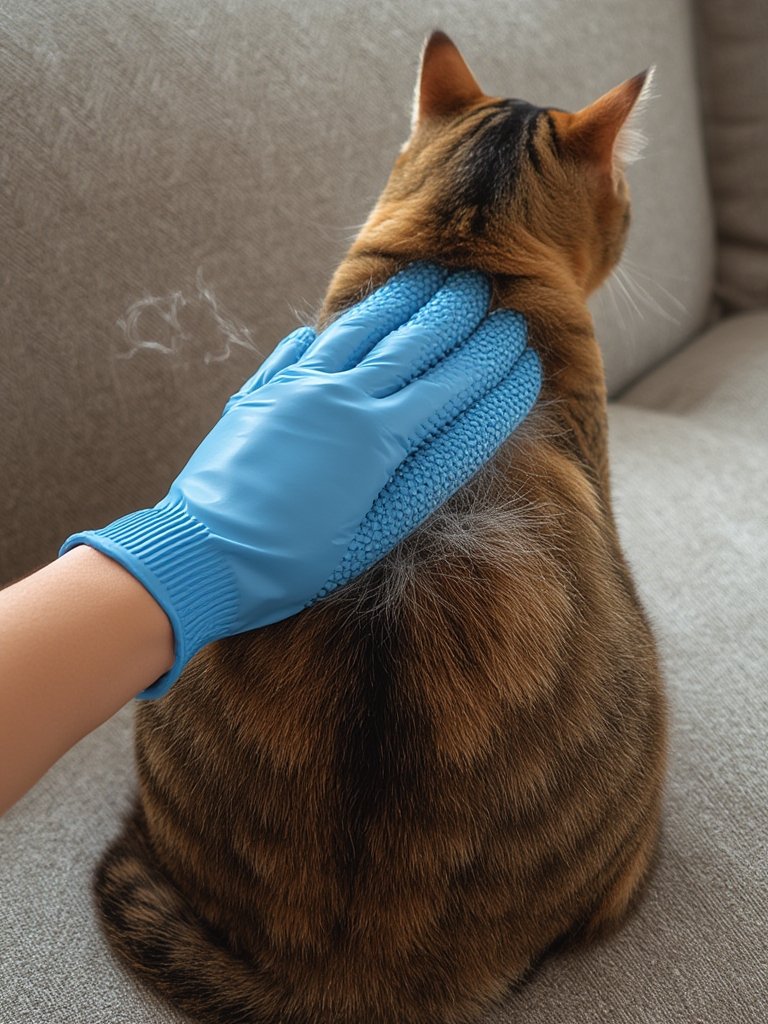
Pet hair remover glove is quickly becoming a must-have for pet owners tired of shedding on clothes, sofas, and car seats. This guide breaks down how pet hair remover gloves work, whether they’re worth the hype in 2024, and what you need to know before buying.
Key Takeaways
- The pet hair remover glove market grew to $1.14 billion in 2024, with strong North American sales and surging demand for practical shedding solutions.
- Rubber and silicone gloves make up the majority of high-performing, durable products—microfiber is popular for quick cleanups.
- Some gloves may disappoint on thick or curly coats—always check for material quality and fit specifics before buying.
- What Is a Pet Hair Remover Glove and Why Use One?
- How to Use a Pet Hair Remover Glove: Step-by-Step Guide
- Advanced Analysis and Common Pitfalls
- Conclusion
- FAQ
What Is a Pet Hair Remover Glove and Why Use One?
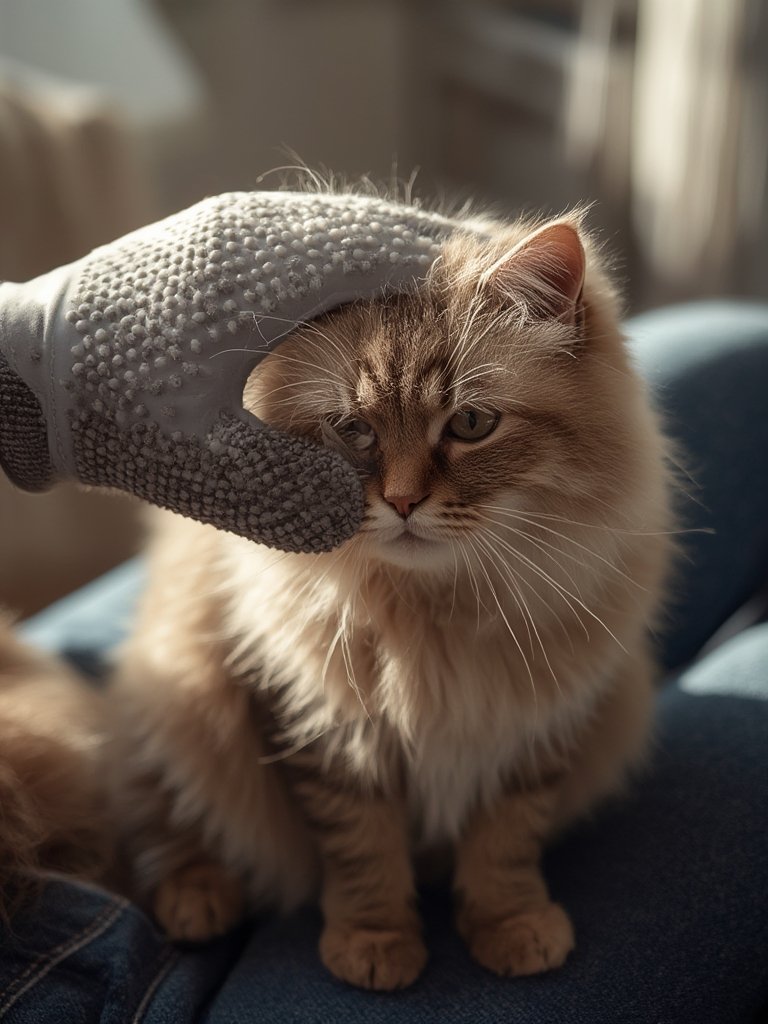
A pet hair remover glove is a flexible glove with textured surfaces—often made of rubber, silicone, or microfiber—designed for brushing excess hair off dogs and cats while gently massaging the skin. Unlike traditional brushes, gloves fit onto your hand, so you can pet your animal as usual and pick up loose hair directly in the process. This approach reduces anxiety for many pets and keeps your hands cleaner than using sticky rollers or manual combs.
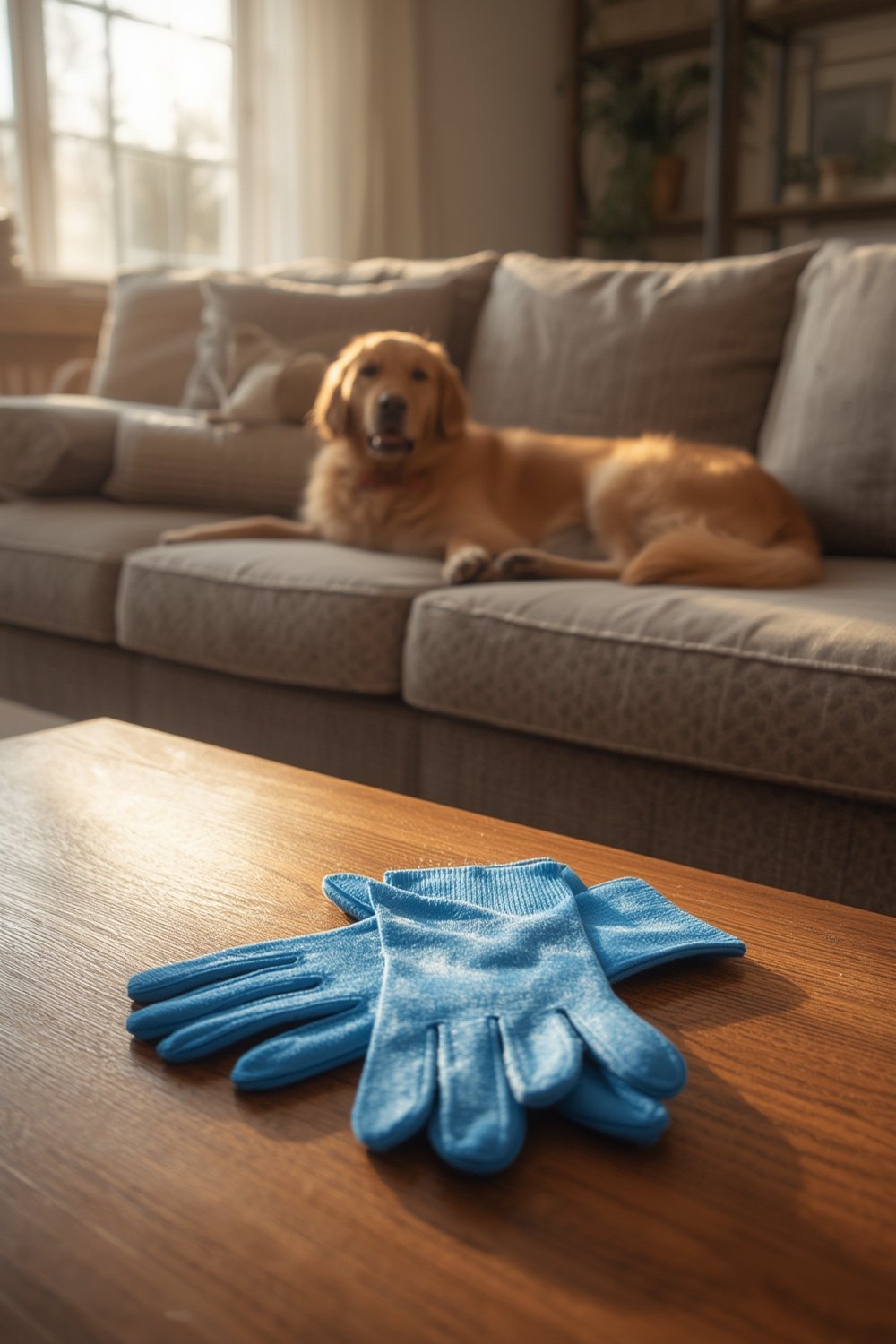
Demand for these gloves is surging. In 2024, the global pet grooming glove market was valued at $1.14 billion, up over 9% from the previous year, with rubber and silicone gloves dominating. Pet owners are gravitating toward these tools for their convenience, ability to multitask (removing hair while bonding), and quick online availability.
Major brands like HandsOn, PetFusion, and Wahl Clipper lead the pack. Regionally, North America accounts for the highest market share, influenced by hygiene-conscious customers and the ongoing rise in pet adoption. Material choice matters—rubber is top-rated for durability and effective fur removal, while silicone scores high for comfort and flexibility. Microfiber options see traction for quick cleanups on upholstery and clothing.
In short, pet hair remover gloves promise faster, easier hair removal—especially for mild to moderate shedders who might wriggle during grooming with a standard tool.
How to Use a Pet Hair Remover Glove: Step-by-Step Guide
Getting the most out of a pet hair remover glove comes down to simple steps and smart technique. Here’s how to use one for best results—whether you’re prepping for company or just trying to reduce the constant tumbleweeds of fur.
- Step 1: Pick the Right Glove
Choose a glove made of rubber for thick-coated pets or opt for silicone for cats and fine fur. Make sure it fits snugly—loose gloves lose hair and grip. - Step 2: Prep Your Pet
Let your pet sniff or inspect the glove. For anxious animals, try putting the glove on while they’re relaxed or distracted (like during treat time). - Step 3: Use Long, Gentle Strokes
Start at the head and move toward the tail, always going with the direction of hair growth. Focus on shedding zones: flanks, belly, and behind the ears—you can use a circular motion on stubborn patches. - Step 4: De-Hair and Repeat
Once the glove accumulates hair, peel it off in one go—most designs create a mat of fur that lifts right off. You may need to empty the glove every few passes on heavy shedders. - Step 5: Wash the Glove and Store Well
Rinse off fur and dander after each session, especially if your glove gets oily. Let it air dry; this helps preserve the grip and reduces odor.
To tackle carpet fur, simply run the glove across the surface, using the fingers for hard-to-reach areas or corners. Some pet owners combine glove grooming with a self emptying robot vacuum to keep floors cleaner with less effort.
If you’re curating pet gear for your home, see our top product picks and recommendations for more tried-and-tested solutions.
Advanced Analysis and Common Pitfalls
While pet hair remover gloves are trending, they’re not foolproof. User experiences can vary depending on pet type, glove quality, and expectations.
Common Pitfalls to Watch For
- Ineffective on Certain Coats: Gloves often underperform on breeds with dense undercoats (like German Shepherds) or wiry fur. Fur may not stick well, or only the top layer is removed.
- Durability Issues: Cheap designs made from thin plastic or poor-grade rubber may tear, lose grip, or degrade after several washes. Always check for material thickness and verified brand reputation.
- Fit and Comfort: Ill-fitting gloves can be awkward or restrict movement, reducing coverage and making the process tiring. Some users find that “one-size-fits-all” claims don’t match reality.
- Limited Secondary Benefits: Some gloves claim to massage or boost circulation, but actual veterinary data is lacking. Always manage expectations—these gloves are not a medical or deep-cleaning tool.
- Mess with Heavy Shedders: If your dog sheds excessively, you may need to frequently clean or empty the glove, making the process time-consuming compared to a dedicated deshedding brush.
Market Comparison Table: Glove Types and Material Features (2024)
| Glove Type | Main Material | Strengths | Weaknesses | 2024 Market Share |
|---|---|---|---|---|
| Rubber | Natural/TPR Rubber | Durable, best grip, high hair removal | Heavier, can be hot for hands | $0.4 Billion |
| Silicone | Silicone Polymer | Flexible, gentle for pets, easy to clean | Less grip than rubber, can tear with heavy use | $0.35 Billion |
| Microfiber | Polyester Blend | Great for picking up hair from clothing/furniture | Not ideal for grooming shedding pets | $0.25 Billion |
For context, popular gloves like HandsOn, PetFusion, and Delomo frequently use reinforced rubber or multi-material hybrids. Despite promises, expect some trial and error—there’s no “perfect” glove for all breeds or fur types based on current market research.
If you need an alternative for deep cleaning rugs, a washable tumble rug could help manage mess and reduce cleanup frequency in pet households.
Conclusion
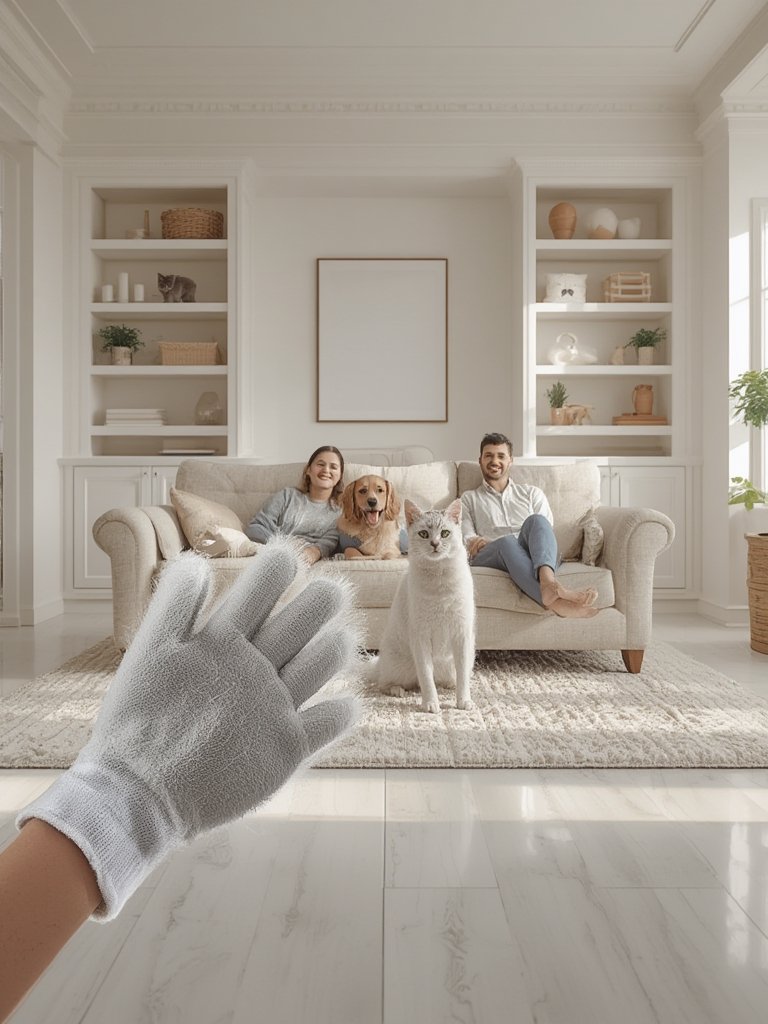
Pet hair remover gloves are an easy way to manage everyday shedding, especially for anxious or short-haired pets. The 2024 market is growing fast, with high-quality rubber and silicone models delivering the best real-world results. However, these tools have their limits—thick undercoats and heavy shedders may require a brush or dual-system approach. For pet owners who want quick, convenient hair removal and more bonding time, a pet hair remover glove is a smart buy. Ready to try one? Browse trusted brands, review your pet’s specific needs, and grab the right glove to keep your home—and your clothes—fur-free.
Looking to automate cleaning even further? Check out our expert roundup on the best self emptying robot vacuum for pet hair for low-maintenance, hands-off fur control.
FAQ
Which material is best for a pet hair remover glove: rubber, silicone, or microfiber?
Rubber offers the best grip and maximum hair removal, especially for heavy shedders. Silicone is softer and more comfortable for shorter or sensitive coats. Microfiber gloves work great for cleaning clothing or upholstery but aren’t ideal for deeply shedding pets.
How often should I use a pet hair remover glove?
Most pets benefit from glove grooming 2-3 times a week. Heavy shedders or breeds in seasonal molt may need daily use for best results.
Are pet hair remover gloves safe for all pets?
Quality gloves made from non-toxic rubber or silicone are generally safe for most cats and dogs. Always test on a small area and watch for irritation or anxiety. For exotic pets or animals with skin conditions, consult your vet first.
How do I clean and maintain my glove?
Peel off accumulated fur after each use. Rinse with mild soap and lukewarm water, then air dry. Avoid harsh chemicals or wringing to extend glove life.
Do pet hair remover gloves really work better than brushes?
For many short or smooth-coated dogs and cats, gloves are faster and more comfortable. However, long-haired or double-coated pets may still need a traditional deshedding brush for deep grooming.