

### Blog Post:
Permanent outdoor lights are reshaping how homeowners illuminate their spaces year-round. With rising demand for curb appeal, safety, and smart home integration, these lighting solutions are gaining traction as a reliable alternative to seasonal setups. If you’re considering upgrading your yard or patio lighting for lasting results, here’s what you need to know—pitfalls, costs, and actionable steps included.
Key Takeaways
- Permanent outdoor lights favor energy efficiency and durability, but require mindful installation and may trigger HOA or compliance challenges.
- LED and solar solutions drive rapid market growth, yet real-world problems—like connectivity issues and weatherproofing—remain common.
- Upfront costs are higher compared to traditional lighting, but long-term savings, less maintenance, and smart features offer strong value if you plan ahead.
- What Are Permanent Outdoor Lights (And Why Homeowners Choose Them)
- Step-by-Step Guide: Planning and Installing Permanent Outdoor Lights
- Advanced Analysis & Common Pitfalls
- Conclusion
- FAQ
What Are Permanent Outdoor Lights (And Why Homeowners Choose Them)
Permanent outdoor lights refer to year-round lighting systems permanently installed along eaves, railings, landscaping borders, or architectural features. Unlike seasonal lighting—set up for holidays or events—these fixtures stay up, provide robust illumination, and blend discreetly with your home’s design. Popular in North America due to trends in outdoor living and home security, permanent lights increasingly use LED and solar technologies for efficiency and longevity.
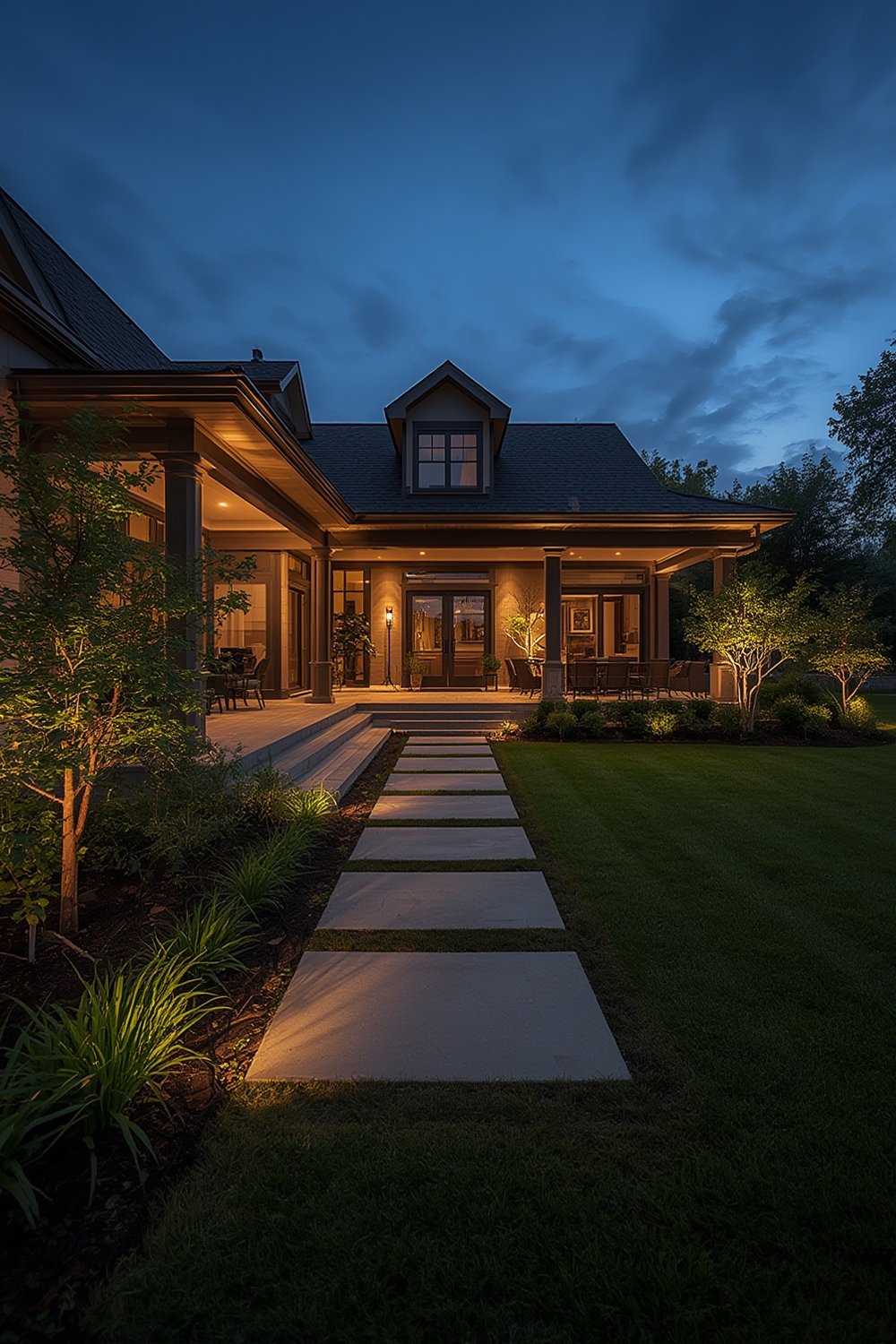
The surge in global outdoor lighting stems from several factors: rising home improvement projects, desire for automated lighting controls, and energy-saving goals. In fact, the residential segment is projected to expand with a CAGR above 10% from 2025 to 2030 (source).
But it’s not just about making your home look festive during the holidays. Permanent outdoor lights are transforming patios, porches, steps, and entertainment areas—boosting security at night while keeping your exterior low-maintenance and visually appealing. With products like Govee Permanent Outdoor Lights 2 offering Matter compatibility and better reliability, the market is moving toward smarter, more resilient solutions.
Curious about other cutting-edge home upgrades? Explore our self-emptying robot vacuum for pet hair guide for a totally different time-saving approach.
Step-by-Step Guide: Planning and Installing Permanent Outdoor Lights
Transitioning from seasonal to permanent outdoor lights isn’t a weekend project to take lightly. Here’s how to choose, plan, and install the right system—whether handling it yourself or hiring a pro.
-
Assess Your Space and Original Wiring
- Map key locations: eaves, soffits, railings, trees, or flower beds.
- Identify power sources and obstacles: outdoor outlets, wiring paths, and access for controls.
- Document needed measurements—total length, drop heights, and proximity to Wi-Fi if using smart features.
-
Choose the Right Lighting System
- For maximum lifespan and savings, opt for high-quality LEDs (rated for at least 25,000 hours).
- Weatherproofing is non-negotiable: seek fixtures rated for wet environments and resistant to corrosion. Look for waterproof/UV ratings or check for mention of vandal-proof design for extra peace of mind.
- Evaluate if you want smart control: Govee, Signify, OSRAM, or Acuity Brands all push Matter compatibility and app integration (read more).
-
Gather Permits (If Needed)
- Some cities require electrical permits for new outdoor lighting or mandate energy-efficient fixtures.
- Check zoning limitations on brightness, direction, and overnight use.
- Confirm your HOA is on board if applicable—read community rules carefully to avoid costly surprises.
-
Plan the Installation
- For DIY: Choose a system designed for homeowner install (pre-terminated plugs or clips), and schedule installation for mild, dry weather.
- For professional install: Vet your contractor—verify experience with permanent outdoor lights, not just holiday setups.
- Ensure ladders, lifts, and mounting hardware are safe and suitable for your architecture.
-
Perform a Pilot Test
- Before fully installing, temporarily mount a small section, power it on, and confirm brightness, app connectivity, and Wi-Fi range.
- Use this step to fine-tune placement, color temperature, and any zones for smart scenes or security scheduling.
-
Finalize Mounting & Make Electrical Connections
- Install fasteners or brackets into wood, masonry, or soffits (avoid damaging roofing or siding where moisture could enter).
- Connect all segments, seal joints with exterior-rated tape or silicone, confirm waterproofing.
- Label and test all circuits; confirm GFCI protection if near water sources.
-
Program Smart Features and Set Up Maintenance Alerts
- Download the app, link to Wi-Fi, and configure automation—sunset/sunrise, seasonal themes, motion detection, and remote troubleshooting.
- Schedule periodic wipe-downs, insect checks, and quick function tests every few months. LED modules require little care but outdoor sensors or connections may need periodic tightening or resealing.

Want value-driven home picks? Check our top product picks and recommendations for the latest tips on home improvement products—from lawn care to smart appliances.
Advanced Analysis & Common Pitfalls
Most permanent outdoor lighting is marketed as long-lasting and trouble-free, but user experiences reveal avoidable pitfalls and limitations. Here’s what to watch for before investing:
| Common Pitfall | What Actually Happens | What To Do Instead |
|---|---|---|
| Assuming All “Permanent” Lights Are Maintenance-Free | Module failures, connectors corrode, smart features bug out—16.4% of users report defective segments or features. | Inspect quarterly, seal mounting points, and stick to products with replaceable segments. |
| Overlooking Weatherproof Ratings | No explicit IP rating can mean early failure in wet or snowy areas, especially near the coast or in high humidity. | Demand IP65+ weatherproofing, corrosion-resistant housing, and test before the rainy season. |
| Skimping on Smart Connectivity Prep | Poor Wi-Fi causes control lag and dropout, undermining scheduling or remote use. | Check signal strength during your pilot test; go wired or mesh extenders if needed. |
| Ignoring Local Codes or HOA Restrictions | HOA or city rules may ban certain light colors, patterns, or system types. | Request written pre-approval before install—removal penalties can be costly. |
| No Emergency or Professional Removal Plan | Fixture-style lights are hard to disassemble in a rush (e.g., home sale, HOA complaint, roof repair). | Select modular, screw-in systems where possible; document installation for easier reversal. |
| Ignoring Sustainability Upgrades | Energy-hungry or non-LED options waste power, driving up utility costs and missing out on possible rebates. | Choose Energy Star-rated or solar-powered models, and check for local incentives. |
Recent market reports highlight the need for corrosion-resistant, vandal-proof, and truly waterproof systems (see trend details here). Remember, smart features are only as good as their worst software update—reliability and easy troubleshooting should weigh as much as sleek apps when you choose your brand.
Looking for eco-conscious appliances? Dive into our guide to non toxic air fryers for healthier, fume-free cooking at home.
Conclusion
Well-chosen permanent outdoor lights outlast seasonal setups, offer lower lifetime maintenance, and boost curb appeal 365 days a year. But before investing, factor in potential pitfalls: defective units, weather exposure, installation mistakes, and—you guessed it—regulatory or HOA snags. Assess your site, choose weatherproof and efficient LED systems, and set up maintenance routines from day one.
If you’re seeking to illuminate your home safely and stylishly, permanent outdoor lights will reward you with savings, security, and style for years to come. Ready to get started? Research your options now, or explore our best product picks to make a smart, lasting upgrade.
FAQ
How long do permanent outdoor lights actually last?
Most permanent outdoor LED lights are rated for at least 25,000 hours—equivalent to over a decade of nightly use if you run them about 6 hours per evening. Smart features, wiring, and power supplies may need earlier replacement.
Are permanent outdoor lights really worth the investment over traditional seasonal lights?
While the upfront cost is higher, permanent lights offer much less annual hassle and lower maintenance. They’re especially worthwhile for homes where curb appeal, security, or frequent outdoor use is important. Over time, LED energy savings and durability offset the initial price premium.
Can I install permanent outdoor lights myself?
Many systems are designed for DIY installation—especially pre-terminated LED strips with screw-mount tracks. However, for multi-story homes, intricate landscapes, or if you need to run new electrical circuits, hiring a licensed professional is safer and will help ensure code compliance.
What should I look for in a permanent outdoor lighting system?
Prioritize weatherproofing (IP65 or higher), corrosion-resistant construction, modularity for easy repairs, long LED lifespan, and reliable app control. Verify warranties and favor brands with a track record of durable, high-performance outdoor products.
Do permanent outdoor lights violate HOA or city regulations?
They might. Some HOAs or municipalities restrict certain lighting types, colors, or installation methods for aesthetic or light pollution reasons. Always check written regulations and get pre-approval before installing any permanent exterior lights.
—