

Non adhesive shelf liner is quickly becoming the go-to solution for kitchen storage, offering a mess-free, reusable way to keep shelves protected and organized. Whether you want to safeguard your cabinets from spills, prevent items from slipping, or avoid sticky residue, understanding how non adhesive shelf liners work and what to look for is crucial to getting the most value in 2024.
Key Takeaways
- Non adhesive shelf liners are preferred for their reusability, eco-friendly materials, and easy customization—making them ideal for kitchens.
- Rubber and smooth plastic are top materials for durability, non-slip performance, and cleaning; look for BPA-free, waterproof designs for safety.
- To maximize results, ensure proper fit, allow airflow where needed, and maintain regular cleaning; trim liners precisely to avoid bunching.
- What Are Non Adhesive Shelf Liners & Why Choose Them?
- How to Use Non Adhesive Shelf Liners: Step-by-Step Guide
- Advanced Analysis & Common Pitfalls
- Conclusion
- FAQ
What Are Non Adhesive Shelf Liners & Why Choose Them?
Non adhesive shelf liners are thin, flexible sheets made of rubber, plastic, or mesh that lay flat inside cabinets and drawers—without any glue or sticky backing. This makes them easy to remove, reposition, and replace with zero mess or residue. With the global shelf liner market growing steadily—projected to reach $2.7 billion by 2032—non adhesive options stand out for kitchen use, especially as more people favor eco-friendly and renter-safe solutions that can be customized to any shelf size.
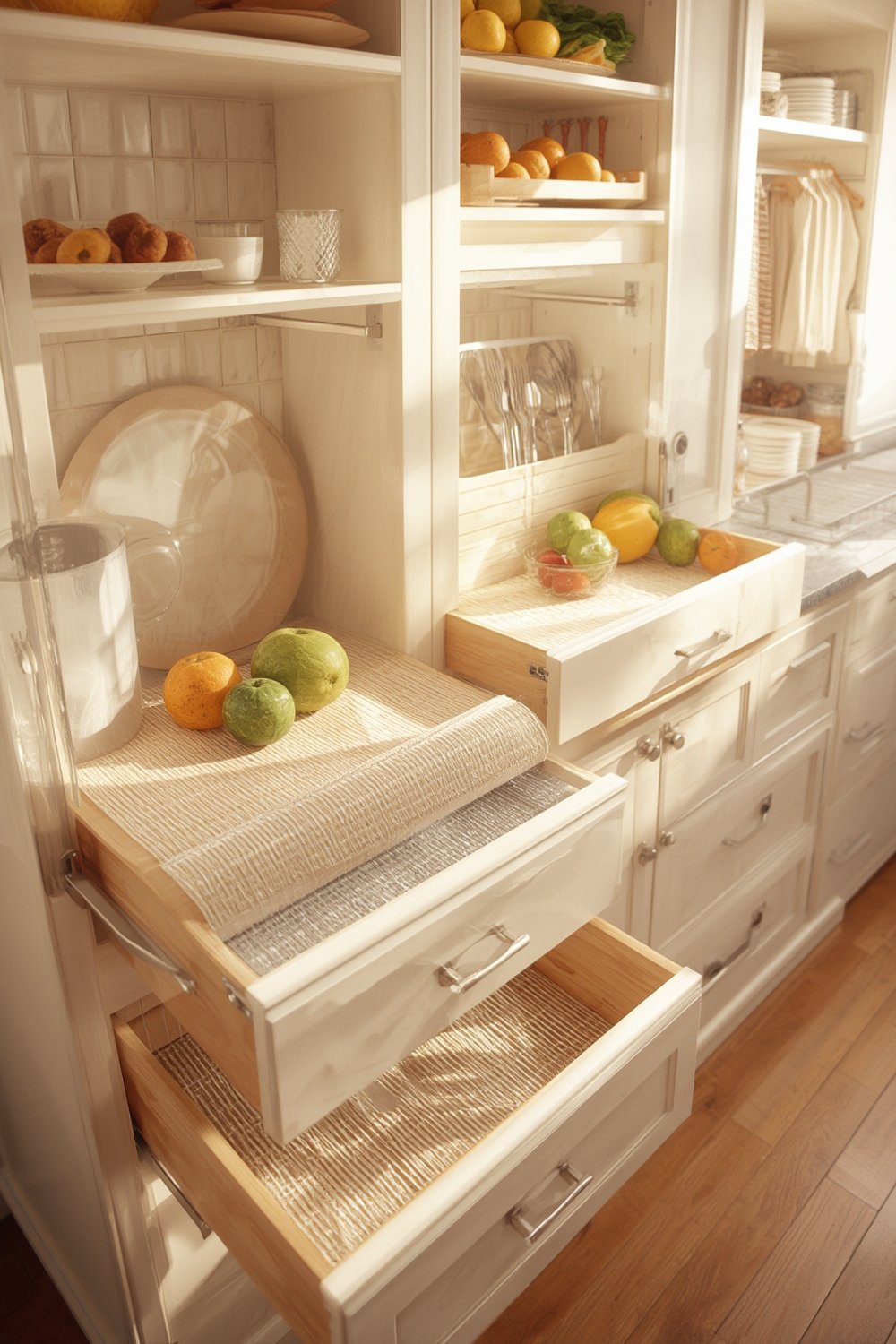
The recent shift toward sustainable, reusable, and BPA-free shelf liners is also fueled by hygiene consciousness and a rise in home kitchen organization. Unlike adhesive liners, non adhesive types don’t break down from glue failure, are often waterproof and odorless, and appeal to both renters and homeowners who want a non-permanent shelf protection solution.
Rubber is currently the leading choice for kitchen shelf liners, given its durability, cushioned grip, and non-slip surface. smooth plastic liners make cleaning a breeze, while meshed versions allow vital airflow—essential for preventing mold under produce or in moist cabinets. Each material brings advantages for specific kitchen needs.
For those renovating an organic modern kitchen, non adhesive shelf liners seamlessly blend practicality with style, protecting wood or glass cabinet interiors without permanent changes. They also make a smart companion to maximized organization with closet systems or drawer organizers.
How to Use Non Adhesive Shelf Liners: Step-by-Step Guide
-
Measure the Shelf or Drawer
Use a tape measure to get the exact width and depth of your cabinet, shelf, or drawer. Write the dimensions down—precision is key to avoiding excess bunching or major gaps. -
Select the Right Material
Choose rubber for best grip and cushioning, smooth plastic for easy cleaning, or mesh for maximum airflow. Opt for BPA-free, food-safe options if you store food directly on the liner. -
Trim for a Precise Fit
Place the liner flat for cutting. Using sharp scissors or a box cutter, trim the liner about 1/8-inch shorter than the compartment—a perfect fit allows easy removal and cleaning without curling. -
Install & Flatten the Liner
Wipe the surface clean and dry before laying the liner. Smooth out any wrinkles or bubbles by hand or with a soft cloth. This ensures a non-slip surface and prevents shifting. -
Maintain Cleanliness
Take out the liner periodically to shake off crumbs and wipe it clean. For sticky messes, rinse the liner with warm soapy water and dry before reinstalling. Regular maintenance can double its lifespan.
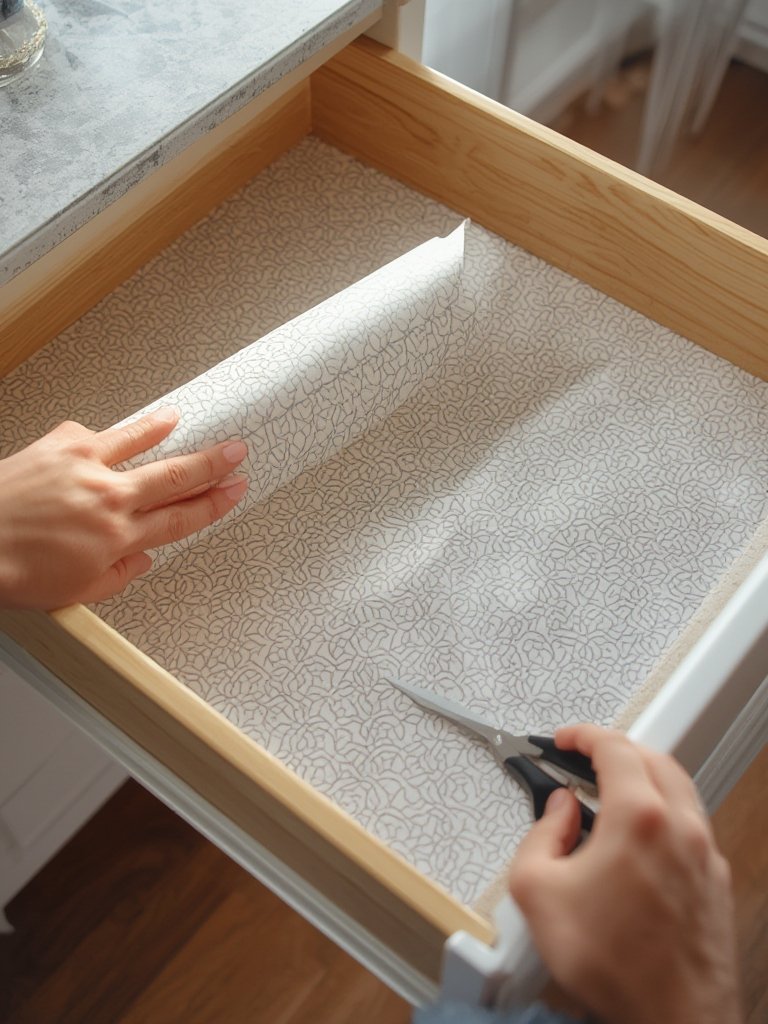
If you’re outfitting a pantry or larger storage system, consider using different types of non adhesive shelf liner for each area. For example, smooth liners under canned goods, and mesh liners for produce baskets. For even more organization, pair with storage bins or integrate them into your under-sink storage ideas for a clutter-free setup.
Regularly check for warping or deep stains, especially in high-humidity spots. Liners that lose grip can be washed and re-installed, but replace them if they become brittle, torn, or lose their non-slip ability.
Advanced Analysis & Common Pitfalls
Despite many benefits, non adhesive shelf liners have a few downsides compared to their adhesive counterparts—especially in busy kitchens. Here’s what to expect and how to avoid common problems:
- Slipping and Curling: Liners that are too small, have sharply cut corners, or are installed on uneven or greasy surfaces can slide around when you move heavy items. To fix, ensure a snug fit and a clean installation area.
- Material Wear: Though rubber and plastic are durable, repeated friction from pots, pans, or appliances can wear down the liner surface. Thin foam liners may tear easily; opt for thicker, denser materials for heavy-use areas.
- Odor or Discoloration: Lower-quality plastics can sometimes off-gas odors when new, though major market studies report few complaints—choose certified BPA-free, odorless materials, especially for food zones.
- Moisture & Mold: Kitchens prone to condensation or leaks can trap moisture under impervious liners—use meshed or perforated options in damp cabinets to encourage airflow and prevent mold growth.
- Bunching from Incorrect Fit: Not trimming the liner for a precise fit, especially around hardware or curved shelves, leads to bunching or lifting. Always measure before you cut.
| Material | Durability | Non-Slip Ability | Ease of Cleaning | Best For |
|---|---|---|---|---|
| Rubber | ⭐⭐⭐⭐⭐ | ⭐⭐⭐⭐⭐ | ⭐⭐⭐ | Pots, pans, heavy items |
| Smooth Plastic | ⭐⭐⭐⭐ | ⭐⭐⭐ | ⭐⭐⭐⭐⭐ | Dishes, glassware, pantry |
| Mesh/Perforated | ⭐⭐⭐ | ⭐⭐⭐ | ⭐⭐⭐⭐ | Produce, damp cabinets |
| PVC/EVA/Foam | ⭐⭐ | ⭐⭐ | ⭐⭐⭐ | Lightweight storage |
Regarding cost, non adhesive shelf liners are generally more affordable over time than adhesive alternatives, since they can be washed and reused multiple times before needing replacement. While initial pricing may be similar, adhesive liners must be fully replaced if the glue fails, driving up ongoing costs. Cheaper options like paper or fabric liners boast a lower upfront price, but wear out rapidly and lack water protection.
There are no widespread health or safety concerns for modern non adhesive shelf liners. Shoppers are increasingly opting for BPA-free and PVC-free designs, and brands now highlight odorless, food-grade materials to ensure safe use around kitchen staples. Still, check for reputable certifications—especially if you prep food directly in lined drawers or cabinets.
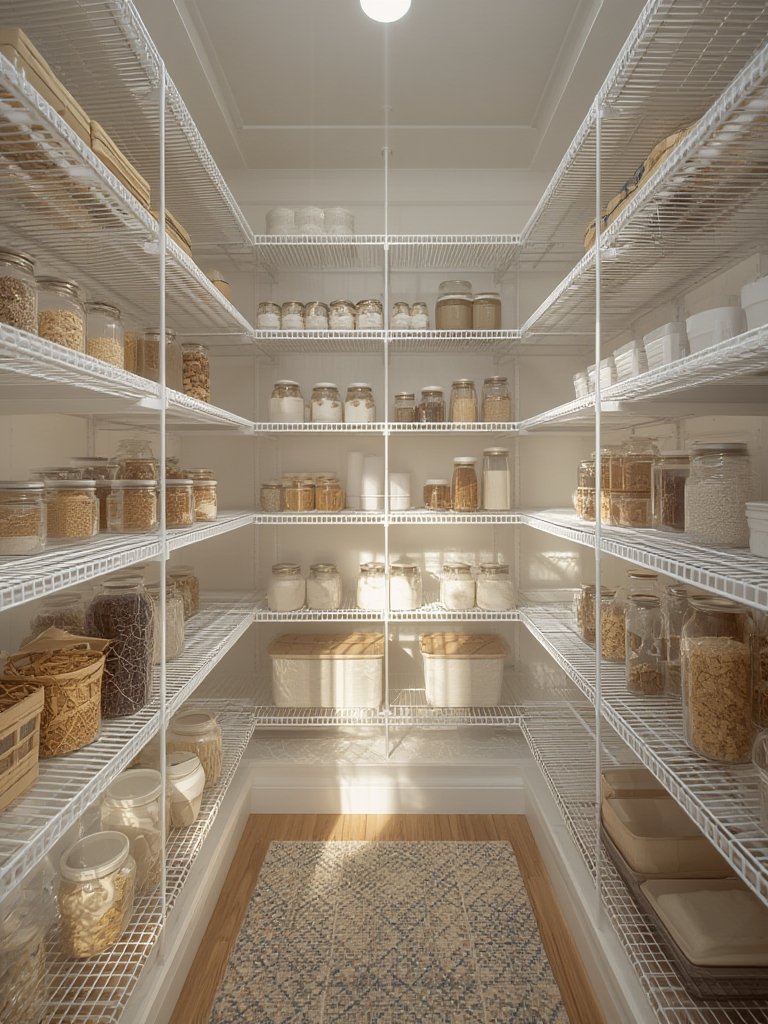
To further optimize pantry and cabinet organization, check out these detailed guides for pantry organization and heavy duty shelf brackets—complementing your shelf liners with robust systems that last.
Conclusion
Non adhesive shelf liner delivers reliable, residue-free protection for any kitchen—offering reusability, easy customization, and top material choices for every storage scenario. Remember to measure accurately, match the liner to your needs, and maintain it regularly for maximum lifespan. As the trend toward healthier, sustainable kitchen solutions accelerates, choosing a quality non adhesive shelf liner is a simple upgrade that pays off daily.
Ready to elevate your kitchen organization? Explore today’s best non adhesive shelf liners—and pair them with smart storage systems for a cleaner, safer home.
FAQ
How often should I replace my non adhesive shelf liner?
With regular cleaning, a quality non adhesive shelf liner made from rubber or smooth plastic can last multiple years. Replace if it loses grip, cracks, or develops persistent stains.
What is the safest material for non adhesive shelf liner in kitchens?
Look for BPA-free rubber or food-grade plastic labeled as non-toxic and odorless. These materials are water-resistant and safe for food contact, with minimal health or chemical risks.
Does a non adhesive shelf liner stay in place on wire or glass shelves?
Rubber liners grip well even on glass, while mesh or textured liners minimize shifting on wire shelves. Correct sizing and a clean surface are crucial for preventing sliding on any material.
What is the best way to clean non adhesive shelf liners?
Rinse with warm soapy water, scrub gently if needed, then dry completely before reinserting. Avoid harsh chemicals that could wear down the liner or leave residues.
Can I reuse non adhesive shelf liners in a different cabinet?
Yes—non adhesive shelf liners are designed for easy removal and can be trimmed to fit a new location. Just ensure the new shelf is dry and clean before installing.