

Low flow shower head technology is one of the simplest ways to cut water and energy bills—without major renovations or lifestyle changes. But do these eco-friendly shower heads really work as promised, and what hidden issues should shoppers consider before making the switch?
Key Takeaways
- Low flow shower heads can cut shower water use by 30–40% and save a typical home up to $70 per year.
- Many users report concerns about water pressure and occasional dissatisfaction, so product choice matters.
- Compatibility, hidden costs, and maintenance needs are often overlooked—know them before buying.
- What Is a Low Flow Shower Head and Why Use One?
- How to Choose and Install a Low Flow Shower Head (Step-by-Step)
- Advanced Analysis & Common Pitfalls
- Conclusion
- FAQ
What Is a Low Flow Shower Head and Why Use One?
Low flow shower heads are specially designed fixtures that limit the maximum water flow to 1.75 gallons per minute (GPM) or less—compared to the standard 2.5 GPM mandated by US regulations. The main idea is simple: deliver a satisfying shower while significantly reducing water and energy use.
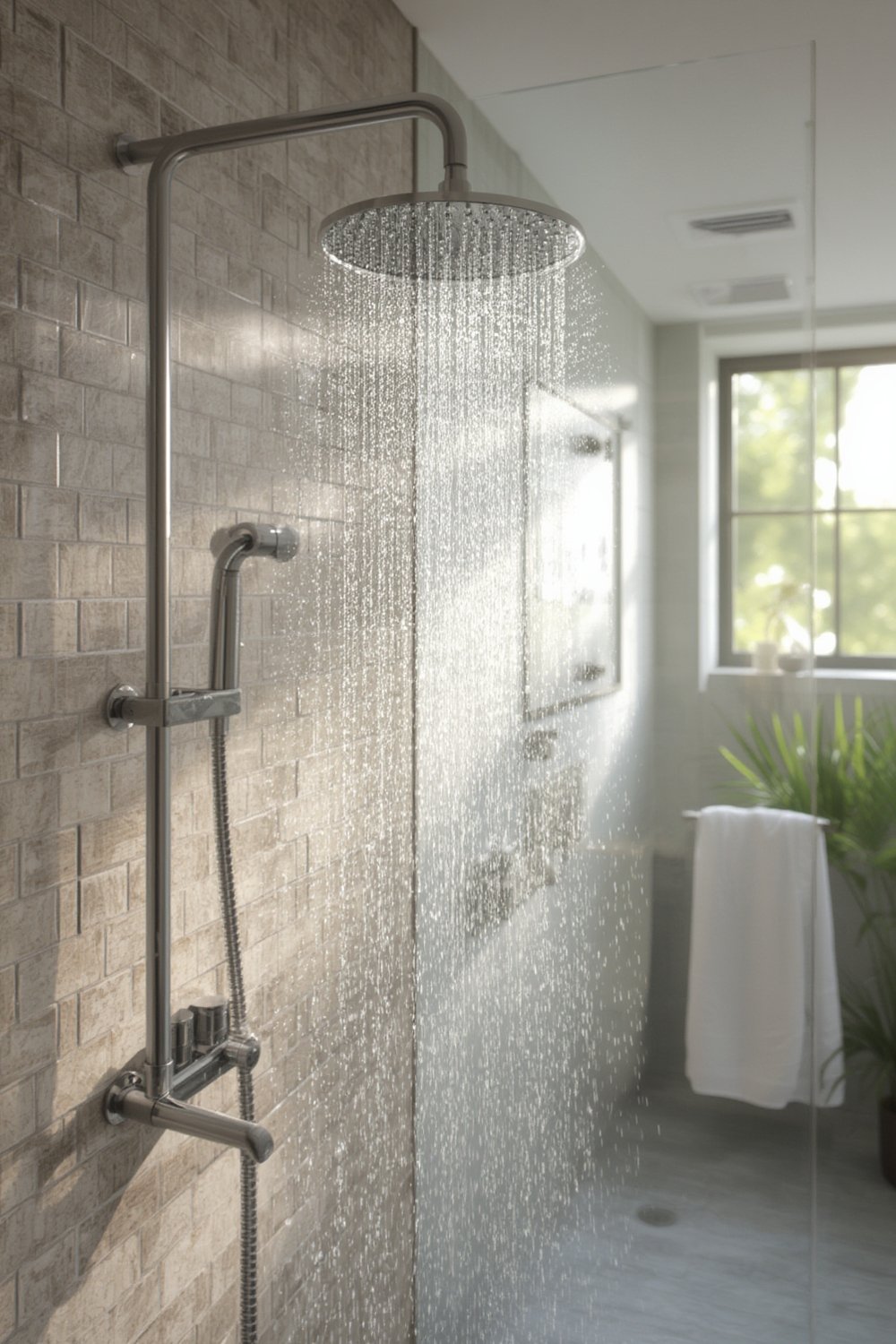
Why bother? Studies show that making the swap can slash your shower water use by 30–40%. For an average family of four, that’s anywhere between 14,800 and 25,000 gallons saved per year—plus an estimated $70 off your annual utility bill (source, source). You’ll reduce the energy that’s needed to heat water, especially if your home uses a natural gas water heater—some estimates report annual savings of 32.6–35 therms (source).
This swap offers quick payback and a smaller environmental footprint. And if you’re interested in optimizing other home gadgets, check out our best home water filters guide for more savings tips.
How to Choose and Install a Low Flow Shower Head (Step-by-Step)
-
Measure Your Current Flow Rate.
Place a 1-gallon bucket under your running shower and time how long it takes to fill. If it fills in less than 24 seconds, your head isn’t “low flow.” -
Check Your Water Heater and Plumbing Compatibility.
Most low flow models are compatible with gas water heaters. If you use electric or non-standard water heating systems, verify product compatibility before buying. This step is often overlooked by top-ranking guides, but skipping it could mean dissatisfaction or extra replacement costs. -
Choose a Certified Unit (e.g., WaterSense).
Look for EPA WaterSense certification or other independent test labels for assurance of true performance (≤1.75 GPM). -
Pick Your Design: Fixed, Handheld, or Combo.
Decide if you want a stationary fixture, a flexible handheld, or a hybrid. The main difference lies in personal comfort preferences and how easy it is to reach tricky spots or pets. -
Prepare for Installation.
Have an adjustable wrench, thread seal tape (Teflon tape), and a damp rag ready. No plumber required in most homes. -
Remove the Old Shower Head.
Twist off the old head (use the wrench if needed, protect the finish with a rag). Remove old tape residue from the threads. -
Install the New Low Flow Shower Head.
Wrap new Teflon tape around the threads (2–3 times). Screw on the new shower head until snug—no need to overtighten. -
Test for Leaks.
Turn on the shower and check for drips around the fixture. If leaking, tighten slightly or add more Teflon tape and repeat.
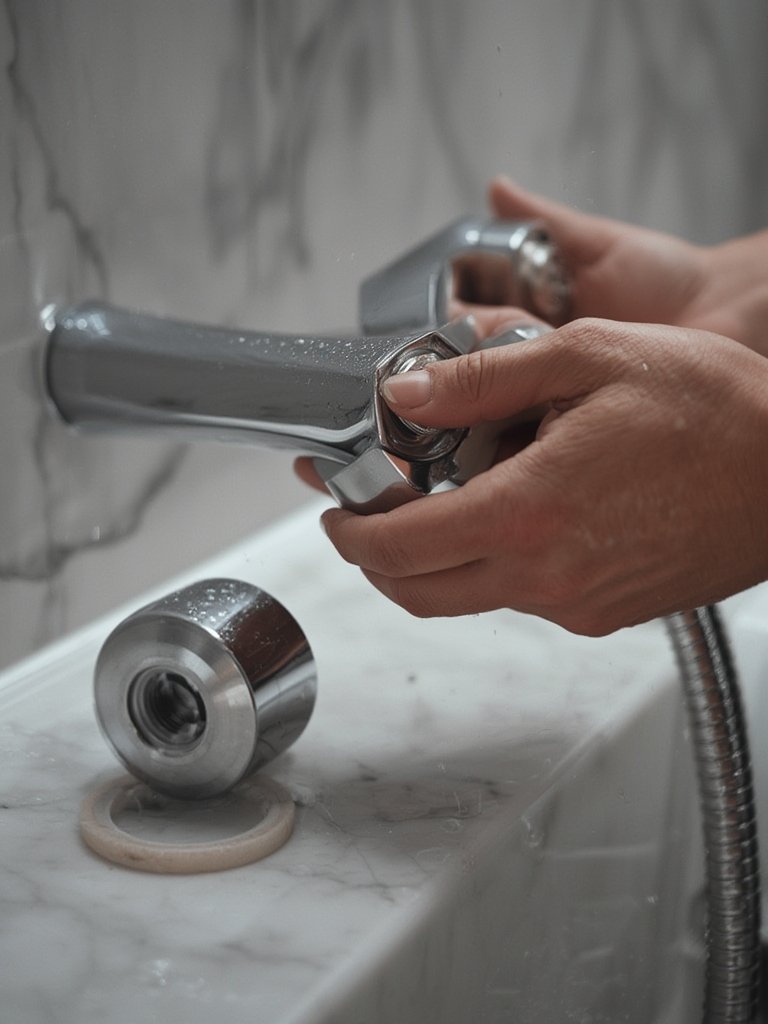
If you’re handy and planning other updates, installing a Moen curved tension shower rod at the same time only takes a few minutes.
Advanced Analysis & Common Pitfalls
No product is perfect, and the low flow shower head is no exception. Here’s what research and real users reveal about pain points, complaints, and what can go wrong.
| Issue | Real-World Impact | What to Do |
|---|---|---|
| Water Pressure Dissatisfaction | 6–12% of households tamper with or remove the device due to perceived low pressure (source). | Buy quality, pressure-compensating models; test satisfaction within return window. |
| Compatibility Gaps | Not always suitable for electric or specialty water heaters. | Verify plumbing and water heater specs before purchase. |
| Unexpected Costs | Unit price averages $21.75; replacement needed every ~7 years (source). | Budget for replacement in advance. |
| Spray Pattern/Comfort | No universal user comfort measure; ~6% of people switch back to high-flow. | Pick adjustable spray pattern models; check return policy. |
| Installation Issues | Most models easy to install, but cross-threading and leaks can occur for beginners. | Use Teflon tape and hand-tighten with care. |
| Multi-Head & Throttling Problems | Using multiple heads or throttling valves can undermine savings. | Stick to a single high-quality head or check if multi-head models are efficiency rated. |
| Limited Product Information | Material differences, true longevity, and regional program details are poorly disclosed online. | Check manufacturer specs or seek detailed comparisons like on our product picks and recommendations hub. |
When evaluating options, flow rate is essential: Top-rated heads today claim 1.5–1.75 GPM, but real-life performance depends on your home’s pressure, plumbing, and what you expect from a modern shower (source).

Upgrade your shower, but avoid common product pitfalls—real research matters. Thinking about bigger renovations? You might also like our guide on organic modern kitchen updates or our curated boneless couch buying guide for practical home improvements that fit your style and budget.
Conclusion
Switching to a low flow shower head is a proven way to conserve water, cut energy costs, and shrink your home’s environmental impact. But product differences, installation details, and comfort preferences matter. By checking compatibility, buying a certified brand, and budgeting for periodic replacement, you’ll maximize savings and satisfaction. Make every shower count, starting today—review the latest low flow shower head picks and confidently choose what works for your home.
Ready to save water and lower your bills? Start your upgrade now, and for even more time-saving ideas, check out our self-emptying robot vacuum for pet hair reviews and our recommendations on permanent outdoor lights for hassle-free living.
FAQ
Will a low flow shower head make my showers less enjoyable?
Not always. Many top-rated models use air infusion or pressure-compensating technology to deliver a surprisingly strong and comfortable spray, though 6–12% of users still report dissatisfaction with pressure or pattern compared to older heads.
Can I install a low flow shower head myself?
Yes, most models are DIY-friendly and require no special tools or skills—just an adjustable wrench and thread seal tape.
Do low flow shower heads work with any water heater?
They are most compatible with gas water heaters. For electric or on-demand systems, check manufacturer guidelines since some heads may not perform as intended or provide adequate temperature at low flows.
Are there hidden costs beyond the price of the shower head?
Expect a unit price around $22 and a replacement cycle of 7 years. Some users may pay extra if professional installation is needed, but this is rare.
What should I do if my water pressure feels too low after installing?
Try adjusting the spray settings, cleaning the filter, or (with caution) removing any restrictor disk inside the head. Always check that your home’s supply pressure meets basic requirements.