

kids laundry basket choices can make or break a family’s laundry routine, especially when balancing safety, space, and real-life durability. Whether you want your kids to help around the house or just need a clutter-free nursery, this guide covers the must-knows for a smarter, safer pick.
Key Takeaways
- Always look for kids laundry baskets with recognized safety certifications like CPSIA and OEKO-TEX Standard 100 for peace of mind.
- Space-saving designs and easy-to-carry handles can turn laundry time into a simple, kid-friendly task.
- Durable, toxin-free materials offer both longevity and daily safety—skip cheap plastics and untested fabrics.
- What Makes a Kids Laundry Basket Different?
- How to Choose and Use a Kids Laundry Basket: Step-by-Step
- Advanced Analysis & Common Pitfalls
- Conclusion
- FAQ
What Makes a Kids Laundry Basket Different?
A kids laundry basket is more than a scaled-down adult hamper. Child versions must be safe, lightweight, easy for small hands to handle, and—according to government guidelines—use materials free of harmful chemicals. Families wrestle with clutter, dirty laundry on the floor, and baskets that tip, break, or gather mold. Choosing the right product can stop these headaches before they start.
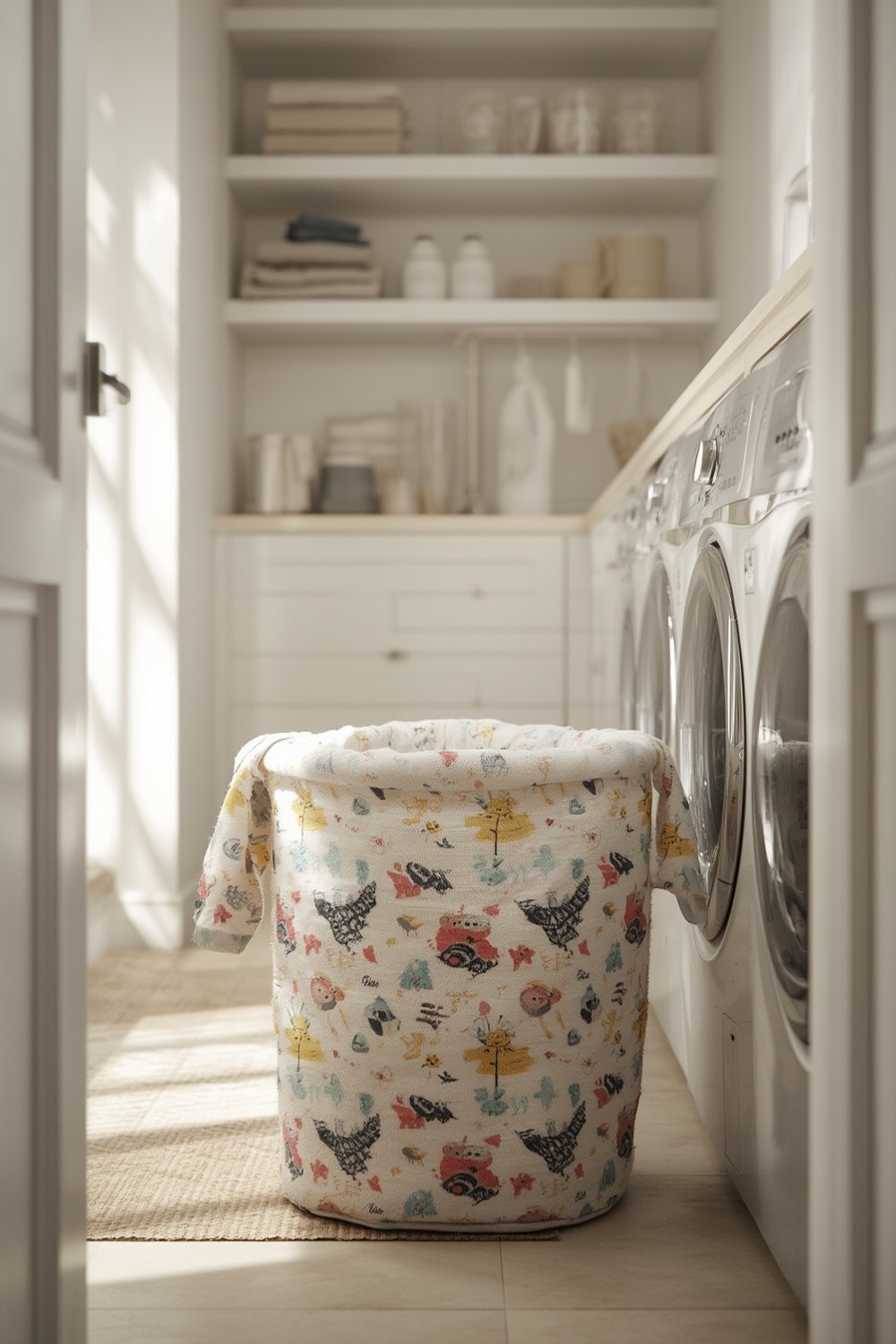
Unlike standard laundry baskets, those for children should comply with CPSIA rules—requiring third-party testing and a Children’s Product Certificate (CPC). Fabric baskets are sometimes certified with OEKO-TEX Standard 100, ensuring no harmful chemicals touch your child’s skin.
Features like collapsibility help families in small spaces, while bold colors or animal designs can motivate young kids to participate in chores. Ultimately, choosing with care—just as you’d assess washable rugs or kitchen upgrades—pays off in fewer headaches down the road.
How to Choose and Use a Kids Laundry Basket: Step-by-Step
- Start with the right size: Measure your laundry area and pick a basket proportionate to your child’s height and arm reach. Families in apartments or with shared bedrooms might prefer compact, collapsible versions.
- Check for safety certifications: Prioritize models with CPSIA testing and a valid CPC (Children’s Product Certificate). For baskets made of fabric, OEKO-TEX Standard 100 is best for skin contact safety. Learn more about product safety standards here.
- Prioritize durability and materials: Choose baskets of thick polyester canvas, sturdy woven cotton, or BPA/phthalate-free plastics. Avoid thin, rigid plastics prone to cracking. If sustainability matters, look for baskets made with recycled fibers or natural cotton.
- Evaluate handles and lids: Go for reinforced, cushioned handles—kids’ wrists are sensitive. Skip heavy, rigid lids (they pose pinch hazards); a lightweight, soft-close top is best if needed at all.
- Consider space-saving features: Foldable baskets or pop-up hampers suit closets and shared rooms well, especially when laundry day is infrequent. Collapsible frames and recessed handles offer practical space management.
- Design and motivation: Opt for baskets with fun themes or colors if your child resists chores—a little engagement goes far.
- Teach laundry habits early: Involve your child. Assign a basket, explain its use, and make laundry routine a game for bonus tidiness.

Families upgrading other organizing solutions, like custom closets or easy-clean glass cabinets, will find these steps keep routines simple and practical.
Advanced Analysis & Common Pitfalls
Even when following the basics, families face real-world issues with kids laundry baskets. Here’s what tends to go wrong and how to handle it:
- Flimsy construction: Cheap plastic or poorly stitched canvas collapses under heavy, damp clothes. Look for double-stitched seams and BPA/phthalate-free labeling.
- Mold and odor: Baskets with retained moisture or poor airflow can grow mold inside. Avoid closed, airtight lids unless they are ventilated.
- Pinch and tip hazards: Hard, heavy lids may trap fingers. Tapered or unstable baskets tip over quickly and frustrate kids. Choose wide-bottomed, lightweight designs.
- Staining and cleaning problems: Baskets not designed to handle dirt and moisture trap odors and stain easily. Machine-washable fabric interiors save hassle.
- Lack of certifications: Avoid baskets without clear child safety compliance. Kids’ products must comply with federal guidelines for chemicals and design—ignorance is risky.
There’s no comprehensive data on best-selling materials or trending design shifts for 2024, but safety standards remain strict. The table below breaks down typical material choices and their practical differences for families.
| Material | Sample Pros | Sample Cons | Typical Usage |
|---|---|---|---|
| Polyester Fabric (OEKO-TEX Certified) | Soft, flexible, washable, safe on skin | May sag with heavy use, can retain odors | Soft-sided baskets and pop-up hampers |
| Cotton Canvas (OEKO-TEX Certified) | Durable, eco-friendly, machine washable | Heavier than polyester, sometimes pricier | Premium baskets, themed designs |
| BPA/phthalate-free Plastic | Rigid, lightweight, easy to clean | Can crack with rough handling, less eco-friendly | Rigid hampers, basic bins |
| Recycled or Bamboo Fiber | Sustainable, non-toxic | Often less sturdy, small size limits | Eco-focused designs, novelty baskets |
For further reading on product safety and testing standards, check out CPSC children’s product resources.
If you value durability, pay attention to user reviews wherever possible and consider baskets tested by independent organizations. And if your organizational needs extend beyond laundry, our top product picks and recommendations offer versatile advice for home improvement.
Conclusion
Choosing a kids laundry basket isn’t just about finding a cute design—practicality, safety certifications, and space optimization matter far more. Focus on durable, toxin-free materials certified safe for children and pick a design that fits your family’s style and needs.
Want a less stressful, more organized home? Invest the extra three minutes today, and your kids laundry basket will do more than manage dirty socks. Ready to tackle organization in every room? Check out our pantry organizing guide and rethink your spaces for real-life success!
FAQ
What safety certifications should I expect on a kids laundry basket?
Look for compliance with CPSIA, confirmed by a Children’s Product Certificate (CPC). For fabric models, OEKO-TEX Standard 100 ensures the absence of more than 100 hazardous substances.
Are fabric or plastic baskets safer for children?
Both can be safe if certified, but fabric (especially OEKO-TEX certified) offers a softer, skin-friendly option with less risk of injury. Always avoid thin, brittle plastics and check for BPA- and phthalate-free labeling.
How often should I clean my child’s laundry basket?
Wash fabric baskets every two weeks or more often if you notice odors or stains. For plastic, a mild soap and water rinse every week is ideal—especially in humid environments.
What’s the best way to avoid mold and odors?
Choose ventilated designs, avoid storing wet clothes, and wash the basket regularly. Skip airtight, closed lids unless they have built-in vents.
Can my kids use the basket for toys as well?
Yes! Multi-purpose baskets labeled for both laundry and toy storage can streamline organizing. Just make sure the basket is sturdy enough and kept clean between uses.