

Jiminys dog food is quickly gaining attention among pet owners searching for sustainable, allergy-friendly, and nutritionally complete options for their dogs. But with limited long-term studies and a lot of buzz around insect protein, is it really safe, effective, and worth switching from traditional meat-based diets? This guide dives into what’s real, what’s hype, and exactly how to get started with Jiminys dog food for your pup.
Key Takeaways
- Jiminys dog food uses cricket and black soldier fly protein, designed to be nutritionally complete and proven safe by multiple studies.
- Switching to insect protein-based dog food can significantly reduce your dog’s environmental pawprint compared to conventional animal-based kibble.
- No major verified customer complaints or negative veterinary recommendations appear in recent research, but always transition gradually to minimize digestive issues.
- What Makes Jiminys Dog Food Different?
- How to Transition Your Dog to Jiminys: Step-by-Step
- Advanced Analysis & Common Pitfalls
- Conclusion & Next Steps
- FAQ: Jiminys Dog Food Questions Answered
What Makes Jiminys Dog Food Different?
Jiminys dog food stands out for its use of insect protein, mainly crickets and black soldier fly larvae (BSFL), as the primary source of nutrition. Unlike traditional meat-based dog food, Jiminys offers a hypoallergenic alternative packed with complete amino acids, vitamins, minerals, and prebiotic fiber.

Why does this matter? Insect protein provides similar or better nutrition compared to beef, chicken, or fish, but with a fraction of the environmental impact. According to peer-reviewed research, crickets can yield up to 65,000 pounds of protein per acre compared to only 265 pounds from chickens, and require far less water and land (source). Insect protein delivers essential amino acids, B-vitamins, and antioxidants, and preliminary research suggests benefits for allergies, oral health, immunity, skin, and coat.
Jiminys formulas are formulated with animal nutrition experts and exceed nutritional needs for dogs. Their products are free from common allergens like chicken, corn, wheat, and soy, and have regulatory approval for pet food in the US (source).
Plus, for pet owners already managing fur around the home, a switch to less allergenic diets can mean less pet dander shedding. For tips on managing this further, see our guide to the self emptying robot vacuum for pet hair.
How to Transition Your Dog to Jiminys: Step-by-Step
If you’re ready to try Jiminys dog food, don’t just swap immediately—doing so could upset your dog’s stomach. The key is a gradual transition and close monitoring.
- Consult your vet before switching proteins, especially if your dog has health conditions or allergies.
- Buy a small bag of Jiminys so you can test palatability and tolerance before committing.
- For the first 3 days, feed 75% of your current food with 25% Jiminys mixed in. Monitor your dog’s appetite, stool quality, and energy levels closely.
- If all is well, move to a 50/50 split for days 4–6, then 75% Jiminys for days 7–9.
- After 10 days, switch fully to Jiminys if your dog is tolerating it with no major digestive symptoms.
- Continue monitoring for any itching, lethargy, vomiting, or loose stool. These are rare but possible during transitions to novel proteins.
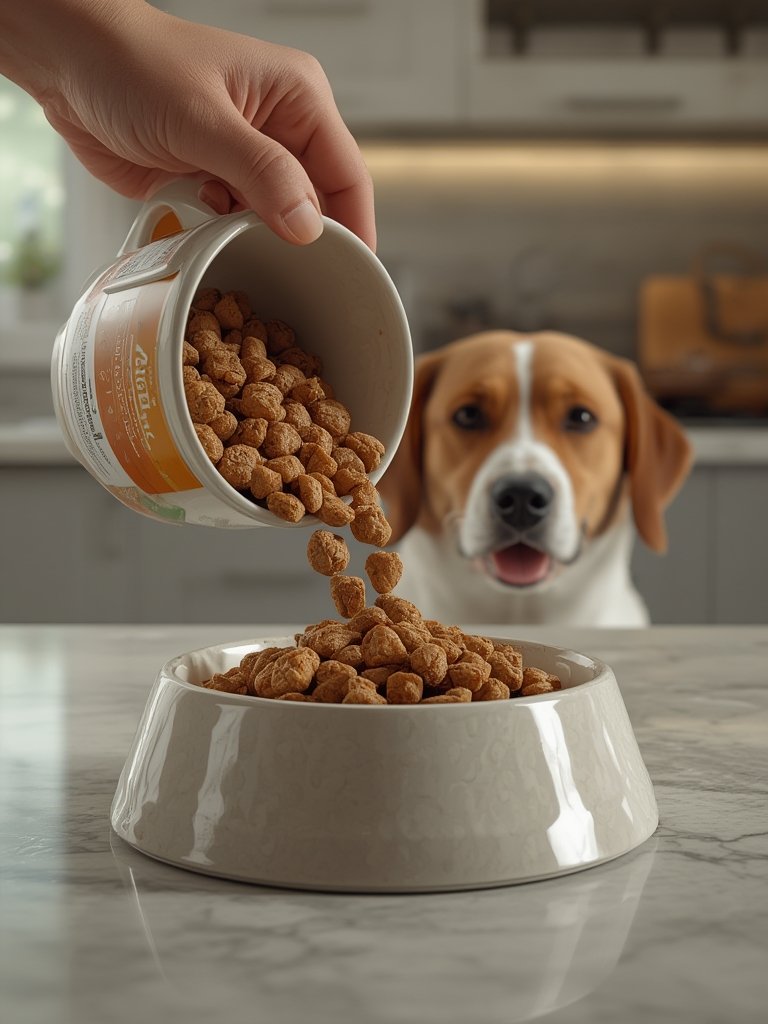
It’s smart to read ingredient lists and research the best food for your specific breed or sensitivities. While Jiminys promotes environmental sustainability, owners can also explore eco-friendly products for the home, such as those in our curated top product picks and recommendations.
Since Jiminys excludes common allergens and artificial additives, many dogs experience less paw licking and skin irritation over time—but not every dog’s digestion is the same. If symptoms persist, consider allergy-friendly home improvements like non toxic air fryers or washable tumble rugs for sensitive households.
Advanced Analysis & Common Pitfalls
Lack of Transparency: While Jiminys has regulatory approval and expert-backed formulations, the exact guaranteed analyses—like protein, fat, and fiber percentages—aren’t fully detailed in their public resources. This makes it hard to compare directly against AAFCO guidelines or leading traditional brands. However, their use of complete cricket or BSFL protein provides a strong nutritional base (source).
Price Sensitivity: As of 2024, specific cost per pound or per serving isn’t published, but insect protein foods usually cost more than standard kibbles—though often less than boutique or vet-prescribed diets. Budget-conscious pet owners should consider trial bag sizing and look for subscription discounts.
Dog Acceptance: Most dogs accept Jiminys, but some may resist new proteins. The gradual transition and flavor tricks (see above) help maximize acceptance.
| Feature | Jiminys Dog Food | Traditional Premium Kibble |
|---|---|---|
| Protein Source | Cricket, BSFL, plant proteins | Chicken, beef, lamb, fish |
| Known Allergens | None (free from chicken, wheat, soy, corn) | May contain common allergens |
| Nutritional Completeness | Meets/exceeds AAFCO* according to company | Varies by brand |
| Environmental Impact | Very low (high protein yield per acre, low GHG) | High water, land, GHG use |
| Average Retail Price/lb | Not published (typically $7–$16 est.) | $4–$8 (premium) |
| Expert/Vet Recommendation | Neutral; no warnings, no endorsements | Some formulas vet recommended |
| Dental, Gut Health Claims | Research-backed (BSFL may reduce dental bacteria) | Depends on formula: some dental diets offered |
*AAFCO: Association of American Feed Control Officials. Jiminys claims regulatory equivalence but does not publish full analysis. Always consult your vet for medically fragile pets.
For pet owners worried about price, supplementing Jiminys with targeted treats and chews—or blending with other premium foods—can offset cost while maintaining most of the benefit. And if excessive pet hair is a pain point, see our pet-focused solutions like the pet hair remover glove or the Ubpet automatic cat feeder.

Conclusion & Next Steps
Jiminys dog food is one of the most promising advances in sustainable canine nutrition, shown to be safe, effective, and allergy-friendly according to new and pre-2024 research. Dogs get complete nutrition, and owners shrink their environmental impact, but published ingredient breakdowns and price points remain less transparent than for traditional kibbles.
If you want to try a greener, science-backed diet, gradually transition your pup to Jiminys dog food, monitor their digestive response, and review the ingredient panels yourself to confirm suitability for your dog’s needs. Always check with your vet before long-term dietary overhauls. Ready to start? Visit Jiminys’ site or your local specialty pet retailer for a trial bag—your dog and the planet may thank you.
FAQ: Jiminys Dog Food Questions Answered
Is Jiminys dog food approved by veterinarians?
No veterinarians are currently on record recommending or warning against Jiminys dog food, but the company’s formulas are developed with PhD animal nutritionists and exceed regulatory standards.
Can dogs with chicken or beef allergies eat Jiminys?
Yes, Jiminys is formulated without chicken, beef, wheat, corn, or soy, making it suitable for many allergy-prone dogs. Always introduce new foods slowly to confirm tolerance.
What is the environmental impact compared to standard kibble?
Jiminys requires drastically less land and water than chicken or beef-based foods, with crickets yielding over 245 times more protein per acre. Its production emits a fraction of the greenhouse gases.
How much does Jiminys dog food cost?
Official retail prices and comparisons weren’t published in 2024 data, but expect to pay more than standard kibble and slightly less than boutique or veterinary diets.
How do I know if my dog likes Jiminys?
Start with a small bag and use a gradual transition. Most dogs accept the flavor, but you can add broth or cooked veggies to boost palatability. Monitor stool and energy during the switch.