

How to install plastic drywall anchors is a must-know skill for anyone planning to hang shelves, hooks, or art without hitting a wall stud. Plastic drywall anchors are economical and simple, but if you don’t use the right technique, they can fail—wasting time and damaging your walls. Here’s how to get it right the first time.
Key Takeaways
- Choose the correct type and size of plastic drywall anchor to match your wall condition and load requirements.
- Proper installation technique prevents anchor breakage, tear-outs, and costly wall repairs.
- Most plastic drywall anchors are best for light to medium loads—never overload or use on damaged or wet drywall.
- The Core Concept: What are Plastic Drywall Anchors and Why Use Them?
- Step-by-Step Guide: How to Install Plastic Drywall Anchors
- Advanced Analysis & Common Pitfalls
- Conclusion
- FAQ
The Core Concept: What are Plastic Drywall Anchors and Why Use Them?
Plastic drywall anchors are inserts made of durable polymer designed to grip drywall and provide a secure mounting point for screws when you’re not screwing into a stud. They expand or engage behind the drywall when a screw is inserted, allowing you to hang items weighing from 10 up to 79 pounds (for high-quality self-drilling anchors models).
You’d use plastic drywall anchors when you need to fasten something and can’t find a stud, or when a stud isn’t conveniently located where you want to hang your item. They’re fast, budget-friendly (typically $0.25-$0.40 each), and compatible with 1/2-inch drywall—the standard in most US homes.
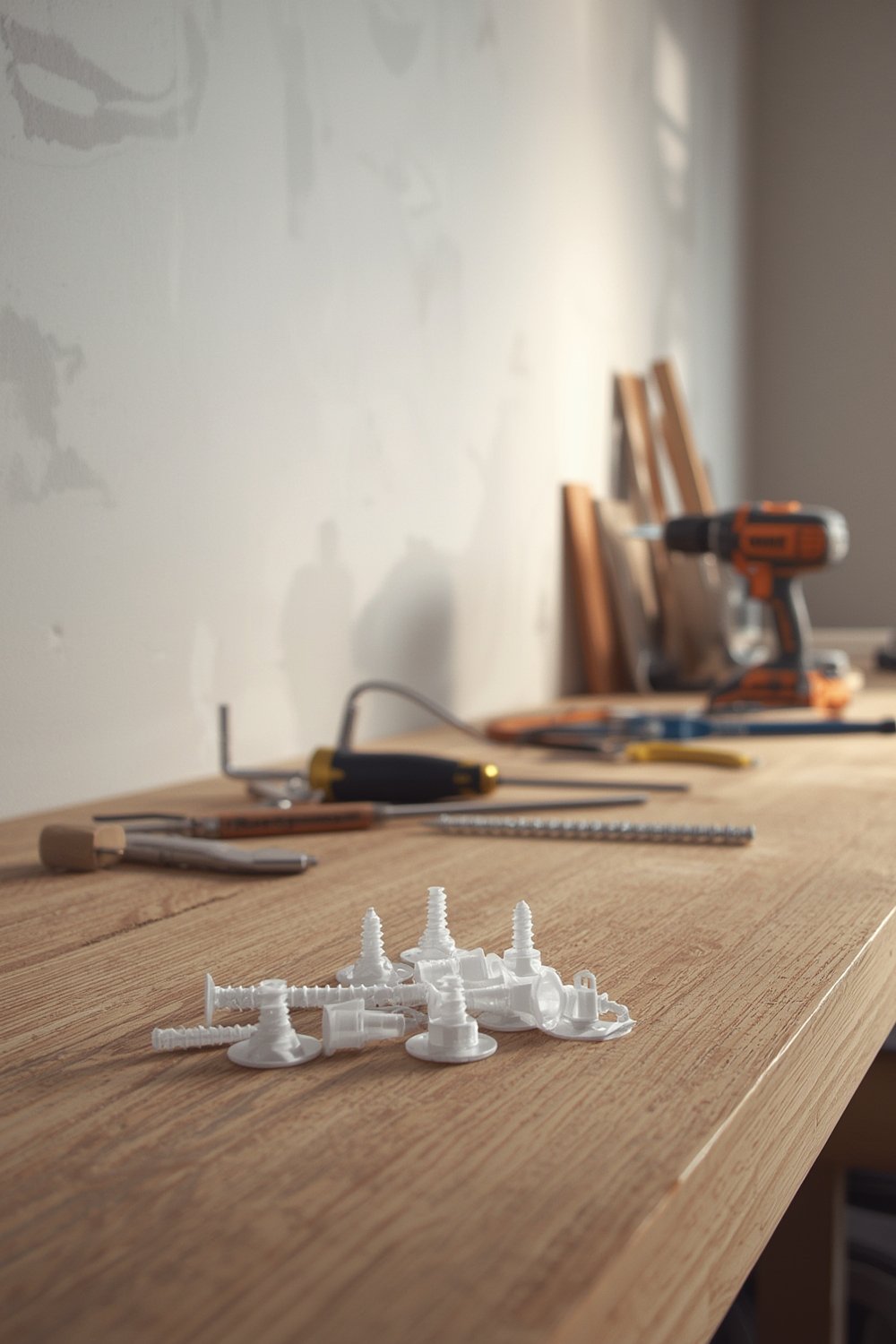
Step-by-Step Guide: How to Install Plastic Drywall Anchors
The installation process varies slightly by anchor type but always follows careful preparation. Here’s how to install plastic drywall anchors for safe, reliable results:
-
Select the right anchor type.
– Use basic expansion anchors for items up to 15 pounds (like photo frames), self-drilling anchors for 15-79 pounds (shelves, curtain rods), and winged toggles for light ceiling mounts (smoke alarms). For heavier duty, check out metal toggle and molly bolts as reviewed here. -
Mark and prepare your spot.
– Use a pencil and a spirit level to ensure your screw position is spot on (wrong holes can crack drywall). Clean any dust or debris. -
Drill or start your pilot hole.
– For basic expansion anchors, use a drill bit that matches the anchor body diameter. For self-drilling anchors (like Toggler SnapSkru), simply press the sharp tip to the drywall and turn it by hand with a screwdriver. Avoid using a power drill unless the packaging allows it. -
Insert the plastic anchor firmly.
– Gently push the anchor into the hole (basic types), or twist self-drilling anchors until flush with the wall. If it resists, don’t force it—too much pressure cracks the anchor or drywall. -
Install your screw and mount.
– Place your bracket/item, then insert and tighten the screw into the anchor. Stop tightening when the screw feels snug—do not over-torque!
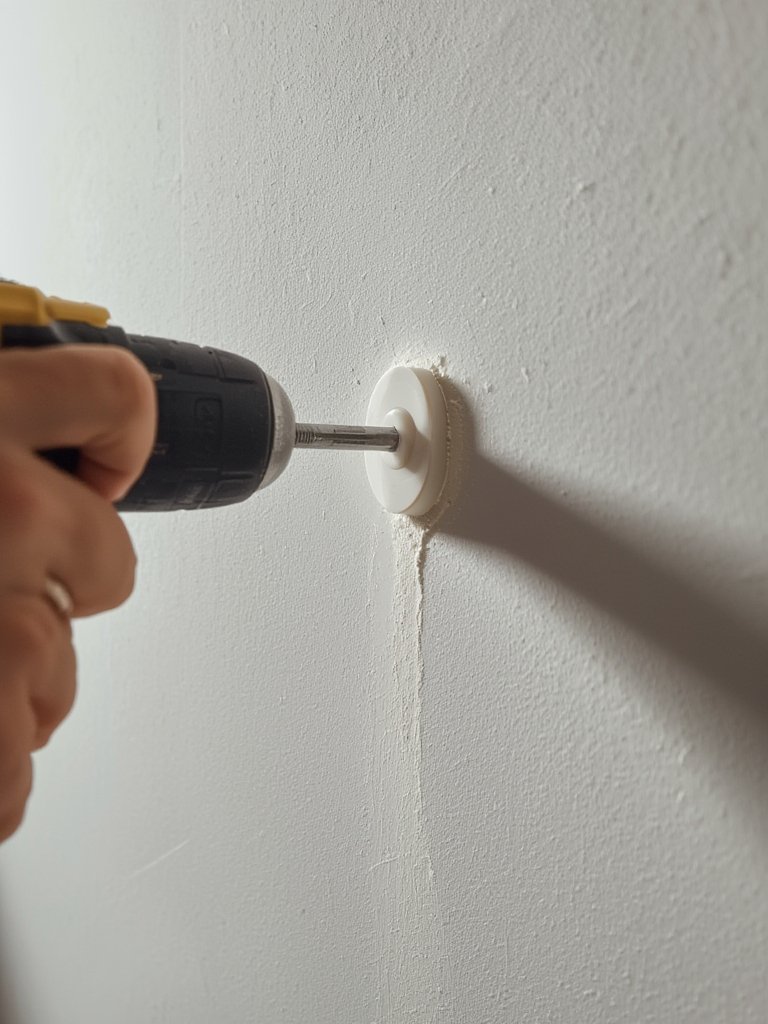
- For ceilings, always choose only winged or toggle-style anchors and never exceed 15 pounds. Learn more about drywall weight limits.
- Reuse: Some self-drilling anchors can be reused if screws are removed gently—good for temporary hooks and seasonal decor.
- If in doubt, reference your cordless drill’s manual for drill bit sizing, and don’t skip using a basic spirit level for accuracy.
Want to discover more about the best products for your next DIY? Visit our top product picks and recommendations hub.
Advanced Analysis & Common Pitfalls
Plastic drywall anchors promise convenience, but there are some recurring traps and weaknesses, especially for first-time installers:
- Improper anchor selection and overload: Over 30% of failures come from using too-small or basic anchors for big jobs (like shelves, TVs). Always match anchor to load and wall type. See key specs here.
- Inserting into wet or repaired drywall: Anchors lose holding power fast in moist or previously patched walls—use only on clean, undamaged drywall, and go into studs for anything over 20 lbs.
- Breakage on installation: Some plastic anchors (especially self-drilling) snap before seated if you overtighten or use a drill instead of a manual screwdriver. Expect some waste.
- Tearing out the paper face: Over-driving the anchor can rip the drywall’s paper layer, eliminating holding power and requiring patching. Install slowly, stop when flush.
- Missed torque limits: There are rarely torque markings on these products—so stop turning when resistance increases, not after “as tight as possible.”
| Type | Size Example | Application | Load Capacity (Walls) |
|---|---|---|---|
| Self-Drilling | Mini/variable | Medium-duty, no drill needed | 50-79 lbs |
| Basic Expansion | Standard | Light items, predrill often | 10-25 lbs |
| Plastic Winged Toggle | Varies | Light ceiling/wall | Up to 20 lbs |
All ratings above are for 1/2-inch standard drywall and items mounted vertically. Ceiling applications cut weight ratings by at least 25%. If your wall has been exposed to moisture or has had repeated repairs, play it safe—use only 25% of the anchor’s stated capacity or switch to a stud-mount approach.

For budget-minded jobs, plastic anchors are unbeatable, but never force them for big loads. When in doubt, upgrade to a metal toggle, or check out rugged shelving hardware as described in our heavy duty shelf brackets guide.
Want more clever home installation tips? Our resources on under kitchen sink storage ideas and space-saving, renter-friendly couches can help maximize any living area.
Conclusion
Plastic drywall anchors are a straightforward tool for mounting lighter items. Prioritize matching the anchor style to your project needs, checking wall condition, and using patient, manual installation. If you carefully follow each installation step, most everyday mounting jobs will go smoothly. If you want to minimize frustration, avoid the most common mistakes and double-check your work at every stage — your walls will thank you.
Ready to start your next project? For even more practical tips on how to install plastic drywall anchors, or to find the best new home products, explore our comprehensive product buying guide.
FAQ
How much weight can a plastic drywall anchor hold?
Lightweight plastic anchors typically hold 10-15 pounds, basic expansion types 10-25 pounds, and top-end self-drilling models up to 79 pounds if installed perfectly in standard 1/2-inch drywall. Wet, thin, or damaged drywall can cut these ratings by half.
Can you reuse plastic drywall anchors?
Some self-drilling types can be reused if screws are removed slowly and the anchor isn’t stripped or broken. Basic expansion anchors generally can’t be reused, as the wings deform on first use.
What if my anchor spins or falls out?
If the anchor spins or drops out, the hole is too big or the drywall too weak. Fill with wood glue and a sliver of wood, wait for it to dry, and reinstall. For repeated failures, move your anchor spot or use a larger-diameter anchor.
Is it safe to use anchors in ceilings?
Ceiling applications are tricky—never exceed 15-20 pounds with winged toggles and only on sound drywall. Heavy items like ceiling fans should always use anchors into joists, never just drywall.
What are the best alternatives if plastic drywall anchors keep failing?
Upgrade to metal toggle bolts or molly bolts for loads over 25 pounds, or use anchors that screw directly into a stud. If mounting anything critical (TVs, shelves), never rely on drywall alone.