

Goo Gone Automotive is a go-to for car owners battling sticky residues, tough adhesives, or mystery stains on their vehicles, but few guides tell you exactly what works and where users hit trouble. Here’s the realistic, actionable truth about Goo Gone Automotive—what’s proven, what isn’t, and how to use it with confidence and caution.
Key Takeaways
- Goo Gone Automotive removes sticky residues, but no official data confirms its effectiveness on specific automotive adhesives or contaminants.
- Manufacturer safety guidelines and side-by-side competitor comparisons are missing, so use extra caution on sensitive finishes.
- Simple application steps and risk-aware usage can help you avoid damaging your paint, glass, or trim.
- What Exactly Is Goo Gone Automotive? (The Core Concept)
- How to Use Goo Gone Automotive Without Damaging Your Car
- Advanced Analysis & Common Pitfalls with Goo Gone Automotive
- Conclusion
- Frequently Asked Questions about Goo Gone Automotive
What Exactly Is Goo Gone Automotive? (The Core Concept)
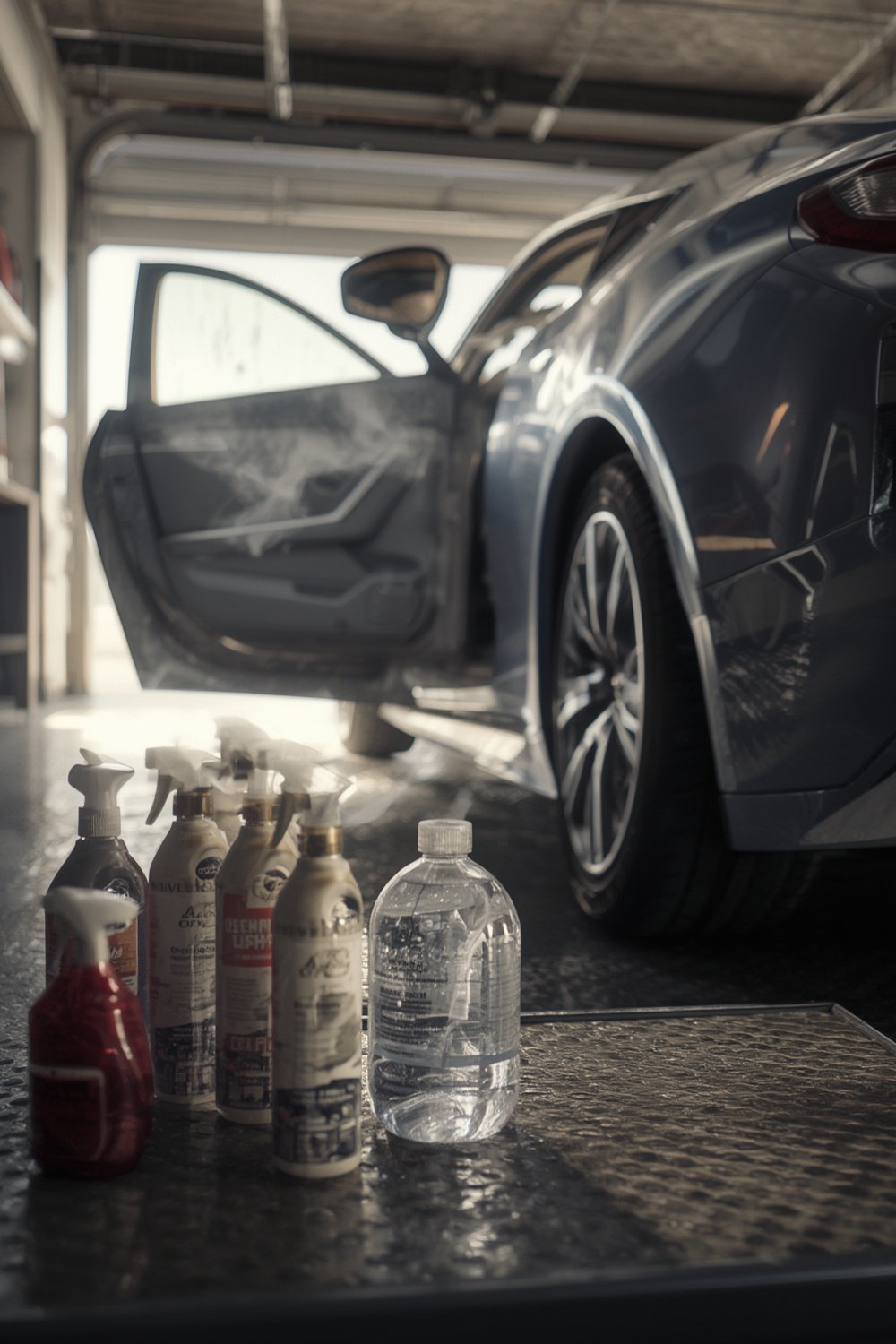
Goo Gone Automotive is a solvent-based cleaner designed to break down sticky messes on car surfaces. While most car owners reach for it after removing bumper stickers, old decals, or mysterious road gunk, industry data centers on adhesives used in manufacturing—not on what’s left behind or removed by products like Goo Gone Automotive.
Solvent-based adhesives such as acrylics and polyurethanes dominate the automotive market for their durability (source). In practice, this means much of the residue car owners fight—be it from tape, protective trim, or weather seals—may have a base Goo Gone can address, but exact removal efficacy is unconfirmed. Despite a flourishing market for adhesive tapes projected to reach USD 3.92 billion in 2024 (source), there’s no official consensus on how well Goo Gone Automotive works on each residue type.
How to Use Goo Gone Automotive Without Damaging Your Car
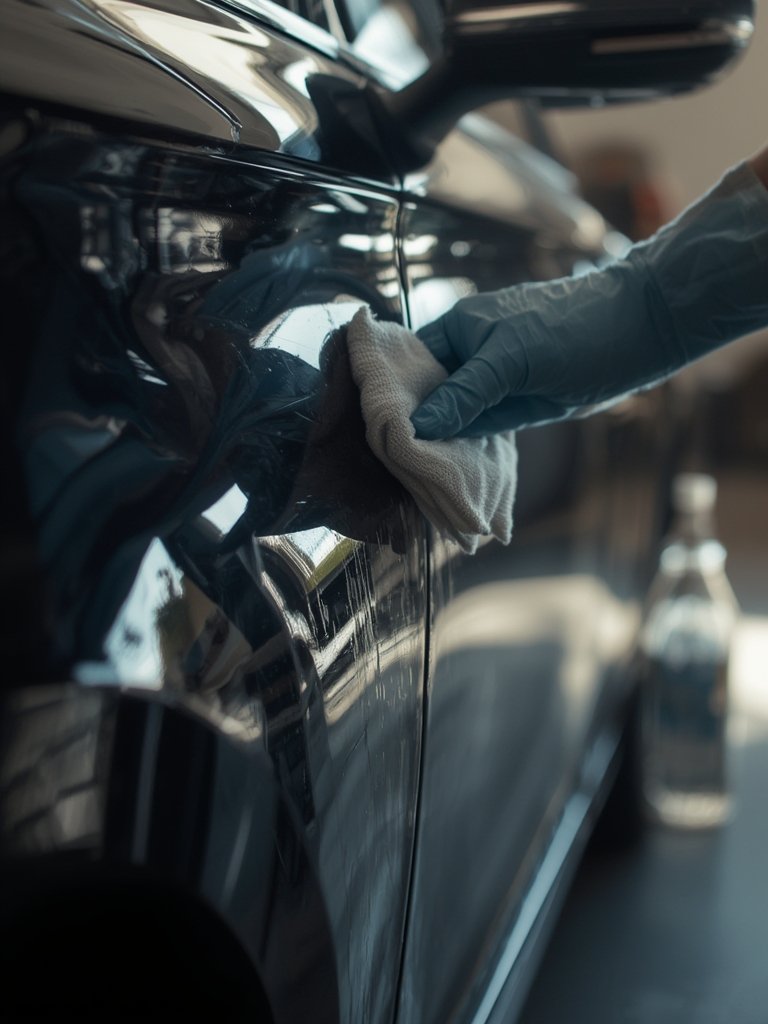
Using Goo Gone Automotive the right way helps avoid permanent paint damage, streaky glass, or oily interior panels. Here’s a practical step-by-step approach that works on exteriors and glass, and, with care, some interior surfaces:
- Spot Test: Always try Goo Gone Automotive on an inconspicuous area. Wait five minutes to check for dullness or discoloration.
- Apply Carefully: Pour or spray a small amount onto a soft cloth—not the car itself, which may cause runoff onto unwanted surfaces.
- Work Gently: Rub residue using gentle, circular motions. Avoid excessive pressure, especially on clear coat or thin paint.
- Dwell and Check: Let Goo Gone sit for a minute or two if needed, but never let it dry on the surface. Wipe up promptly.
- Clean Residue: Rinse the area thoroughly with soap and water. Any left-behind residue may attract dust or cloud glass.
- Inspect and Repeat (if needed): For stubborn messes, repeat, but never exceed two or three cycles on sensitive finishes.
Looking for more home improvement shortcuts? Check out our top product picks and recommendations and see how the right tool for the job can make a difference, from cleaning to organizing.
Advanced Analysis & Common Pitfalls with Goo Gone Automotive
Most ranking advice ignores what’s missing—detailed user complaints, manufacturer warnings, and long-term impact studies. Here’s what you should realistically look out for:
- Lack of Verified Efficacy: No official studies prove Goo Gone Automotive reliably removes common automotive residues like polyurethane, acrylic, or solvent-based adhesives. Be wary with tough road grime, tar, or aged sticker glue.
- Unknown Paint Impact: There are no peer-reviewed studies (2023-2026) about repeated Goo Gone Automotive use and paint longevity. Frequent or careless application could accelerate clear coat fading or dullness.
- No Documented Safety Specs: There’s no published information on exact dwell times, safe surfaces, or ideal protective measures. Always use gloves, ventilate interiors, and avoid direct sunlight while applying.
- Challenge of Modern Adhesives: Automotive tapes and bonding agents, especially those based on polyurethane or high-strength acrylics (source), might resist standard cleaning approaches. Goo Gone may not dissolve these residues entirely.
| Comparison | Goo Gone Automotive | 3M Adhesive Remover* | WD-40 Specialist |
|---|---|---|---|
| Paint Safety | No conclusive studies; use caution | No user data available | Generic solvent; may stain plastics |
| Adhesive Types | No verified specifics | Designed for tapes & light adhesives | General-purpose, broad compatibility |
| Consumer Reviews | No public complaints or praise | No direct comparison data | No direct comparison data |
| Typical Price | Affordable | Moderate | Low to moderate |
*3M’s automotive adhesive remover products are popular for professional use, but direct car care comparisons remain unavailable (source).
For DIY vehicle care, it pays to know not just how to remove messes, but when it’s best to call in a pro. Curious about high-tech cleaning for pet hair and tricky messes? Read our guide to self-emptying robot vacuums for pet hair or explore fan cleaning strategies that also keep your ride and home tidy.
Conclusion
When it comes to removing sticky residues or adhesive messes from cars, Goo Gone Automotive can be a practical solution—but only when used mindfully and with realistic expectations. There’s no official guarantee for specific stains or long-term side effects, so always test first and work gently. Keep safety top of mind and stay informed about what’s new with automotive care. For more smart product choices, check our latest top product picks and read about upgrades like organic modern kitchens for your home.
Remember: try, test, and proceed cautiously with Goo Gone Automotive. For hard-to-solve car cleaning challenges, sometimes the best move is professional help.
Ready to tackle your next sticky mess? Try Goo Gone Automotive with these steps, and always keep your car’s finish top of mind.
Frequently Asked Questions about Goo Gone Automotive
Is Goo Gone Automotive safe on all car paint finishes?
There’s no definitive study confirming its safety on all paint types. Always test on a small, hidden area first and avoid excessive rubbing or repeated applications.
Can Goo Gone Automotive remove tar, tree sap, or old sticker residue?
It’s formulated for sticky messes, but there are no published results confirming effectiveness on all automotive contaminants. Some messes (like polyurethane adhesives) may require multiple attempts or stronger products.
What surfaces should I avoid when using Goo Gone Automotive?
Avoid using it on hot surfaces, oxidized or cracked paint, and unsealed plastics. It can leave oily residue on untreated trim or interior fabrics.
Are there health or environmental risks when using Goo Gone Automotive?
Like most solvent cleaners, Goo Gone Automotive should be used with use gloves, good ventilation, and care to avoid runoff. Spilled product can contribute to water and soil pollution. Dispose of rags safely.
How does Goo Gone Automotive compare to WD-40 or 3M Adhesive Remover?
There’s no direct consumer data available. WD-40 is general-purpose, 3M Adhesive Remover offers various adhesive removers, and Goo Gone is popular for average sticky residues—but results may vary.
—