

How to Get Spray Foam Insulation off Your Hands: Safe, Realistic Solutions
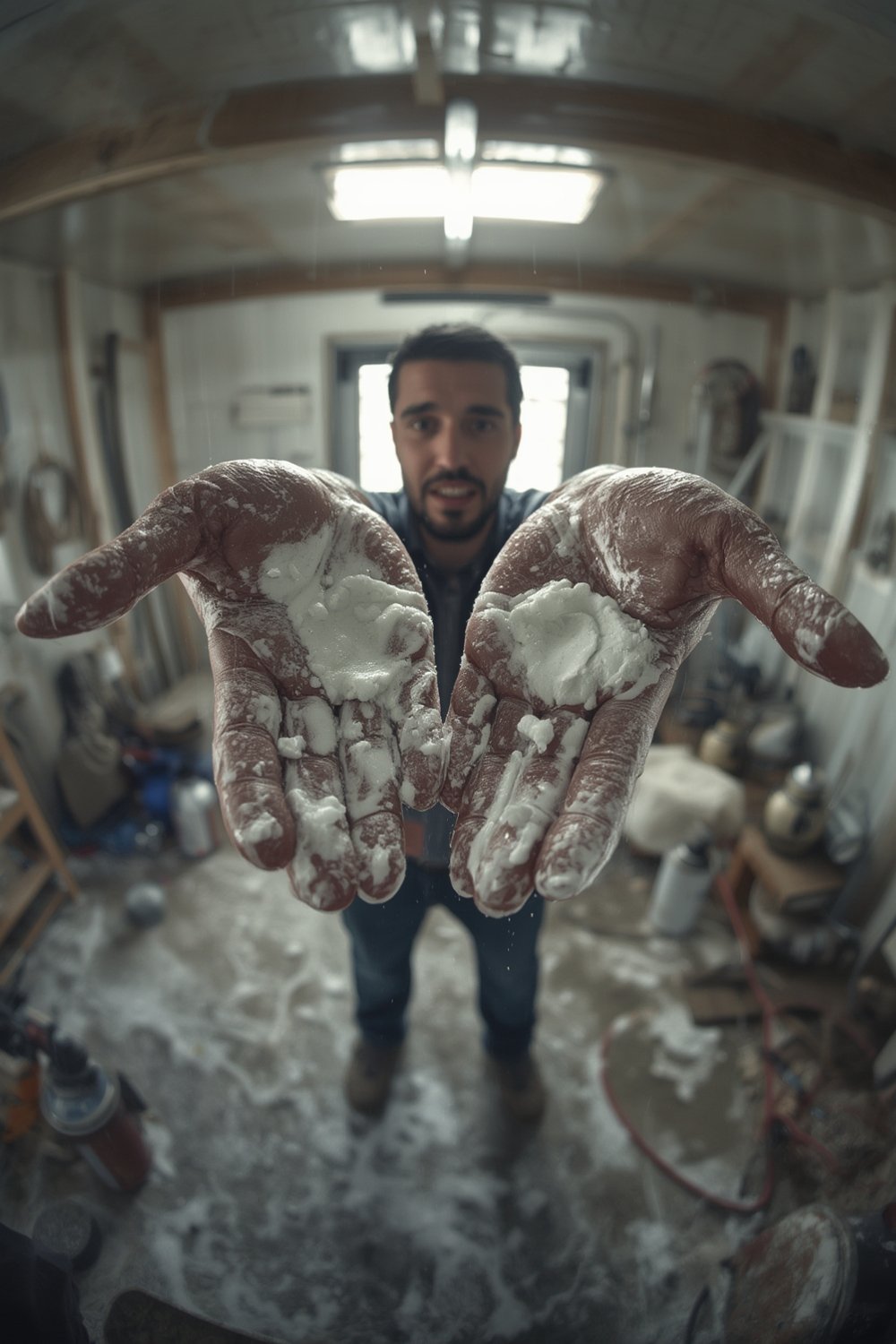
How to get spray foam insulation off your hands is a problem every DIYer hopes to avoid, but accidents happen fast. If you’ve ended up with sticky, stubborn foam clinging to your skin, it can feel impossible to remove. The good news? You don’t need harsh chemicals or fancy products—in most cases, you can get spray foam off your hands safely with basic household items, patience, and the right method.
Key Takeaways
- Act quickly: Uncured spray foam is much easier to remove from your hands than cured foam.
- Avoid direct use of harsh solvents; use gentle abrasion and soak methods for safety and best results.
- Prevention is best—always wear gloves, but realistic removal strategies are essential when accidents occur.
- Introduction
- The Core Concept: Why Spray Foam Insulation Sticks and How to Approach Removal
- Step-by-Step Guide: How to Get Spray Foam Insulation off Your Hands
- Advanced Analysis & Common Pitfalls
- Conclusion
- FAQ
The Core Concept: Why Spray Foam Insulation Sticks and How to Approach Removal
Spray foam insulation is designed to expand, cure, and create an airtight seal—great for your home, but a nightmare for your skin. If spray foam gets on your hands, it quickly starts bonding as it cures. There are two main scenarios: the foam is either uncured (still wet and sticky) or cured (dry and hard). Uncured foam is far easier to handle but sets up fast, so immediate action is crucial. Cured foam creates a tough, plastic-like shell stuck to your skin and takes more time and patience to remove.
Traditional cleaning with soap and water won’t work right away—and might even make things worse if used too soon. The key is to act promptly, use the right materials, and handle your skin gently to avoid irritation or injury.
Step-by-Step Guide: How to Get Spray Foam Insulation off Your Hands
-
For Uncured Spray Foam:
- Act fast: Wipe away excess with a dry disposable cloth or paper towel.
- Solvent clean (if needed): Dampen a clean cloth with acetone or standard nail polish remover. Do not pour directly onto skin. Gently dab at any remaining sticky foam. (See source 1 and source 2.)
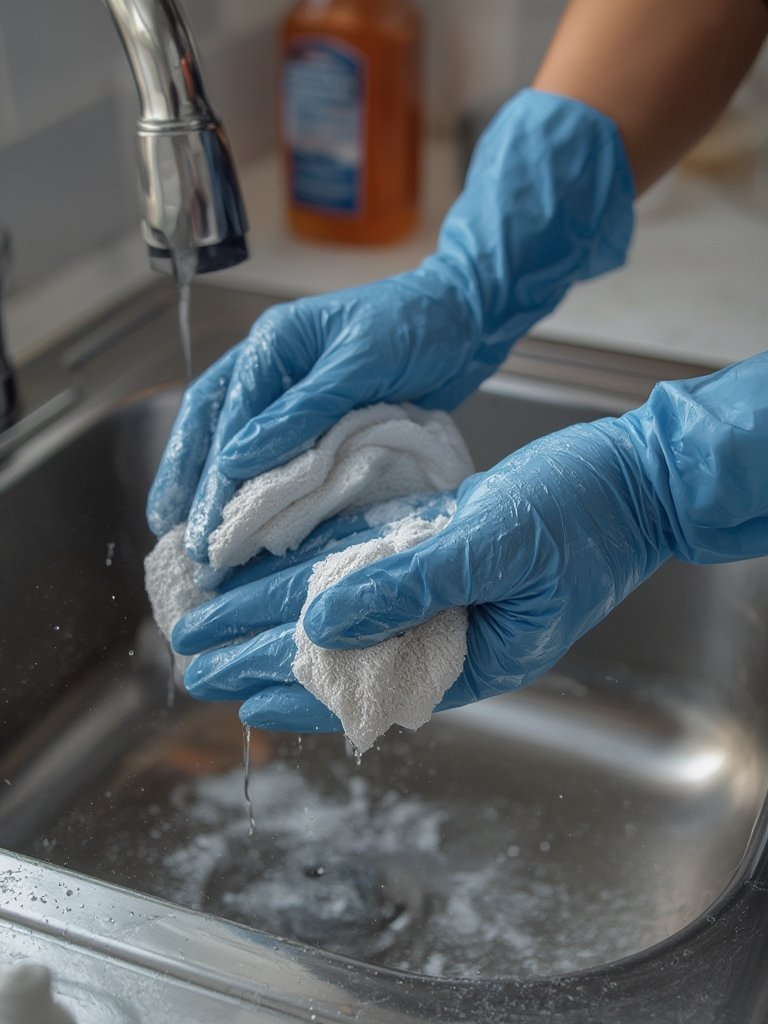
- Wash thoroughly: Once the foam residue is mostly gone, scrub hands with warm soapy water, rinse, and repeat as needed.
-
For Cured Spray Foam:
- Soak: Fill a bowl with warm, soapy water. Slip rubber gloves over your hands (after liberally applying petroleum jelly or oil, if desired) and let them soak for 1–2 hours. The moisture helps soften the foam for easier removal.
- Mechanical removal: Gently rub skin with a pumice stone or emery board. Do NOT scrape too hard—only remove loose, flaking foam. This may take several sessions.
- Oil break-down: For lingering spots, massage baby oil, olive oil, or petroleum jelly into the foam. Let it sit 10–20 minutes, then towel and wash hands again.
- Repeat as required: Some stubborn spots may need a few soaking sessions and light abrasion to fade.
-
Alternative Gentle Methods:
- Baking soda and oil paste: Mix into a grainy paste, massage onto foam spots, then rinse. Minimally abrasive but can dislodge remaining foam.
- WD-40: Wipe a little on a cloth and dab gently at cured foam (optional but effective). Afterwards, wash the area thoroughly.
Tip: Try to avoid getting spray foam on your hands at all by using good quality gloves. But if you work with insulation, accidental contact is almost inevitable.
Advanced Analysis & Common Pitfalls
Many guides focus on the basics but overlook some major risks. Here’s what you should actually expect—and how to avoid the problems real users face:
- Acetone can irritate or burn: Don’t put acetone directly on your skin. Apply it only with a cloth and keep it brief to avoid dryness or reaction, especially if you have sensitive skin. Baby oil or olive oil is much safer as a first option (source).
- Mechanical scraping injuries: Rubbing too vigorously with a pumice stone, sandpaper, or file can break the skin, especially if you’re impatient. Remove only foam—never force it or you risk infection.
- Prolonged cured foam: Hard, cured spray foam may simply need to wear off naturally over several days. Don’t panic if you can’t remove it all at once; continual washing and gentle scrubbing will speed the process.
- Water too soon: Using water immediately when the foam is uncured can accelerate curing. Try dry removal first (video guide).
| Method | Typical Time | Materials Needed | Cost Implications |
|---|---|---|---|
| Warm soapy water (uncured) | Immediate, repeat as needed | Dish soap, water, cloth | Low (household) |
| Acetone/nail polish remover on cloth | Minutes with rubbing | Acetone, cloth | Low ($2–5) |
| Soapy water soak in gloves | 1–2 hours, sometimes more | Dish soap, water, rubber gloves, tape | Low (household) |
| Pumice stone/emery board | Minutes, repeat as foam flakes off | Pumice, nail file | Low ($1–3) |
| Oil soak (baby/olive/cooking) | 10–20 minutes | Oil, cloth | Low (kitchen staples) |
| Baking soda + oil paste | Few minutes rubbing | Baking soda, oil | Negligible |
| Petroleum jelly soak under gloves | About 1 hour | Petroleum jelly, glove | Low ($2–4) |
| Mechanical filing/nail file | Ongoing as needed | Nail file/emery board | Low ($1) |
None of these methods require special “spray foam remover” products. Sticking to pantry staples is both safe and cost-effective.
For other time-saving cleaning ideas for your home, check out our practical robot vacuum guide for pet owners or learn tips for keeping your ceiling fans sparkling clean.
If you’re interested in insulation materials that are safer to handle, see the expert overview on rockwool insulation and how it compares.

Conclusion
Spray foam is tough stuff—on your walls and, unfortunately, your hands. Most cases resolve with household oils, gentle scrubbing, and patience. How to get spray foam insulation off your hands comes down to quick action with uncured foam and safe abrasion-and-soak tactics for cured foam. Remember, never use solvents directly on your skin, and don’t rush with abrasive tools.
For more safe DIY tips, explore our product recommendation hub and improve your home without the mess. Struggling with stubborn spray foam? Let us know your favorite removal hacks in the comments and share this article with your DIY crew.
FAQ
Is it dangerous if spray foam insulation stays on my hands for days?
It’s not seriously dangerous if the foam is cured, but you may experience minor skin irritation or dryness. Uncured foam can cause more irritation. If you develop redness, swelling, itching, or any allergy symptoms, consult a doctor.
Are there any products that remove spray foam instantly?
There’s no safe, instant “magic remover.” Acetone is effective for uncured foam but won’t work on cured foam. Household oils and gentle abrasion are safest for cured foam.
Can I use alcohol, paint thinner, or other chemicals on my skin?
No. These can cause severe irritation or chemical burns. Only use a little acetone or nail polish remover on a cloth, and switch to safer methods if possible.
How long does it take for cured spray foam to wear off naturally?
Usually 3–5 days, depending on how much foam is stuck and your skin type. Regular washing and oil massages help accelerate the process.
How can I prevent spray foam from sticking to my hands next time?
Always wear disposable gloves and long sleeves when working with spray foam. Change gloves immediately if they become damaged. Prep your workspace before starting.