

If you’re looking for a fast way to reduce energy loss in your home, a garage door draft blocker may be the most cost-effective step you can take today. Most garages are weak points for insulation, leading to chilly drafts, higher utility bills, and an uncomfortable workspace. Fixing this issue is easier than you think—if you know what to avoid and what actually works in 2024.
Key Takeaways
- A garage door draft blocker can reduce air leaks and save up to 15% on heating and cooling bills when paired with proper insulation.
- Quality of materials and proper installation are crucial to draft blocker effectiveness—cut corners can lead to wasted money and poor results.
- Modern garage weather seals and draft blockers are affordable, but performance varies—know the pitfalls before you buy.
- What Is a Garage Door Draft Blocker and Why Does It Matter?
- Step-by-Step: Installing and Choosing a Garage Door Draft Blocker
- Advanced Analysis & Common Pitfalls with Draft Blockers
- Conclusion: Smarter Home Insulation Starts at the Garage
- FAQ About Garage Door Draft Blockers
What Is a Garage Door Draft Blocker and Why Does It Matter?
A garage door draft blocker is typically a long weather-resistant strip (or flexible seal) attached to the bottom or sides of your garage door. Its purpose is simple: block cold and hot air, dust, insects, and even water from sneaking into your garage through gaps and seams. When combined with proper insulation, a draft blocker helps create a barrier that drastically reduces heat loss or gain in your garage and adjacent rooms. That leads to noticeable monthly energy savings, improved interior comfort, and protection for stored items.
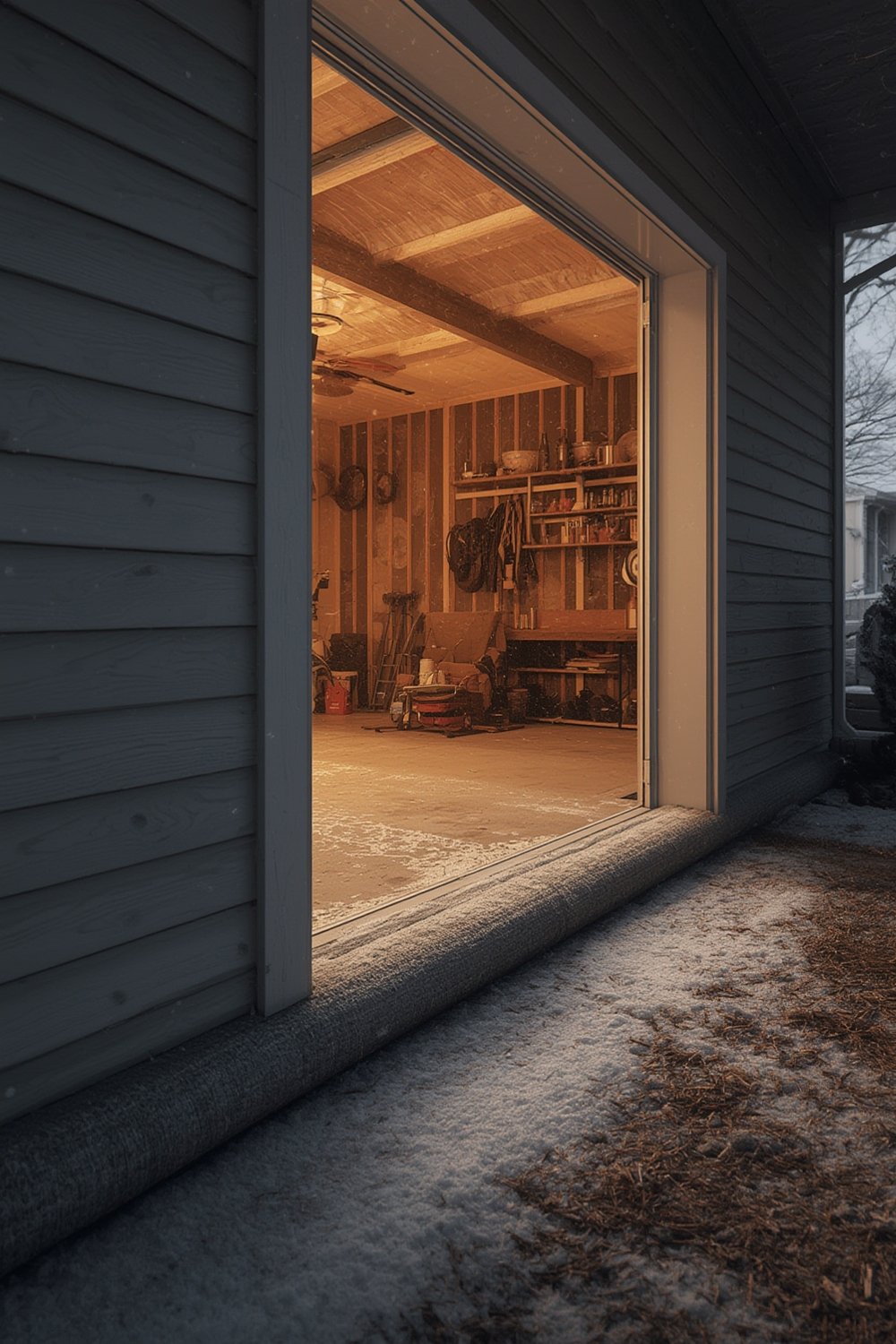
Why does this matter so much? According to a recent industry study, insulated garage doors (and tight weather sealing) can reduce total garage energy loss by up to 70%. Homeowners upgrading from unsealed to high-quality sealed garage doors often report a 10-15% reduction in monthly heating and cooling costs. The difference is just as important for both interior garages and those attached directly to your home or living spaces.
Unsealed garages invite drafts and humidity, which can damage stored items or vehicles and undermine any investment you’ve made in home insulation. If you use your garage as a hobby space, home gym, or workshop, blocking drafts will also dramatically improve comfort, especially in winter or extreme summer heat.
Step-by-Step: Installing and Choosing a Garage Door Draft Blocker
Replacing or adding a garage door draft blocker is a realistic DIY project—but precision counts, and the right product makes all the difference. Here’s how to do it right:
- 1. Assess the Problem Area. Stand inside your garage with the door closed on a bright day. Look for light streaming in at the bottom or sides—everywhere you see light, air and moisture can get through.
- 2. Decide: Draft Blocker, weather seals, or Both? Draft blockers install on the bottom edge of your garage door, while weather seals can be applied along the sides and top. Most homes benefit from a combination for complete protection.
- 3. Choose Material Wisely. In 2024, the most effective garage door bottom seals are made from durable vinyl, rubber, or synthetic blends designed to withstand temperature swings and vehicle tire compression. For insulation, look for products that advertise high R-values or multi-layer composition.
- 4. Prepare the Surface. Sweep and dry the threshold completely. If replacing an old seal, remove any adhesive residue, nails, or weathered material for a flat mounting surface.
- 5. Cut and Install. Cut the draft blocker to match your garage door width using a sharp utility knife. Align the seal so that when the door closes, the flexible lip flattens against the floor or threshold without bunching or excessive friction. Fasten according to product instructions (adhesive, screws, or channel insert). Pay special attention to sealing the corners tightly.
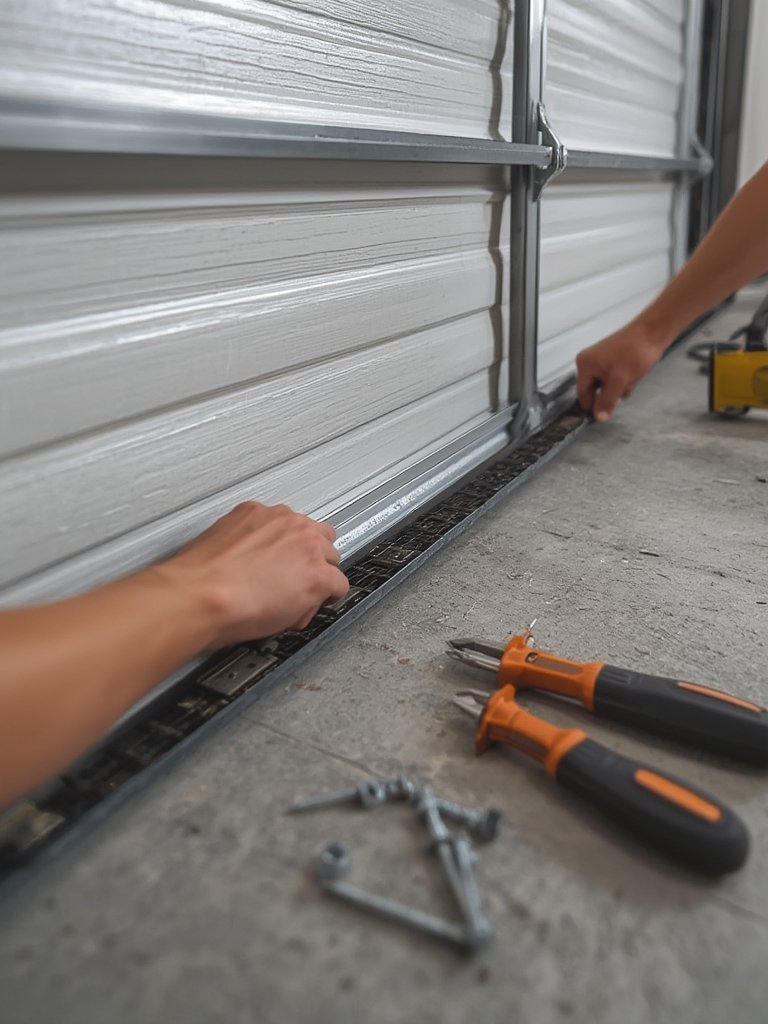
- 6. Inspect and Test. Close the door and examine for fresh gaps. Run your hand along the seal for airflow. If daylight or space remains, consider adding a threshold seal on the ground or adjusting the garage door for a tighter closing fit.
- 7. Maintain Regularly. Check draft blockers and seals every season for cracking, flattening, or detachment—especially if you drive over the threshold or live in an area with wide temperature swings. Replace main seals at the first signs of wear for optimal energy efficiency.
If you want to explore how sealing other entry points can save money, check our guide to weather stripping for metal exterior doors and see how similar strategies work throughout your home.
Advanced Analysis & Common Pitfalls with Draft Blockers
Draft blockers and weather seals are only as good as their installation and material quality. Here’s what often goes wrong with DIY or even pro installations:
| Factor | Draft Blockers | Weather Seals |
|---|---|---|
| Primary Function | Blocks air/water under door | Seals door sides and top |
| Thermal Insulation (R-Value) | Low (unless multi-layer or foam-backed) | Low—mainly blocks drafts, not insulates |
| Lifespan | 1 to 5 years (depends on material, sun, vehicle use) | 2 to 7 years (less vehicle contact) |
| Maintenance Required | Seasonal inspection, replacement as needed | Seasonal inspection, tightening or adhesive touch-up |
| Common Failures | Premature flattening, cracking from sun/cold | Peeling, ineffective due to misalignment |
- Durability. Cheap rubber or vinyl seals often flatten within a year, especially in direct sun or freezing winters. Professional-grade products last longer but cost more up front.
- Installation Errors. Misaligned draft blockers (too tall, too short, or crooked) leave hidden gaps that make the seal pointless. You want continuous contact with the threshold, not a tight jam that strains the garage door opener.
- Effectiveness Relies on Door and Floor Condition. If your floor slopes, or your garage door is warped, standard draft blockers won’t always provide an airtight seal. In these cases, customize with thicker products or add a raised threshold strip.
- Return on Investment. Upfront cost for a quality draft blocker is usually low (often $15 to $50 for DIY kits); however, professional installation or pairing with high R-value garage door insulation (like polyurethane or polystyrene panels) will maximize your energy savings—annual returns can reach $250 or more on an uninsulated door.
- Code and Rebates. As of 2024, no specific building codes or energy rebates cover garage door weather seals, but sealing garage doors is consistently recommended in U.S. Department of Energy and industry market forecasts as a smart energy upgrade.
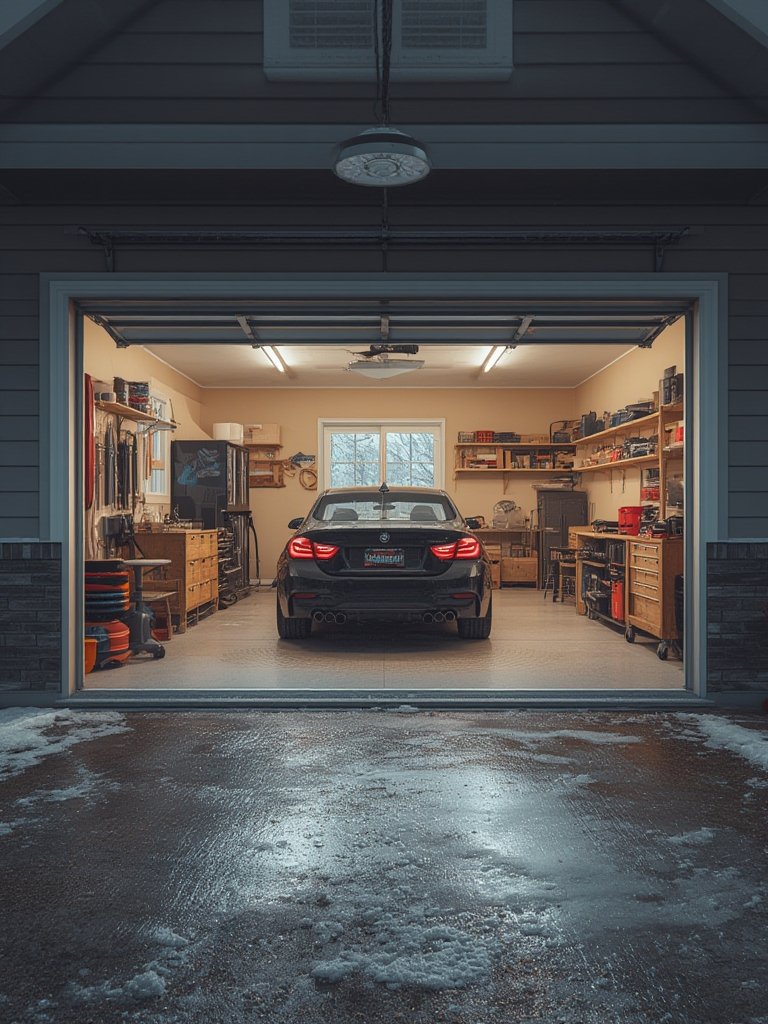
One clever approach is to combine your garage draft sealing project with other smart home updates. For example, if you’re already automating your house with a smart thermostat, sealing the garage can improve HVAC performance and provide an immediate side benefit.
Concerned about pet hair and dust still sneaking through? Consider pairing upgrades with extra cleaning help—a self emptying robot vacuum for pet hair can help catch garage dust migration into your living spaces.
Want more home improvement picks? Find value-driven recommendations at our top product picks and recommendations hub for every room.
Conclusion: Smarter Home Insulation Starts at the Garage
Small gaps under your garage door can quietly sap comfort and spike your utility bill. Installing a modern garage door draft blocker is a direct, low-cost move to fight drafts, protect valuables, and stabilize your home’s temperature. Consider this step a crucial first defense—especially if you plan to upgrade to higher-R-value insulation down the road. For complete peace of mind, don’t forget to check the draft blocker every season and choose a product suited for your climate. Ready to start? Get the right garage door draft blocker today and see the difference before your next energy bill arrives.
Got more projects on your list? Read our guides on Rubbermaid drawer organizers or explore trending upgrades like stylish fluted glass cabinets for your home.
FAQ About Garage Door Draft Blockers
How long does a typical garage door draft blocker last?
Most quality draft blockers will last one to five years, depending on the material, sun exposure, and how often you drive over the seal. Regular inspection and prompt replacement if cracked or flattened will maximize performance.
Can I install a garage door draft blocker myself, or should I hire a professional?
Most homeowners can handle a draft blocker installation with basic tools. Kits usually include instructions, but professional help may be needed if your garage floor is uneven or the door is badly misaligned.
Do garage door draft blockers work on both single and double garage doors?
Yes—just measure the width of your garage door and choose a product designed for the correct width. Larger doors may benefit from threshold seals in addition to the bottom blocker.
What’s the difference between a draft blocker and weather stripping?
A draft blocker is installed at the bottom of the garage door to seal the gap with the floor. Weather stripping is applied to the door’s sides and top to prevent air, dust, and water intrusion around the perimeter. For best results, use both.
Is it worth upgrading garage door insulation at the same time?
Yes—pairing a draft blocker with upgraded garage door insulation (such as polyurethane or polystyrene panels) can multiply your savings and comfort. The combined effect addresses both air leaks and heat loss or gain.