
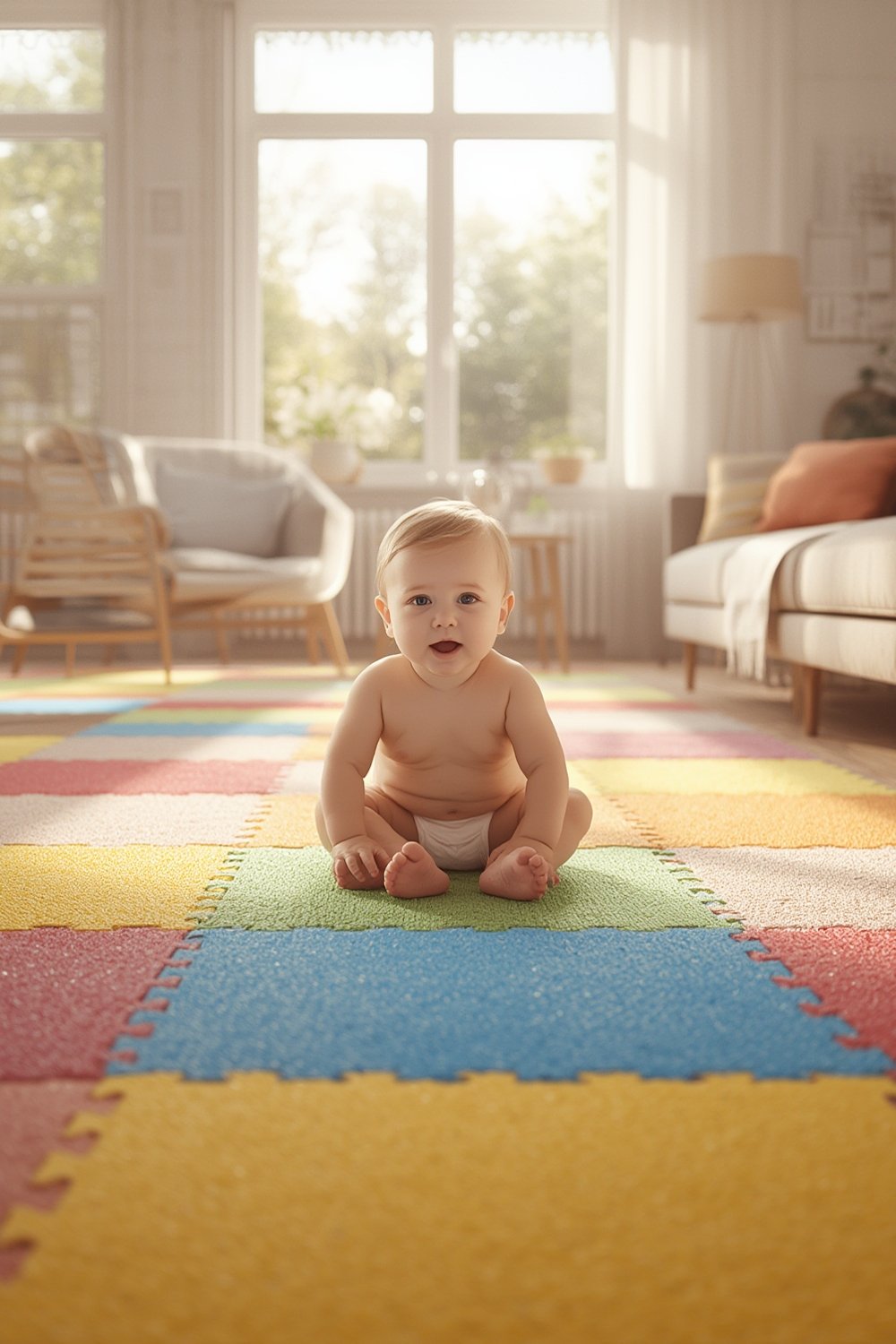
Foam floor tiles baby products are a staple for parents aiming to create a cushioned, safe play space, but safety, cleaning, and longevity questions persist. Here’s how to choose and maintain foam floor tiles for babies, what hazards to look out for, and how to get the most out of your play mat investment in 2024.
Key Takeaways
- Foam floor tiles for babies are widely available, but updated safety regulations are limited—parents must check for non-toxic certifications.
- Consistent cleaning and inspecting for wear or loose pieces is essential for baby safety.
- Ancillary issues like chemical odors, cleaning struggles, or slipping are not always covered in product listings—do your research beyond the basics.
- The Core Concept: What Are Foam Floor Tiles for Babies and Why Do They Matter?
- Step-by-Step Guide: Choosing & Using Foam Floor Tiles for Babies
- Advanced Analysis & Common Pitfalls
- Conclusion
- FAQ
The Core Concept: What Are Foam Floor Tiles for Babies and Why Do They Matter?
Foam floor tiles for babies are interlocking mats designed to provide a soft, cushioned, and safe area for infants and toddlers. Commonly made from materials like EVA, PE, or polyurethane foam, they reduce the risk of bumps and bruises as your baby crawls or learns to walk. These tiles are portable, customizable in size, and make hard floors friendlier for play and tummy time.
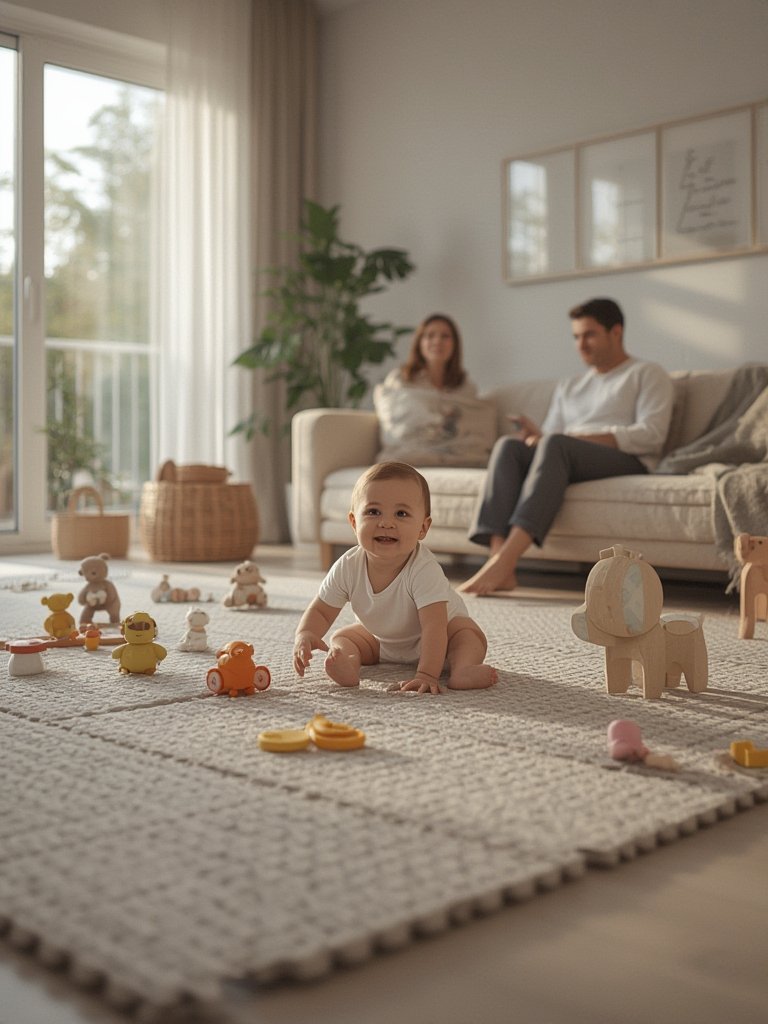
Why they matter is clear: babies spend hours close to the ground, and parents want a low-tox, easy-clean buffer between their child and the floor. With safety concerns around toxic chemicals, formamide, PBDEs, and phthalates, choosing the right play mat isn’t just about comfort—it could impact your baby’s health. For an eco-friendlier approach, some parents look at organic material options, but these aren’t as widely available as foam mats.
Step-by-Step Guide: Choosing & Using Foam Floor Tiles for Babies
- Check for Safety Certifications Before Buying
In the absence of fresh 2024 regulations, lean on third-party non-toxic certifications. Look for labels stating “formamide free,” “phthalate free,” and “non-toxic tested.” If possible, buy from reputable brands that specifically test for heavy metals, formaldehyde, and flame retardants.See research on safety standards. - Pick the Right Material for Your Needs
- EVA foam is most common, generally considered safe if certified, but check for formamide content as some countries have banned EVA foam with high levels.
- PE foam is a newer, non-toxic option, often marketed as the safest synthetic choice.
- Organic materials like cotton offer total peace of mind but are less durable and harder to find.
- Size Your Play Area
Measure your room and buy slightly more tiles than your target space requires. This allows replacing damaged sections rather than the whole mat (a common hack for long-term use). - Installation
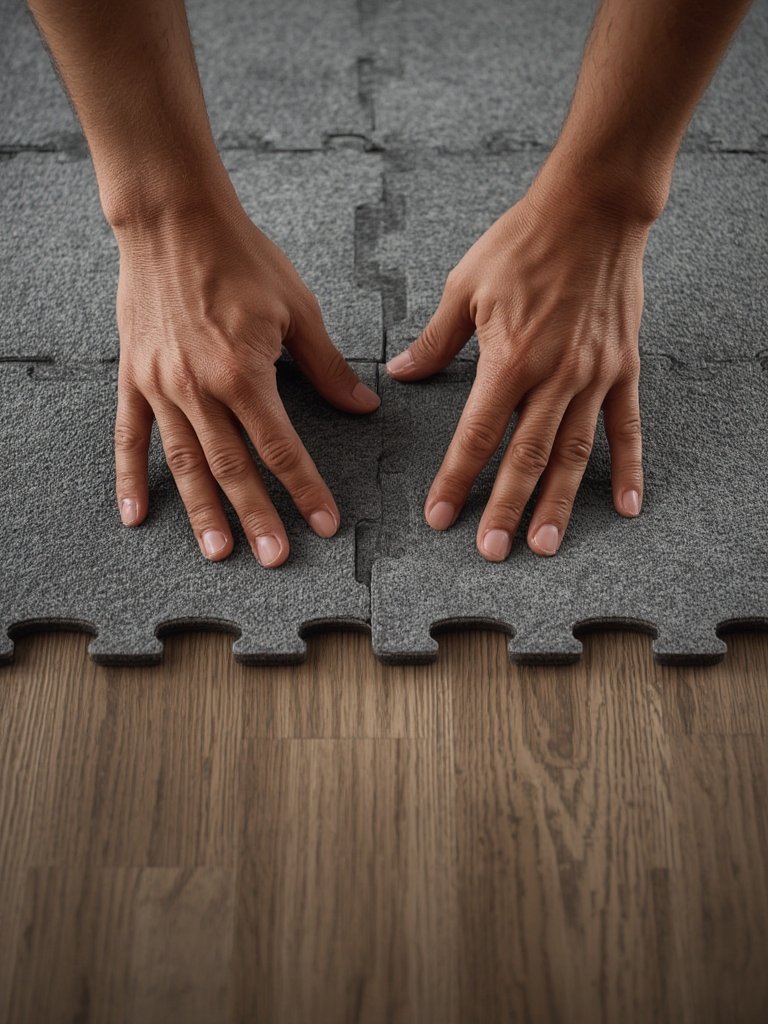
Assemble tiles on a flat, dry surface. Check that interlocks fit tightly—loose tiles are tripping hazards for babies. Avoid placing tiles on uneven surfaces or atop thick rugs. - Routine Cleaning and Maintenance
Daily wipe-downs with a damp cloth and a mild, fragrance-free soap are best. Disassemble and deep-clean each tile periodically. Never use harsh chemicals, which can degrade foam and leave residues. - Monitor for Damage
Check for tears, bite marks, or thinning. Dispose of (or replace) any tiles that show wear—babies can swallow or mouth bits of foam.
For more cleaning tips relevant to your whole home, check our guide on how to keep household items spotless. For another spillproof, kid-friendly floor option, see our tumble rug wash care tips.
Advanced Analysis & Common Pitfalls
Based on recent research, here’s what every parent should know:
- Safety Standards Lag: There are no new (2023-2024) North American or European regulatory updates about foam floor tiles baby products. Australia’s earlier studies found no health risk with certified EVA foam tiles, but some countries restrict use due to formamide concerns.
- Material Chemical Risks:
- EVA foam off-gasses formamide (potential carcinogen in high doses) but is likely safe in certified toys.
- PVC mats may contain phthalates (endocrine disruptors), while polyurethane can have flame retardants like PBDEs.
- No current evidence of BPA as a concern for foam tiles for babies.
- Don’t Skip Maintenance: Mats frequently come in contact with drool, spills, and food. Neglecting routine cleaning can quickly turn your play mat into a breeding ground for germs.
| Foam Material | Toxic Risk | Cleaning Difficulty | Durability |
|---|---|---|---|
| EVA Foam | Possible formamide (varies by brand) | Easy (if sealed) | Good |
| PE Foam | Low (no formamide) | Easy | Good |
| PVC | Phthalates (unless certified non-toxic) | Moderate | Good |
| Organic Cotton | None | Hard (not waterproof) | Average |
Looking to compare foam mat options for other uses? Explore interlocking foam floor tiles for gyms, playrooms, or multi-purpose spaces.
- No Recent Recalls: No foam floor tiles baby product recalls appeared between 2023-2026. However, one 2026 CPSC recall does involve baby gyms with mats (not foam tiles), so always inspect for updates.
- Limited Pricing & Brand Data: No reliable 2024 price comparisons exist. Evaluate brands based on certifications, not price alone. For a wider perspective on trusted product sourcing, check out our Product Buying Guide.
For easier household cleanup, see robot vacuums that also work on foam tiles. Organizing advice? Look into closet planning for families.
Conclusion
In summary, foam floor tiles baby products remain a top choice for safe play spaces when certified and maintained. Parents must compensate for lagging safety regulations by buying tested, non-toxic options and keeping tiles clean and intact. Don’t overlook small details—check for chemical labels, debug odd odors, and replace worn sections as needed. With simple habits, your foam floor tiles will protect your baby and keep your home more comfortable.
Ready to upgrade your nursery or playroom? Always prioritize certified safe foam floor tiles baby options, and bookmark this page for actionable setup, cleaning, and safety advice as your little explorer grows.
FAQ
Are foam floor tiles for babies safe in 2024?
Recent studies haven’t introduced new regulations for 2024. Buy only non-toxic, formamide-free, phthalate-free products from reputable brands to ensure safety. Check for third-party safety certifications.
Can foam floor tiles cause allergy or skin reactions for babies?
Most babies tolerate foam tiles well when they’re made from certified non-toxic materials. If your baby is sensitive or develops a rash, switch to an organic or hypoallergenic mat option.
How do I clean and sanitize foam floor tiles for babies?
Wipe them daily with a damp, mild-soap cloth and allow them to dry before reassembling. Disassemble for a deeper clean once a week. Inspect regularly for any tears or bite marks.
What are some alternatives to foam floor tiles baby products?
Organic cotton mats are an alternative, offering peace of mind with zero chemical risk, though they’re less durable and harder to clean. Padded tumble rugs are also growing in popularity for playrooms.
Do foam floor tiles baby products have any odor?
Some foam tiles may have a mild odor from manufacturing. This should air out in a day or two. Persistent strong odors can indicate excessive chemical content—return or exchange if you’re concerned.
—