

Fluted glass cabinet designs have surged in popularity for 2024, offering a fresh way to balance display and privacy in kitchens, living rooms, and beyond. But are fluted (or reeded) glass cabinets worth the investment, and what should you know before installing one in your own space? This actionable guide covers the real pros, cons, market facts, and step-by-step project tips most sources don’t share.
Key Takeaways
- Fluted and reeded glass cabinets are on-trend in 2024 for their unique texture and ability to partially hide contents—but require organized storage to look their best.
- Few sources cover installation, durability, cleaning, or exact price details—making realistic planning and budgeting crucial.
- Customization, hardware, and specialty materials drive up costs compared to traditional glass cabinets.
- What Are Fluted Glass Cabinets & Why Are They Trending?
- How to Choose, Customize, and Install a Fluted Glass Cabinet
- Real-World Analysis: Downsides & Pitfalls to Watch For
- Summary & Next Steps
- FAQ
What Are Fluted Glass Cabinets & Why Are They Trending?
Fluted glass cabinets—sometimes labeled as reeded glass—feature vertical grooves or ridges that create a textured, “wavy” surface. This detail diffuses light and gently blurs what’s inside, making them a favorite among designers wanting both style and a practical level of visual privacy. Instead of full transparency like classic glass doors, fluted glass softens the look and provides just enough cover to mask everyday dishes or items, especially when paired with modern cabinetry and hardware.
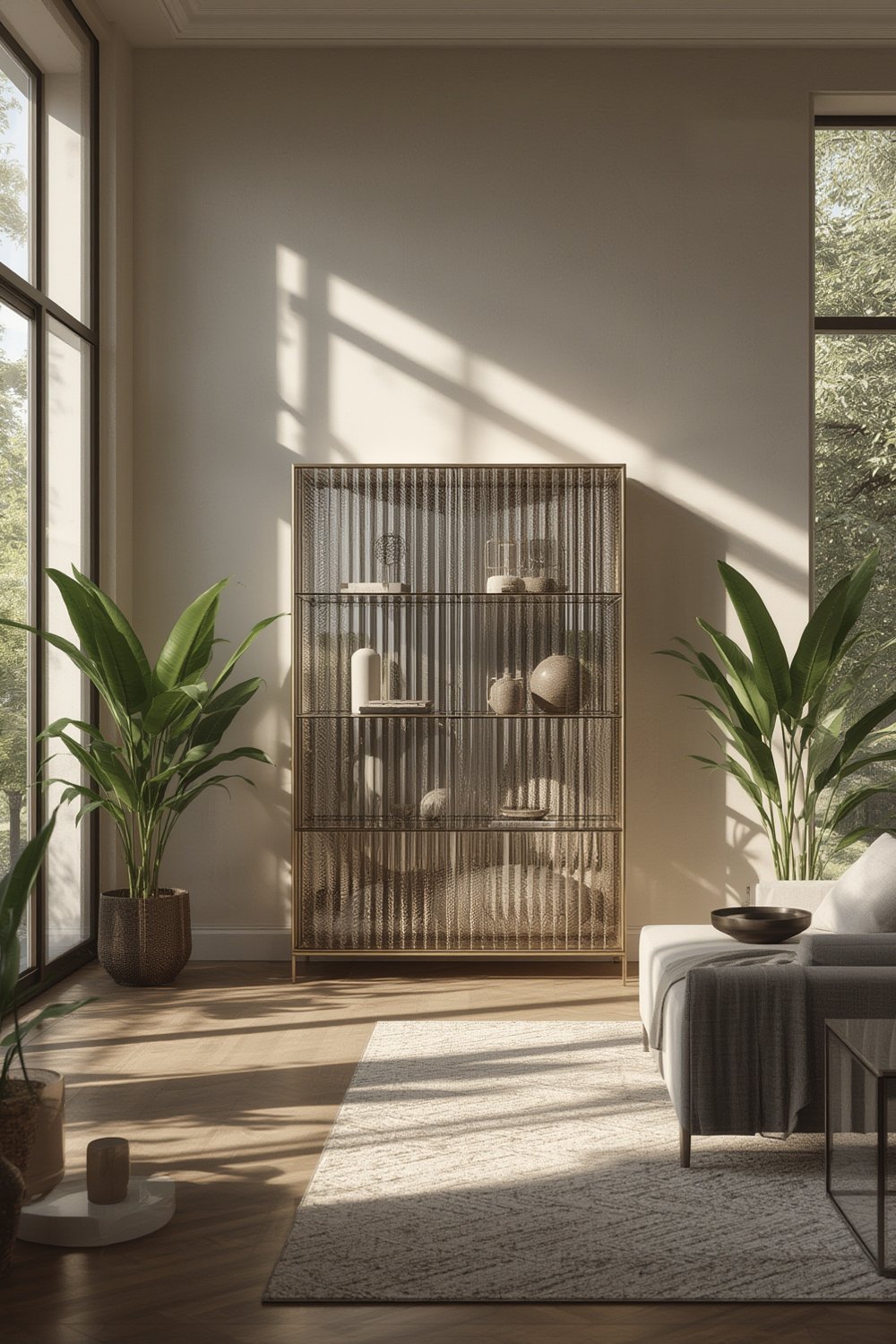
In 2024, broader U.S. cabinet trends show a move toward frameless, streamlined designs (45% market share, up from 40% last year)[1]. Fluted glass checks the “modern yet timeless” box that’s in demand for both kitchens and living spaces. Designers appreciate how this finish hides clutter better than clear glass, yet still showcases the silhouettes of your favorite dishes, glasses, or collectables[2]. The popularity of this style is expected to rise into 2025[3], especially as more homeowners seek textured, layered aesthetics.
For a complete look at up-and-coming kitchen design styles (including fluted details), visit our actionable organic modern kitchen guide for inspiration.
How to Choose, Customize, and Install a Fluted Glass Cabinet
Ready to bring the fluted glass trend home? Follow these step-by-step strategies to select, customize, and install a fluted glass cabinet that fits your space and lifestyle.
Step 1: Measure and Plan Your Space
- Identify the cabinet(s) you want to upgrade—this style is most popular for upper kitchen cabinets, china cabinets, or sideboards.
- Note that fluted glass typically works best where you want to display curated items, not “junk drawers.” It softens contents, but won’t hide chaos.
Step 2: Choose Frame, Finish, and Glass Style
- Decide between framed or frameless cabinet doors. Frameless is more modern and currently rising in popularity[1].
- Pick a finish: wood stains for warmth, paint for a contemporary feel, or metal trims for high contrast.
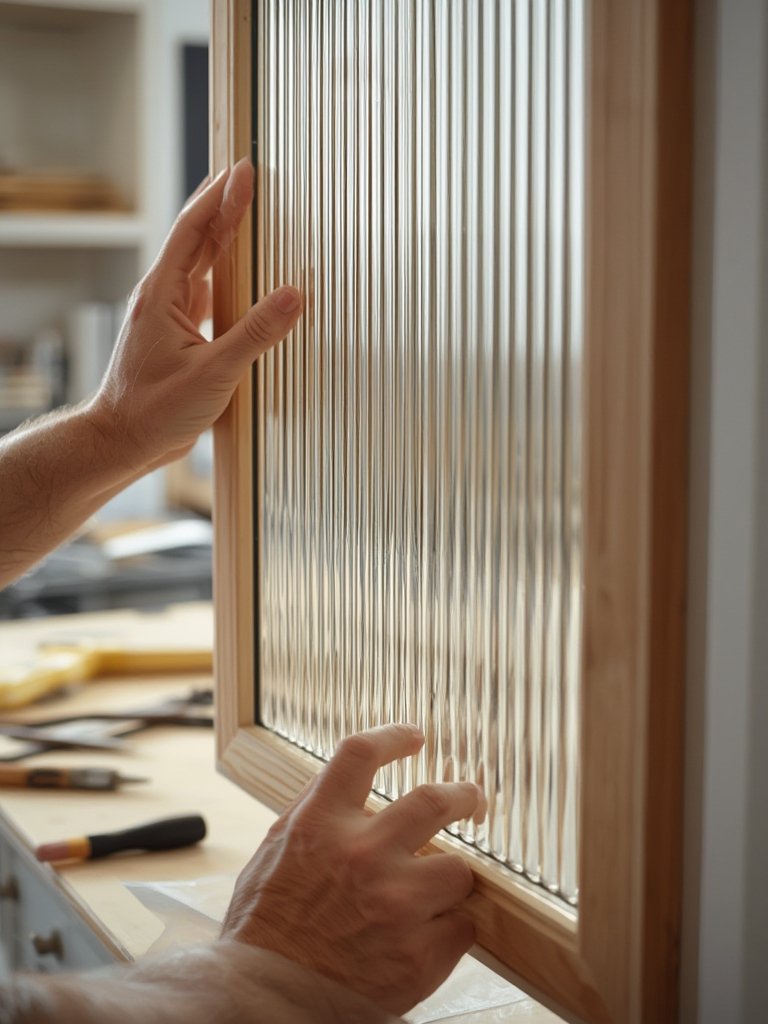
- For glass, “fluted” and “reeded” refer to the same texture—vertical grooves—so treat them interchangeably.
- Some customization options like matte black or brass hardware, LED lighting in shelving, or push latches can add cost and impact style.
Step 3: Budget Realistically
- While there’s no published average price for fluted glass cabinets in 2024, designers call them expensive and not yet widely available from mass-market retailers[4].
- Factors that influence price: custom sizing, thickness of glass (usually between 1/8” and 1/4”), number of doors, hardware upgrades, and specialty finishes.
- Custom options cost more, and you’ll also need to budget for professional installation if you’re not DIY-savvy.
For research-backed home improvement budget tips, check out our top product picks and recommendations page.
Step 4: Installation Practicalities
- Fluted/reeded glass weighs more than standard glass due to its texture and potential thickness—use sturdy hinges and check your cabinet’s weight rating.
- No direct consumer complaints or technical specs are published, but using push latches and strong door frames is advised for long-term durability[5].
- If installing LED lighting, choose strips rated for use inside cabinets and avoid placing lights where grooves may cast distracting shadows.
Step 5: Maintenance Advice
- No common complaints about cleaning are published, but expect to dust grooves and edges more regularly than with flat glass—microfiber cloths and diluted glass cleaner work best.
- Organize items inside the cabinet to minimize visible mess through the textured panels.
Pairing fluted glass cabinets with easy-to-maintain, modern cleaning tools helps protect your investment. Consider a self emptying robot vacuum for pet hair to keep your kitchen or lounge spotless and pet-friendly.
Real-World Analysis: Downsides & Pitfalls to Watch For
Industry reports and designer insights reveal a few crucial limitations nobody talks about. Before you commit, consider these drawbacks and how fluted glass cabinets actually perform after installation.
Pitfall 1: They Hide Clutter—But Only To A Point
Fluted and reeded glass doors obscure direct views, but anything large, colorful, or crammed is still visible in silhouette. They’re ideal for curated displays—not for disguising total disarray.
Designer consensus: If you want to stash mismatched mugs, food packets, or “junk,” use solid doors instead[2].
| Feature | Fluted/Reeded Glass Cabinet | Clear Glass Cabinet | Solid Wood Door |
|---|---|---|---|
| Visual Clutter Blocking | Partial—silhouettes visible | None—fully see inside | Full coverage |
| Style Impact | Modern, textural, soft-light effect | Classic, bright, sharp | Traditional, minimalist |
| Ease of Cleaning | More involved (grooves) | Easy (flat) | Easy |
| Average Cost | Higher (custom material) | Moderate | Lowest (common) |
Pitfall 2: Cost and Customization
No major retailer publishes clear 2024 price ranges for fluted/reeded glass cabinets, but they’re consistently listed as “expensive, not for mass market” compared to basic glass or solid cabinetry[4]. Factors that raise costs include complex groove patterns, thicker glass, custom sizes, specialized hardware, stains, and painting. Adding LED lighting or integrating with dark birch, walnut, or metal frames also increases total spend.
Pitfall 3: Installation and Durability Questions
There are no detailed specs—like glass thickness, weight, or hardware support—published by manufacturers so far in 2024. This means correct support is up to you and your installer. Cabinet doors with heavy, textured glass may sag if hinges or frames aren’t robust enough. Always request weight ratings and professional consultation for larger or heavily used doors.
Maintenance is straightforward but more frequent than with flat glass or wood, especially in homes with pets or high dust. Regular cleaning reduces haze in the grooves and keeps textured panels looking sharp.
For other trending furniture upgrades that solve real-life pain points (like renter-friendly living or better sleep), explore our new boneless couch and boucle bed frame guides.
Summary & Next Steps
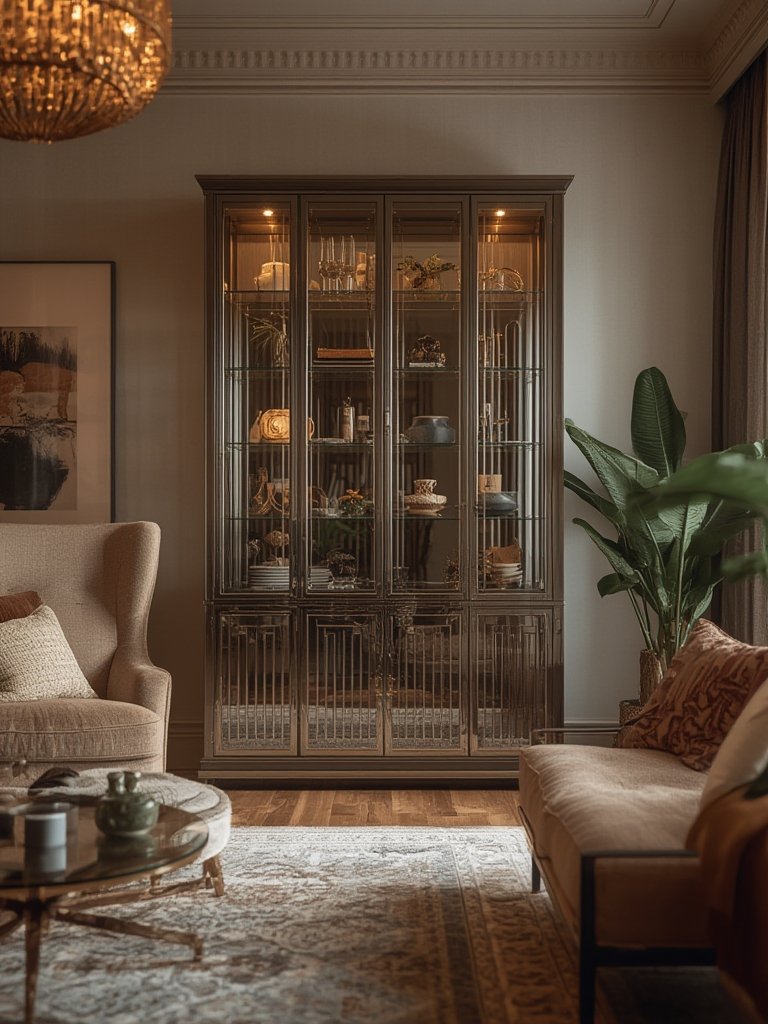
Fluted glass cabinets are an on-trend way to add architectural texture and subtle privacy, but they come with unique installation, cost, and maintenance realities. For anyone considering the investment, weigh the benefits of their diffused light and modern edge against the upkeep and need for organization. With realistic planning—and by using this guide’s actionable tips—you can ensure your fluted glass cabinet becomes a highlight, not a hassle, in your space.
Ready to upgrade your storage or display? Talk to a trusted installer, or DIY with confidence by researching local suppliers and specialty glass shops. Compare options with traditional cabinetry, and don’t be afraid to experiment with affordable alternatives.
FAQ
Do fluted glass cabinets hide messy shelves completely?
No. Fluted glass obscures contents but still reveals the outline and colors of items, especially if densely packed. They look best with organized, curated displays rather than “junk” or mismatched storage.
Are fluted glass and reeded glass cabinets different?
No. In cabinet design, these terms both refer to glass with vertical grooves or ridges. “Reeded” and “fluted” panels are manufactured and priced similarly in 2024.
How do you clean fluted glass cabinet doors?
Use a microfiber cloth with mild glass cleaner. Pay attention to the grooves, which collect dust more than flat glass—use a soft brush for deeper cleaning as needed.
What makes fluted glass cabinets so expensive?
Specialty textured glass, custom sizing, thicker panels, upgraded hardware, and finishing options all make fluted glass cabinets pricier than standard glass or wood doors.
Can I retrofit existing cabinets with fluted glass?
In some cases yes, especially if you have framed doors with removable glass inserts. You can replace the panes or use a fluted privacy film for a budget option. Always check that frames and hardware can handle the weight of textured glass.
—