

Door snake draft stopper solutions are a quick, low-cost way to seal up drafty gaps and boost your home’s comfort in minutes. Whether you’re tired of cold air sneaking in or fed up with high heating bills, door snakes truly make a difference if used right—just don’t expect miracles from every product on the market.
Key Takeaways
- Door snake draft stoppers are one of the simplest ways to reduce door drafts and energy waste at home.
- Government data shows drafts can increase energy use by 5% to 30%, potentially costing $252 to $1,524 more per year (source).
- Not all stoppers fit every door type—choose materials and sizes thoughtfully for lasting effectiveness.
- What is a Door Snake Draft Stopper and Why Use One?
- How to Choose and Install a Door Snake Draft Stopper (DIY & Store-Bought)
- Advanced Analysis: Effectiveness, Pitfalls, and Real-World Problems
- Conclusion: Is a Door Snake Draft Stopper Worth It?
- FAQ
What is a Door Snake Draft Stopper and Why Use One?
A door snake draft stopper is a long, weighted fabric tube or sleeve that you lay along the bottom edge of a door to block cold air, reduce drafts, and improve insulation. Commonly called “draft snakes” or “door draft blockers,” their job is simple: fill the gap beneath the door so heated (or cooled) air stays inside and dust, cold, and even bugs stay out.
This makes them a favorite quick fix for older homes, apartment doors, or anyone who wants to lower energy bills during winter and summer. According to energy efficiency data, up to 30% of a building’s energy can be wasted through leaks. Plugging door and window drafts is one of the lowest-cost ways to cut waste, and the Department of Energy states drafts alone can bump up your energy use by 5% to 30% each year (source).
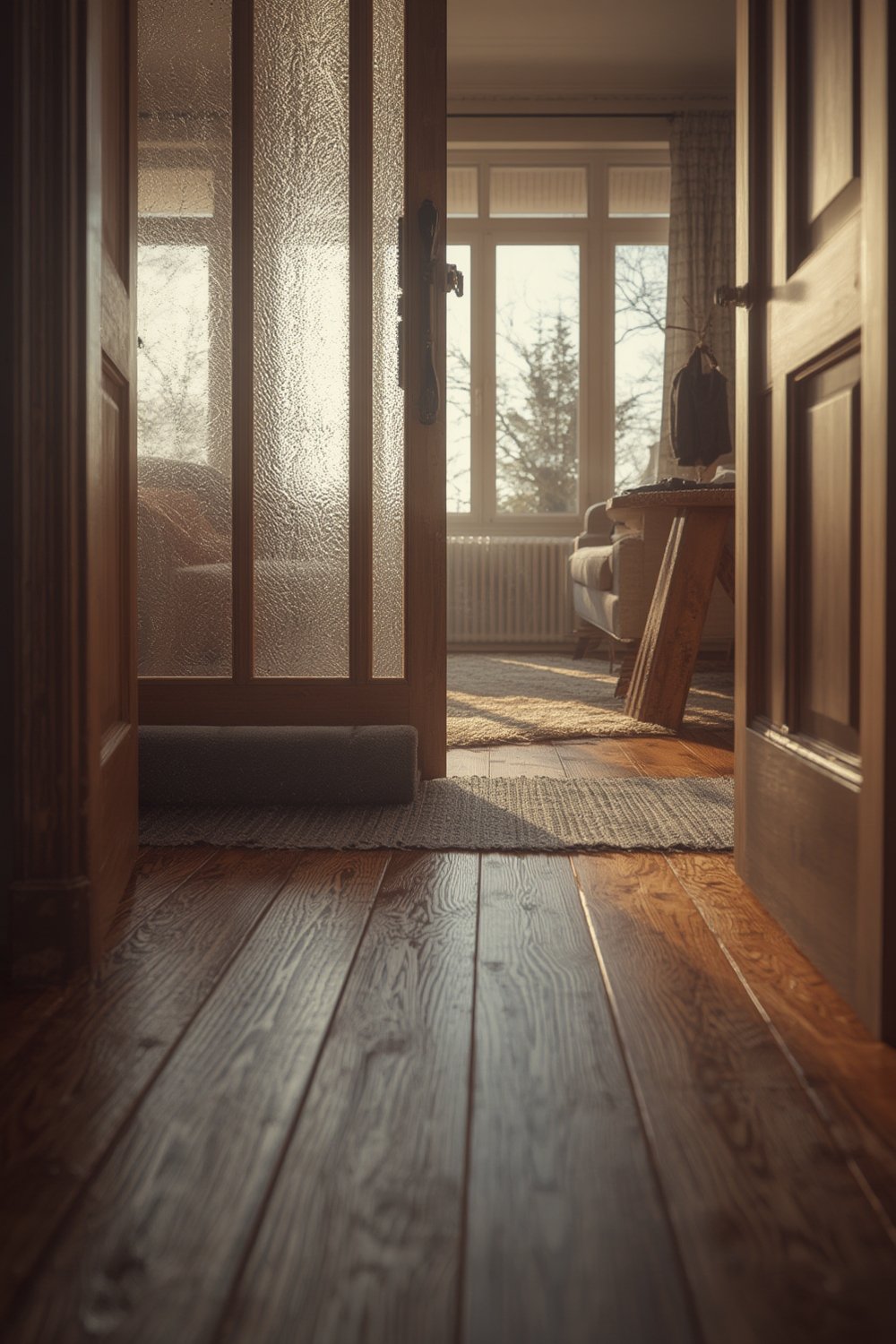
Unlike foam weatherstripping (which sticks or screws to doors), door snakes don’t require adhesives or tools. You simply place them along the bottom edge of the door. They can also be swapped out seasonally, moved from room to room, or even used on drafty window sills for similar benefits.
While they’re most often used for energy savings, some people use draft stoppers to block light, reduce sound (in small amounts), or prevent insects and dust. They remain one of the most cost-effective tools for better indoor comfort, though not every style or material is equally effective.
How to Choose and Install a Door Snake Draft Stopper (DIY & Store-Bought)
Door snake draft stoppers come in a range of shapes, weights, and materials. Here’s how to pick the right one (or make your own), install it properly, and squeeze the most benefit out of every dollar.
Step 1: Measure Your Door Gap and Width
First, measure the width of the door and the size of the gap beneath it. Most stoppers are between 32 and 40 inches long for standard doors, with diameters of 2 to 4 inches. Use a tape measure to get an exact length—too short and leaks will persist; too long and it won’t fit snugly.
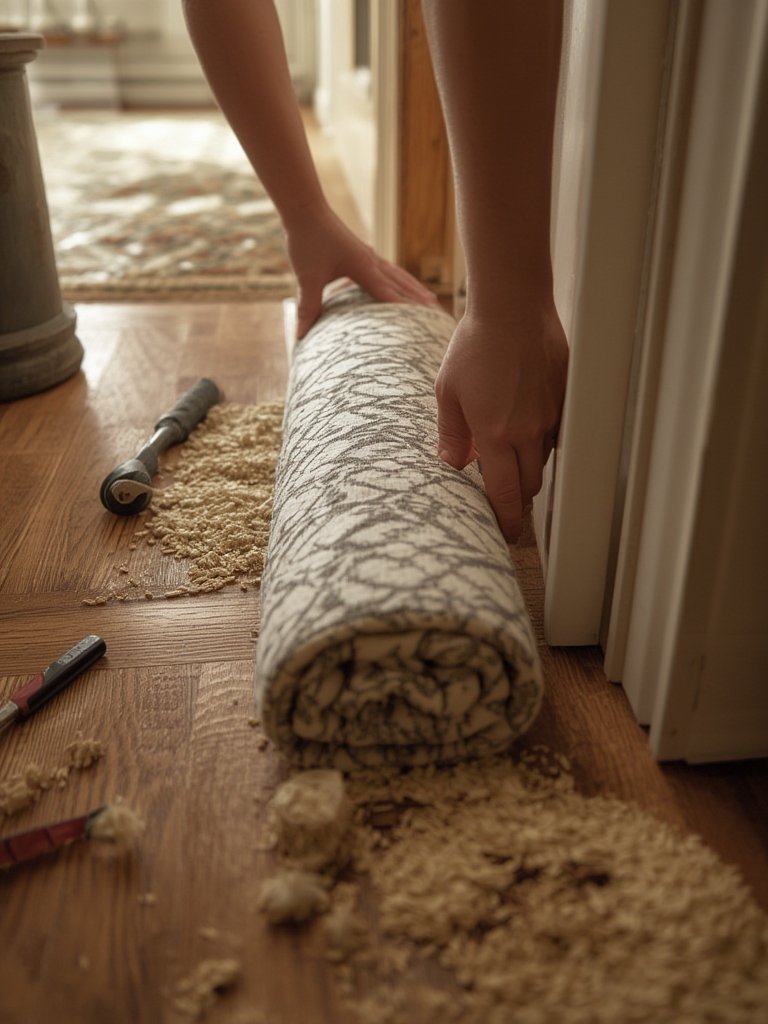
Step 2: Select Material and Filling
- Outer Fabric: Choose a durable, washable fabric (like canvas, denim, or thick cotton). Avoid thin synthetics that slip or tear easily.
- Filling: Polyester fiberfill, rice, sand, small pebbles, beans, or a weighted synthetic fill are common choices. Weight matters: heavier stoppers seal gaps better, but may shift less easily with door movement.
If you’re buying, check the label or product specs for weight (usually 1 to 4 lbs) and cover material. If you’re making one, fill an old pant leg, pillowcase, or custom-sewn tube for a tailored fit. Double-stitch seams for best durability.
Step 3: Installation (Store-Bought or DIY)
- Lay the door snake along the inside edge of the door, making sure it covers the entire gap.
- For swinging doors, a double-sided stopper can move with the door as it opens and closes.
- If blocking drafts from a seldom-used entry or sliding door, use heavier fillers and position the stopper along the outside or inside as needed.
- For extra hold, lightly tack with removable tape or use a door snake with Velcro strips if available.
To maximize year-round results, check for leaks at the door edge and combine with basic weather-stripping for long-term performance, especially on exterior doors.
Looking for more innovative home improvement tools and recommendations? See our top product picks and recommendations hub.
Step 4: Maintenance and Cleaning
Shake out or vacuum the door snake to remove dust. Spot-clean stains or toss in the washer if permitted. Replace if the filling clumps, gets damp, or grows mold. Store in a dry area when not needed to prevent musty smells or material breakdown.
If damp or musty odors are common in your home, consider pairing your door stopper with a home dehumidifier for better long-term air quality.
Money-Saving DIY Quick Recipe
- Cut the leg from an old pair of jeans, turn inside out, and sew one end shut.
- Fill with rice, beans, or polyester stuffing (add a little sand for weight if desired).
- Sew the other end closed. Optional: Add a fabric handle for easy moving.
Enjoy a simple, functional draft stopper that costs less than $5 in materials.
Advanced Analysis: Effectiveness, Pitfalls, and Real-World Problems
While door snake draft stoppers offer immediate improvement, they aren’t a cure-all. Here’s what to expect, where they fall short, and how to get the best results without wasting time or money.
Common Pitfalls
- Poor Fit: A stopper that’s too short or too narrow won’t fully block drafts. Gaps at the corners especially let air (and pests) slip through.
- Wrong Material: Lightweight, slippery synthetics can slide out of place constantly—especially with pets or active children.
- Not Weighted Enough: Underfilled or light draft stoppers won’t seal the gap properly and may blow away with a cross-breeze.
- Moisture Trapping: On exterior or basement doors, fabric stoppers can absorb moisture, leading to mildew, odors, and even attraction for insects.
- Lack of Multipurpose Performance: While they can block some dust and light noise, door snakes are not true replacements for specialized acoustic door sweeps or pest barriers.
- Trip Hazard: If not positioned carefully, door snakes become a trip risk, especially for seniors, kids, or in dark hallways.
| Feature | Door Snake Draft Stopper | Foam Weatherstripping | Automatic Door Sweep |
|---|---|---|---|
| Cost | Low ($5-$25 typically) | Low–moderate | Moderate–high |
| DIY Friendly | Very | Moderate | Low |
| Works with All Floor Types | Yes | Yes | Some gaps on uneven floors |
| Long-Term Durability | Varies (6 months–2 years typical) | 1–3 years | 5+ years |
| Blocks Sound/Pests | Some, limited | Minimal | Better, if paired with seals |
| Permanent Solution | No | Often yes | Yes |
| Ideal Use | Renter-friendly, quick fix | Basic home insulation | Maximum control, high-traffic doors |
If you struggle with persistent drafts that a door snake cannot fix, invest in underlying solutions as well:
- Install permanent weatherstripping (source)
- Seal old or warped exterior doors
- Upgrade to insulated doors in extreme climates
For garage doors or bigger gaps, see our dedicated garage door draft blocker guide.

Don’t forget to check around the door frame—gaps here might require a different fix. If you’re starting a full home refresh, see our organic modern kitchen update guide for more energy-saving opportunities.
Conclusion: Is a Door Snake Draft Stopper Worth It?
For most households, door snake draft stoppers deliver a real, noticeable boost in comfort for a small upfront investment and almost no effort. They’re especially practical for renters, old homes, and anyone seeking a flexible, low-risk fix for annoying drafts. The key is choosing the right size, material, and location—and knowing their limits. Combine them with other sealing tactics for the best possible results. To recap: fix your leaks, save money, and enjoy a cozier home—all by harnessing the simplicity of a door snake draft stopper. Ready to make your house more comfortable? Start by sealing that first gap today.
FAQ
Do door snake draft stoppers work on all types of doors?
They work best on standard interior and entry doors with a consistent gap. Uneven floors or large gaps may require custom sizing or a heavier stopper. Some double-sided models are designed to move with the door but may snag on thick carpet.
How much money can I really save by using a door snake draft stopper?
While savings vary by home and climate, plugging door drafts can cut your energy waste by 5–30% per year (DOE data). For a typical household, that’s $252–$1,524 annually, though a single door will deliver a portion of this total.
What is the best material to fill a DIY door snake draft stopper?
Mixing rice, sand, and polyester fiberfill creates a good blend of weight, flexibility, and insulation. Avoid raw food grains in humid environments since they may spoil over time.
Can a door snake draft stopper help with sound or pests?
They block some noise and dust, but aren’t a substitute for real soundproofing or pest control. For serious noise reduction, try specialized solutions like an acoustic door sweep or better door seals.
Is it better to buy or DIY a door draft stopper?
Store-bought models are convenient, rugged, and sometimes machine washable. DIY stoppers are more affordable and customizable in size, color, and fill, but may require occasional repairs or refilling.