

Dehumidifier installation near me is a rising search as homeowners face persistent humidity, hidden mold, and escalating utility bills. If you want safer, drier air or need to protect your property from moisture, knowing where to start—and what to avoid—is essential. This no-fluff guide shows exactly what to expect, what pros won’t tell you, and how to choose the right solution for your area in 2024.
Key Takeaways
- Humidity hotspots like Florida and the Southeast drive the highest installation demand, but costs and pitfalls vary regionally.
- Common pain points are hidden fees, high electricity bills, and lack of transparent installer qualifications—smart planning helps avoid surprises.
- Integrated smart or HVAC-linked systems are rising fast but require expert installation to avoid technical headaches and energy waste.
- What Is Dehumidifier Installation and Why Location Matters
- How to Get a Dehumidifier Installation Near Me: Step-by-Step
- Advanced Analysis & Common Pitfalls in Dehumidifier Installation
- Conclusion
- Frequently Asked Questions
What Is Dehumidifier Installation and Why Location Matters
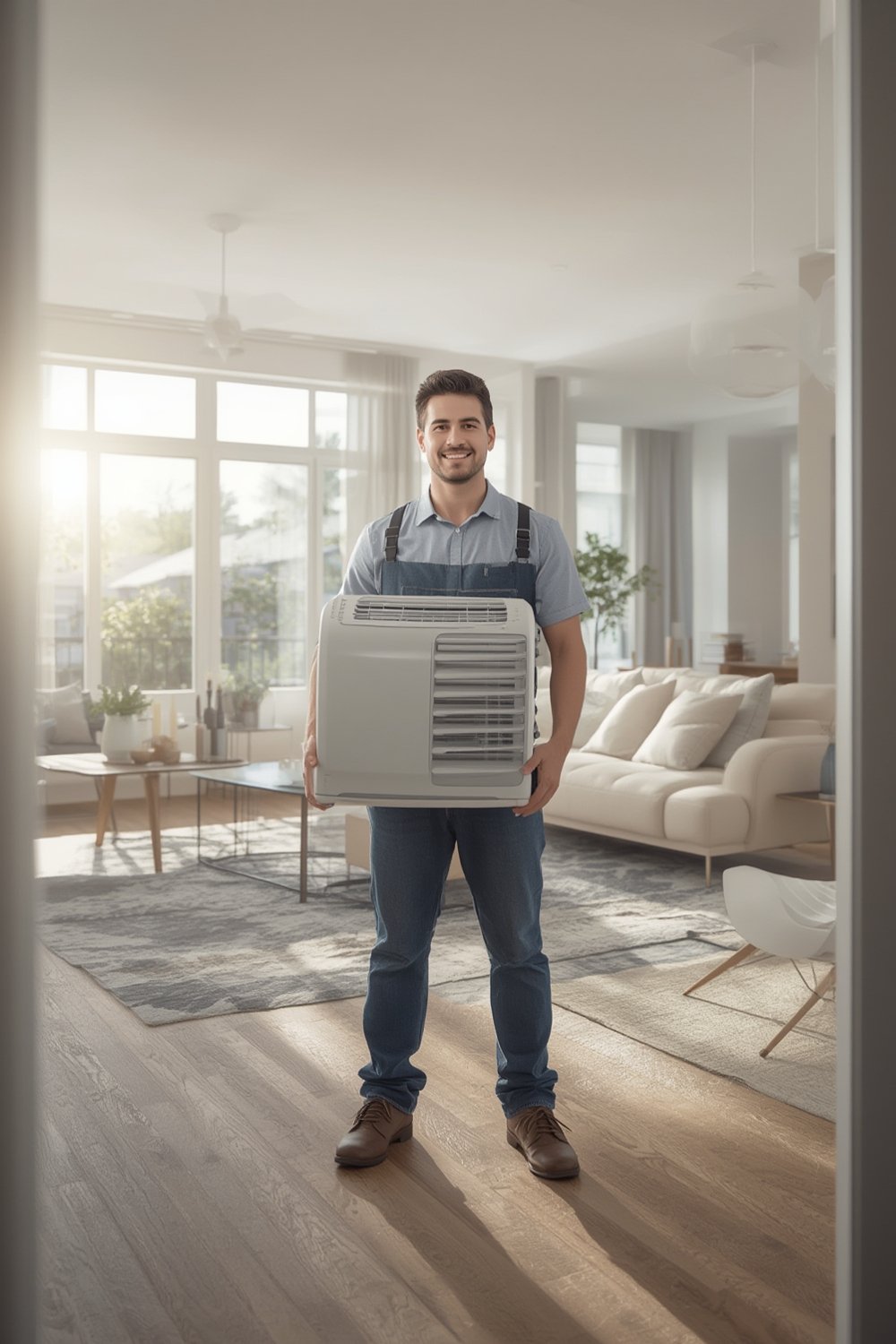
Dehumidifier installation means more than just plugging in a device. It’s about choosing, locating, and hardwiring (sometimes integrating) a system built to regulate indoor moisture for your exact home conditions. Your location determines what system works, how often it will run, and what problems you may face. For example, in humid states such as Florida, Georgia, and the South, demand for professional installation surges—residential and hotel construction alike are booming, with the South region dominating the U.S. dehumidifier market in 2024.
Proper dehumidifier installation helps prevent mold outbreaks, wood warping, and even health issues. But not every installer is created equal, and not every system will keep your air dry without skyrocketing your power bill. It’s vital to plan for both the initial setup and what happens when your unit runs through high-humidity summers year after year.
How to Get a Dehumidifier Installation Near Me: Step-by-Step
- Assess Your Humidity Problem.
Use an inexpensive digital hygrometer to spot high moisture zones. Basements and crawlspaces are most prone in humid climates. - Determine Scale—Single Room vs. Whole House.
One-room plug-ins work for mild issues, but persistent dampness calls for a professionally installed, whole-home or HVAC-tied system. - Research Local Installers (Don’t Just Pick the First Search Result).
Check for experience with your home type, modern ENERGY STAR units, and integration with HVAC or smart home systems.
See also: How to Validate Local Home Remodel Companies - Request Detailed Quotes—Get All Costs Up Front.
Insist on a written quote covering unit cost, installation labor, possible duct or electrical upgrades, and recurring maintenance visits. - Verify Installer Credentials Wisely.
While there’s no federal “dehumidifier installer license,” HVAC certification or mechanical contractor registration is a practical minimum.
Tip: Ask if the company employs NATE- or EPA-certified HVAC staffers, especially if integrating with a smart system. - Prepare the Installation Zone.
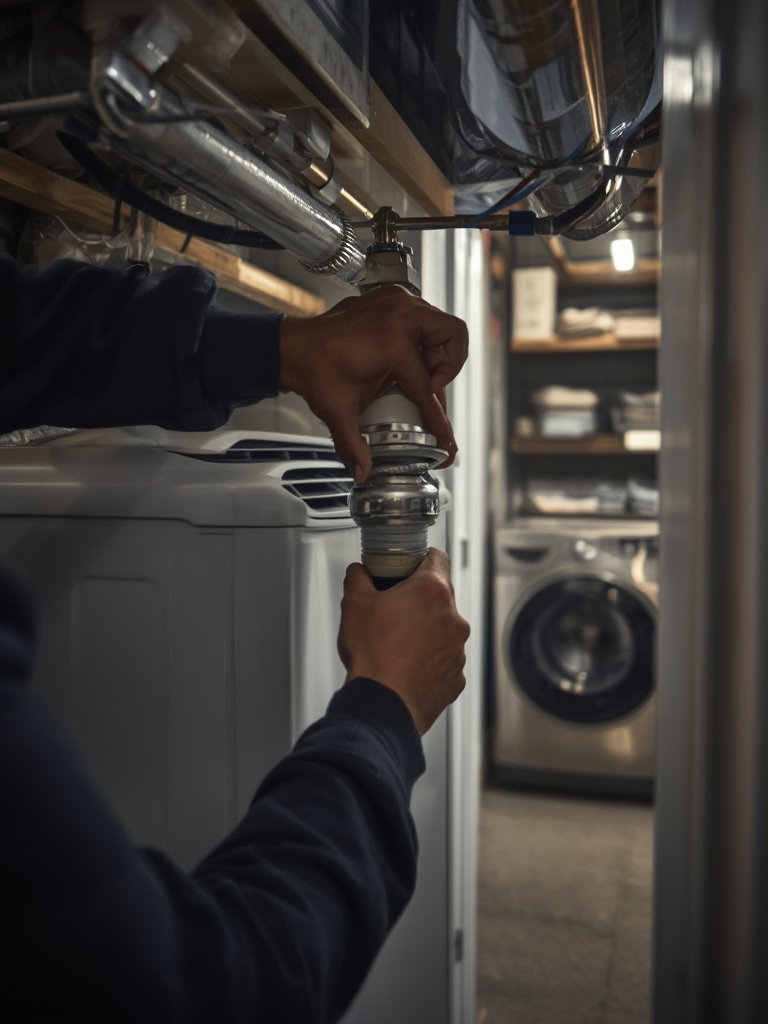
Clear anything blocking access to damp areas (furniture, storage bins). Basements often require a dedicated circuit and a drain point. - Schedule the Work (Read the Fine Print).
Ensure you know who handles old unit disposal and what the warranty covers.
Consider asking about ongoing support; not all local companies offer 24/7 emergency service. - Test and Adjust.
Good pros will run moisture tests and demonstrate drain setup, filter changes, and simple troubleshooting before considering the job complete.
If you’re dealing with pet hair and want to keep your air cleaner, pair your new dehumidifier with a self-emptying robot vacuum for pet hair—especially in damp-prone rooms where fur and dust combine for musty odors.
Advanced Analysis & Common Pitfalls in Dehumidifier Installation
The rapid rise in U.S. dehumidifier installations—projected to surpass USD 1.1 billion in 2024 alone—has exposed several overlooked headaches for homeowners who go “cheapest and fastest.” Here are the most common pitfalls and an honest look at what to expect region by region.
| Region | Demand Level | Main Issues | Typical Pitalls |
|---|---|---|---|
| Southeast (FL, GA, MS, LA) |
Very High | Year-round humidity, mold risk | Hidden power costs, oversizing, cheap units that fail fast |
| Northeast (PA, NJ) |
Moderate–High | Flooded basements, seasonal dampness | Poor placement, inadequate drainage solutions |
| Midwest (IL, OH) |
Moderate | Weather swings, older basements | DIY errors, missed venting requirements |
| Pacific NW (WA) |
Moderate | Rainy climate, crawlspace moisture | Unsealed spaces, ignoring insulation upgrades |
| Southwest, Mountain | Low | Spot problems only | Overspending for minor issues, improper unit sizing |
Common Pitfalls
- Electricity Bills Spike: Extended run times in humid areas surprise many homeowners. Whole-home systems draw more power than expected and can drive up monthly costs if not sized right. See installation trends report.
- Lack of Qualified Installers: There are no national certifications for dehumidifier installation alone. Many so-called “specialists” may offer cheap prices but lack HVAC or mechanical training—often skipping essential drain, vent, or wiring steps. (ENERGY STAR standards apply only to the device, not to the installer.) See market analysis.
- Hidden Fees: Some installers charge extra for basement access, old unit disposal, or unexpected electrical changes not in the base quote.
- Poor System Integration: Integrating a dehumidifier with a smart thermostat or whole-HVAC setup can introduce glitches and inefficiencies if done by someone unfamiliar with newer technologies. As home automation rises, these mistakes get more costly.
- Missed Maintenance: Ignoring filter changes, drain clogs, or humidity control setting calibration leads to performance drops and sometimes unit failure.
If you want your installation to work with smart home tech, get familiar with our smart thermostat guide or see how Homebridge connects older devices to smart systems. Struggling with high dehumidifier power costs? Compare it to space heater energy use for perspective.
Conclusion
Dehumidifier installation near me isn’t just about buying a device—it’s about getting a system sized, sited, and set up for your local climate and real world usage. The U.S. market’s rapid growth means more choice (and more confusion), plus rising costs and complexity as smart, whole-home systems become standard. Plan for the long haul: prioritize qualified installers, understand the true cost of operation, and demand transparent quotes. Ready to solve your humidity problems for good? Get multiple quotes today and protect your home from hidden moisture damage before the next high-humidity season hits.
Frequently Asked Questions
How do I choose the best dehumidifier installer near me?
Look for HVAC or mechanical contractor credentials, check recent local reviews, and insist on a detailed cost breakdown for both the unit and installation. Avoid “handyman” deals that sound too cheap.
What should I expect to pay for dehumidifier installation?
Costs vary widely—expect between $300 and $2500 depending on unit size, home layout, and region. Always ask for written quotes to avoid surprise add-ons for wiring, drainage, or basement access.
Are whole-house systems worth it in humid regions?
Whole-house systems offer the best protection in persistently damp climates, but have higher upfront and running costs. They require integration with your HVAC and annual maintenance for optimal performance.
Can I install a dehumidifier myself?
Small portable units are DIY-friendly. But for crawlspaces, basements, or whole home’s integration, professional installation is strongly recommended to avoid drainage mistakes, electrical risks, and voided warranties.
How do I reduce energy costs after installation?
Set your dehumidifier to target only problem zones, use smart scheduling or energy monitors, and clean filters regularly. Consider pairing the system with better insulation and moisture barriers.
—