

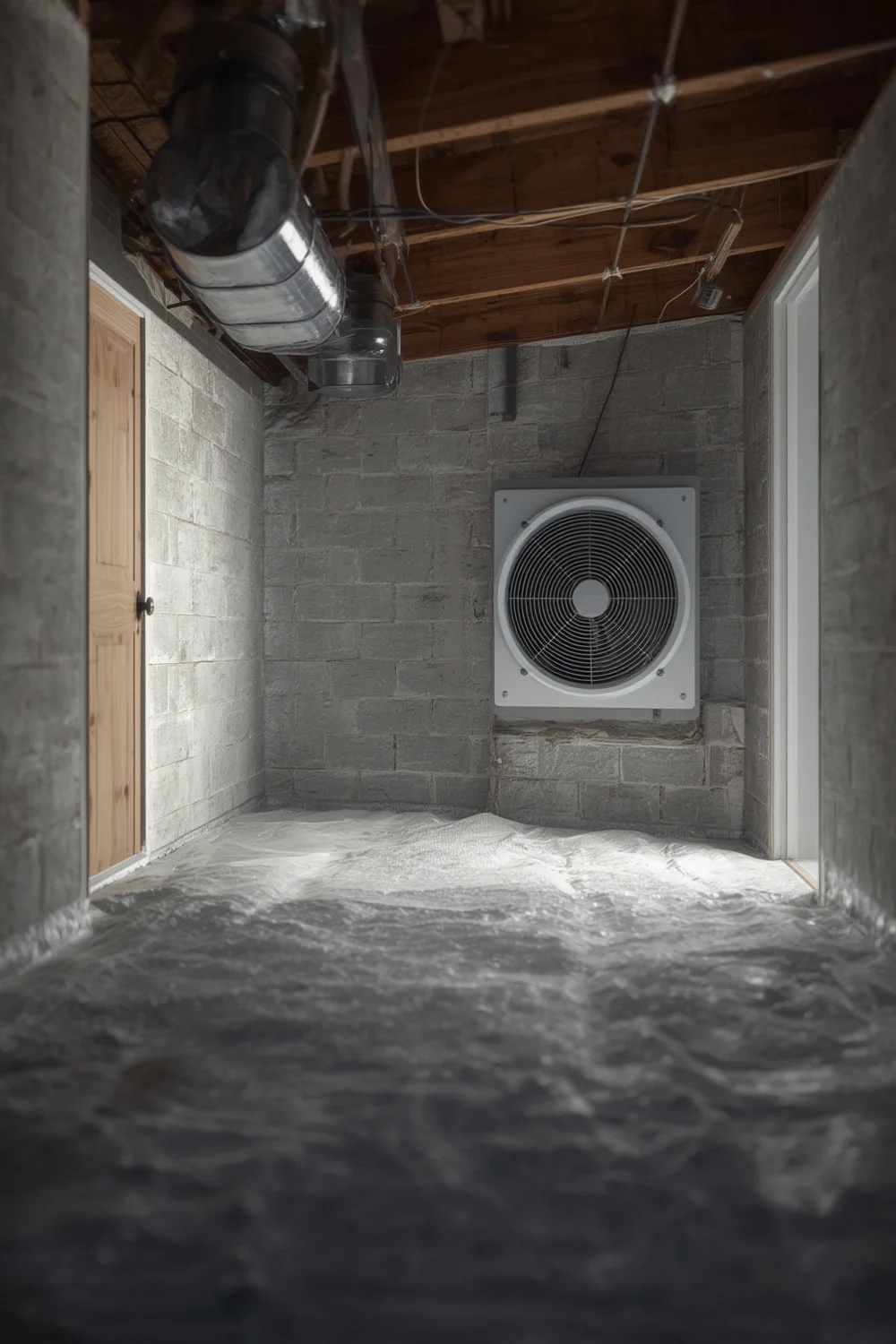
crawl space ventilation fan systems are transforming how homeowners manage moisture and indoor air quality in their homes—especially where traditional venting is no longer enough. Whether you want to prevent mold, reduce humidity, or make your home more energy efficient, understanding how these fans work (and their real-world tradeoffs) is the key to lasting results.
Key Takeaways
- Crawl space ventilation effectiveness depends on climate, system design, and maintenance—no solution is truly universal.
- Sealed crawl spaces with continuous mechanical ventilation can lower energy bills and reduce moisture risks, but reliability is critical.
- Major knowledge gaps remain around long-term satisfaction, regional cost/ROI, and integration with modern smart home controls.
- The Core Concept: What Is a Crawl Space Ventilation Fan and Why Does It Matter?
- Step-by-Step Guide: Installing and Optimizing a Crawl Space Ventilation Fan
- Advanced Analysis & Common Pitfalls
- Conclusion
- FAQ
The Core Concept: What Is a Crawl Space Ventilation Fan and Why Does It Matter?
A crawl space ventilation fan is a mechanical exhaust fan designed specifically to move stale, humid, or contaminated air out of your crawl space. This helps manage moisture, reduce the risk of mold or wood rot, and can even protect indoor air quality and energy efficiency—especially in sealed (encapsulated) crawl spaces.
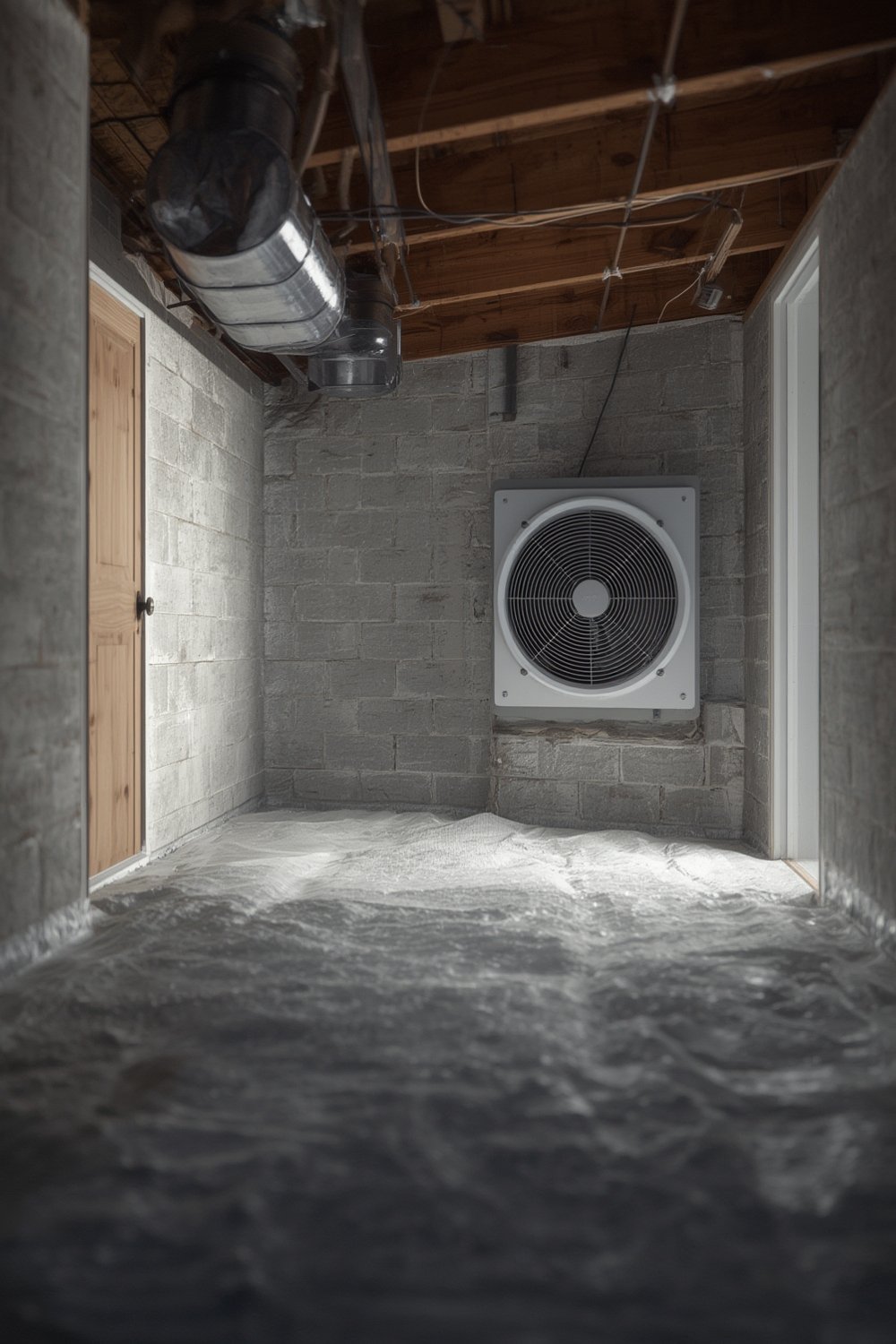
Why does it matter? Crawl spaces are notorious for trapping moisture, leading to insulation failure, musty odors, higher energy bills, and serious health risks from mold or radon. Simply relying on old-fashioned vents doesn’t always work—especially in humid, mixed or warm climates, where outside air can make the problem worse. That’s why mechanical fans—installed as part of an encapsulation system—are becoming a new minimum standard for safe, healthy homes.
But success depends on understanding your regional climate, choosing the right size and type of fan, maintaining negative air pressure, and keeping everything running 24/7. If you cut corners or use the wrong system, the problems may get even worse.
Step-by-Step Guide: Installing and Optimizing a Crawl Space Ventilation Fan
- Assess Your Crawl Space and Local Conditions
- Is your crawl space vented, sealed, or previously encapsulated?
- What’s the norm in your climate? Cold-dry, humid, mixed, or tropical?
- Measure total square footage and check for existing mold or water problems.
- Calculate the Required Ventilation Rate
- Follow the ASHRAE 62.2 minimum: 1 CFM for every 50 square feet of crawl space. For example, a 1,500 sq ft crawl needs at least a 30 CFM fan (source).
- Choose a Continuous, Efficient Fan
- Select an electronically commutated motor (ECM) exhaust fan for quiet, energy-saving performance (source).
- Pick a model rated for continuous operation, with UL listing for residential use.
- Seal and Insulate the Crawl Space
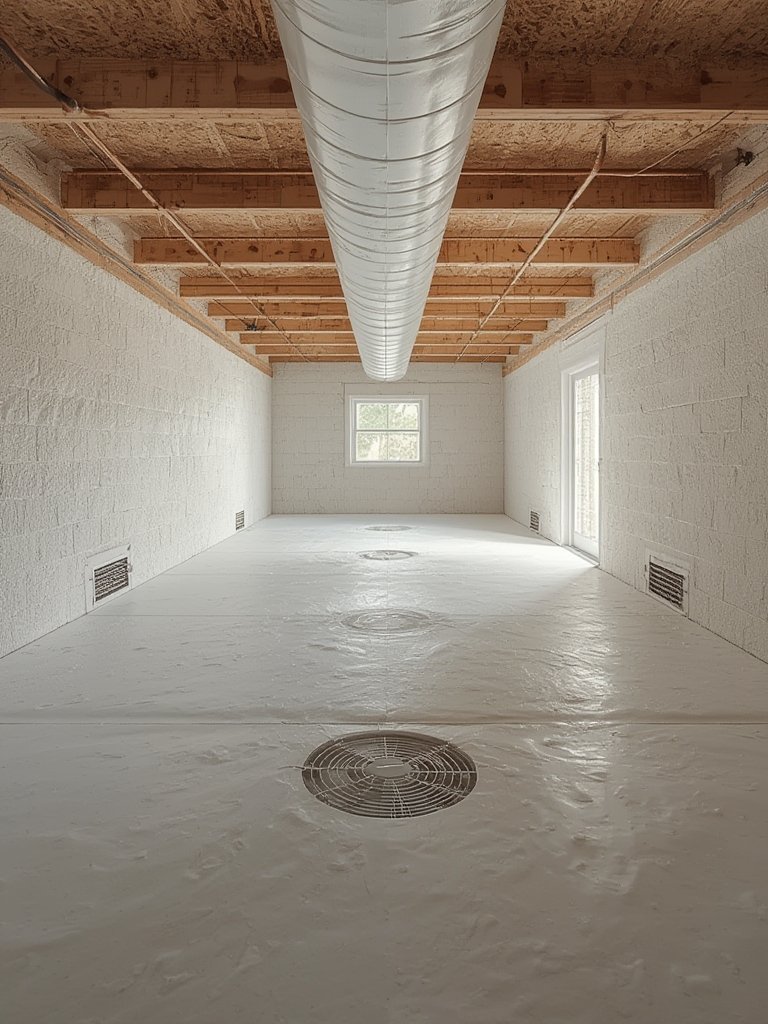
- Install a 10+ mil vapor barrier over the ground and up the walls, sealing all seams (source).
- Add closed-cell spray foam around rim joists and short walls for air-tightness.
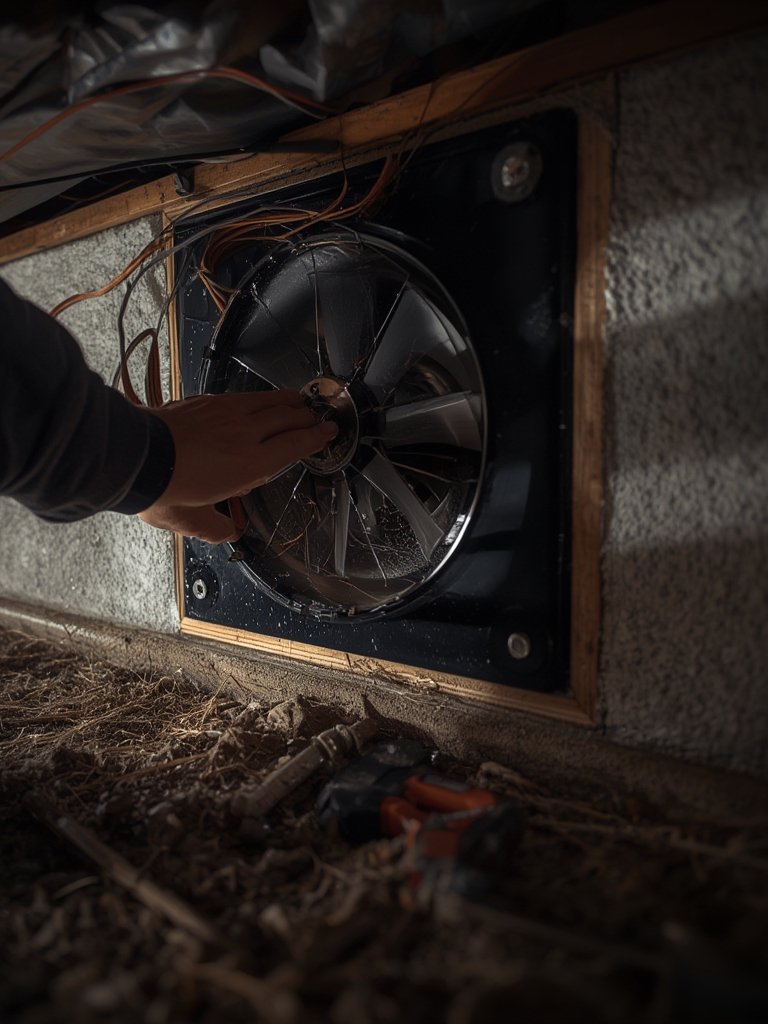
- Install Your Crawl Space Ventilation Fan
- Follow manufacturer instructions for wall or vent mounting. Exhaust to the exterior whenever possible.
- Set up a sealed duct or transfer grille from the living area to ensure air replacement.
- Confirm continuous power. Battery backup is ideal in critical zones.
- Commission and Test Your System
- Measure airflow to confirm required CFM (using an anemometer if possible).
- Monitor humidity levels for 1-2 weeks. Target: 45%–55% relative humidity.
- Test radon levels and air quality in living areas.
- Monitor, Maintain, and Troubleshoot
- Check that the fan runs 24/7. Clean intakes and replace filters (if equipped) as needed.
- Maintain a log of humidity and air quality. Address any spikes or equipment failures quickly.
Still not sure if you need active crawl space ventilation? Take a look at common symptoms in your home: high first-floor humidity, warping hardwood, unexplained allergy flare-ups, or even higher-than-expected energy bills. With the right setup, a crawl space ventilation fan can help solve these pain points—see our best home water filters guide for related indoor air and water quality solutions.
Get the most out of your system by reviewing other home improvement product picks and non toxic kitchen upgrades that support a healthier indoor environment.
Advanced Analysis & Common Pitfalls
Most problems with crawl space ventilation fans come from skipped steps, poor installation, or lack of ongoing maintenance. Here’s what research and field data reveal—and what you can do to avoid these costly mistakes:
| Common Pitfall | What Happens? | How to Prevent |
|---|---|---|
| Fan failure (motor, controller, power loss) | Humidity spikes, mold, air quality worsens, radon may rise | Choose reliable, ECM-rated fans, schedule maintenance, add alerts or sensor-triggered notifications |
| Improperly sized or installed fan | Poor moisture control, wasted energy | Match CFM to crawl space area, check manufacturer specs, verify after install |
| Pressurization errors (bath/kitchen fans) | Crawl space or house pressurized in wrong direction, undermining decoupling benefits | Ensure all exhausts are sized/calibrated separately, never assume synergy |
| No vapor barrier or thin/failed barrier | Ground moisture seeps in, overwhelming venting system | Use 10+ mil poly sheeting, wrap and seal per EPA guidance |
| Poor monitoring after installation | No warning if humidity or fan status changes | Install cheap humidity sensors with remote read-out |
| Incompatible with smart HVAC/whole-home systems | Missed efficiency and air quality opportunities | Check HVAC integration potential; consider smart thermostat pairing |
Other less-discussed issues include higher upfront costs for full crawl space encapsulation, lack of clear ROI data, and the total lack of homeowner satisfaction statistics in most guides or manufacturer literature. There’s also a vital gap around reliability—no solid data is available on which fan brands/models last the longest, or how often fans fail in real-world conditions.
Research shows in some cold or marine climates (like the Pacific Northwest), a conditioned crawl space may even increase winter heating costs due to coupling to the cold earth (source), even as indoor air quality improves.
Debunking Myths and Misconceptions
- Myth: More ventilation always means better air quality.
Reality: Overventilation or running multiple fans indiscriminately can disrupt pressure zones and actually make problems worse (source). - Myth: Vented crawls work everywhere.
Reality: Vented crawl spaces are only safe in very cold-dry climates. In other areas, they can actually increase condensation risk and mold. - Myth: Passive ventilation is enough for modern homes.
Reality: If your exhaust fan fails, passive backup is not automatic in a sealed system—risking a rapid decline in indoor air quality. - Myth: Sealed systems are always more expensive.
Reality: While upfront costs for encapsulation and power venting can be higher, energy savings (15%–18%) often repay the investment within the equipment lifetime.
When making upgrades, consider holistic home solutions such as energy-efficient heating, portable heater upgrades, or learning about organic modern kitchen design for healthier, more efficient homes overall.
Conclusion
Crawl space ventilation fans, when sized and installed correctly, are one of the best lines of defense against hidden moisture and air quality problems. Yet the system is only as reliable as its weakest link—choose the right equipment, maintain it, and take a reality-based approach to your specific climate and home configuration. Remember: there is still no definitive long-term, real-world proof on overall homeowner satisfaction, but ventilation best practices can have a major impact.
For a healthier, drier home, take your crawl space seriously. Ready to upgrade? Learn more about related home wellness solutions and make sure to compare your crawl space ventilation fan options before making a final choice.
FAQ
How do I determine the correct size for my crawl space ventilation fan?
The standard is 1 CFM (cubic foot per minute) of airflow for every 50 square feet of crawl space. Measure your space, divide by 50, and match or slightly exceed that number with a continuous-operation fan.
Is a crawl space ventilation fan always better than passive venting?
No. Mechanical ventilation offers far better control—but only in sealed/encapsulated crawl spaces and when the system runs continuously. In cold-dry climates, passive venting may be enough, but usually underperforms in humid areas.
How much does it cost to install a crawl space ventilation fan in 2024?
There is no specific 2024 data, but most fans themselves cost $75–$400, with full encapsulation and installation ranging from $2,000–$10,000+ regionally. Always factor in ongoing power and maintenance expenses.
What happens if my crawl space fan stops working?
In a sealed crawl space, failure of the fan can rapidly boost relative humidity, increase mold risk and potentially worsen indoor air quality. Consider alarm systems or humidity sensor automation as safeguards.
Should I add a humidity sensor or automated controller?
Yes, if possible. While not always required, sensors and automated controls can avoid wasted power and alert you if humidity or airflow drop below set points—adding a valuable layer of fail-safe protection.
—