

commercial dehumidifier rental is a crucial solution for businesses facing water damage, high humidity, or the need for large-scale moisture control. If you’re managing a restoration project or keeping your warehouse dry, understanding how to select, rent, and optimize a commercial dehumidifier can save you time, money, and hassle. Let’s break down what smart companies do differently—and what you need to know right now.
Key Takeaways
- Market demand for commercial dehumidifier rental is rising fast, fueled by restoration emergencies and industrial moisture control.
- Choosing the right unit means balancing energy efficiency, coverage area, and rapid deployment—cost transparency is rare.
- Pitfalls include unclear specs, variable pricing, and limited real-world feedback—smart selection requires a structured approach.
- What Is Commercial Dehumidifier Rental and Why Does It Matter?
- How to Rent a Commercial Dehumidifier: Step-by-Step Guide
- Advanced Analysis & Common Pitfalls
- Conclusion: Making Your Rental Count
- FAQ: Commercial Dehumidifier Rental
What Is Commercial Dehumidifier Rental and Why Does It Matter?
Commercial dehumidifier rental means getting access to industrial-grade humidity control equipment without a major capital investment. It’s often the smartest choice for water damage restoration, construction drying, flood response, mold risk management, or even climate-controlled warehousing. The market is booming—in 2023, global rental revenue topped $2.5 billion and is set to double in the next decade, with North America leading due to increased flooding, stricter regulations, and the need for air quality control.
(source)
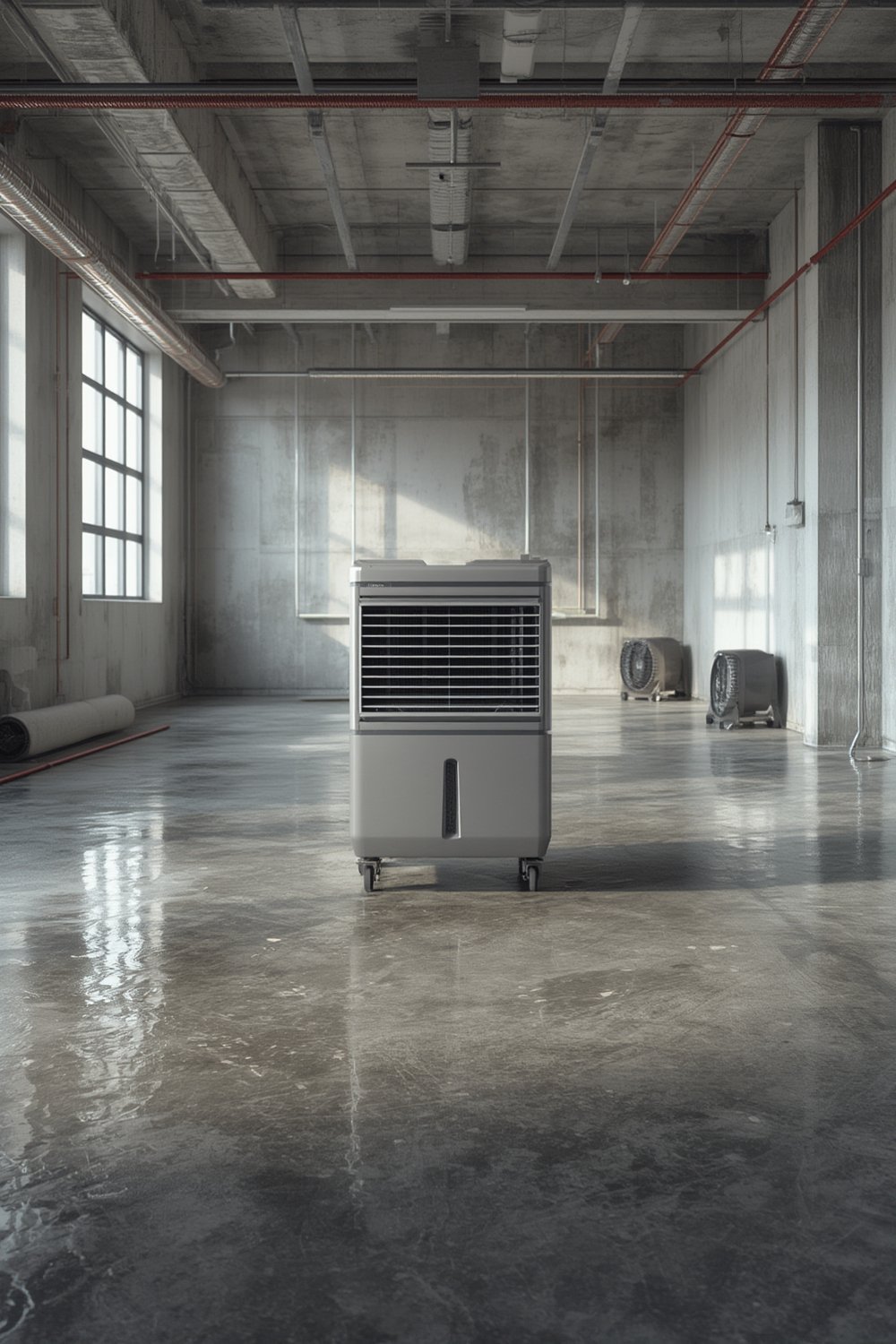
Instead of spending five to six figures outright for high-capacity machinery, companies turn to rentals for flexibility, rapid deployment, and scaling up during emergencies or seasonal spikes. Energy efficiency is an important trend, with customers seeking models that save on power to lower operating costs. (source)
But there’s a catch: despite the market’s growth, finding equipment with transparent specs, clear all-in pricing, and responsive support remains a challenge.
How to Rent a Commercial Dehumidifier: Step-by-Step Guide
-
Define your project and requirements.
- Is this for restoration, construction, manufacturing, or seasonal climate control?
- Estimate the affected square footage and the moisture removal rate required.
-
Research local rental providers with industrial inventory.
- Look for companies listing commercial or industrial dehumidifiers—not just residential units or basic air movers.
- Review their support hours, emergency response capability, and logistics for quick delivery.
-
Ask about equipment specs and see the unit in person if possible.
- Request details on extraction rate (pints or liters per day), coverage area, voltage requirement, and portability.
- Prioritize energy-efficient (often desiccant or smart IoT) units.
-
Request a detailed quote with all-in costs.
- Make sure to ask about daily/weekly/monthly rates, delivery and pickup fees, installation, minimum rental periods, deposits, and potential maintenance or cleaning surcharges.
-
Confirm rental terms and scheduling.
- Clarify minimum and maximum rental periods, cancellation policy, and emergency support.
-
Inspect upon delivery, run a test, and keep documentation.
- Check that the dehumidifier matches the agreed specs and is damage-free. Record serial numbers and take photos ahead of use.
-
Monitor humidity and energy usage during the project.
- Track performance and reach out to the provider early if issues arise to avoid extra charges or downtime.
-
Schedule timely pick-up or extension.
- Avoid late fees by scheduling ahead—projects often run longer than originally scoped.

Need extra advice on choosing specialized appliances for your workspace? You might also find our Tosot dehumidifier guide useful if you’re considering permanent setups.
Looking for practical tips on organizing site equipment alongside your rental? Browse our garage cabinet guide for smarter storage strategies.
Advanced Analysis & Common Pitfalls
Most rental experiences are smooth if you plan ahead—but it pays to know where things go wrong, especially because real-world customer complaints are rarely visible online. Here’s a realistic breakdown of potential issues:
- Unclear Technical Specs: Most listings don’t state extraction rate, area coverage, or voltage—leading to mismatched equipment for your job.
- No Transparent Pricing: All-in costs (fees, deposits, delivery, installation) are rarely posted. Extra charges for late returns or maintenance can add up.
- High Cost for Industrial Models: Industrial-grade units are expensive, even for short rentals. Budget accordingly and compare rental vs. purchase if you have frequent needs.
- Availability Issues: Floods, storms, or peak humidity season can cause shortages—secure reservations early and confirm availability in writing.
- Limited Real User Reviews: With very few published complaints, it’s tough to assess vendor reliability. Rely on referrals or ask for references if available.
| Potential Pitfall | How to Avoid It |
|---|---|
| Non-specific equipment details | Ask for a full specification sheet before booking. |
| Unexpected fees | Insist on a written, line-item quote; clarify deposit/refund policies. |
| Late deliveries, scheduling gaps | Book early, confirm all dates, and request emergency contact info. |
| Inefficient or oversized units | Match size and power to your actual requirements—don’t “go big” by default. |
| No after-hours support | Choose vendors with 24/7 emergency response if downtime is costly. |
If you’re concerned about optimal air quality across your property or need year-round solutions, don’t miss our curated home water filter guide and tips on air purifier selection.
For more context on pricing and the wider HVAC equipment market, recent analytical breakdowns like those from FactMR add helpful perspective.
Conclusion: Making Your Rental Count
Success with commercial dehumidifier rental comes down to three things: matching the machine to your real-world need, getting transparent pricing, and securing reliable support. The market is expanding, but gaps in published specs, pricing, and customer feedback mean you need to vet vendors carefully. Always prioritize all-in quotes, energy-efficient equipment, and a clear agreement on timing and support. Ready to get started? Reach out to reputable providers and review the above checklist—your facility’s uptime and budget could depend on it.
For lasting success, always revisit this commercial dehumidifier rental guide before each project or season. And for everything from cleanup gear to storage, check out our top product picks for business and home improvement.
FAQ: Commercial Dehumidifier Rental
How do I know what size commercial dehumidifier I need to rent?
Calculate the square footage of your space and determine humidity levels. Ask rental providers for units with a published extraction rate (pints or liters per 24 hours) that matches your needs. Undersized units will take too long—oversized units can waste energy.
Are all-in rental costs (delivery, setup, maintenance) disclosed upfront?
Rarely. Most providers quote base rates, with add-ons for delivery, pickup, deposits, excess cleaning, or late returns. Always insist on a fully itemized quote before signing.
Can I extend my rental period if my project takes longer?
Usually yes, but you may face higher daily rates or additional fees. Notify the company as early as possible if you expect overruns, especially during busy seasons.
What’s the difference between commercial and industrial dehumidifier rentals?
Industrial models are typically larger, with much higher moisture removal rates and sometimes stronger fans or mobility features. Commercial units cover medium-to-large business or office spaces, while industrial units are for warehouses, factories, and flood recovery.
Do any providers offer smart or IoT-enabled dehumidifier rentals?
Yes—advanced providers may offer IoT-enabled units for real-time monitoring and remote management. Ask specifically if they have smart models available for rental.

I absolutely love your blog and find most of your post’s to be exactly what I’m looking for.
Does one offer guest writers to write content to suit your needs?
I wouldn’t mind composing a post or elaborating on some
of the subjects you write in relation to here. Again, awesome web
site!
Thank you so much for your lovely comment — we really appreciate it. It’s always great to hear that someone is enjoying the blog and finding the posts helpful.
Yes, we’d be happy to look at your ideas for a guest post. If there’s a topic you’d like to write about, just send it over and we can see whether it would be a good fit for the site.
Thanks again for your support and for taking the time to leave such a kind message.