

Ceiling tile cutter tools have become essential for anyone working on ceiling renovations, yet most buyers are left guessing about their options, pitfalls, and true value. Whether you’re an ambitious DIYer tackling a basement ceiling or a contractor fitting out commercial spaces, choosing the right cutter impacts both the quality of your finish and the safety of your install. This no-nonsense guide reveals what separates average tile cutters from the best, guides you through selection and use, and surfaces real-world issues most articles overlook.
Key Takeaways
- Dedicated ceiling tile cutters deliver cleaner, straighter cuts but require more initial investment and practice to use efficiently.
- User pain points include tool costs, learning curve, and material compatibility – understanding the right specs prevents wasted tiles and frustration.
- Few resources frankly discuss safety risks, maintenance costs, or the performance gap between manual, electric, and specialty models.
- What Is a Ceiling Tile Cutter and Why Does It Matter?
- How to Use a Ceiling Tile Cutter: Step-by-Step
- Advanced Analysis & Common Pitfalls
- Conclusion
- FAQ
What Is a Ceiling Tile Cutter and Why Does It Matter?
A ceiling tile cutter is a purpose-built tool that enables precise, straight cuts in fragile ceiling tiles—particularly those used in drop ceilings or acoustic panels. These tools typically offer more control, safety, and repeatability compared to general-purpose knives or saws, especially on brittle mineral fiber or fiberglass-backed tiles.
Why does this matter? Because a poor cut means jagged edges, visible gaps, or costly tile waste. As ceiling tiles are often visible and integral to soundproofing, fire resistance, or aesthetics, a professional look depends on accurate, chip-free cutting. With the rise of DIY home improvements and more challenging materials like porcelain-faced or high-density acoustic tiles, tool choice has never been more crucial.
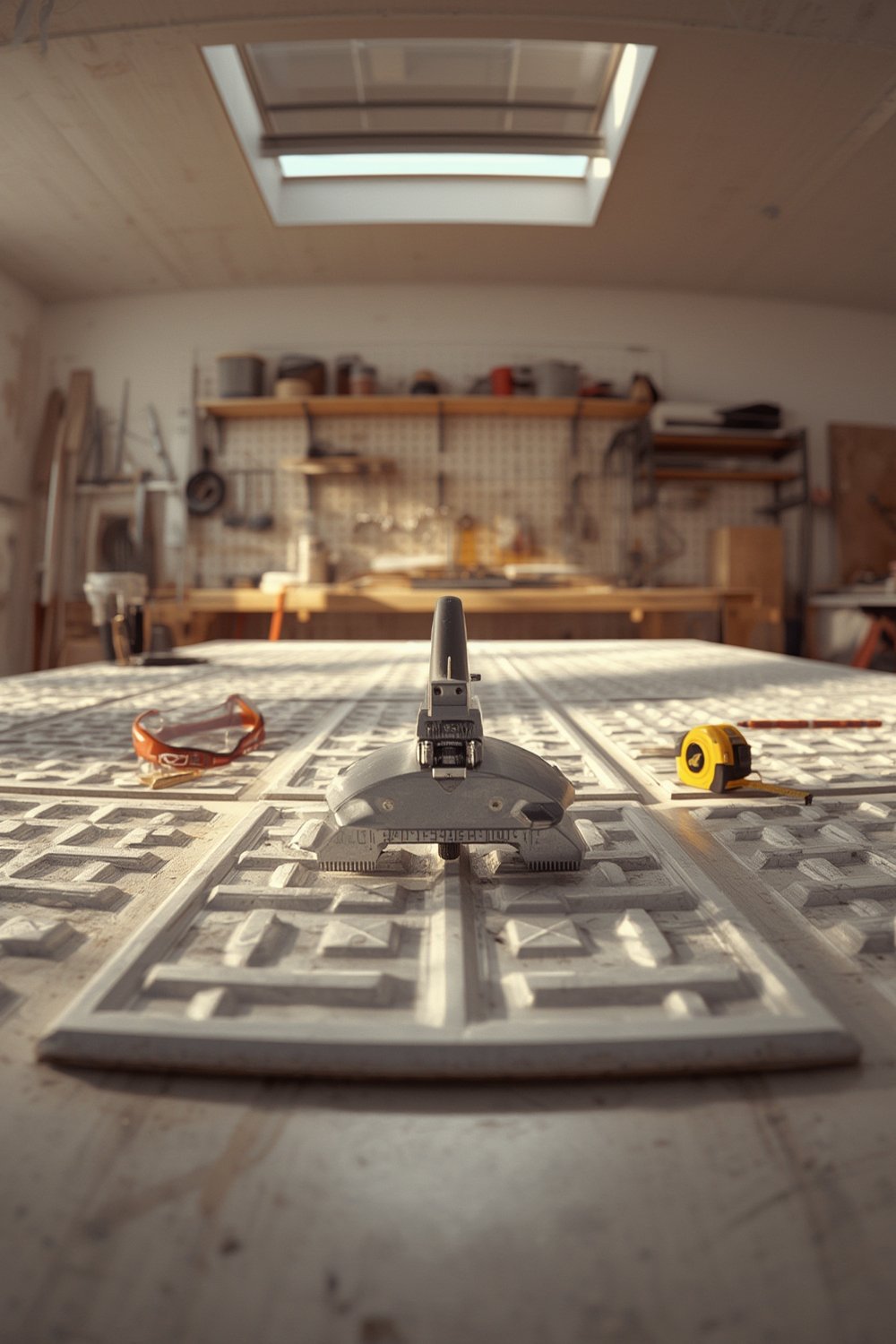
While data on ceiling tile cutters is scarce, the global tile cutting tools market hit $125.9 million in 2024, with North America holding a 40% share. The market continues to grow as both homeowners and contractors invest in stand-alone, durable devices (source).
For broader tips on upgrading your workspace, check out garage cabinets for better tool storage, or see how permanent outdoor lights simplify annual home projects.
How to Use a Ceiling Tile Cutter: Step-by-Step
Whether manual or electric, the right ceiling tile cutter streamlines installation and reduces costly mistakes. Here’s how to get clean, accurate cuts:
- Choose the correct ceiling tile cutter for your tile type—Manual ceiling tile cutters for soft mineral tiles, electric or specialty models for denser or laminated tiles.
- Measure and mark the tile with a fine-tip pencil or a scoring tool, using a spirit level for dead-straight lines.
- Align the tile in the cutter, securing it firmly to prevent shifting.
- Score or cut the tile, using even pressure. Repeat the cut if needed for thicker materials. If using a manual cutter, apply a smooth, continuous motion.
- Clean up edges with a fine sanding block or utility knife for a crisp finish.
- Check fit in the ceiling grid and trim if required. Avoid forcing tiles—they crack easily.
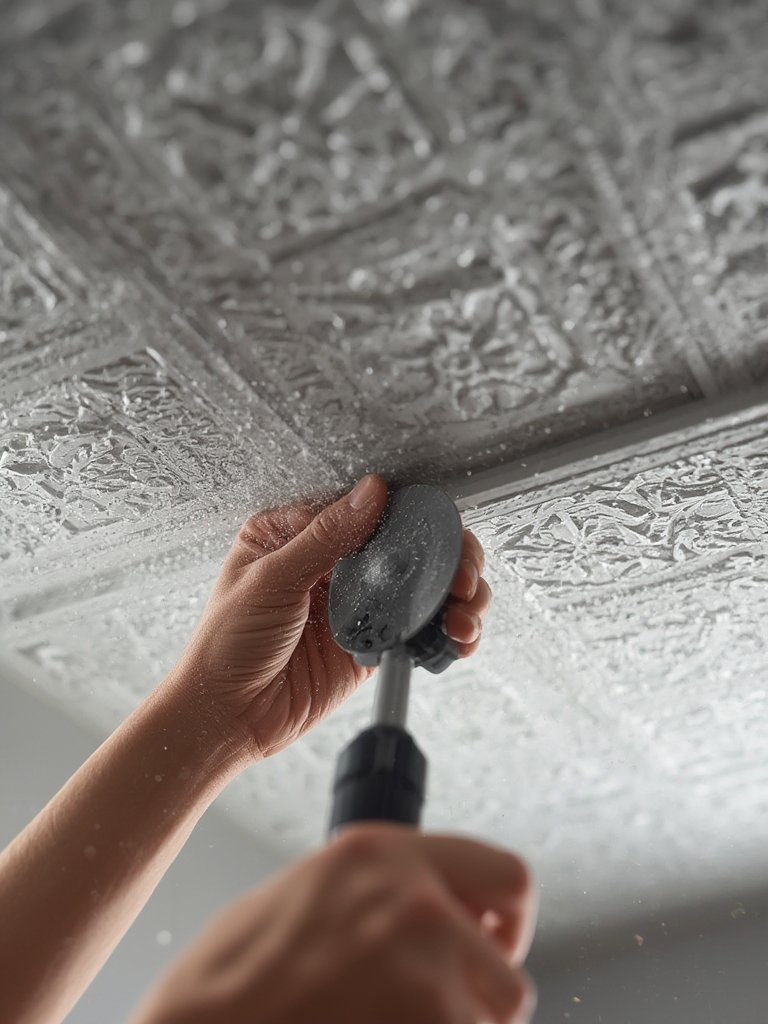
For a truly dust-free job, look for cutters with built-in dust reduction or connect a shop vacuum if using a powered model. If you need to keep your home clean during renovations, pairing a tile project with a self-emptying robot vacuum for pet hair can save hours of cleanup.
Whenever you’re investing in new tools, consider comprehensive product buying guides to compare features, durability, and value.
Advanced Analysis & Common Pitfalls
Despite their appearance, ceiling tile cutters come with more nuance (and more potential for headaches) than most realize. Here’s where users often trip up:
- Assuming “one size fits all.” Some models excel with mineral fiber, but blunt fast on denser acoustic or laminated tiles.
- Underestimating safety hazards. Blades are sharp—cuts and hand injuries are common, especially when improvising with box cutters instead of the right tool.
- Not budgeting for true costs. Specialty or electric cutters command higher prices, with ongoing blade or maintenance costs that add up—something many gloss over.
- Ignoring maintenance. A dull blade chews edges. Regular blade changes and cleaning extend life, but few manuals make this clear.
- Using the wrong tool for the job. General-purpose knives are slow and prone to slipping. Stand-alone cutters offer precision but can be heavy or awkward in cramped ceiling setups.
| Model Type | Best For | Upfront Cost | Maintenance Needs | Material Compatibility | Common Pitfalls |
|---|---|---|---|---|---|
| Manual Ceiling Tile Cutter | DIY, basic mineral tiles | Low–Moderate | Blade replacement | Mineral fiber, soft acoustic | Rough cuts on denser tiles; blade dulling |
| Electric/Circular Tile Cutter | Pro use, frequent cutting | Moderate–High | Motor & blade care | All materials (incl. laminate & PVC) | Overkill for small jobs; safety hazards |
| General Utility Knife | Occasional use, budget jobs | Low | Frequent blade changes | Only thin/mineral tiles | Jagged lines, hand fatigue, accidents |
| Specialty/Precision Cutter | Custom shapes, intricate work | High | Special blades, alignment | All ceiling tile types | Expensive, learning curve |
For deeper market context, both stand-alone equipment and broader tile cutter sales have increased as demand for quality, durable ceiling finishes grows.
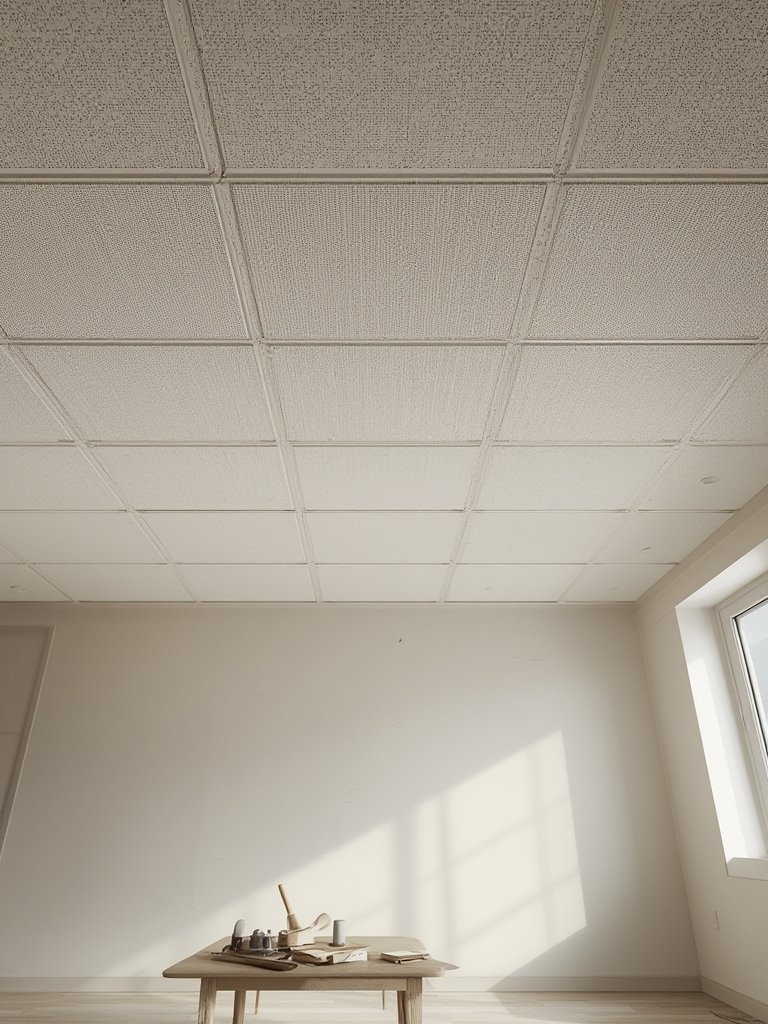
If you’re upgrading other home fixtures, don’t overlook maintaining safe electrical switches or boosting comfort with small space heaters in renovation zones.
Conclusion
Ceiling tile cutter tools make or break the quality of your ceiling installation, but their real-world effectiveness depends on both the right product and correct use. Instead of defaulting to general-purpose cutters or ignoring ongoing costs, take the time to match your tool to your material, project scale, and safety needs. For any home improvement enthusiast or professional, an informed approach saves time, money, and frustration.
Ready to bring your project up a notch? Take what you learned here and use it to choose, maintain, and get the most from your next ceiling tile cutter. For more in-depth equipment tips, browse our latest product picks and recommendations.
FAQ
What is the best type of ceiling tile cutter for DIY projects?
Manual ceiling tile cutters are ideal for most DIY jobs involving mineral fiber or soft acoustic tiles. They’re safer and more affordable than electric models, but make sure the blade is sharp and always test on scrap material first.
Can I use a regular utility knife for ceiling tiles?
You can, but utility knives often create jagged edges and increase hand fatigue—especially on thicker or laminated tiles. For best results, use a dedicated tile cutter for clean, straight lines.
How do I prevent tiles from chipping during cutting?
Use even pressure and always score or cut with a sharp blade. Consider taping both sides of the tile along the cut line to minimize surface flaking on brittle finishes.
Are electric ceiling tile cutters worth the investment?
They’re a good fit for large-scale or frequent projects, especially if you’re working with dense or laminated tiles. For occasional jobs, manual cutters usually suffice and cost much less.
How often do ceiling tile cutter blades need replacement?
Blade life depends on usage and tile material. Expect to replace blades every few projects, or sooner if you notice increased resistance, rough edges, or visible dullness.