

Can hepa filters be washed, or will that destroy their ability to keep your air safe? If you’re unsure whether to wash, vacuum, or replace your filter, this guide unpacks hard facts, hidden pitfalls, and actionable best practices—so you don’t risk your health or waste money.
Key Takeaways
- Most true HEPA filters should never be washed. Washing risks irreversible loss of filtration efficiency.
- Some “HEPA-type” or reusable filters can be washed but do not provide true HEPA-level protection.
- Always read manufacturer guidance. Cleaning a non-washable filter often voids warranties and can lower air quality.
- The Core Concept: Washing HEPA Filters—What Actually Works?
- Step-by-Step Guide: Cleaning vs. Replacing Your HEPA Filter
- Advanced Analysis & Common Pitfalls
- Conclusion
- FAQ
The Core Concept: Washing HEPA Filters—What Actually Works?
Let’s cut through the marketing noise. True HEPA filters are regulated to capture at least 99.97% of airborne particles as small as 0.3 microns. This performance relies on a dense web of fibers—usually arranged in delicate pleats. Washing these filters, even gently, can dramatically reduce their ability to trap fine particles (like allergens, smoke, and viruses). Certified HEPA filters—especially those graded H13 or H14—are not designed to be washed and should be replaced according to manufacturer schedules.
In contrast, many filter products marketed as “washable,” “HEPA-type,” or “reusable” are typically Washable HEPA-type electrostatic or synthetic-fiber filters with much lower (MERV 8-9) particle capture rates. Washing is possible for these—but always check product labeling. “HEPA-type” is not regulated and rarely matches true HEPA efficacy. For home air purifiers or HVAC, using the wrong cleaning method can harm your health rather than help it.
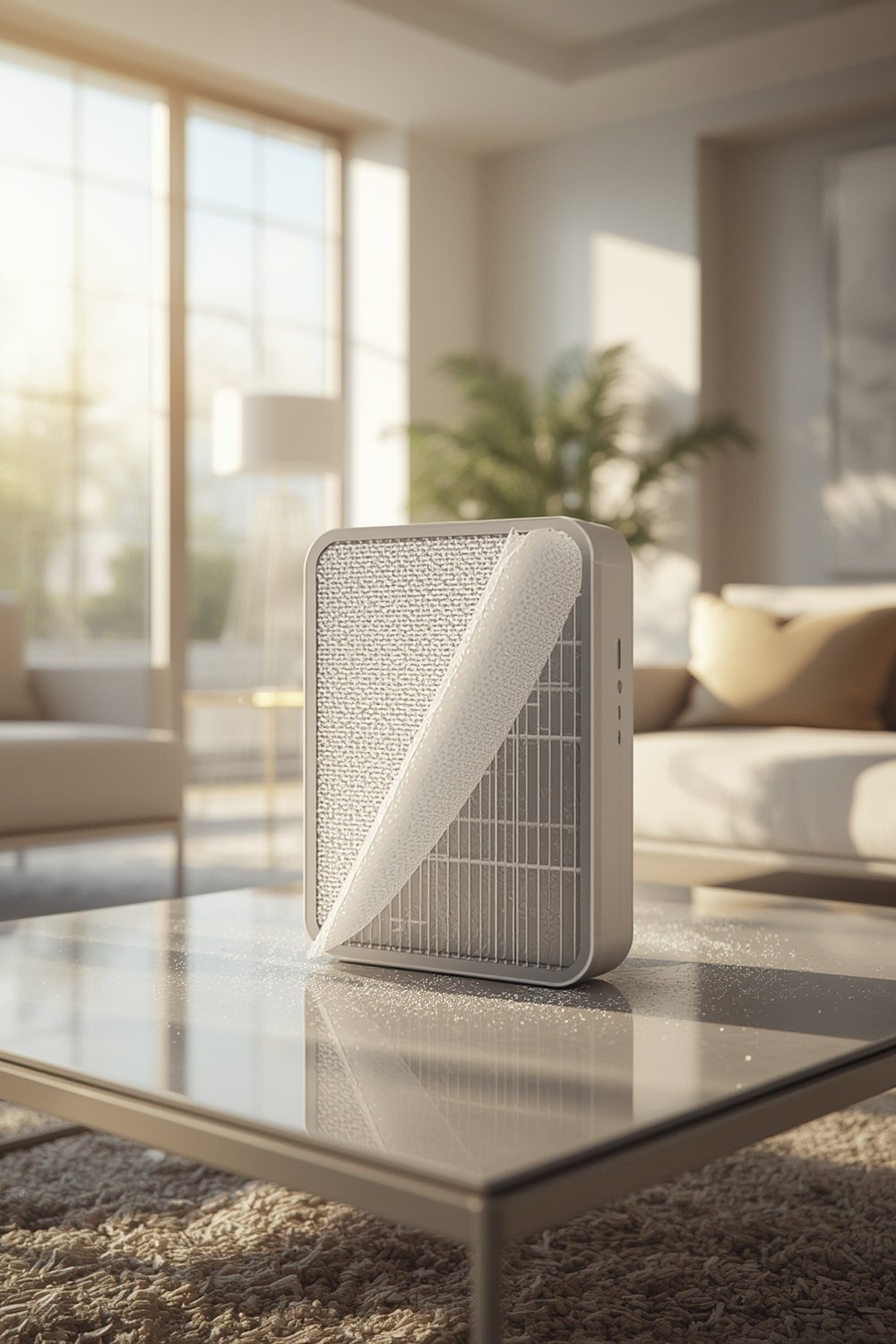
For a helpful comparison of true and washable filters, or tips if you have pets, check out our robot vacuum for pet hair guide.
Step-by-Step Guide: Cleaning vs. Replacing Your HEPA Filter
-
Identify your filter type.
Remove the filter and inspect the label for “True HEPA,” “HEPA-type,” “MERV,” or “Electrostatic.” Search your manual or model online. If the filter is pleated and claims 99.97%/0.3 microns, it is likely not washable. If labeled “washable,” proceed with cleaning only if it meets the manufacturer’s protocol.
-
For True HEPA Filters: Do Not Wash
- Replace according to the manual—usually every 6-12 months for air purifiers.
- Gently vacuum the outside (not pleats) if the manufacturer recommends.
-
For Washable HEPA-type/Electrostatic Filters (MERV 8-9):
- Turn off the unit and remove the filter.
- Vacuum both sides every 30-45 days to remove dust (use a soft brush). [Source]
- Wash with lukewarm water from the clean side out, avoiding high pressure. Use a mild degreaser if exposed to smoke or kitchen air.
- Rinse thoroughly to remove all soap/cleaner residues.
- Let air dry fully; do not use heat or dishwashers, which can damage filter media.
- Reinstall only when 100% dry to prevent mold growth.
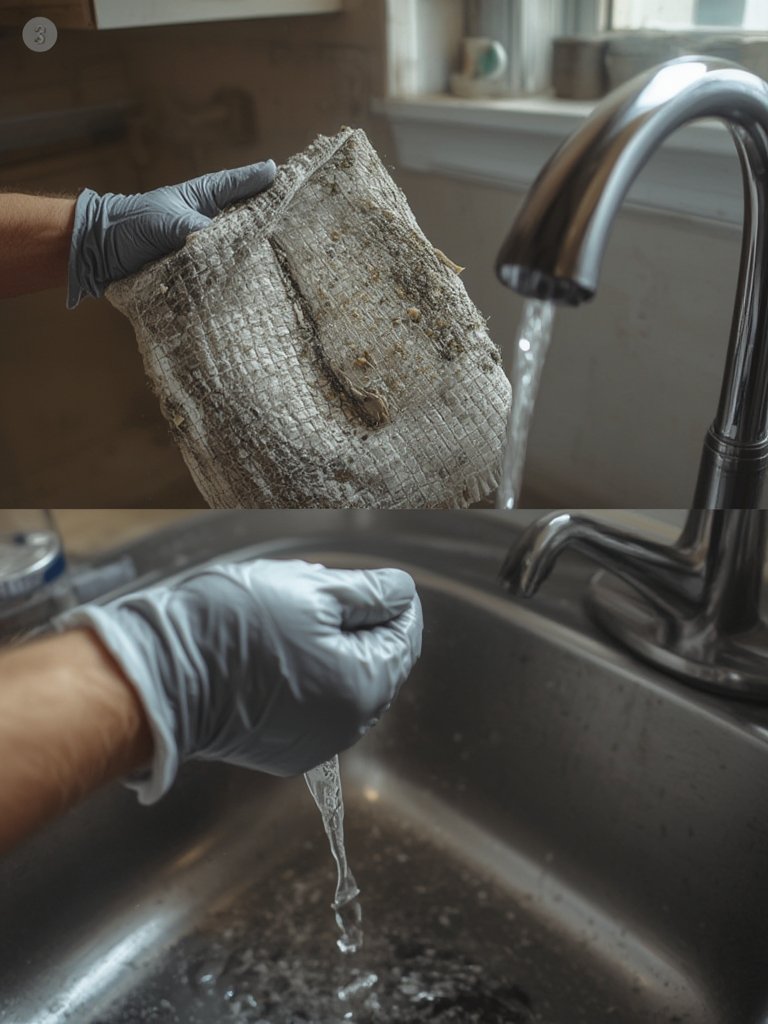
For those upgrading other home gear, our top product picks and recommendations section includes cleaning and maintenance tools for every budget.
Advanced Analysis & Common Pitfalls
If you’re considering washing a filter “just to save money,” be aware of the tradeoffs and poorly advertised risks—especially for true HEPA and medical-grade options. Here’s a side-by-side comparison, based directly on expert research and manufacturer warnings.
| Filter Type | Can It Be Washed? | Post-Wash Efficacy | Typical Lifespan | Manufacturer Warranty? |
|---|---|---|---|---|
| True HEPA (H13/H14) | No | Severely reduced, not certified | 6–12 months (replace, not wash) | Voided if washed |
| HEPA-type / Washable Electrostatic (MERV 8-9) | Yes (if labeled) | 75-94% capture of 1–10 micron; loses electrostatic charge over time/some efficiency drop per wash | 1–3+ years (with cleaning) | Typically no performance warranty |
-
Common Pitfall #1: Believing All “HEPA” or “HEPA-type” Are Equal.
- “True HEPA” must meet strict standards (like H13/H14 or DOE regulation), while “HEPA-type” and “HEPA-like” labels are often unregulated marketing that do not guarantee 99.97% efficiency.
-
Common Pitfall #2: Voiding Warranties or Ruining Filters.
- Many HEPA purifiers explicitly state that washing the filter will void the performance warranty, especially for medical, lab, and premium home units.
-
Common Pitfall #3: Hidden Health Risks After a Failed Wash.
- Water can damage fiber structure, causing the filter to release trapped contaminants. If mold grows during drying, it will introduce pollutants every time you run the fan.
-
Common Pitfall #4: Overusing Washable Filters in High-Pollution Areas.
- Reusable filters lose their static charge and efficiency each time they’re cleaned, especially after capturing lots of dust or greasy smoke. If you live with pets, smokers, or near wildfires, replace more often than the label implies.
For an even safer home environment, consider supplementing air cleaning with other solutions—like a permanent LED lighting system to help spot and prevent dust buildup, or a cleaning routine for fans that improves airflow in every room.
You can also see more on best practices for washable filter care.
Conclusion
Most people ask “can hepa filters be washed” as a way to cut recurring costs, but science and industry standards show that true HEPA filters should never be washed if you care about clean air. If you have a labeled, washable “HEPA-type” filter, proper maintenance gives 1–3 years of use for larger particles—but not full HEPA protection. Always follow the manufacturer’s protocol, never guess, and when in doubt, replace your HEPA filter. Ready to level up your home air quality game? Explore expert-approved home water and air filter picks for every budget.
FAQ
Are there any HEPA filters that are truly washable?
Nearly all certified “true HEPA” filters (H13, H14) are disposable. Some “washable HEPA-type” filters exist, but these only capture larger particles and do not meet the 99.97% efficiency required for true HEPA certification. [See this explanation].
What happens if I accidentally wash a true HEPA filter?
Washing a true HEPA filter will almost certainly damage the fibers and structure. This destroys ultrafine particle capture—the reason you bought it. In most cases, it also voids any performance warranty. Replace after water damage.
How do I know if I have a washable vs. a disposable HEPA filter?
Check for explicit wording on the filter or in your product manual. “Washable,” “reusable,” or “electrostatic” usually indicate it’s safe to wash. If you see “HEPA,” “H13,” “H14,” or “medical-grade HEPA,” these are almost always disposable. When uncertain, consult the brand’s website or a reputable buying guide.
Can I vacuum a HEPA filter instead of washing it?
For true HEPA filters, you can gently vacuum the outer surface to remove visible dust if recommended by the manufacturer. Never vacuum the pleats or inner side. HEPA-type/washable filters can be vacuumed to extend time between washes.
What’s safer for families: replace or wash the filter?
For safety and guaranteed air quality, always replace true HEPA filters as scheduled. Washing is only safe and effective for reusable/washable filters that do not promise true HEPA protection. If anyone in the home has allergies, asthma, or respiratory issues, replacement is always recommended.