

Brightest outdoor solar lights can make the difference between a dim, uneven yard and a reliable, well-lit exterior that’s both inviting and secure. Choosing the right solar light in 2024 means understanding which models are truly the brightest, what features actually matter, and how to avoid the most common mistakes that lead to disappointing results. Here’s a realistic guide to picking and optimizing your outdoor solar lights for maximum impact this year.
Key Takeaways
- The brightest outdoor solar lights in 2024 deliver up to 2500 lumens for floodlights and 1200 lumens for premium models, but real-world illumination depends on factors beyond lumens.
- Weather, charging angle, and IP (Ingress Protection) rating strongly affect brightness, battery life, and long-term performance.
- Experts recommend models with USB charging backups, high IP ratings, and efficient solar panels for reliable results—especially in challenging climates.
- What Makes the Brightest Outdoor Solar Lights in 2024?
- Step-by-Step: How to Choose and Set Up the Brightest Outdoor Solar Lights
- Advanced Analysis & Common Pitfalls: Avoid These Mistakes
- Conclusion
- FAQ
What Makes the Brightest Outdoor Solar Lights in 2024?
The current generation of outdoor solar lights is all about higher output, smarter features, and durability to handle unpredictable weather. In 2024, leading floodlights like the Tuffenough Solar Outdoor Lights can hit up to 2500 lumens with up to 210 LEDs. Other high-output models such as the Ring Smart Solar Floodlight reach 1200 lumens, while premium solar post lights and path lights are typically less bright (130-145 lumens and 5-100 lumens respectively).
But “brightest” doesn’t mean simply chasing the highest number. Consumer Reports testing shows that perceived brightness also depends on light projection, color temperature, and surrounding surfaces. In other words, a 1000-lumen floodlight may seem dimmer than a 700-lumen model if the former has poor projection or a cooler light color.
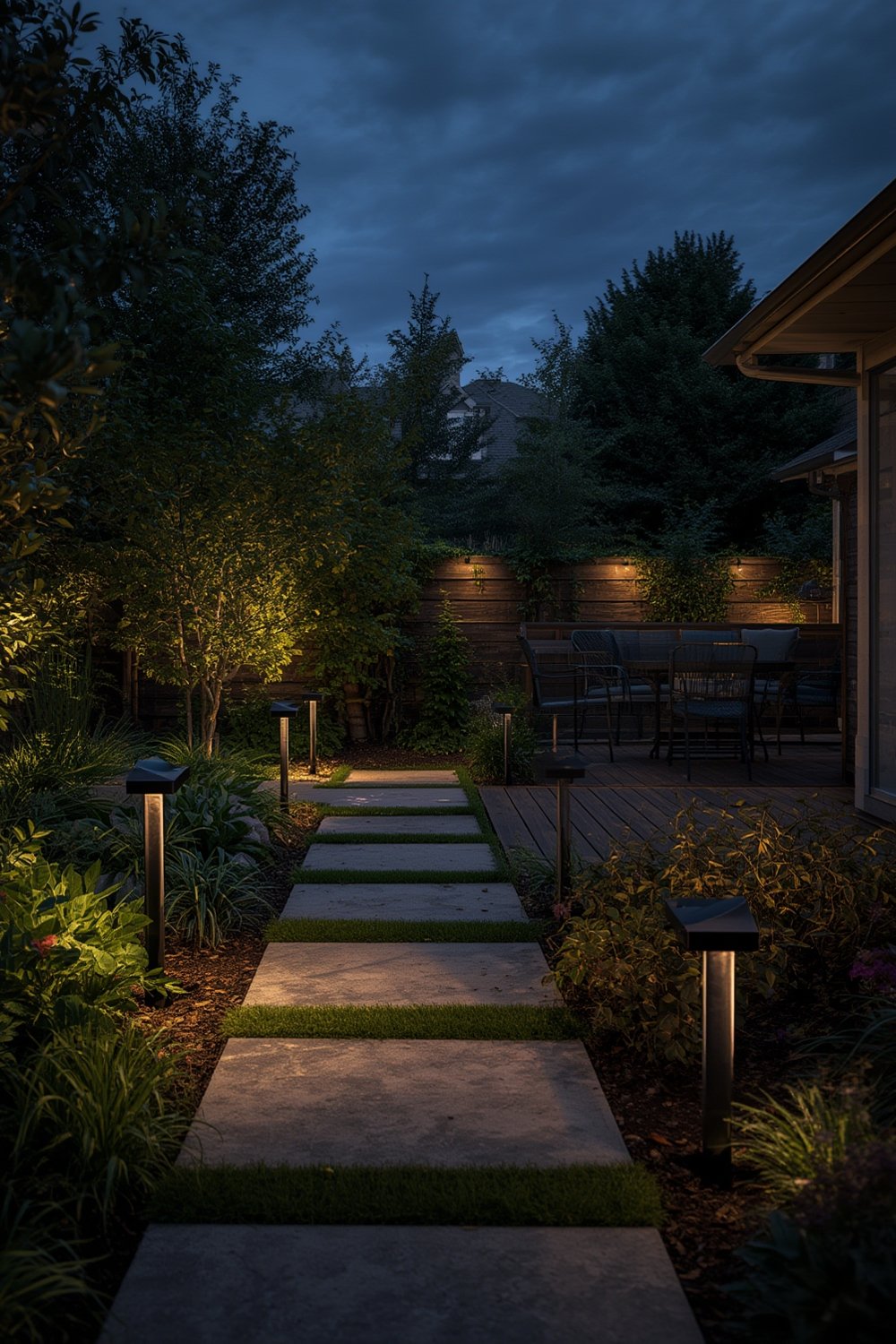
Performance is also governed by how long the lights operate after dark. Top solar lights in 2024, like the Nupostai Bright Solar Pathway Lights, consistently deliver 10-13 hours of runtime after a proper day’s charge—even on cloudy days, when supported by high-efficiency panels or USB charging backups.
Installation is usually straightforward. You’ll find ground stakes for path lights and spotlights (Hampton Bay, AloftSun), wall mounts for floodlights (Ring), or base mounts for post lights (Kemeco). Very few require any hardwiring, and many panels are adjustable so you can aim them for optimal sun exposure.
Durability depends largely on the weatherproof (IP) rating. The higher the IP rating, the better protected your lights are from dust, rain, frost, or snow. Look for ratings like IP68 (AloftSun), IP67 (Nupostai), or IP65 rating (Brightown) if you live in areas with harsh winters or heavy storms.
Step-by-Step: How to Choose and Set Up the Brightest Outdoor Solar Lights
- Match Brightness to Your Needs: Identify whether you want ultra-bright floodlights (1000 to 2500 lumens), focused spotlights, or softer path lights (under 150 lumens). For home security or large areas, opt for products like Tuffenough or Ring. For ambiance or path markers, lower-lumen options suffice.
- Check Runtime and Charging Options: Look for models promising at least 8-12 hours of runtime. Prioritize lights with USB charging as a backup so you’re never left in the dark after a cloudy day.
- Prioritize Weatherproofing: Seek out a minimum IP65 rating for general use, or IP67 and IP68 for maximum protection against rain, snow, and dust.
- Position Panels for Maximum Sunlight: Use models with adjustable solar panels and install them facing the sun’s path. Regular cleaning of the panel surface will maintain efficiency over time.
- Test and Adjust Before Permanent Placement: Set up your lights and verify how much area they illuminate and how long they last on both clear and overcast days.
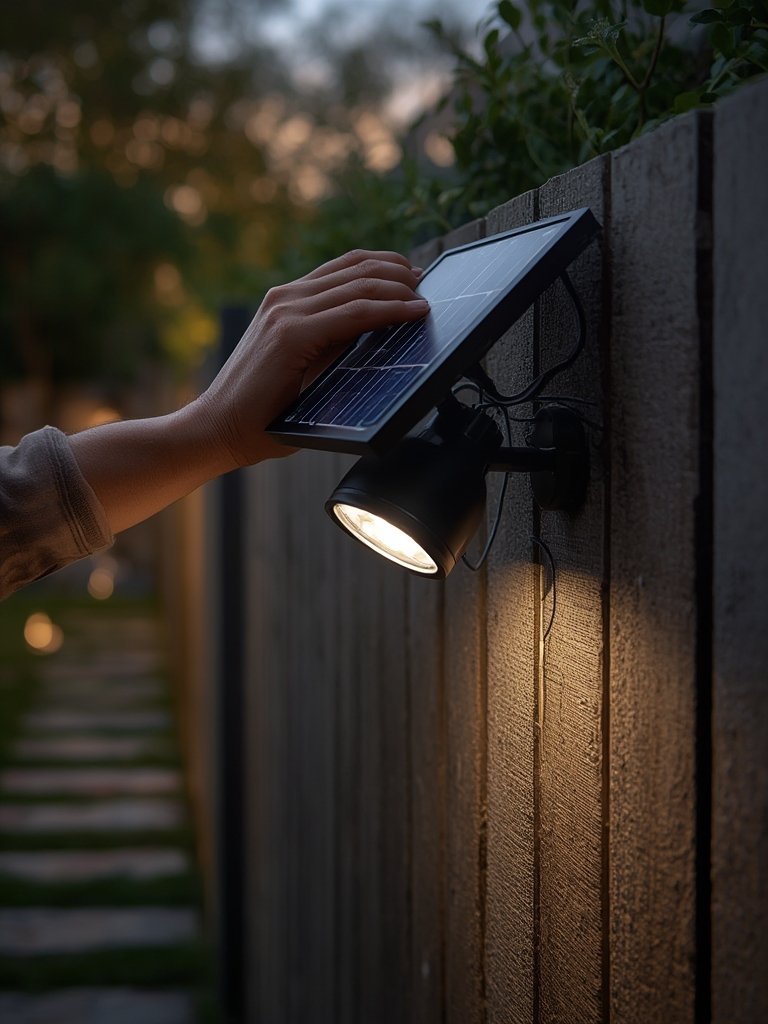
For advanced coverage, mix and match light types: Use broad floodlights for security, lower-output path lights for safety, and decorative models near patios or seating. Always verify that your battery type (such as 800mAh Li-Ion in Nupostai) matches your desired runtime. Additionally, in climates prone to snow, select frost-resistant models with adjustable panels (like AloftSun)—this makes ongoing maintenance far easier.
If you want product curation or shopping help, check out our top product picks and recommendations, or browse more home improvement upgrades like permanent outdoor lights for all-seasons convenience.
Advanced Analysis & Common Pitfalls: Avoid These Mistakes
Even the best outdoor solar lights can disappoint if you fall into these common traps:
| Model | Brightness (Lumens) | Installation Type | Notable Features |
|---|---|---|---|
| Tuffenough Solar Outdoor Lights | 2500 | Stake/ground | 210 LEDs, IP44, no hardwire |
| Ring Smart Solar Floodlight | 1200 | Wall/mount, flexible panel | Smart controls, adjustable solar panel |
| Hampton Bay LED Outdoor Spotlight | 55 | Stake/ground | Budget-friendly, adjustable panel |
| Kemeco Solar Post Light | 130-145 | Post/base mount | Traditional decor, easy install |
- Chasing only the highest lumen claim: As Consumer Reports explains, overall brightness depends on projection, color temperature, and reflection—not just numbers on the box.
- Ignoring runtime on cloudy days: Some models don’t last a full night when solar charging is sub-optimal. Products with USB backups or extra-large batteries outperform here.
- Selecting poor IP ratings: An IP44 or lower rating leaves your lights vulnerable to rain, snow, and dust, causing rapid dimming or outright failure. Always match the IP rating to your climate.
- Misplacing solar panels: Panels in the shade, under trees, or at low winter angles collect much less light. Adjustability helps, but placement is key.
- Never cleaning the panel: Dirt and pollen reduce charging by up to 30 percent. Clean panels gently with water every month or after storms.
- Overlooking cost, warranty, and install details: Not all brands offer the same value. Some (like Hampton Bay) are budget options, while others (Ring) have more smart features. Installation remains easy for almost all top models—no hardwiring and usually tool-free.
For actionable troubleshooting, conduct a test after setup on both sunny and cloudy days to ensure the battery is charging fully. If the battery isn’t lasting as claimed, double-check the panel orientation and cleanliness, and switch to USB backup charging if available.
If you’re upgrading your home or integrating with smart home systems, you may also want a look at our guide to smart thermostats or explore modern lighting upgrades like WAC Lighting for a cohesive outdoor setup.
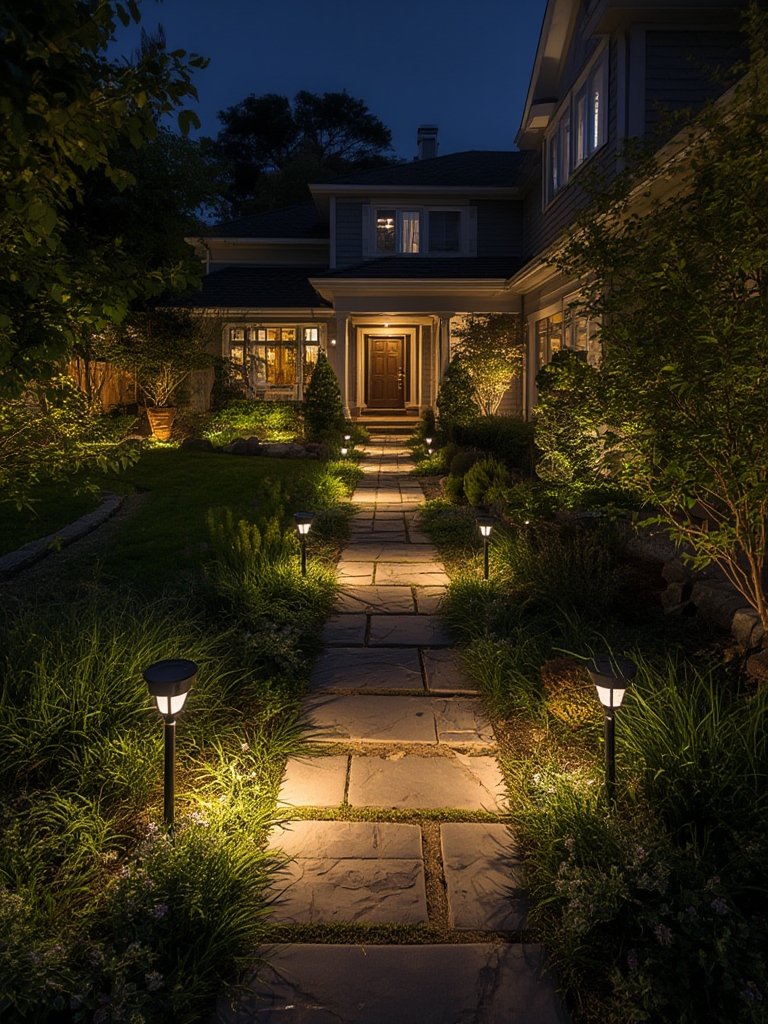
Brand selection also matters. In independent 2024 testing, models from Ring, Tuffenough, and AloftSun consistently perform at the top for both visible brightness and efficiency. You may not always find comprehensive brightness and energy-efficiency scores together, but these names regularly rank high in both areas on expert lists (see HowToGeek’s breakdown).
For in-depth guides on optimizing your space, you might also be interested in our actionable organic modern kitchen steps or our comprehensive 2024 product buying guide.
Conclusion
Choosing the brightest outdoor solar lights requires more than picking the highest lumen number. Consider projection, battery life, IP rating, and your weather conditions for the best results. Make use of USB charging backups, clean the panels, and test for both clear and cloudy days before you commit to permanent placement.
The brightest outdoor solar lights can dramatically improve your home’s security, convenience, and curb appeal—but only if you avoid common mistakes and match features to your needs. Ready for a major upgrade? Research the brands above and follow these steps for reliable, brilliant results—then explore more upgrades in our permanent outdoor lights guide or top product recommendations.
FAQ
How many lumens do I need for effective security lighting outdoors?
Floodlights with at least 700-1200 lumens work well for most home security setups. For lighting large driveways or yards, consider models like the Tuffenough Solar Outdoor Lights (up to 2500 lumens).
Can solar lights really run all night on cloudy days?
Only if the battery is large enough and the panels are efficient. Some models offer USB backup charging which ensures full runtime even in poor weather.
How important is the IP rating for outdoor solar lights?
Very. The higher the IP rating (IP65, IP67, IP68), the better protected your lights are against rain, snow, and dust, and the longer they will last in real-world conditions.
What’s the best way to maximize the brightness of my solar lights?
Regularly clean the solar panels, place them for maximum sunlight, and avoid shadows from nearby trees or structures. Use mirrors or reflective materials to enhance output.
Are there smart features available in the brightest 2024 outdoor solar lights?
Yes, many higher-end models include app control, motion sensors, adjustable light modes, and smart integrations (found in Ring and similar brands).