

### Blog Post:
Boneless couches designs are redefining living spaces by blending modular convenience, viral social appeal, and easy delivery for modern homes. If you’re seeking a flexible, low-profile seating solution that fits tight spaces and shifts with your lifestyle, understanding boneless couches is essential.
Key Takeaways
- Boneless couches are trending for urban lifestyles—driven by compact design, easy shipping, and social media buzz.
- Pricing ranges from $585–$765 per unit, with most brands prioritizing recycled and sustainable materials.
- Downsides include limited verified durability data, unclear long-term maintenance needs, and variability in comfort.
- 1. The Core Concept: What Is a Boneless Couch?
- 2. Step-by-Step Guide: How to Choose & Set Up Your Boneless Couch
- 3. Advanced Analysis & Common Pitfalls
- 4. Conclusion
- 5. FAQ
The Core Concept: What Is a Boneless Couch?
A boneless couch, often labeled “frameless” or “couch in a box,” refers to a modular, soft, legless sofa structure that’s designed for efficiency in small spaces. Unlike traditional couches with wood or metal frames, boneless couches rely on dense foam cores, flexible fabric covers, and modular designs to achieve comfort with minimal bulk. The viral rise of boneless sofas reflects a shift toward convenience, mobility, and flexible living in cities where elevators and tight stairwells challenge traditional furniture deliveries.
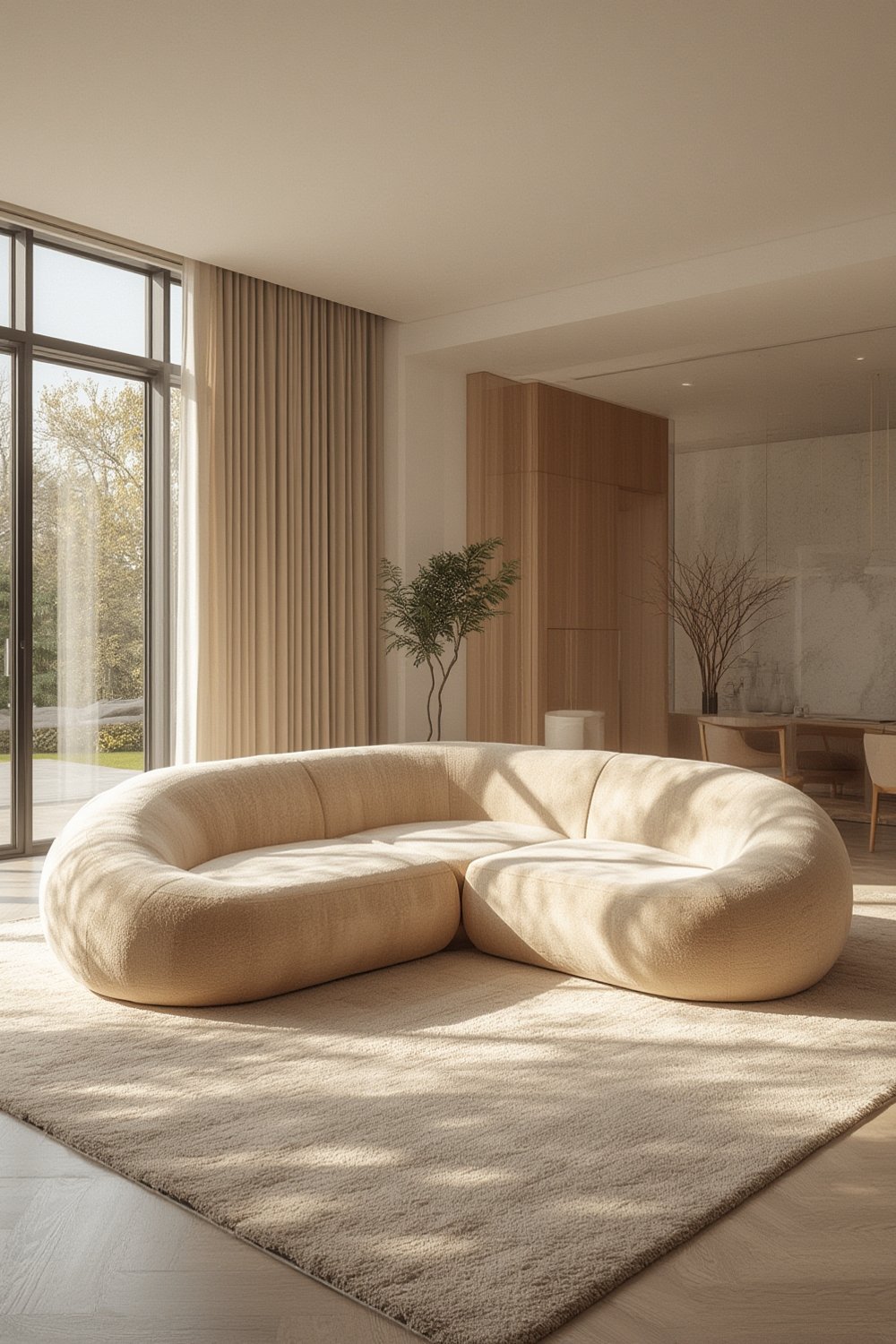
The core appeal lies in their light weight, ability to compress for shipping (think mattress-in-a-box), and modular adaptability. Shoppers in urban centers like New York have demonstrated overwhelmingly higher demand—up to four times the national average—driven by tight apartments and a need for furniture that can morph into multi-use spaces (source). E-commerce platforms and compressed-pack technology allow quick parcel shipping, skipping the headache of freight appointments and complex assembly.
Since modular options often use recycled or FSC-certified materials, these couches carry strong sustainability credentials (source), appealing to eco-conscious buyers as well.
Step-by-Step Guide: How to Choose & Set Up Your Boneless Couch
Selecting the right boneless couch means balancing space, style, shipping, and comfort for your lifestyle. Here’s exactly how to get started:
-
Measure your living area.
- Measure your living area, entryways, staircases, and elevators. Boneless couches excel in tight quarters due to modular shapes and low profiles.
- Sketch out potential configurations for multi-use rooms—think sectional, single seat, or even loungers.
-
Research Materials & Sustainability.
- Check if the brand uses certified, recycled, or toxin-reduced materials. Over 65% of 2024 sofa releases now use environmentally responsible inputs (source), which is crucial for healthy homes. For other toxin-free home product options, see our guide to non toxic air fryer picks.
-
Compare Prices.
- Most boneless couch units currently range from $585–$765 per seat (source).
- Factor in shipping costs (usually less expensive than freight for traditional sofas) and verify if prices include custom covers or modular add-ons.
-
Review Warranty/Return Policies.
- Some brands are newer and may have limited customer support coverage.
- Look for clear documentation on warranty length, what’s actually covered, and easy returns. For long-lasting furniture picks, you can also explore our top product picks and recommendations.
-
Order & Set Up.
- Order online (where availability is still highest) and schedule a delivery window that works without freight hassles.
- Open the box, follow decompression times, and snap modular sections together as directed.
- Use the modular features to tailor the layout to your room—get creative with configurations to function as both a sofa and guest bed.

If you want to future-proof your home for style and function, consider how modular boneless couches work within popular home aesthetics—for example, a minimalist or organic modern kitchen look. Choose neutral tones and textured fabrics for the most versatile options that age well as trends evolve.
Advanced Analysis & Common Pitfalls
While boneless couches offer serious benefits for urban dwellers and renters, they’re not without downsides. Here’s what the latest data and real-world experience reveal:
Potential Drawbacks
- Limited Verified Review Data: There are few long-term reviews or third-party durability studies. First buyers are sometimes “beta testers” for new designs and materials.
- Unknown Long-Term Performance: Many boneless couches are newer to market, so issues like foam sagging, cover durability, or zipper failures remain unproven past the first year or two.
- Variable Comfort Levels: Density of foam, cover materials, and cushion height can range drastically by brand or edition. Test in-store if possible, or check for risk-free in-home trials.
- Maintenance Surprises: Modular sections mean more seams, zippers, and removable covers, potentially adding to cleaning complexity, especially if kids or pets are involved.
- Warranty Ambiguity: Many newer brands still offer basic 1–2 year coverage. Lack of clear data on what’s covered can lead to frustration in case of manufacturing defects or wear issues.
Comparison Table: Boneless vs. Traditional Modular Sofas
| Feature | Boneless Couch | Traditional Modular Sofa |
|---|---|---|
| Frame/Structure | No rigid frame; high-density foam core | Wood/metal frame, springs, foam |
| Assembly/Delivery | Ships compressed in boxes, parcel delivery | Delivered fully assembled or large modules; often freight/truck |
| Urban Mobility | Fits through tight spaces; easily moved | Difficult in tight stairwells/elevators |
| Price (Per Seat) | $585–$765 (2024-25) | $700–$1200 (typical mid-market) |
| Eco-friendly Materials | Frequently uses recycled/FSC materials | Some models use sustainable inputs |
| Durability Data | Limited verified data (2024–2026) | Extensive established reviews |
Recent Innovations
- Compressed-Pack Technology: Major manufacturers are launching compressed-box formats that cut delivery times and maximize shipping efficiency (source).
- Sustainability Shift: More than 65% of new models use eco-friendly materials.
- Design Customization: Some brands offer multiple shapes and covers, plus viral unboxing experiences for social sharing. For home upgrades that impress year-round, consider pairing with smart, space-saving lighting—see our permanent outdoor lights review.
User experiences may differ greatly between new boneless couch providers. Always check the latest customer reviews and warranty language before committing.

Conclusion
Boneless couches are revolutionizing modern living for city dwellers and anyone needing adaptable, low-profile furniture on demand. They offer savings on shipping, eco-friendly materials, and endless options for creative room layouts. On the downside, long-term durability, comfort variation, and maintenance needs should be considered alongside upfront price and shipping perk.
Ready to upgrade your home with a boneless couch? Research leading brands, measure your space, and compare features before buying. For more smart buying guides across furniture, home, and tech, check our top product picks and recommendations.
FAQ
How long do boneless couches typically last?
Boneless couches are new to market, so verified durability data is limited. Most high-density foam cores should last 3–5 years with normal use, but longevity can depend on brand, materials, and care.
Are boneless couches comfortable for daily use?
Comfort levels vary based on foam density and cover fabric. Try to test in-store or buy from a brand offering risk-free trials to ensure the model fits your body type and sitting habits.
Can I wash the covers if I have kids or pets?
Most boneless couches have fully removable, machine-washable covers. Always check the product manual for cleaning instructions and fabric limitations.
Are boneless couches more affordable than traditional sofas?
Boneless couches usually cost less up front (around $600–$800 per unit) and reduce delivery fees but may lack long-term cost data for maintenance or replacement.
Do boneless couches work in multi-use rooms or studios?
Yes, their low height and modular sections make them ideal for studios, guest rooms, or anywhere you need flexible seating, sleeping, and easy movement in urban apartments.
—