

Best smart garage door opener technology is changing the way homeowners manage access and security. Today’s devices connect your garage to your phone, automate routines, and bring next-level convenience—and not just for tech enthusiasts. If you’re frustrated by keys, remotes, or worrying whether the door is open, the right smart solution can make your home smarter and safer.
Key Takeaways
- Smart garage door openers are a rapidly growing market, valued at up to $2.6 billion in 2024 with strong adoption in North America and fast growth in Asia Pacific. [Source]
- Wi-Fi-enabled models now dominate for reliable remote access, but buyers should be aware of installation complexities and compatibility before upgrading.
- Many top models lack documentation on advanced features such as multi-user support and battery backup—always check specifics that matter to you.
- The Core Concept: What Is the Best Smart Garage Door Opener?
- Step-by-Step Guide: Upgrading to a Smart Garage Door Opener
- Advanced Analysis & Common Pitfalls
- Conclusion
- FAQ
The Core Concept: What Is the Best Smart Garage Door Opener?
A smart garage door opener replaces or upgrades your traditional opener with a device you can control and monitor from anywhere. The best smart garage door openers let you open, close, and check status from your phone—even when you’re far from home. Many offer rule-based automation, integration with Alexa or Google Home, and detailed activity logs.
Why upgrade? With traditional openers, you might forget to close up, fumble with remotes, or worry about security. A smart opener turns your garage into a keyless entry point with activity alerts, scheduling, and even automatic closing—making life easier and safer, especially for busy families and frequent travelers.
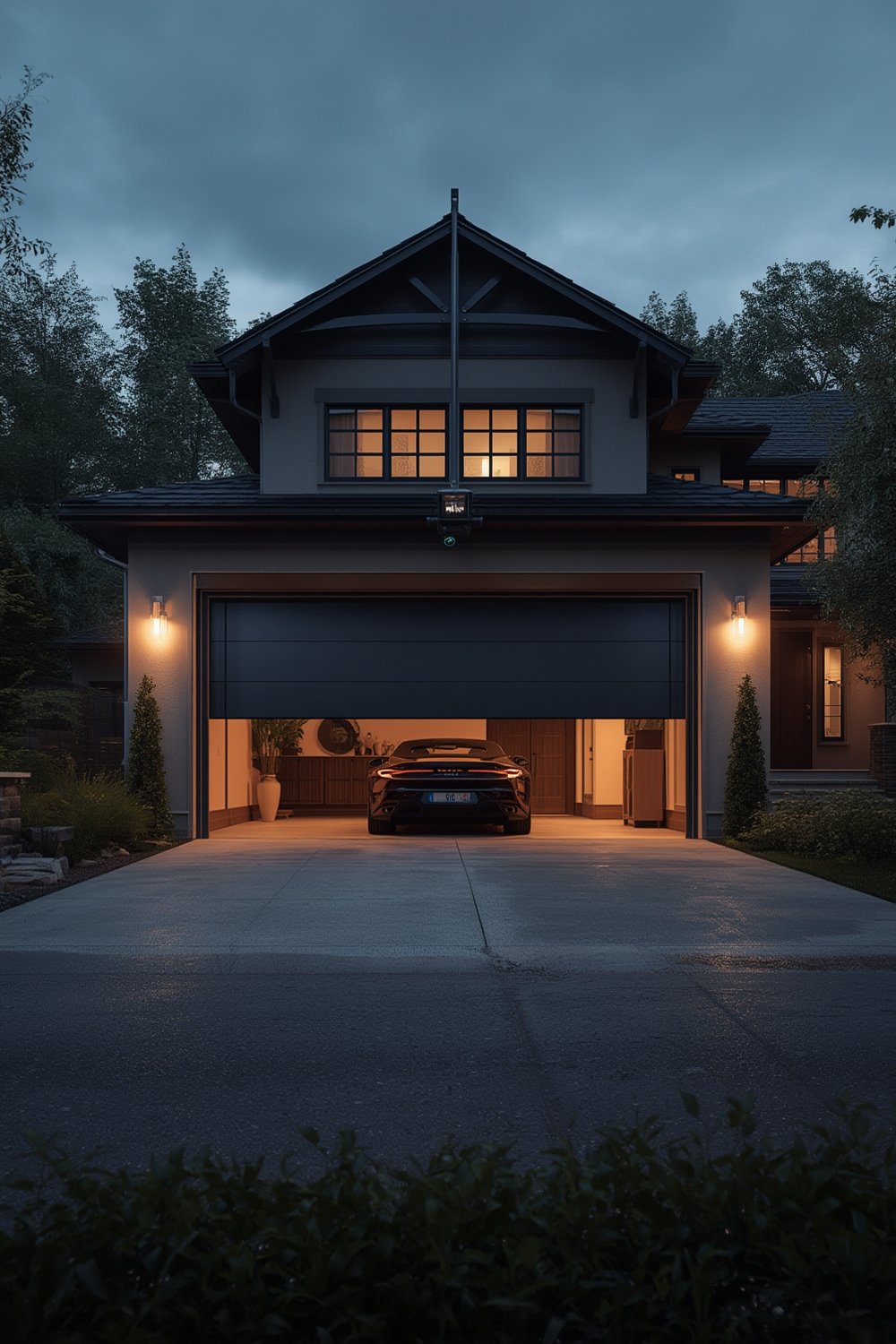
2024 Market Growth: Why Smart Garage Door Openers Matter
The global smart garage door opener market was valued at $1.82–$2.63 billion in 2024, with North America holding a 38% share thanks to high smart home adoption. Wi-Fi models lead the segment, enabling reliable remote access and integration with cloud-based apps. Adoption rates are up to 9% in U.S. households, and forecasts expect the global market to reach $6.3 billion by 2033. [MRFR Report]
Who Needs One?
If you value security, want notifications for every open/close event, or need to let in guests or delivery drivers, a smart opener can solve a lot of headaches. It’s also a must-have for anyone building a true smart home where automation and voice controls matter. Products from brands like Chamberlain, LiftMaster, Genie, and Ryobi offer diverse options for all budgets and garage types.
Step-by-Step Guide: Upgrading to a Smart Garage Door Opener
Ready to install the best smart garage door opener for your needs? Here’s how to do it right, avoid common snags, and get the most from your investment.
- Assess Your Garage Door Type
Belt drive models are quiet and popular for residential homes. Chain drives are usually louder but cheaper. Wall-mount (jackshaft) designs save ceiling space. Pick a smart opener (or add-on controller) that matches your drive type for the best fit, or consider exploring garage storage upgrades to maximize your install. - Choose Features You Actually Need
Essentials: Wi-Fi connectivity, smartphone app, real-time notifications.
Advanced: Multi-user support, works with Alexa/Google Home/Apple HomeKit, geofencing automation, activity logs, and battery backup for power outages. Some high-end options also offer integration with bigger smart home setups using platforms like Homebridge. - Prep for Installation
Gather basic tools (screwdriver, drill, ladder). Most openers come with clear instructions. For those comfortable with DIY, installation is rarely more than an hour. If wiring or retrofitting feels tricky, pros or local installers can help. - Connect and Configure
Once mounted, follow app prompts to connect the opener to your home’s Wi-Fi (ensure strong signal; a weak connection means lag or unreliable access). Configure alerts, guest access, or set up automation (like closing after 10 PM automatically). - Test All Features
Confirm the app shows correct status, remote commands work (from the driveway and away from home), and physical controls (wall pad, physical buttons) remain functional as backup.
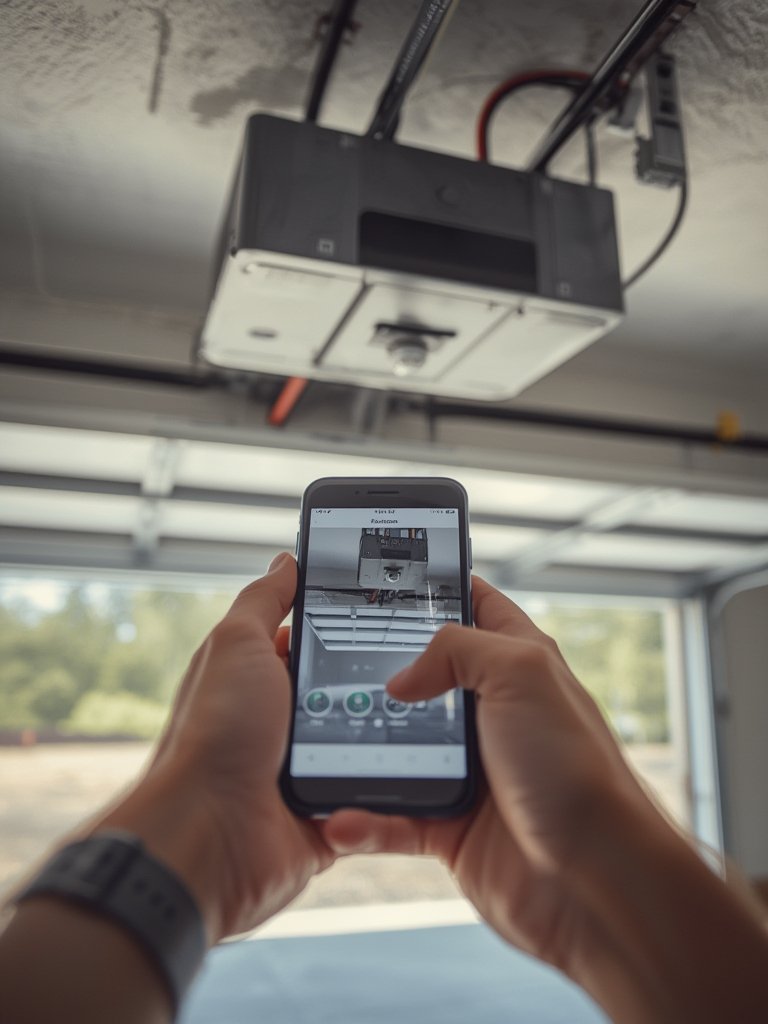
Integration with Other Smart Tech
For the best smart garage door opener experience, look for systems that work with smart thermostats, security cameras, or other smart home devices. Some brands allow scenes or voice triggers, so you can open the garage as part of a “coming home” routine, or check your garage status with a single Alexa command. Battery backup support is rare but invaluable—an often-overlooked feature in most reviews.
Ongoing Maintenance
Regularly check for firmware updates and clean door sensors to keep everything running smoothly. Change batteries in remote sensors and test Wi-Fi connectivity if you move your router.
Advanced Analysis & Common Pitfalls
While smart garage openers seem plug-and-play, research and user experience reveal a few recurring pain points you should avoid.
| Issue | Potential Impact | How to Avoid |
|---|---|---|
| Incompatible with Older Garage Doors | Install won’t work or features disabled | Check opener age, wiring, drive type before buying |
| Weak Wi-Fi Signal | App commands unreliable, poor notifications | Test Wi-Fi at garage with a speed test; add a mesh node or Wi-Fi extender if needed |
| Missing or Confusing Integration Features | No voice/automation or poor user experience | Check specs for Alexa, Google, Apple compatibility, and real multi-user support |
| Subscription Fees for Cloud Features | Unexpected annual costs or feature lockout | Research monthly/yearly fees upfront—some MyQ, Chamberlain features require subscriptions |
| Lack of Security Transparency | Unknown risks for hacking or unauthorized access | Choose reputable brands and update firmware promptly; acknowledge that few makers publish details on encryption or security audits |
| User Error or Missed Updates | App out of sync; false open/close alerts | Read alerts closely; test functionality after editing routines or updating the app |
Many of the best product picks list features like remote access but don’t clarify if multi-user support is easy or if battery backup is built-in. Don’t assume—always verify what matters most for your routine or family.
If your climate is harsh or your garage is drafty, consider pairing your opener upgrade with a garage door draft blocker for added comfort and energy efficiency.
Conclusion
The market for the best smart garage door opener is stronger than ever, offering real convenience and peace of mind when you know what to look for. Matching features to your home and routine, checking compatibility, and understanding potential pitfalls (like weak Wi-Fi or hidden fees) set you up for success. Don’t just buy the hype—use this guide to choose a model that actually upgrades your life, not just your tech shelf.
Ready to take your garage and home security to the next level? Compare top options, check for compatibility, and enjoy smarter living—starting today.
FAQ
Are smart garage door openers compatible with all garage doors?
No, not all models work with every garage door type or opener brand, especially older units. Check manufacturer compatibility lists before buying.
Can I install a smart garage door opener myself?
Basic installations are often DIY-friendly with clear instructions, but electrical/wiring work or retrofitting older systems may require professional help.
Do I need a subscription for remote access or notifications?
Some brands (like MyQ) require a subscription for advanced features such as smart home integrations or cloud history logs—read the fine print before purchase.
How secure are Wi-Fi garage door openers?
Most major brands use encrypted connections, but security transparency varies. Regular firmware updates and unique account passwords are essential for safety.
What if my garage has a weak Wi-Fi signal?
Install a mesh Wi-Fi node or extender near your garage. Some openers also feature wired Ethernet for maximum reliability.