

Best small space heaters can turn a frigid room into a warm retreat in minutes. But picking the right heater goes beyond price and looks—energy use, safety, real-world performance, and where it actually fits matter far more than most people realize. This guide gives you realistic, research-backed advice and actionable steps to find, use, and get the most value from a compact space heater.
Key Takeaways
- Choose a heater with a smart thermostat, strong safety features, and the right type for your main use (quicker warmth versus steady background heat).
- The best small space heaters can save you up to 30% in energy costs compared to basic models—especially with scheduling and geofencing.
- Many competitor articles skip details about air quality, multi-room portability, and smart-home integration. These aspects can make or break everyday usability.
- Understanding Small Space Heaters: What Matters Most
- Choosing and Using the Best Small Space Heater (Step-By-Step)
- Analysis, Common Mistakes, and Real-World Issues
- Conclusion
- FAQ
Understanding Small Space Heaters: What Matters Most
Most people buy a space heater based on wattage, size, or brand. But the key to picking the best small space heaters is understanding the difference between heating technology, energy management features, and real-world safety. All electric models technically convert electricity to heat at 100% efficiency, according to thermodynamic science. But your actual savings come from how heat is distributed, retained, and controlled.

There are four main types of electric small space heaters: oil-filled radiators (steady, consistent heat), ceramic heaters (fast and flexible), infrared heaters (instant spot warmth), and micathermic panels (fast and even). The smart features like thermostats, timers, and Wi-Fi app control make the biggest difference in bills and convenience. Proper sizing is simple: 10 watts per square foot covers insulated rooms, and most 1,500W heaters will handle up to 250 square feet.
But overlooked details—like air dryness, how often you’ll move it, real safety protection, and whether you can integrate it into your smart home—matter just as much. That’s why models such as the Vornado VH200 (fast room heating, long warranty), De’Longhi TRD40615T (super consistent warmth), and Boldr Kelvin WiFi Heater (30% energy savings via app control) routinely lead expert tests.
Before you pick, understand not just the wattage, but how the heater will actually behave and fit in your daily space.
Choosing and Using the Best Small Space Heater (Step-By-Step)
Follow these real steps to select, place, and use a small space heater that saves money, feels comfortable, and keeps you safe:
-
Measure and match the room size. Use the standard 10 watts per sq ft guideline (source).
- A 150 sq ft bedroom needs about 1,500 watts if poorly insulated, less if windows are modern.
-
Pick the right heating technology for the room and usage.
- Choose oil-filled radiators (like De’Longhi TRD40615T) for steady, silent background heat.
- Go for ceramic models (like Vornado VH200 or Lasko 754200) for speed and overall value.
- Select infrared if you want to instantly warm a single spot, such as a home office desk.
-
Prioritize real safety features—not just “safety tested” branding.
- Verify for tip-over protection, overheat shutoff, cool-touch exterior, and, if possible, a thermal cutoff circuit. Consumer Reports rates several models for passing the full range of these tests.
-
Check for programmable thermostat, timer, and—ideally—app or remote control.
- Smart models like the Boldr Kelvin WiFi Heater can cut annual heating costs up to 30% by using geofencing and schedules.
- Cheaper heaters often lack true thermostats or timers, resulting in wasted energy.
-
Think through placement, cord length, and movement between rooms.
- Ceramic and panel heaters are lighter for carrying from room to room, but look for good handles and base stability.
- Keep cords away from traffic areas and never route under rugs to avoid tripping or fire hazards—especially critical for renters or homes with kids and pets.
-
Use only when needed and maintain for longevity.
- Regularly clean intake filters and dust off surfaces, especially if you share the room with pets (see pet hair removal tips).
- Unplug when not in use. Do not use with extension cords, which can overheat under high draw.
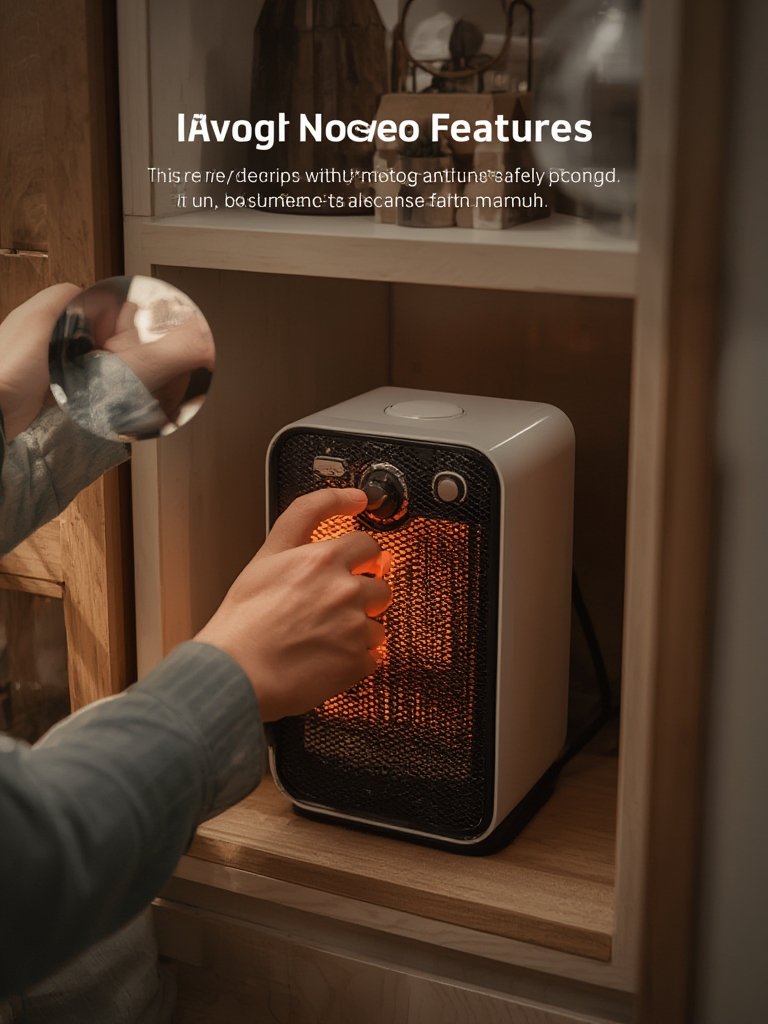
If you’re upgrading your living space, also consider integrating modern aesthetic upgrades for a warmer look while staying energy efficient. For more product ideas, see our top product picks and recommendations.
Analysis, Common Mistakes, and Real-World Issues
Even the best small space heaters come with trade-offs. Here’s how real-world test data and critical feedback reveal potential missteps:
- All heaters “efficiently” convert power to heat (100%) but can waste energy if oversized, left unsupervised, or poorly placed—resulting in high utility bills and possible circuit overloads.
- Noise and airflow: Fast ceramic and fan-driven models can be annoyingly noisy in bed- or workspaces. Some oil radiators “ping” as they warm up.
- Poor thermostat placement: Heaters with poorly calibrated or off-body thermostats can overheat or underheat a room. Always check thermostat sensing location before purchase.
- Air dryness and odor: All resistive heaters (ceramic, oil, infrared) may dry air over extended use. Place a water dish nearby or run a small humidifier if air feels too dry—especially with closed doors. Strong “burnt dust” smell on start-up is common if not cleaned regularly.
- Compatibility with smart home systems: Many WiFi models only work with proprietary apps, not with broader smart home hubs (such as Apple HomeKit, Alexa, or Google Home). Homebridge or smart plugs can help, but research exact compatibility if you’re building routines.
- Multi-room and portability myths: Even compact heaters can be heavy (especially oil-filled models); awkward handles or short power cords limit easy relocation. Caster wheels help, but test in your actual space before assuming seamless mobility.
- Hidden safety hazards: Cheap heaters often skip advanced overheat protection or tip-over cutoff—leaving you exposed to higher fire risk, especially in homes with pets or kids.
| Heating Technology | Speed | Consistency | Best Use Case |
|---|---|---|---|
| Oil-filled radiators | Slower | Steady, long-lasting warmth (18% fewer on/off cycles) | Bedrooms, continuous heat, nighttime safety |
| Ceramic heaters | Fast | Moderate | Quickly heating small-medium rooms |
| Infrared | Instant | Direct (but limited area) | Spot heating people, home offices |
| Micathermic panels | Fast | Even, radiant/convection mix | Semi-permanent wall or baseboard use |
In independent testing, heaters like the Vornado VH200 and De’Longhi TRD40615T consistently outperformed cheaper competitors by heating faster, cycling less, and using up to 23% less energy. Budget models below $50 often cut corners on safety controls or durability. If you want all the advanced features—full app control, geofencing, energy tracking—expect to pay $100-$150 or more for options like Boldr Kelvin WiFi.
Conclusion
The best small space heaters combine proper sizing, safe operation, and smart controls for comfort and efficiency. Don’t just buy based on wattage—dig into real-world factors like safety shutoffs, portability, and how it fits your daily habits. Spend a little more upfront for trusted brands and you’ll see the savings and comfort all winter.
Ready to upgrade your space? Review our best product picks and never compromise safety or efficiency in your home heating again.
FAQ
How much space can a 1,500-watt heater warm efficiently?
A 1,500-watt heater typically warms up to 250 square feet in a well-insulated room (about a medium bedroom or office). Poorly insulated rooms or open layouts may need multiple heaters or supplemental heating.
What features actually make a heater “safe” for home use?
Essential features include tip-over shutoff, overheat protection, a cool-touch exterior, a certified safety listing (like UL or ETL), and, ideally, a remote or smart app to reduce hands-on adjustments. Brands like Vornado, Lasko, and Honeywell routinely pass safety testing.
Will a space heater affect indoor air quality or humidity?
Most electric heaters dry the air slightly when run continuously, especially in closed rooms. Oil-filled radiators are less drying than fan-based and ceramic units. Using a small humidifier or airing out the room occasionally will balance comfort.
Can space heaters be used with smart home systems?
Some models offer native WiFi and app control (like Boldr Kelvin), but most require a compatible smart plug or integration tool such as Homebridge. Always check the manufacturer’s compatibility claims and confirm with your preferred smart ecosystem.
How often should I move or store my small space heater?
Light ceramic and panel heaters are portable for daily movement, but heavy oil-filled radiators are best left in place. Always unplug, let cool, and use built-in handles or caster wheels—never lift hot or tip-unstable units.