

### Blog Post:
Best home water filters are crucial for protecting your family’s health as water contamination grows across the US. In 2024, millions are at risk of exposure to lead, PFAS, microplastics, and bacteria—threats that aren’t always visible, but can undermine both your wellbeing and trust in tap water. This guide covers what these dangers mean, how to choose the right filter system for your needs, and where most buyers go wrong.
Key Takeaways
- Water contamination is widespread—over 97 million Americans face unregulated contaminants in their home supply.
- More than half of Americans now trust filtered water over tap, but not all filters work for every threat (like PFAS or microplastics).
- Choosing the best home water filter demands understanding your water, your local risks, and avoiding common mistakes.
- What Are Home Water Filters and Why Do They Matter?
- Step-by-Step Guide: How to Choose the Best Home Water Filters
- Advanced Analysis & Common Pitfalls
- Conclusion
- FAQs About Home Water Filters
What Are Home Water Filters and Why Do They Matter?
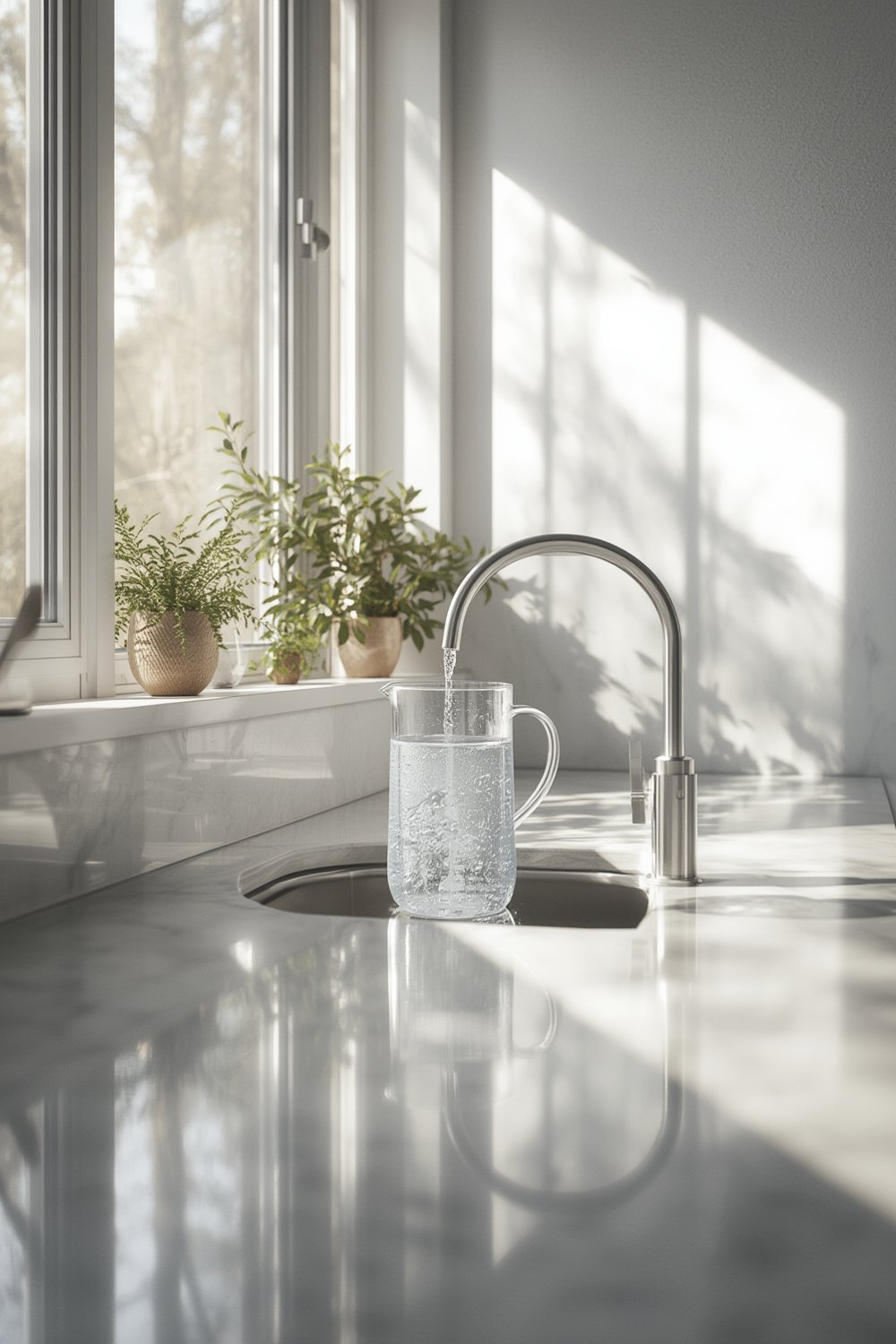
Home water filters are designed to remove unsafe and unwanted contaminants from your drinking water. These range from simple carafe filters to sophisticated whole-house and under-sink filtration systems. Their main job is stopping lead, PFAS “forever chemicals,” bacteria, viruses, microplastics, and even foul tastes or odors from reaching your glass. The urgency has never been greater—according to recent reports, almost one-third of US public water systems expose 97 million people to unregulated contaminants, and up to 95 million Americans are drinking groundwater laced with PFAS (source, source). Even if your water’s taste or smell seem “fine,” unseen dangers can lurk—especially as 24% now name lead as the top concern, marking a 50% jump in public worry in just one year (source).
Step-by-Step Guide: How to Choose the Best Home Water Filters
Picking the best filter isn’t about buying the most expensive or highest-rated model. You need to match the filter’s capabilities to your household’s specific water risks—and your lifestyle.
-
Step 1: Identify Your Water Source & Risks
- If you use municipal water, request an annual “Consumer Confidence Report” for a baseline of risks. If your water comes from a well, test yearly for bacteria plus every 2-3 years for heavy metals and “forever chemicals.”
- Look for specific risk mentions (lead, PFAS, nitrates, microplastics, bacteria, cysts) so you can match the right filtration technology.
-
Step 2: Filter Types & Their Strengths
- Pitcher and Dispenser Filters: Great for renters, small households, or as a first line of defense for lead/chlorine. Look for NSF/ANSI 53 or 58 certification for lead and cysts—never rely on unverified claims.
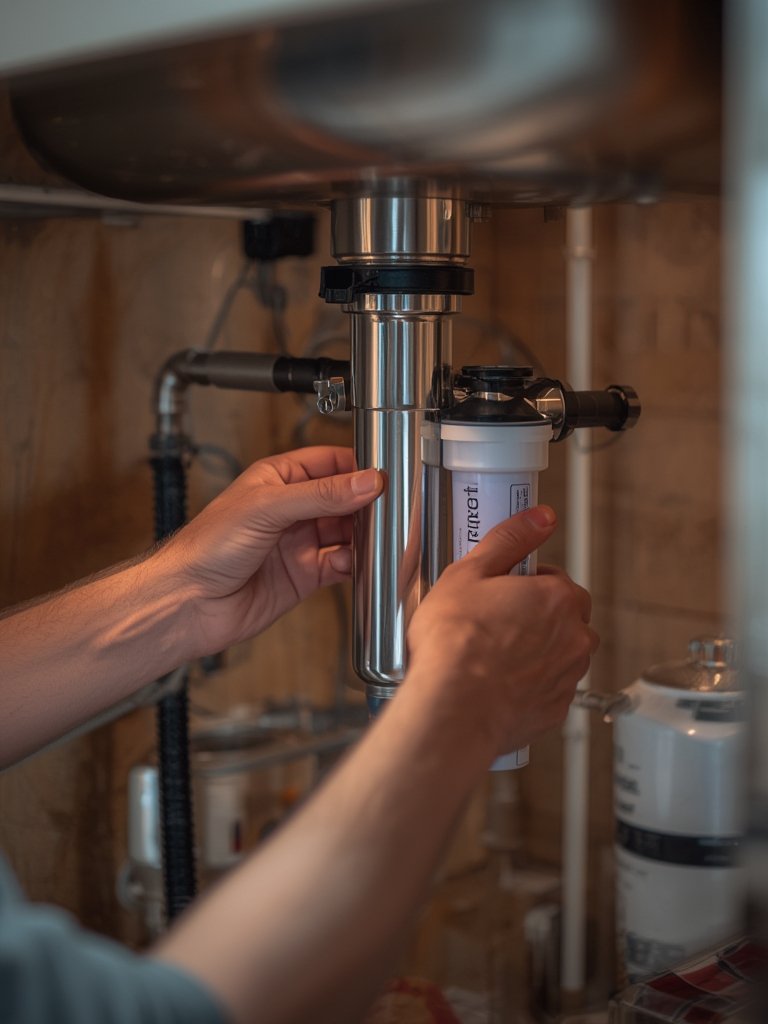
- Faucet-Mount & Under-Sink Filters: Provide on-demand clean water for drinking/cooking. Reverse osmosis under-sink filters are best for comprehensive reduction (lead, PFAS, microplastics, many pesticides). But RO systems waste water and strip minerals, so consider remineralizing afterwards.
- Whole-House (POE) Filters: Needed if you want all taps and showers filtered for chlorine, sediment, or specific issues like well water iron/sulfur. These are pricier and need professional installation.
- Step 3: Certification and Testing
-
Step 4: Analyze Cost, Maintenance & Fit
- Factor in replacement filters, service intervals, and installation requirements. Under-sink reverse osmosis systems, for example, require filter changes every 6–12 months plus periodic membrane replacements.
- If you travel or forget chores, smart filters or subscription services can provide reminders—or consider a simple gravity-based system that works with no power or plumbing at all.
-
Step 5: Read Real-World Reviews—Not Just Ratings
- Look for owner feedback on flow rate, taste, maintenance headaches, and brand customer service. Cross-reference complaints with your key priorities like heavy metal, chlorine, or PFAS removal performance (check third-party reviews and warranty policies).
- For curated home improvement picks, explore top product picks and recommendations for trusted guides.
-
Step 6: Install, Test, Adjust
- Install your chosen filter, flush as instructed, and retest your water after the system runs for several days. If key contaminants persist, revisit your selection—no filter is perfect for every situation, and some work better in certain water conditions.
- If installation feels daunting, consult your local plumber or consider DIY-friendly pitcher options in the meantime.
For households balancing water quality with pet care, check out our guide to time-saving self-emptying robot vacuums for pet hair—keeping floors clean pairs perfectly with safe, filtered drinking water. And if your wellness journey includes cleaner cooking, explore non toxic air fryer picks that won’t contribute hidden chemicals to your meals.
Advanced Analysis & Common Pitfalls
Many Americans think simply buying a “top-selling” filter means total protection. But real-world testing shows:
- Most pitcher filters only reduce chlorine, taste, and odor—not lead, PFAS, or microplastics unless specifically certified.
- Reverse osmosis systems can waste up to 3–5 gallons for every 1 gallon purified. Expect higher water bills and mineral removal, which may not be ideal for everyone.
- Whole-house units cannot remove lead or PFAS unless they use very specific filter cartridges—and even then, performance varies. Never install a “general” system for rust or “taste” and assume it works on heavy metals or forever chemicals.
- Countertop gravity-fed systems work during power outages, but some models have slow flow rates and limited capacity for large families.
- Ignoring certification details leads many homeowners to overpay for marketing claims not backed by lab data. The words “removes up to” or “tested for” are not the same as “certified to remove.”
| Filter Type | Best For | Certified For | Common Pitfalls |
|---|---|---|---|
| Pitchers | Renters, portability | Chlorine, lead, some VOCs (varies by model) | Limited life for hazardous contaminants, slow filtration, not all models certified for PFAS/lead |
| Faucet-Mount & Under-Sink | Cooking, drinking (higher volume) | Lead, bacteria, cysts, PFAS (if reverse osmosis or advanced carbon block) | Higher cost, complex install, some models strip minerals |
| Whole-House | Showers, laundry, baths (removing chlorine, sediment) | Sediment, chlorine (rarely lead/PFAS unless specialty) | Expensive; many cannot remove lead/PFAS even if “premium” |
| Gravity-Based (Berkey, etc.) | Emergency, off-grid, rentals | Vary (some for bacteria, lead; few for PFAS/microplastics) | Slower rate, certification gaps, inconsistent results if not properly maintained |
Other common missteps include skipping filter changes, which lets contaminants slip through, and assuming “crystal clear” water means it’s safe.
For more insight on how to spot the best value for your home upgrades—whether it’s water filtration or smart kitchen improvements—see our primer on organic modern kitchen solutions that blend form with safer function.

Conclusion
No single solution can claim to be the best home water filter for everyone. Your perfect fit depends on local water quality, family size, living situation, and the specific contaminants to target. Skip the hype—buy filters certified for your real risks, maintain them diligently, and always retest after setup. Clean, safe water isn’t just about health—it’s about peace of mind.
Ready to take control? Start by checking your water, then use this guide to select your ideal system. If you want to discover more top picks and smart buys for your home, explore our product recommendations hub.
FAQs About Home Water Filters
Which filter type removes the most contaminants?
Reverse osmosis under-sink filters tend to remove the widest range (lead, arsenic, PFAS, some microplastics, viruses, and bacteria). However, they require more installation effort, routine maintenance, and can waste water during filtration.
How often should I change my water filter?
It depends on the type and your water usage. Pitchers: 2–3 months. Under-sink/cartridge systems: every 6–12 months. Whole-house: 3–6 months for sediment filters, annually for carbon. Always follow your device’s manual—not just the packaging.
Do all filters remove microplastics and PFAS?
No. Only some advanced systems are certified for PFAS or microplastic removal. Look for NSF/ANSI 53, 58, or P473 certification—or consult test data. Most pitchers and faucet-mount filters do not tackle these contaminants.
Is filtered water safer than bottled water?
Filtered tap water—when properly matched to your contaminants and well maintained—is usually safer, fresher, and has a lower environmental impact than bottled water. Bottled water is regulated less strictly and may actually use municipal tap water.
Are any filters easy to move between homes or apartments?
Yes. Some pitcher, gravity-based, and countertop filters are portable and require no installation. These suit renters or anyone dealing with temporary living situations.
je