

Are air purifiers worth it? This question has become incredibly relevant as more households invest in devices promising cleaner indoor air. New research shows real benefits for removing harmful particles, but the answer isn’t black and white. We’ll break down the hard data, reveal what users really think, and arm you with step-by-step strategies to maximize your investment—or skip it if it’s not for you.
Key Takeaways
- HEPA filter air purifiers can reduce harmful airborne particles by 45–80% in real homes, but direct health outcome proof is still limited.
- Users generally tolerate air purifier noise well, but size, airflow, and energy use can be annoyances—choose carefully for your space.
- There’s growing demand for energy-efficient models, though filter replacement and running costs should be factored in before you buy.
- What Are Air Purifiers and Why Are They Popular?
- Step-By-Step: How to Decide If an Air Purifier Is Worth It for You
- Advanced Analysis & Common Pitfalls
- Conclusion: Should You Invest?
- Frequently Asked Questions
What Are Air Purifiers and Why Are They Popular?
Air purifiers are devices designed to remove contaminants like dust, smoke, pollen, and microscopic PM2.5 particles from the air inside your home. They’ve surged in popularity due to health concerns—especially as awareness grows about indoor air pollution and its risks. The core question is whether adding one to your home makes a measurable impact on the quality of the air you breathe each day.
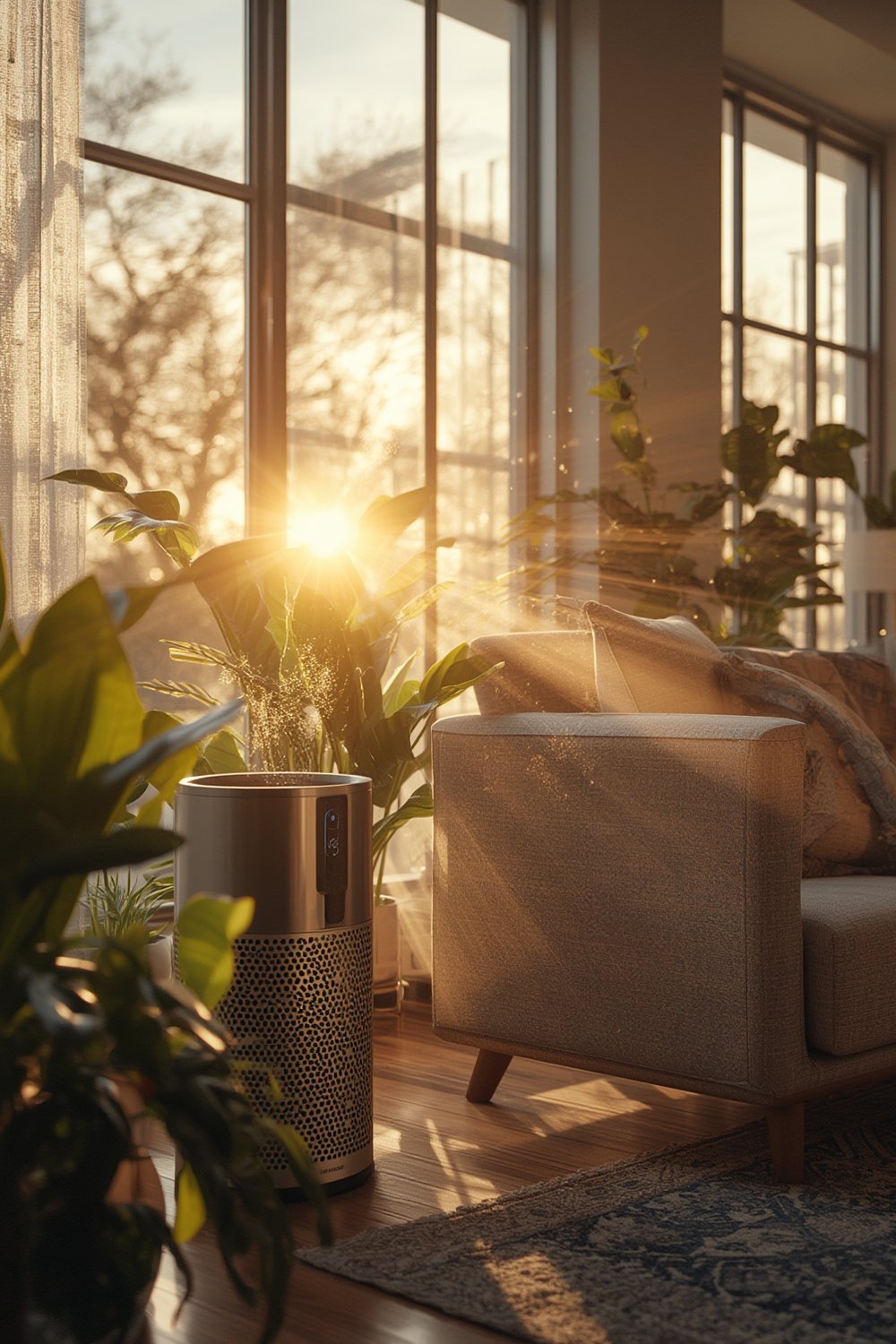
Recent studies — like this 2024 real-world home study — find that HEPA-based purifiers can cut PM2.5 (the polluting particles that damage lungs) by around 78.8% in main rooms and about 58% in secondary rooms nearby. Even in homes with high starting pollution, reductions are consistent at over 80%. Other research shows you can see 45–69% reduction within 90 minutes of running a HEPA model (source).
But do these numbers mean you’ll actually be healthier? While air purifiers are effective at reducing fine particles, the direct health benefits—especially for issues like asthma or allergies—are less clearly proven in published clinical trials so far, as global industry analysts confirm.
Step-By-Step: How to Decide If an Air Purifier Is Worth It for You
-
Identify Your Main Air Quality Concerns
Are you worried about smoke, wildfire particles, urban pollution, pet dander, or just dust? HEPA purifiers excel with particles, but are not specifically validated against viruses or volatile chemicals unless combined with activated carbon. -
Measure Your Indoor Air (If Possible)
Consider an air quality monitor to check your PM2.5 or PM10 readings before investing. Some smart monitors (like the Amazon Smart Air Quality Monitor) or apps can provide insights and track improvements. -
Match the Purifier’s CADR and Size to Your Room
Get a model with a Clean Air Delivery Rate (CADR) that fits your space. Undersized units won’t get results. -
Set Expectations for Noise, Size, and Energy Use
Most users eventually tolerate noise (by 90 days, studies show two-thirds don’t notice it), but very quiet models or those with multiple fan speeds are best for sensitive users or bedrooms. -
Calculate the Total Annual Cost
Add up the price of the device, filter replacements (often 1–2 times per year), and the average electricity use (especially if running 24/7 for best results). For cost-saving, seek Energy Star-certified models designed for efficiency. -
Maintain and Clean Regularly
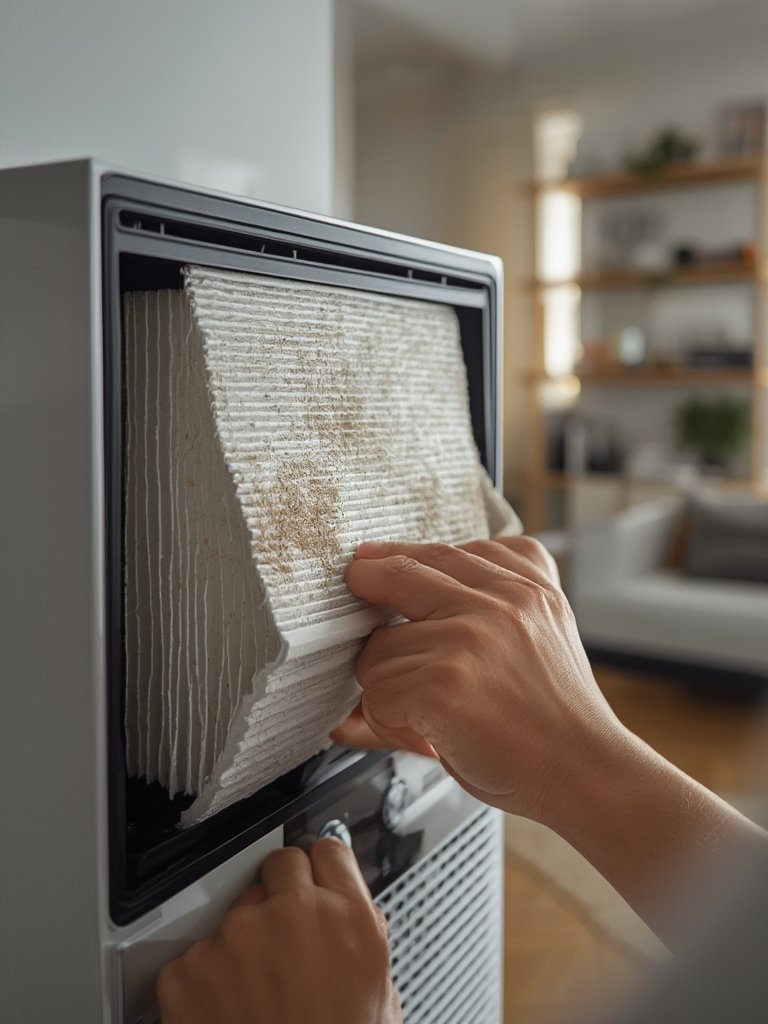
Replace filters as scheduled and clean pre-filter screens to prevent performance drops.
Can HEPA filters be washed? Get step-by-step care tips for your model. -
Track Results and Adjust Placement
Spot-check PM2.5 readings after using your purifier for a week. Try moving the unit to different rooms for optimal results.
If you share your home with pets, check out this self-emptying robot vacuum guide for maximum dust and pet hair control—purifiers work even better when combined with strong cleaning routines.
For those interested in broader product picks, see our top product picks and recommendations for a value-focused home improvement approach.
Advanced Analysis & Common Pitfalls
Even the most effective air purifiers have realistic limitations and usability downsides that are rarely advertised. Based on 2024 trials and user interviews:
- No device is silent. Early on, some people are sensitive to noise, though most adapt over weeks—placing the unit away from beds or desks helps.
- Annual costs add up. While exact filter and energy numbers vary, expect $50–$120 per year in filters plus modest electricity costs, depending on model and settings. Units with larger filters often need less frequent replacement, but may cost more upfront.
- Bigger isn’t always better. Large or high-capacity models can overwhelm small rooms or limit placement options for apartments. Prioritize fit and airflow direction.
- Not all pollutants are tackled. Most studies show strong particle reduction, but unproven results for viruses, allergens, chemical vapors, or odors unless the device adds an activated carbon cartridge or advanced filter stage.
- Validation gaps. Real-world evidence proves particle reduction, but there’s a lack of robust, long-term clinical trials showing major outcomes for asthma, allergies, or general well-being. If you only want clinical proof, you won’t find definitive numbers (yet).
- Type matters. HEPA is the most studied. Data for activated carbon, UV, and ionizers is limited (see research summary). Ionizers may produce ozone, so check for certifications if sensitive.
| Feature | HEPA | Activated Carbon | UV Light | Ionizer |
|---|---|---|---|---|
| Best at Removing | Particles, allergens | Some odors, gases | Germs (theoretically) | Particles, static |
| Clinical Evidence | High | Medium* | Low | Low; Ozone risk |
| Ongoing Costs | Medium | Medium | Low/None | Low |
| Common Issues | Noise, filter cost | Short filter life | No clear benefit at room scale | Possible ozone |
*Activated carbon adsorbs odors and chemicals; not all models include it, so check the specs.
Curious about air purifier recalls or safety? See our air purifier recall guide for the most recent updates.
If allergies or dampness are a bigger issue, consider combined gear like a high-quality dehumidifier to complement your air purifier strategy.
The Shark NeverChange Air Purifier Pet Pro is another advanced option worth exploring, especially for pet owners seeking less frequent filter changes.
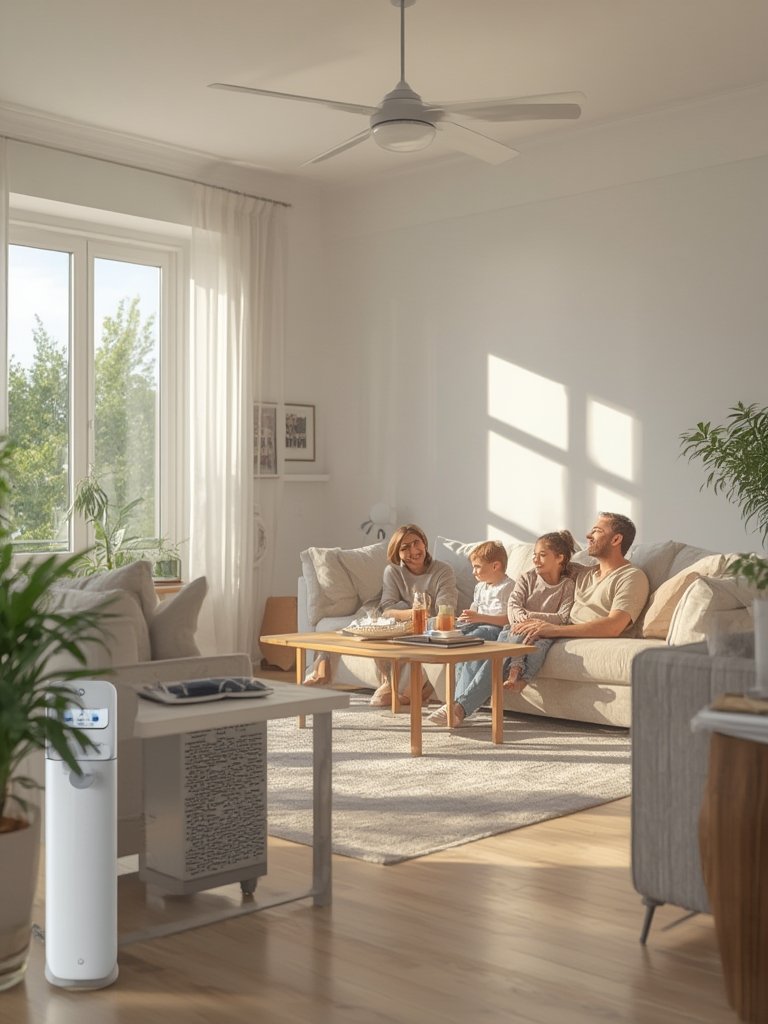
Don’t forget: performance depends on the match between device and room size. One-size-fits-all approaches almost never give the best results.
Conclusion: Should You Invest?
Air purifiers with true HEPA filters consistently reduce dangerous particles and improve objective air quality. They are generally well-tolerated in daily use, and can make a clear difference in homes affected by pollution, smoke, or sensitive medical needs. Costs and maintenance are ongoing and should not be ignored. There’s still a lack of definitive clinical evidence linking use to fewer asthma attacks or allergy flare-ups, but for many, the peace of mind and cleaner air are worth the investment. Bottom line: are air purifiers worth it? For high-risk households and those in polluted regions—yes. For others, weigh the real costs and benefits before you buy. Want cleaner air? Try a monitored approach—test, track, and adapt. Still unsure? Keep researching or talk with an HVAC indoor air expert before committing.
For more smart home upgrades, explore our guides to modern kitchen transformations or let our best home water filters help you tackle other quality-of-life improvements.
Frequently Asked Questions
Do air purifiers really help with allergies?
Air purifiers with HEPA filters can capture many common allergens (like pollen and dust mite residue). While user experience is often positive, clinical studies proving major allergy symptom relief are limited. Combining with other allergy controls produces best results.
How often should I replace air purifier filters?
Most HEPA filters last 6–12 months, depending on usage and air quality. Pre-filters may require cleaning or replacement more often. Check your model’s instructions for best results. For in-depth filter care steps, see our HEPA filter cleaning guide.
Are air purifiers safe for pets and kids?
Yes, most modern purifiers are safe if you avoid units that produce ozone (check certifications). Seek out models intended for use in bedrooms or nurseries for extra peace of mind. The Shark NeverChange Pet Pro is designed specifically for pet households.
How can I tell if my air purifier is working?
Use an air quality monitor to check PM2.5 or PM10 levels, compare before and after running the device for several hours, and look for visible dust reductions. Many smart purifiers have indicator lights or app-based readouts.
Does every room need a separate air purifier?
No. A portable unit can be moved between key spaces for day and night use. For large homes, consider multiple units for best results, but a single purifier may handle multiple nearby rooms if the doors stay open.