

Appliance light bulbs are the quiet heroes inside your fridge, oven, and microwave—yet most people never think about them until one suddenly burns out. Whether you need brighter, more efficient lighting or just want the right replacement, understanding appliance light bulbs can save you from costly mistakes, food waste, and even fire hazards. This guide explains what makes these bulbs unique, how to choose the right ones, and the pitfalls to avoid using today’s research and market insights.
Key Takeaways
- LED appliance light bulbs dominate the market for efficiency and lifespan but cost more upfront.
- Choosing the wrong type of bulb for high-heat or wet environments can cause early failure or safety risks.
- Lack of reliable information from manufacturers means double-checking compatibility and specs is essential for each appliance.
- What Makes Appliance Light Bulbs Different?
- How to Choose and Replace Appliance Light Bulbs
- Advanced Analysis & Common Pitfalls
- Conclusion
- Frequently Asked Questions
What Makes Appliance Light Bulbs Different?
Not all light bulbs are created equal. Appliance light bulbs are engineered to thrive under extreme conditions that standard household bulbs can’t handle. For example, oven bulbs can tolerate temperatures up to 500°F, while refrigerator bulbs perform in freezing and humid settings. This engineering extends to their shape, base size, and materials used.
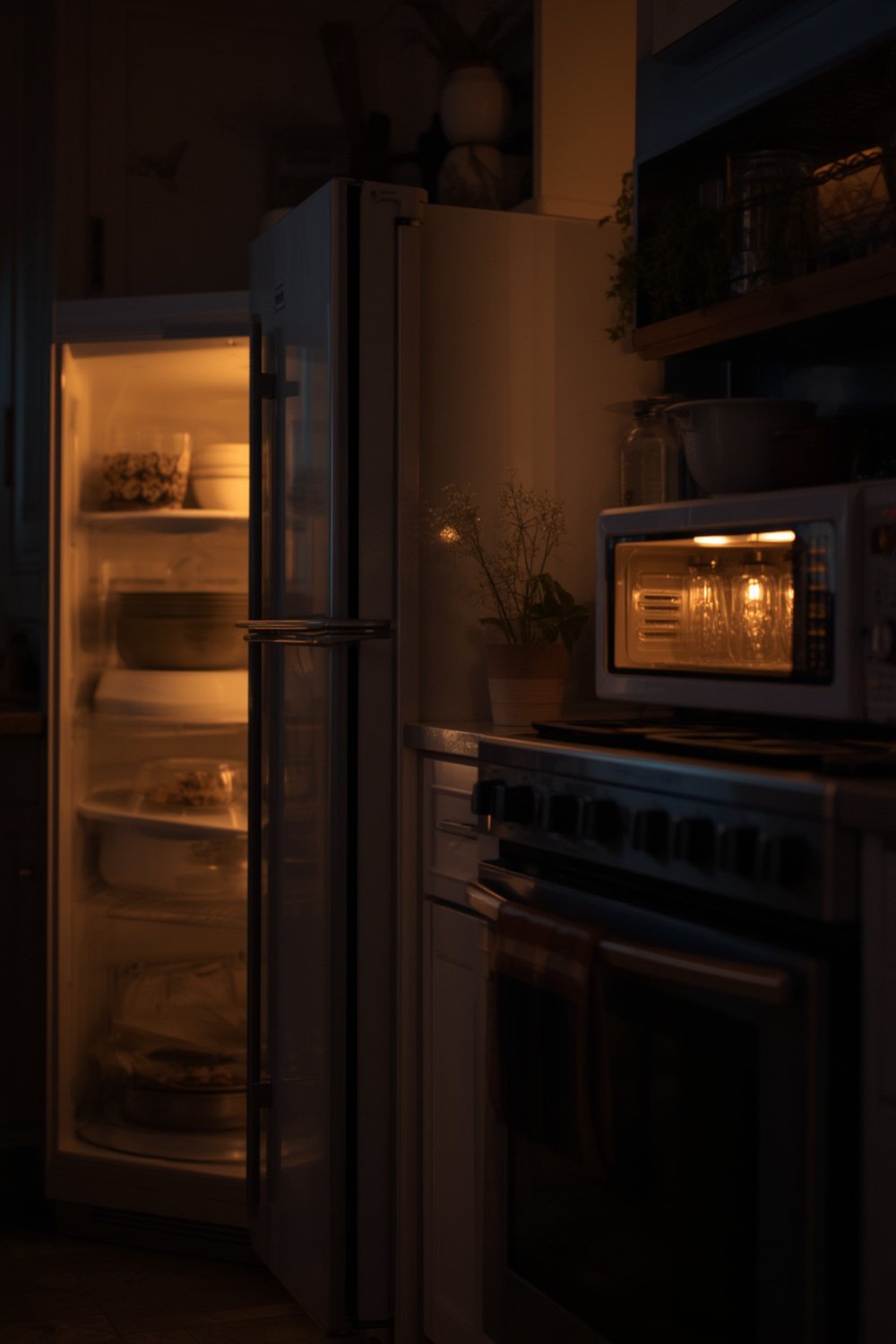
Globally, the bulb market reached $59.07 billion in 2024, with the LED segment leading due to energy efficiency and regulations favoring advanced technology (source). For consumers, this means newer appliances often come equipped or ready for LED solutions. LEDs make up 60% of the US residential lighting market and use at least 75% less energy, lasting 25 times longer than incandescent bulbs (source).
Despite technical advances, a lack of official manufacturer guidelines for wattage, lumens, and compatibility still creates confusion. smart bulbs and IoT integration are making their way into more appliances, but cost remains a stumbling block, especially for small businesses and value shoppers.
If you are updating your kitchen or exploring new home design styles, consider how appliance lighting integrates with other upgrades like organic modern kitchen style or permanent outdoor lights.
How to Choose and Replace Appliance Light Bulbs
Properly replacing an appliance light bulb goes beyond grabbing any mini bulb at the hardware store. Follow these steps to avoid frustration and ensure safety:
- Identify bulb type: Is it for an oven (needs high heat resistance), refrigerator (works in cold/damp), or microwave? Ovens usually require specific glass and filament types. Avoid standard LEDs in ovens unless explicitly rated for high temperatures.
- Check the base: Most appliance bulbs use E17 (intermediate), E14 (European), or E26/E27 (standard) screw bases. Measure or compare before buying, as forcing the wrong size can short-circuit your appliance.
- Compare output: Match lumens and wattage to avoid dim or overly bright lighting. Some fridges and microwaves need lower wattage to prevent interior heat buildup.
- Mind the shape and enclosure: Bulbs come in A15, T7, G16.5, and more. The wrong shape may not fit or could even shatter when the door closes.
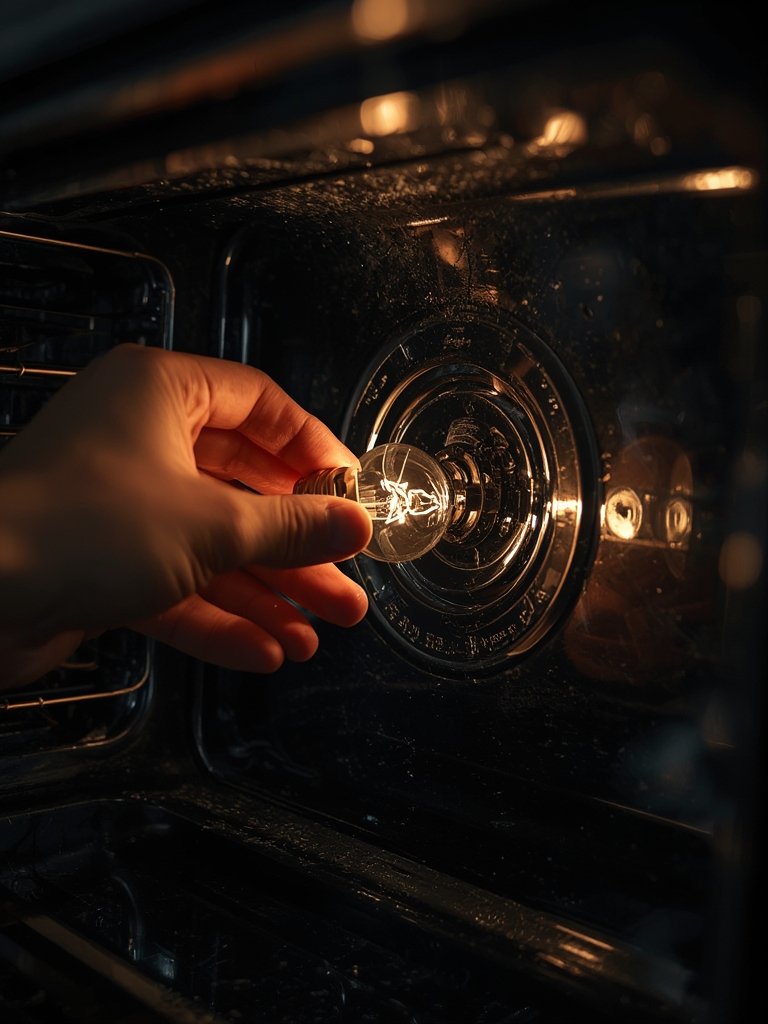
- Install safely: Unplug any appliance before replacing bulbs to prevent shocks, especially around moisture or metal. Use gloves to prevent fingerprints or cracks, particularly for oven bulbs.
- Upgrade thoughtfully: Consider switching to LEDs or smart bulbs where supported, but don’t use them inside extreme environments unless they’re rated for it (source). LEDs save money over time but be alert to fit and heat tolerance issues.
Choosing energy-efficient lighting is just one part of optimizing household comfort and ease. If you’re interested in advanced automation for other everyday chores, see our guide on the self emptying robot vacuum for pet hair or browse our top product picks and recommendations for more shortcuts.
Remember: for ovens and some microwaves, only use bulbs specified as “appliance” or “oven-rated.” Kitchen gadgets like non toxic air fryer models may also require specialty bulbs. Compatibility with smart home setups, such as smart thermostats, is increasing, but always check for voltage and heat tolerances.
Advanced Analysis & Common Pitfalls
Based on the latest research, there are several drawbacks and mistakes to avoid when working with appliance light bulbs:
- Incompatible LED bulbs: Regular LEDs can fail quickly in ovens or microwaves if not rated for high temperature. Use only bulbs labeled as “appliance” or “oven safe.”
- Confusion due to lack of information: Manufacturers often don’t list lumens, bulb types, or wattage online, leading to incorrect purchases.
- Overlooked safety standards: Appliance-specific certifications are rarely disclosed; always look for UL (Underwriter Laboratories) or equivalent marks.
- Premature failure from hot/cold swings: Cheaper generic bulbs have a high failure rate in fridges, freezers, and ovens, leading to more frequent replacements and added cost.
- Smart bulb challenges: Not all smart appliance bulbs are compatible with existing wiring, automation systems, or local regulations, especially in older homes.
Here’s a quick comparison of performance and suitability by bulb type:
| Bulb Type | Lifespan | Heat & Humidity Tolerance | Best For | Typical Cost |
|---|---|---|---|---|
| Incandescent (Appliance-rated) | ~1,000 hours | Very High (Ovens, Fridges) | Universal replacement, legacy appliances | Low |
| Halogen (Appliance-rated) | ~2,000 hours | High | Ovens, specialty appliances | Medium |
| LED (Appliance-rated) | 10,000-25,000 hours | Moderate to High (check rating) | Fridges, select ovens, energy upgrades | Medium to High |
| Generic LED | Up to 25,000 hours (in normal use) | Poor (in ovens/high humidity) | Lighting fixtures, unheated environments | Low to Medium |
The lack of transparent standards and performance data, especially regarding newer smart bulbs and specialized appliance LEDs, remains a frustration. EU rules require new bulbs to achieve at least 80 lumens per watt, but most US appliances still lag (source). This fragmented market leads to guesswork and buying multiple replacements until the right one fits and lasts.
Conclusion
Appliance light bulbs may seem simple, but choosing the right type protects your safety, saves money, and keeps your appliances practical for years. To recap: always match the bulb to the job, don’t cut corners on temperature ratings, and look for UL or appliance-specific certification. If uncertain, consult your device manual or manufacturer—guessing can lead to frequent failures or even void your warranty.
Ready to upgrade? Assess your appliance needs, double-check specs, and consider long-life LED appliance light bulbs for efficiency and convenience. Don’t forget—smart solutions and integrated home automation lighting are expanding, so there are more options than ever before.
For more practical home improvement tips and product guides, check out our top product picks and recommendations and stay ahead of the curve with reliable advice and research.
Frequently Asked Questions
Can I use a regular LED bulb in my oven or microwave?
No—most standard LEDs are not rated for extreme heat or humidity. Only use bulbs specifically labeled as “appliance” or “oven-rated” to avoid early failure or damage.
What’s the difference between appliance and regular household bulbs?
Appliance light bulbs are built to withstand extreme temperatures and vibration. They usually have thicker glass, specialized filaments, and bases to fit specific appliances.
How long do appliance light bulbs last?
Incandescent appliance bulbs typically last 1,000 hours, halogen up to 2,000, and appliance-rated LEDs can last 10,000-25,000 hours—but only if used in compatible environments.
Why am I replacing my fridge or oven light so often?
This often results from using non-appliance bulbs, voltage fluctuations, or incorrect wattage. Use only manufacturer-recommended bulbs and check your appliance’s specs to minimize early burnouts.
Are there smart appliance light bulbs available?
Yes, but options are limited. Make sure any “smart” bulb is compatible with your appliance’s wattage, socket size, and temperature range. Smart options are more common in refrigerators and range hoods than ovens.