

Apollo window film is gaining attention in 2024 for its bold performance specs, true-to-life durability claims, and affordability for homeowners and businesses who want real-world heat and UV protection without breaking the bank. If you’re comparing window films for comfort, clarity, or energy savings, this deep-dive reveals Apollo’s core strengths—and where info gaps matter, too.
Key Takeaways
- Apollo window film delivers up to 99% UV protection and heat rejection (TSER) up to 67%, giving excellent year-round performance for vehicles and homes.
- Unique strengths include a lifetime warranty, robust 1.5 MIL 2 PLY scratch-resistant construction, and top-tier nano ceramic IR rejection—though some installation and cost data is hard to verify independently.
- User reviews, real-world installation tips, and credible energy savings tests are limited—most details are manufacturer-supplied or based on similar product benchmarks.
- What Makes Apollo Window Film Stand Out in 2024?
- How to Get the Best Results Installing Apollo Window Film
- Advanced Analysis & Common Pitfalls with Apollo Window Film
- Conclusion: Should You Trust Apollo Window Film?
- FAQ: Apollo Window Film
What Makes Apollo Window Film Stand Out in 2024?
If you’re new to the world of window tinting, Apollo window film is marketed as a high-performance choice with serious specs. Apollo gives you 99% UV rejection on all variants, helping prevent interior fade and protecting skin. Its heat rejection, measured as Total Solar Energy Rejection (TSER), ranges from 32% for basic models up to an impressive 67% for the Ultra Dark Sky IR97 nano-ceramic line, which also claims up to 97% infrared (IR) rejection. This means less heat inside—lowering AC bills and adding real comfort to cars, homes, or commercial buildings.
Durability is a major draw: every Apollo window film uses a 1.5 MIL, 2 PLY construction for extra tear resistance, plus a built-in scratch-resistant coating. Unlike many budget alternatives, Apollo advertises a lifetime ownership warranty, so the product is intended as a set-it-and-forget-it upgrade for the long haul. That said, specifics on certifications (like NFRC or IWFA) and real consumer performance data are limited—the majority of stats come directly from Apollo’s own technical listings or trusted resellers.
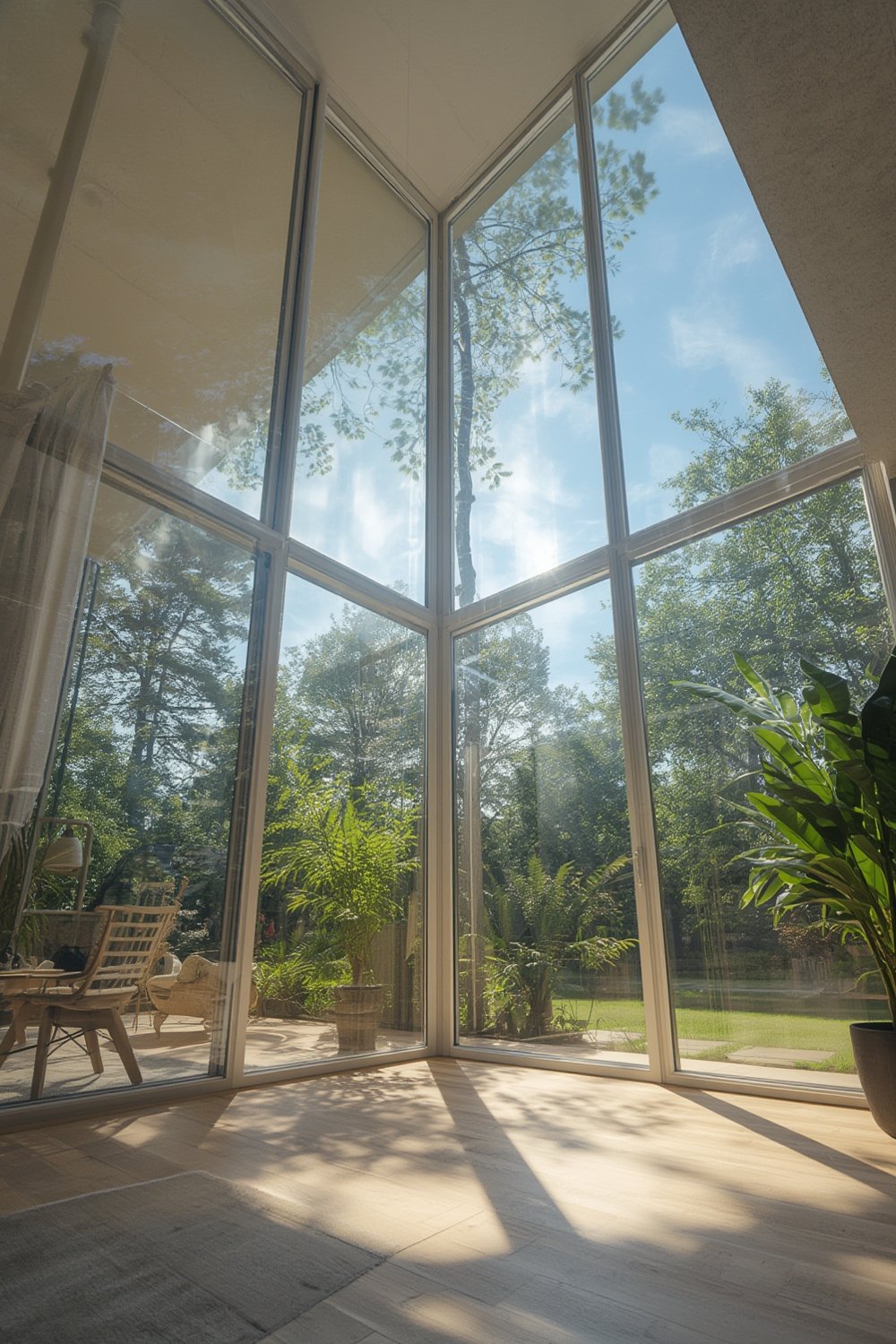
Clarity is also a focus. Films are listed by Visible Light Transmission (VLT) from 5% (deep tint) to 100% (ultra clear), so you can select a film that balances privacy and outward visibility. Nano-ceramic versions offer the benefit of clear views with superior IR rejection—ideal for those wanting heat control without a ‘blacked out’ appearance. Scratch resistance and color stability get repeated mentions, even though full test results are not independently published yet.
In summary? Apollo window film is designed for buyers demanding high UV protection, advanced heat rejection, and install-once longevity—all without the price tag of premium auto or architectural window tints. If you want to avoid the cycle of frequent reapplication, Apollo is positioned as a sensible long-term investment.
How to Get the Best Results Installing Apollo Window Film
While specific step-by-step Apollo instructions are not widely available, the installation process is similar to most professional-grade window tints. Here’s how to set yourself up for lasting results:
- Measure every pane precisely. Cut your Apollo window film slightly larger than the glass area to allow for trimming.
- Clean the glass thoroughly using ammonia-free cleaners, then squeegee completely dry. Dust, lint, or fingerprints can cause bubbles or poor adhesion.
- Prepare an application solution—usually a mix of filtered water and a few drops of mild baby shampoo or a dedicated window film slip solution.
- Remove the clear liner from the film to expose the adhesive. Wet both the adhesive side and the target glass with your solution.
- Apply the wet film to the glass, adhesive side in. Use a squeegee to push out all excess fluid and air bubbles, working center outwards. Carefully trim any excess film.
- Wipe and check edges for full adhesion. Allow the film to cure undisturbed—usually 2 to 7 days, depending on climate and thickness.
Apollo claims ‘easy installation,’ and the film’s robust construction is less likely to tear during handling compared to cheaper, single-ply films. Still, patience and cleanliness are your best tools—professional installers often use specialty window film knives and small hard cards to get edge corners tight without scratches or nicks.
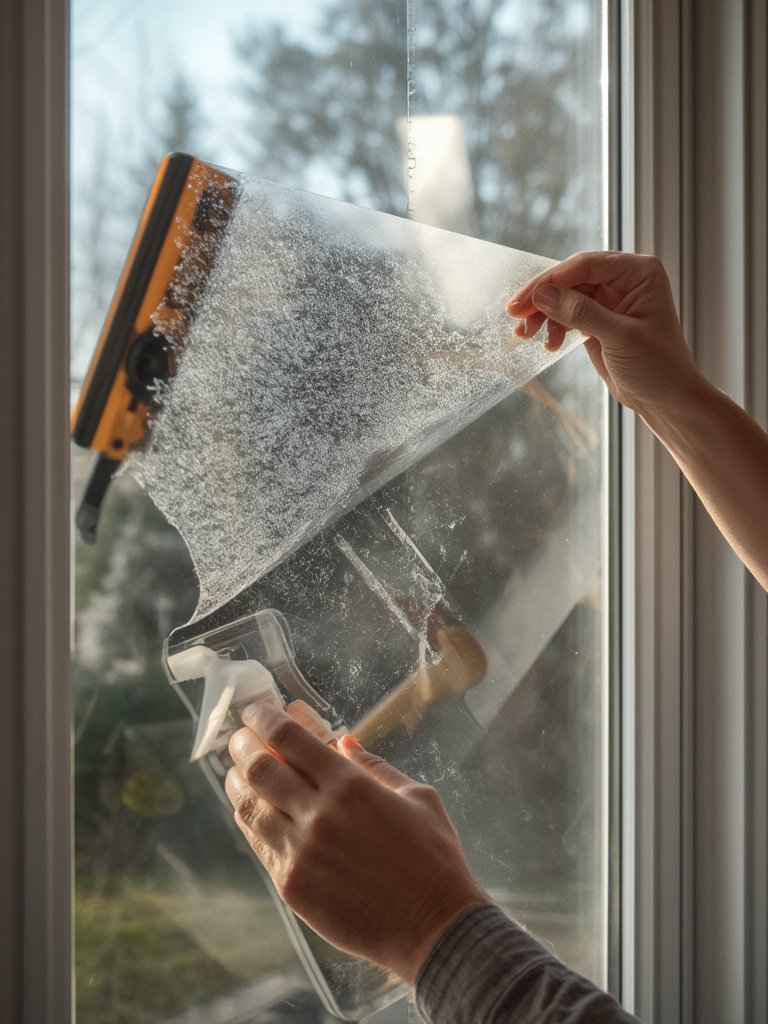
Expect the film’s adhesive to fully ‘set’ after one week; avoid rolling windows up/down or cleaning with powerful chemicals during this period. For maximum heat and UV rejection, the nano-ceramic lines such as Ultra Dark Sky IR97 are your best bet, but they may have a slightly thicker, stiffer feel that requires firm squeegeeing.
Looking for totally hands-off solutions for annual cleaning after install? See our guide on self-emptying robot vacuums for pet hair to help keep dust levels low by the windows all season.
Advanced Analysis & Common Pitfalls with Apollo Window Film
Before you invest in Apollo window film, it’s smart to know where real-world challenges can surface:
- No Verified User Reviews: As of 2024, there are no major consumer review aggregates or negative feedback available—almost all information is manufacturer-supplied. This makes it harder to independently verify claims about long-term durability, professional install quality, or ease of DIY application. Look for any new third-party or retailer-badged reviews before you buy.
- Missing Cost Transparency: There is a lack of clear, up-to-date product and professional installation pricing. One imported listing for a JB Apollo variant shows $49.99–$259.08 per roll (product only), but no direct Apollo window film retail or install labor pricing is published as of June 2024. This can complicate budgeting, and quotes may vary widely by installer.
- Energy Savings Evidence: While Apollo advertises up to 67% TSER and 97% IR rejection, there are no peer-reviewed, third-party energy efficiency tests or case studies confirming real-world cooling bill reductions or room temperature improvements at this time.
- Certification Clarity: No specific NFRC, IWFA, or related certifications are listed for Apollo window film—unlike some premium brands, which publish exact test numbers for visible light, haze, clarity, or heat rejection on standardized glass types.
- Installation Support: The manufacturer claims easy installation and durable adhesive, but does not provide unique, step-by-step application guides or troubleshooting support (e.g., film shrinking for curved glass, edge sealing tips, etc.). This is a potential gap for DIYers.
| Feature | Apollo Window Film | Typical Competitor Brands |
|---|---|---|
| UV Protection | 99% (All models) | 95–99% |
| Heat Rejection (TSER) | 32%–67% | 30%–70% (varies) |
| IR Rejection | 65%–97.2% (nano-ceramic) | 50%–98% |
| Construction | 1.5 MIL, 2 PLY, scratch-resistant | 1- or 2-ply, 1-2 MIL |
| Warranty | Lifetime (ownership, product-specific) | 5 to lifetime, often installer-backed |
| Certifications | Not listed (as of 2024) | NFRC, IWFA (select brands) |
Want deeper insights on home upgrades that boost value and comfort? Check out our top product picks and recommendations for home improvement and design.

For those seeking advanced DIY installation, you might also explore specialist tools like Seal Right tool kit or explore film clarity with a good spirit level. These can enhance application results for any window film—Apollo or otherwise.
Energy savings potential is promising but unconfirmed in published, third-party case studies. If tracking utility bills is your priority, combine Apollo window film with energy monitoring basics—see smart thermostat for ideas on measuring home comfort and efficiency.
Conclusion: Should You Trust Apollo Window Film?
Apollo window film gives you credible performance numbers—99% UV rejection, up to 67% TSER, and a scratch-resistant, 1.5 MIL, 2 PLY construction with a lifetime warranty—but is light on third-party reviews, industry certifications, and detailed installation guides. For the budget-conscious or DIY-savvy, it offers a strong mix of features and claims compared to more expensive brands, but plan for research and potential trial-and-error during installation.
If you prioritize clear warranty backing, documented specs, and the ability to tailor tint level and technology (standard or nano-ceramic), Apollo window film remains a solid bet in 2024. Just ensure you get a reputable installer or follow pro-grade preparation for best results. Ready to upgrade? Take a closer look at Apollo’s technical details via their official listing or get hands-on with your next home project.
For more hands-on reviews, cost realities, and side-by-side product picks beyond window film, don’t miss our comprehensive product buying guide for smarter home upgrades.
FAQ: Apollo Window Film
How much does Apollo window film cost with installation?
No verified 2024 installation pricing is published. Product-only rolls are listed from $49.99 to $259.08. Expect professional install costs to vary by window size, film series, and installer/region.
Is Apollo window film suitable for both cars and homes?
Yes. Apollo offers product lines for auto, residential, and commercial windows. Choose VLT (tint level) and IR/TSER ratings based on your specific needs. Confirm with your installer that the product matches your local tint regulations.
What warranty is offered with Apollo window film?
Apollo advertises a lifetime ownership warranty covering fading, cracking, or adhesive failure for as long as you own the window or vehicle. Check if the warranty is supported by your installer as well.
Are there unique installation tips or tools for Apollo window film?
No Apollo-specific application guides are published, but using high-quality squeegees, slip solution, and microfiber cloths will deliver best results. The 1.5 MIL 2 PLY film is sturdier than most entry-level products, making it less prone to tears during installation.
How does Apollo window film compare to leading competitors for clarity?
Apollo’s VLT ranges from 5% to 100%, so you can find a match for privacy or clarity goals. Independent haze and optical clarity data are not published, making direct comparison with top-rated competitors difficult as of 2024.